Kidney Failure: Stages, Treatment Options, and Realistic Recovery Expectations

Kidney failure may be sudden (acute) or develop gradually over time (chronic). Symptoms can be subtle at first and may include swelling, fatigue, nausea, and changes in urination.
Key Takeaways
- Kidney failure may be sudden (acute) or develop gradually over time (chronic).
- Symptoms can be subtle at first and may include swelling, fatigue, nausea, and changes in urination.
- Treatment depends on the cause, severity, and whether kidney damage is reversible.
- Early diagnosis and careful management can slow progression and reduce complications.
- Dialysis and kidney transplant are established options for advanced kidney failure.
Kidney failure happens when the kidneys can no longer filter waste, balance fluids, and support other vital body functions well enough. Some cases improve when the cause is treated, while others are long-term and require ongoing care such as medicines, dialysis, or kidney transplantation.
Overview
Kidney failure means the kidneys are no longer able to do their job well enough to keep the body in balance. Healthy kidneys remove waste products from the blood, help control fluid levels, support blood pressure regulation, and contribute to red blood cell and bone health. When kidney function falls significantly, waste and excess fluid can build up and affect many organs.
There are two main forms of kidney failure. Acute kidney injury, sometimes called acute renal failure, develops over hours to days and may be reversible if treated quickly. Chronic kidney disease develops gradually over months or years and can progress to end-stage kidney disease, where long-term kidney replacement therapy may be needed.
The term “stages” is usually used for chronic kidney disease. These stages are based largely on estimated glomerular filtration rate, or eGFR, which reflects how well the kidneys filter blood. In early stages, there may be little or no symptoms. In later stages, symptoms and complications become more likely, which is why regular monitoring is important for people at risk.
Symptoms and Stages of Kidney Failure
Kidney failure often begins quietly. In early chronic kidney disease, a person may feel completely well even when damage has already started. As kidney function worsens, symptoms can include tiredness, weakness, poor appetite, nausea, vomiting, itchiness, muscle cramps, trouble concentrating, swelling in the feet or around the eyes, and shortness of breath from fluid buildup.
Changes in urination can also occur, although they do not happen in everyone. Some people notice urinating more often at night, foamy urine, darker urine, or reduced urine output. In more advanced disease, high blood pressure may become harder to control, and complications such as anemia and bone-mineral imbalance can develop.
Chronic kidney disease is commonly grouped into five stages. Stage 1 and stage 2 involve kidney damage with normal or mildly reduced filtration. Stage 3 is a moderate reduction, often divided into 3a and 3b. Stage 4 is severe reduction, and stage 5 means kidney function is very low and kidney failure is present. Stage 5 may require dialysis or kidney transplant depending on symptoms, lab results, and overall health.
Acute kidney injury can look different. Symptoms may appear suddenly with decreased urine output, swelling, confusion, nausea, or chest discomfort. In some cases it is found mainly through blood tests during another illness or hospital stay.
Causes and Risk Factors

Kidney failure is not a single disease but a result of many possible conditions. The most common causes of chronic kidney disease are diabetes and high blood pressure, both of which can damage the tiny blood vessels and filtering units in the kidneys over time. Other causes include inherited disorders such as polycystic kidney disease, long-term inflammation of the kidneys, autoimmune disease, recurrent kidney infections, and urinary tract blockage.
Acute kidney injury usually happens because of a sudden event. Common triggers include severe dehydration, serious infection, heavy bleeding, heart problems that reduce blood flow to the kidneys, urinary obstruction, or exposure to substances that can injure the kidneys. Some medications can contribute, especially if taken in high amounts or during illness, including certain pain relievers and some antibiotics. Contrast dye used in imaging may also need caution in people with existing kidney disease.
Risk factors for chronic kidney disease include older age, diabetes, hypertension, obesity, smoking, cardiovascular disease, a family history of kidney disease, and belonging to populations with higher rates of these underlying conditions. Recurrent kidney stones or enlarged prostate can also increase risk when they interfere with urine flow. In some people, chronic kidney disease progresses slowly; in others, it can worsen more quickly if blood sugar, blood pressure, or other factors are not controlled.
Because causes vary, the outlook varies too. Some people with acute kidney injury recover fully. Others recover only part of their kidney function or later develop chronic kidney disease. Chronic kidney failure is usually not fully reversible, but progression can often be slowed with appropriate treatment and lifestyle changes.
How Kidney Failure Is Diagnosed
Diagnosis usually starts with a medical history, physical examination, and blood and urine tests. Blood tests commonly measure creatinine and calculate eGFR to estimate filtering capacity. Urine tests can look for protein, blood, infection, and other abnormalities. Protein in the urine is an important sign of kidney damage, even when eGFR is still relatively preserved.
Doctors also assess possible complications and contributing conditions. This may include checking electrolytes such as potassium, measuring blood pressure, and looking for anemia, bone-mineral changes, or signs of fluid overload. Imaging studies such as ultrasound can help evaluate kidney size, structure, stones, cysts, or blockage in the urinary tract.
In selected cases, further testing is needed to identify the exact cause. A kidney biopsy may be recommended when a doctor suspects certain inflammatory or autoimmune disorders. Additional heart or vascular evaluation may be needed when circulation problems are contributing to reduced kidney function.
People with sudden kidney dysfunction may need urgent evaluation, especially if they have chest pain, severe shortness of breath, confusion, very little urine output, or dangerously abnormal potassium levels. Prompt diagnosis matters because some causes can be reversed before permanent damage occurs.
Treatment Options
Treatment for kidney failure depends on whether it is acute or chronic, how severe it is, and what is causing it. In acute kidney injury, care focuses on correcting the trigger. This may include treating infection, restoring fluids if a person is dehydrated, relieving a urinary blockage, adjusting medicines, or managing blood pressure and heart function. During recovery, doctors monitor fluid status and blood chemistry closely.
For chronic kidney disease, treatment aims to slow progression, control symptoms, and reduce complications. Important measures often include managing diabetes and high blood pressure, limiting medicines that can harm the kidneys when possible, treating anemia or mineral imbalance, and following an eating plan suited to kidney health. Some people also need treatment for fluid retention, high potassium, or acid-base imbalance.
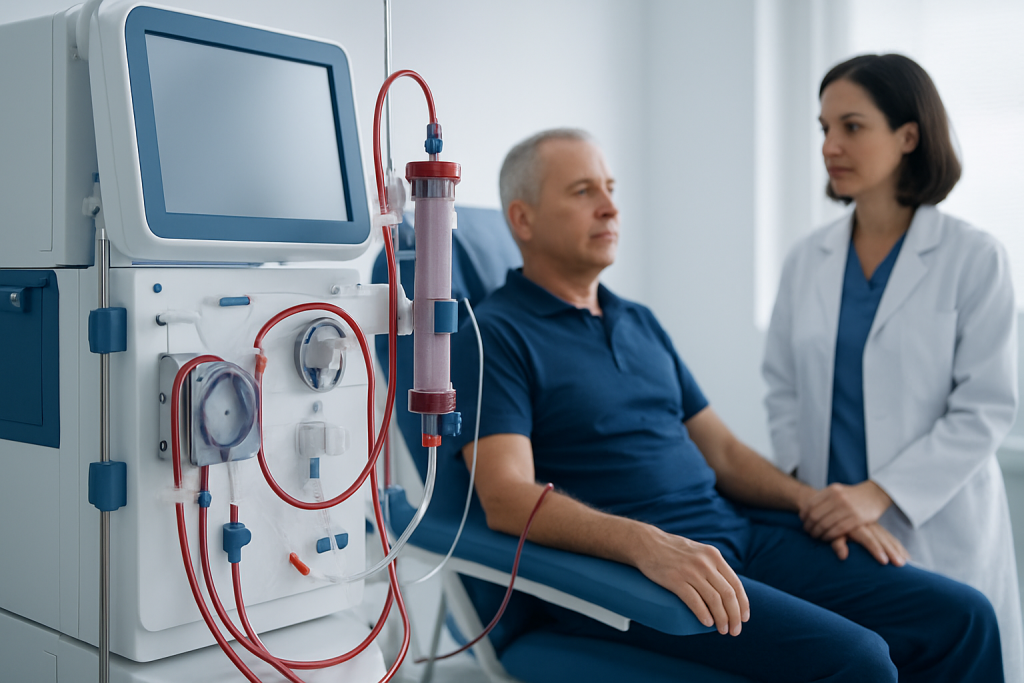
When kidney failure becomes advanced, kidney replacement therapy may be needed. Dialysis removes waste and extra fluid from the blood when the kidneys can no longer do so adequately. Hemodialysis and peritoneal dialysis are the main types, and the best choice depends on medical needs, daily routine, and personal preference. In appropriate candidates, kidney transplantation can offer long-term replacement of kidney function.
Recovery expectations should be realistic. Acute kidney injury may improve substantially, but recovery can take days to months and sometimes remains incomplete. Chronic kidney failure generally cannot be cured once scarring is advanced, but many people live for years with careful treatment. In selected patients, specialist nephrology care helps coordinate medicines, diet, monitoring, and planning for dialysis or transplantation when needed.
Prevention and Self-care
Not all kidney failure can be prevented, but many cases of chronic kidney disease can be delayed or slowed. Managing diabetes and blood pressure is one of the most effective ways to protect the kidneys. Regular checkups are especially important for people with risk factors, because early kidney disease often causes no obvious symptoms.
Healthy daily habits support kidney function. These include staying physically active, maintaining a healthy weight, avoiding smoking, and following a balanced diet that matches medical advice. People with established kidney disease may need to watch sodium, protein, potassium, or phosphorus intake depending on their blood tests and stage of disease. A kidney diet should be individualized rather than copied from general advice online.
It is also wise to use over-the-counter medicines carefully. Nonsteroidal anti-inflammatory drugs, or NSAIDs, can strain the kidneys, especially in older adults, people with dehydration, or those with existing kidney disease. During vomiting, diarrhea, fever, or poor fluid intake, some regular medicines may need temporary review with a doctor to avoid worsening kidney function.
For patients needing ongoing support, education can make a major difference. Learning to monitor blood pressure, keep appointments, understand lab results, and recognize warning signs helps people take an active role in their care. Near the end of the treatment journey, international patients may also seek guidance from centers such as Acibadem International, where multidisciplinary specialists in JCI-accredited hospitals diagnose and treat kidney conditions.
When to See a Doctor
A person should arrange medical evaluation if they notice persistent swelling, unexplained fatigue, foamy urine, blood in the urine, ongoing nausea, loss of appetite, or changes in urination. People with diabetes, high blood pressure, heart disease, or a family history of kidney problems should have kidney health checked regularly even if they feel well.
Urgent care is needed for symptoms that may suggest severe kidney dysfunction or complications. These include severe shortness of breath, chest pain, confusion, fainting, very little or no urine output, severe weakness, or sudden swelling. High potassium and fluid overload can become serious quickly and should not be ignored.
Medical review is also important after an episode of acute kidney injury, even if kidney function seems to improve. Follow-up can detect incomplete recovery and reduce the risk of future problems. Patients already diagnosed with kidney disease should ask their doctor how often to have blood tests, urine tests, and blood pressure monitoring.
Frequently asked questions
Can kidney failure be cured?
It depends on the type and cause. Acute kidney injury can sometimes be reversed if the underlying problem is treated promptly. Chronic kidney failure is usually not curable once significant scarring has developed, but treatment can often slow progression and manage symptoms.
What is the difference between kidney failure and chronic kidney disease?
Chronic kidney disease is the gradual loss of kidney function over time. Kidney failure usually refers to very advanced loss of function, often corresponding to the final stage of chronic kidney disease or to severe acute kidney injury.
Does kidney failure always mean dialysis?
No. Some people with kidney problems never need dialysis, especially if the condition is detected early and managed well. Dialysis is usually considered when kidney function is very low and symptoms, fluid overload, or dangerous blood test abnormalities cannot be controlled otherwise.
Can someone recover from acute kidney injury?
Yes, many people recover partially or fully, especially when the cause is identified and treated quickly. Recovery may take time, and some patients need follow-up because they remain at higher risk for future kidney disease.
What foods should be avoided in kidney failure?
There is no one diet that fits everyone. Depending on the stage of kidney disease and lab results, a doctor or renal dietitian may recommend adjusting sodium, potassium, phosphorus, protein, and fluid intake. Personalized advice is important because restrictions that help one patient may not be right for another.
Is kidney transplant better than dialysis?
For many eligible patients, a kidney transplant can provide better long-term quality of life and more natural kidney function than dialysis. However, it is not suitable for everyone, and it requires careful evaluation, surgery, and lifelong follow-up with anti-rejection medicines.
References
- National Kidney Foundation
- Kidney Disease: Improving Global Outcomes
- National Institute of Diabetes and Digestive and Kidney Diseases
- Mayo Clinic
- World Health Organization
This article is for general information only and is not a substitute for professional medical advice. Please consult a qualified doctor about your individual situation.
Explore treatments in Turkey — costs, top hospitals & a free quote
JCI-accredited · board-certified surgeons · reply within 24h
Add us as a Preferred Source to see more of our trusted health content across Google Search, AI Overviews and Discover.
Check your numbers in seconds
BMI, calories, due date, blood pressure and 30+ more clinical calculators — free, instant, doctor-reviewed ranges.