

Second Opinion for Orthopedic Surgery: When It Helps

A second opinion can confirm a diagnosis or suggest a different explanation for symptoms. It may reveal additional non-surgical options, different surgical techniques, or another timing for treatment.
Key Takeaways
- A second opinion can confirm a diagnosis or suggest a different explanation for symptoms.
- It may reveal additional non-surgical options, different surgical techniques, or another timing for treatment.
- Second opinions are especially useful for major, irreversible, or high-risk orthopedic procedures.
- Patients should bring imaging, test results, medication lists, and questions to the consultation.
- Seeking another expert view is normal and does not usually mean delaying necessary care.
A second opinion for orthopedic surgery can help patients better understand their diagnosis, review non-surgical and surgical options, and feel more confident about the next step. It is a common, reasonable part of decision-making, especially when symptoms are complex or treatment choices are not straightforward.
Overview
A second opinion for orthopedic surgery means asking another qualified specialist to review the diagnosis, imaging findings, symptoms, and proposed treatment plan before moving forward. This step is often helpful when surgery has been recommended for the spine, hip, knee, shoulder, foot and ankle, or other bones and joints. It can reassure the patient that the plan is appropriate, or it can open the door to other reasonable options.
Orthopedic conditions are not always simple. Pain may come from more than one source, imaging findings may not fully explain symptoms, and different surgeons may favor different approaches based on training and experience. Because of this, a second opinion is not a sign of distrust. It is a practical way to make an informed decision about a treatment that may affect mobility, pain, work, sports, and daily life.
Many people seek another opinion before major procedures such as joint replacement, spine surgery, ligament reconstruction, or surgery for complex fractures. Others do so because they were told they need surgery quickly, but want to understand whether non-surgical care could still help. In many cases, an additional review improves clarity and confidence, regardless of whether the final recommendation changes.
When a Second Opinion Helps Most
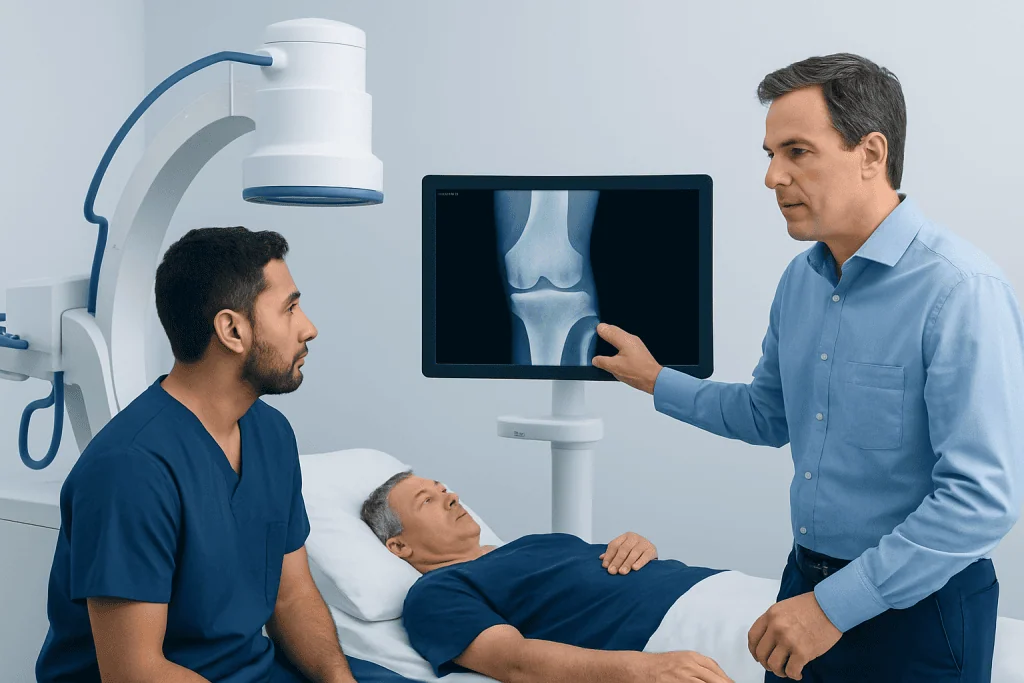
A second opinion is especially valuable when the recommended operation is major, irreversible, or likely to require a long recovery. Examples include knee replacement, hip replacement, and some types of spine surgery. In these situations, patients often want confirmation that surgery is the right next step and that they understand the likely benefits, limits, and recovery process.
It may also help when symptoms and test results do not seem to match. For example, an MRI may show age-related changes that are common even in people without pain, while the true cause of symptoms may be somewhere else. A second specialist may interpret the problem differently or recommend further evaluation before an operation is planned.
Patients may consider another opinion when:
- The diagnosis is unclear or has changed over time.
- Different doctors have offered different explanations.
- Non-surgical treatment has not been fully explored.
- The suggested surgery is complex, urgent, or expensive.
- There is concern about risks because of age, medical conditions, or prior surgery.
- Symptoms continue after an earlier operation.
Another common reason is uncertainty about expectations. Some orthopedic procedures are very effective for the right person, but they cannot always restore a joint to normal or remove every symptom. A second opinion can help the patient understand realistic outcomes before making a decision.
What a Second Opinion Can Clarify

The first goal of a second opinion is to confirm the diagnosis. Orthopedic symptoms such as pain, stiffness, weakness, instability, numbness, or reduced range of motion can come from many causes. For instance, knee pain may relate to arthritis, meniscus injury, ligament damage, referred pain from the hip or spine, or inflammation around the joint. Confirming the source of symptoms is important before any procedure is chosen.
A second specialist may also review whether surgery is necessary now, later, or not at all. In some cases, well-guided physical therapy, medication adjustments, weight management, bracing, injections, or activity modification may be tried first. In others, earlier surgery may be appropriate to prevent worsening damage or loss of function. The timing can matter as much as the procedure itself.
Another area of clarification is the type of surgery. Some problems can be treated in more than one way. Depending on the condition, a surgeon may discuss repair versus reconstruction, arthroscopy versus open surgery, or joint-preserving treatment versus replacement. For advanced osteoarthritis, for example, the question may not only be whether surgery is needed, but which operation best fits the person’s age, activity level, anatomy, and goals.
Finally, a second opinion can help patients weigh likely benefits against possible risks and recovery demands. Understanding pain relief, improvement in movement, hospital stay, rehabilitation needs, and chances of revision surgery can make decisions more informed and less stressful.
How the Evaluation Is Done
An orthopedic second opinion usually begins with a detailed medical history and physical examination. The doctor will ask when symptoms started, what makes them better or worse, what treatments have already been tried, and how the condition affects sleep, work, walking, exercise, and daily tasks. Prior injuries, previous operations, and general health conditions also matter because they can influence both diagnosis and treatment planning.
The specialist will then review available tests, including X-rays, MRI, CT scans, ultrasound, blood tests, and earlier consultation notes. Sometimes the main value of the visit is not ordering new tests, but interpreting the existing information in the context of the patient’s symptoms and examination. In other cases, additional imaging or laboratory evaluation may be recommended if the picture is incomplete.
Patients can prepare by bringing:
- Copies of imaging reports and, if possible, the actual scan images on disc or digital access
- A list of symptoms, including how long they have lasted
- A summary of past treatments such as physical therapy, injections, or surgery
- A current medication list and any allergies
- Written questions about diagnosis, options, risks, recovery, and expected results
Good questions may include: What is the exact diagnosis? What happens if surgery is delayed? Are there non-surgical alternatives? What are the main risks? How long is recovery? What level of pain relief or function is realistic? A thoughtful second opinion should leave the patient with clearer answers, even if the recommendation is similar to the first one.
Possible Outcomes After a Second Opinion
There are several possible results from a second opinion, and all can be useful. The second doctor may fully agree with the original recommendation. This often brings reassurance and helps the patient move ahead with greater confidence. It can also strengthen understanding of why the surgery is being advised and what the expected recovery will involve.
In other situations, the specialist may suggest a different path. This might mean more time with non-surgical treatment, a different surgical technique, a different sequence of care, or closer evaluation of another condition that may be contributing to symptoms. For example, shoulder pain might be caused not only by a local tendon problem but also by neck-related nerve irritation, requiring a broader assessment.
A second opinion may be particularly valuable after a disappointing first result or when revision surgery is being considered. Repeat operations can be more complex than initial procedures, and understanding all options is important. Conditions such as scoliosis or multi-level spinal degeneration may also benefit from multidisciplinary review because treatment planning can be more nuanced.
If opinions differ, that does not always mean one doctor is wrong. In orthopedics, more than one reasonable approach may exist. The next step is often to ask each specialist to explain why they recommend a certain plan, what evidence supports it, and how it matches the patient’s goals, lifestyle, and medical needs.
Choosing the Right Specialist for a Second Opinion
For the most useful second opinion, patients should look for a board-certified or equivalently qualified orthopedic specialist with experience in the specific body area or procedure involved. Orthopedics includes many subspecialties, such as knee, hip, shoulder, sports injuries, spine, hand, foot and ankle, trauma, and pediatric orthopedics. A hip specialist may be best for a complex hip problem, while a spine-focused surgeon may be more appropriate for spinal stenosis or disc-related symptoms.
It can help to choose someone who was not involved in the original recommendation and who works in a setting with access to high-quality imaging, rehabilitation, and, when needed, multidisciplinary care. For some conditions, consultation with a non-surgical orthopedic physician, sports medicine specialist, or rehabilitation doctor may also add perspective, especially when there is uncertainty about whether an operation is the best first step.
Patients should also consider communication style. A good second opinion should be clear, balanced, and respectful of the first evaluation. The specialist should explain the diagnosis in understandable language, discuss both benefits and limitations of treatment, and leave room for patient preferences. This can be especially important when options include both surgery and conservative care.
Near the end of the process, some patients seek care in a center that can provide diagnosis, surgery, rehabilitation, and follow-up in one system. Acibadem International’s multidisciplinary specialists and JCI-accredited hospitals evaluate and treat orthopedic conditions for international patients, which may be helpful when coordinated care is needed.
Practical Self-care and When to See a Doctor
While waiting for a second opinion, patients should generally continue the safe measures already recommended by their clinician unless told otherwise. This may include gentle activity modification, use of prescribed medications, ice or heat as appropriate, and following a physical therapy program. Avoiding sudden increases in strain may help reduce symptom flares while the treatment plan is being clarified.
It is important not to assume that every recommended surgery should be delayed. Some orthopedic problems need prompt evaluation or treatment, especially when there is worsening weakness, inability to bear weight after injury, severe deformity, signs of infection, or concern about nerve compromise. In these cases, a second opinion may still be possible, but it should be arranged quickly and without ignoring urgent symptoms.
Patients should seek medical care promptly if they have:
- Sudden severe pain after trauma
- Visible joint deformity or inability to move a limb
- Rapid swelling, redness, fever, or drainage around a joint or surgical site
- Progressive numbness, weakness, or loss of bladder or bowel control with spine symptoms
- Persistent pain that disrupts sleep or daily activities despite treatment
For non-urgent cases, a second opinion can be one of the most useful steps in decision-making. It can help patients feel informed rather than rushed, especially before procedures such as arthroscopy or major joint and spine operations. The goal is not simply to agree or disagree with the first doctor, but to reach the safest and most appropriate plan for the individual patient.
Frequently asked questions
Is it normal to get a second opinion before orthopedic surgery?
Yes. Getting a second opinion is a common and sensible step before many orthopedic procedures, especially major operations. It can help confirm the diagnosis, explain alternatives, and make the final decision feel more informed.
Will a second opinion offend the first surgeon?
Most experienced surgeons understand that patients may want another expert view before surgery. In many cases, doctors welcome it because it supports informed consent and patient confidence.
Can a second opinion change the treatment plan?
Sometimes it does, and sometimes it confirms the original advice. A second specialist may suggest more testing, more time with non-surgical care, a different surgical technique, or proceeding with the same plan for clearer reasons.
What should a patient bring to an orthopedic second opinion?
It is helpful to bring imaging reports, scan images if available, clinic notes, a medication list, and a summary of past treatments. Written questions about risks, benefits, recovery, and expected results can also make the visit more useful.
Does asking for a second opinion mean delaying necessary surgery?
Not necessarily. In many non-emergency situations, there is enough time to review the diagnosis and options carefully. However, urgent symptoms such as severe injury, infection, or worsening nerve problems should be assessed without delay.
When is a second opinion especially important?
It is particularly helpful for major operations, revision surgery, unclear diagnoses, and cases where symptoms do not match scan findings. It can also be useful when several treatment options seem possible or when recovery may be long and demanding.
References
- American Academy of Orthopaedic Surgeons
- National Institute for Health and Care Excellence
- National Institute of Arthritis and Musculoskeletal and Skin Diseases
- American College of Radiology
- World Health Organization
This article is for general information only and is not a substitute for professional medical advice. Please consult a qualified doctor about your individual situation.
Joint and spine care in Turkey — expert assessment & treatment
JCI-accredited · board-certified surgeons · reply within 24h
Add us as a Preferred Source to see more of our trusted health content across Google Search, AI Overviews and Discover.

Orthopedics & Spine
Care for bones, joints and the musculoskeletal system, including joint replacement, sports injuries and trauma.
125 specialists in this unitMore from the Health Library



Related Specialists

Prof. Dr. Yasemin Şenyürek
General Surgery
Prof. Dr. A. Çağrı Büke
Infectious Diseases & Clinical Microbiology
Dr. Gül Sema Can
Gynecology & Obstetrics
Erdem Terzi
Physical Medicine & Rehabilitation