Disorders of the Blood: Which Symptoms Suggest a Serious Problem?

Blood disorders can affect oxygen delivery, immunity, bleeding, or clotting. Persistent fatigue, repeated infections, easy bruising, and unusual bleeding are important warning signs.
Key Takeaways
- Blood disorders can affect oxygen delivery, immunity, bleeding, or clotting.
- Persistent fatigue, repeated infections, easy bruising, and unusual bleeding are important warning signs.
- Some symptoms, such as chest pain, shortness of breath, heavy bleeding, or sudden swelling, need urgent medical attention.
- Diagnosis usually includes a medical history, physical exam, blood tests, and sometimes bone marrow testing.
- Treatment depends on the cause and may include supplements, medicines, transfusions, or specialist care.
Blood disorders affect red blood cells, white blood cells, platelets, or clotting proteins. While many symptoms are mild at first, certain signs such as severe fatigue, unexplained bruising, frequent infections, or abnormal bleeding can point to a more serious problem and should be evaluated by a doctor.
Overview
Blood disorders are conditions that affect one or more parts of the blood. This may include red blood cells, which carry oxygen; white blood cells, which help fight infection; platelets, which help the blood clot; or plasma proteins involved in bleeding and clotting. Some disorders are temporary and mild, while others are chronic or require urgent treatment.
The symptoms can vary widely because blood has many roles in the body. A person may notice tiredness, pale skin, shortness of breath, frequent infections, swollen lymph nodes, unexpected bruising, or bleeding that is hard to stop. In other cases, the first sign may be an abnormal blood test found during a routine checkup.
Not every symptom means a serious disease. For example, fatigue can have many causes, and a bruise after a minor injury is often harmless. However, symptoms that are persistent, unexplained, severe, or getting worse should not be ignored. Early evaluation can help identify common problems such as iron-deficiency anemia as well as more complex conditions affecting clotting or the bone marrow.
Symptoms That May Suggest a Serious Blood Problem
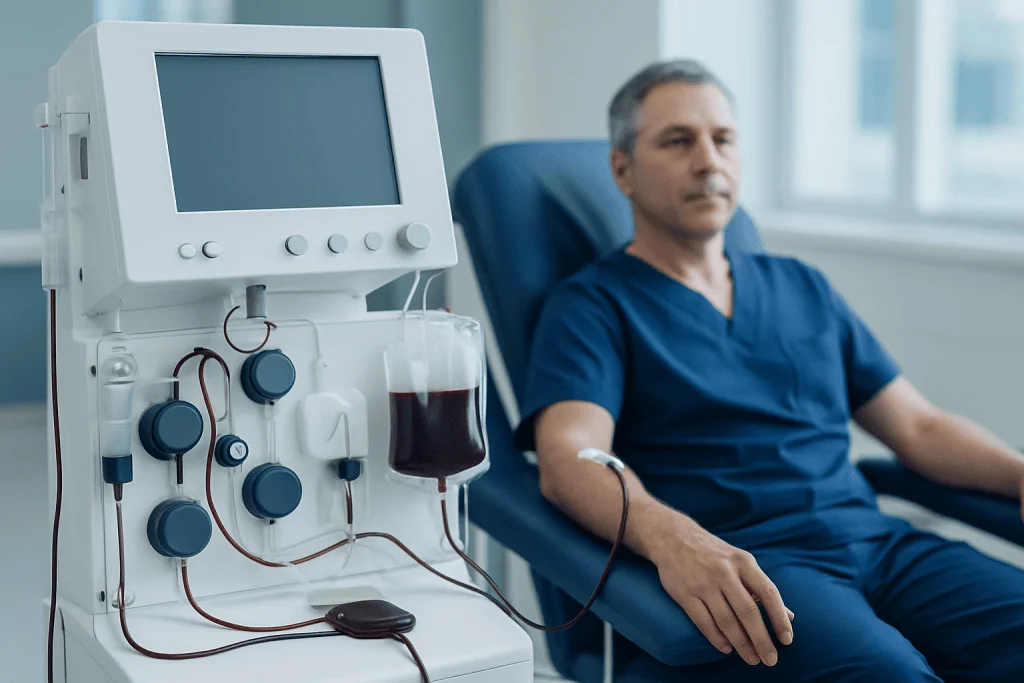
Symptoms become more concerning when they are new, persistent, or out of proportion to what would be expected. One of the most common warning signs is ongoing fatigue that does not improve with rest, especially if it is accompanied by weakness, dizziness, headaches, or shortness of breath. These can occur when the body is not getting enough oxygen because of a low red blood cell count, as seen in anemia.
Bleeding and bruising symptoms also deserve attention. Easy bruising without clear injury, frequent nosebleeds, bleeding gums, very heavy menstrual bleeding, tiny red or purple spots on the skin, or cuts that bleed longer than usual may point to a platelet problem or a clotting disorder. Blood in the urine or stool, or vomiting blood, should always be assessed promptly.
White blood cell disorders may show up as frequent or unusual infections, recurrent fevers, slow healing, or mouth ulcers. Other symptoms that can indicate a serious blood-related condition include enlarged lymph nodes, night sweats, unexplained weight loss, or pain and fullness in the upper left abdomen from an enlarged spleen. Sudden leg swelling, chest pain, or trouble breathing can suggest a dangerous blood clot and require urgent care.
- Persistent severe tiredness or weakness
- Unexplained bruises or pinpoint skin spots
- Frequent infections or fevers
- Heavy or unusual bleeding
- Paleness, dizziness, or shortness of breath
- Sudden swelling, chest pain, or severe headache
Common Types, Causes, and Risk Factors

Blood disorders can be grouped by which part of the blood is affected. Red blood cell disorders include different types of anemia, inherited conditions such as sickle cell disease, and problems linked to chronic illness. White blood cell disorders may involve low white cell counts, immune system changes, or blood cancers. Platelet and clotting disorders can cause either too much bleeding or too much clotting.
There are many possible causes. Nutritional deficiencies, especially low iron, vitamin B12, or folate, are common reasons for anemia. Blood loss from surgery, injury, stomach ulcers, or heavy menstrual periods can also lower red blood cell levels. Infections, autoimmune diseases, liver disease, kidney disease, pregnancy, medications, and genetic conditions may affect blood counts or clotting.
Risk factors depend on the disorder. Family history can increase the chance of inherited conditions. Older age, certain cancers, chemotherapy, smoking, obesity, prolonged immobility, and some hormone medicines can raise the risk of blood clots. People with long-term inflammatory conditions or poor nutrition may be more likely to develop anemia. In some cases, doctors may evaluate symptoms to rule out serious conditions such as leukemia, although many blood abnormalities have non-cancerous causes.
How Doctors Diagnose Blood Disorders
Diagnosis starts with a detailed medical history and physical examination. A doctor will ask about symptoms, family history, medications, diet, menstrual bleeding, recent infections, travel, and any past problems with bleeding or clotting. On examination, they may look for paleness, bruises, rashes, swollen lymph nodes, signs of dehydration, or enlargement of the liver or spleen.
Blood tests are central to diagnosis. A complete blood count measures red cells, white cells, and platelets. Other tests may check iron levels, vitamin B12, folate, clotting function, inflammation markers, kidney and liver function, and how quickly blood cells are being produced or destroyed. A blood smear, which examines blood under a microscope, can provide important clues about cell shape and size.
Additional testing depends on the findings. A doctor may order imaging tests if they suspect bleeding, clotting, or an enlarged organ. In selected cases, specialized tests for inherited clotting disorders, hemoglobin disorders, or immune conditions are needed. When there is concern about a bone marrow problem, a hematologist may recommend a bone marrow biopsy to examine how blood cells are being made.
Treatment Options
Treatment depends entirely on the cause. Mild deficiencies may improve with dietary changes or supplements, while blood loss may need treatment at its source. Infections, autoimmune conditions, and chronic diseases often require targeted medical care. Because blood disorders are diverse, treatment aims to correct the underlying problem while also relieving symptoms and preventing complications.
For anemia, treatment may include iron, vitamin B12, or folate replacement when a deficiency is confirmed. Some people may need medicines that help the body make more blood cells, while others may need management of kidney disease, inflammatory disease, or bleeding in the digestive tract. If symptoms are significant or blood levels are very low, doctors may consider a blood transfusion in an appropriate hospital setting.
Bleeding disorders and clotting disorders are treated differently. A person with low platelets or a clotting-factor problem may need medicines that reduce bleeding risk or replace missing factors. Someone with a blood clot may need anticoagulant therapy to help prevent further clotting. More complex conditions, including bone marrow diseases, may require close follow-up with a hematology team. Near the end of the care pathway, some international patients seek evaluation at centers such as Acibadem International, where multidisciplinary specialists in JCI-accredited hospitals diagnose and treat blood disorders.
Prevention and Self-Care
Not all blood disorders can be prevented, especially inherited conditions. Still, some practical steps can lower risk or help detect problems early. A balanced diet with enough iron, vitamin B12, folate, and protein supports healthy blood production. Regular health checkups are also useful, particularly for people with chronic illnesses, heavy menstrual bleeding, family history of blood disease, or previous abnormal blood tests.
Preventing blood clots often involves staying active, drinking enough fluids, and moving regularly during long travel or bed rest when possible. People who smoke can reduce their risk by stopping. Medicines should be taken only as prescribed, since some drugs can affect platelets, clotting, or bone marrow function. Anyone using blood-thinning medicine should follow medical advice carefully and report side effects.
Self-care should never replace proper evaluation for warning signs. It is helpful to keep a record of symptoms such as bruising, bleeding episodes, fever, fatigue, or changes in menstrual flow. This can make it easier for a doctor to identify patterns and decide which tests are needed. People with a diagnosed blood disorder should attend follow-up visits and ask before starting supplements or herbal products, since these can interact with treatment.
When to See a Doctor
A doctor should be consulted if symptoms are persistent, unexplained, or worsening. This includes tiredness that interferes with daily life, repeated infections, enlarged glands, pale skin, shortness of breath with mild activity, easy bruising, or bleeding that seems unusual. Early assessment is especially important for children, older adults, pregnant people, and anyone with a history of cancer, clotting problems, or immune disorders.
Urgent medical attention is needed for heavy bleeding, black or bloody stools, vomiting blood, fainting, severe weakness, new confusion, chest pain, sudden shortness of breath, or one-sided leg swelling and pain. These symptoms can indicate severe anemia, major bleeding, or a dangerous blood clot. A high fever in someone known to have low white blood cells is also an emergency.
Prompt medical care can make a major difference. Many blood disorders are treatable, and some are easiest to manage when found early. A healthcare professional can determine whether symptoms are related to a blood disorder or to another condition with similar signs.
Frequently asked questions
What are the first signs of a blood disorder?
Early signs can include fatigue, weakness, pale skin, dizziness, easy bruising, or frequent infections. Some people also notice shortness of breath, headaches, or bleeding that seems unusual for them. Because these symptoms can have many causes, a medical evaluation is important if they persist.
Is unexplained bruising always a sign of a serious disease?
Not always. Bruising can happen more easily with age, minor injuries, certain medicines, or fragile skin. However, frequent unexplained bruises, bruises in unusual places, or bruising together with nosebleeds or gum bleeding should be checked by a doctor.
Can blood disorders cause shortness of breath?
Yes. When red blood cell levels are low, the body may not carry enough oxygen efficiently, which can lead to shortness of breath, especially during activity. Sudden or severe shortness of breath can also be a sign of a blood clot and needs urgent medical attention.
Which blood disorder symptoms are an emergency?
Heavy bleeding, blood in vomit or stool, fainting, chest pain, sudden trouble breathing, severe weakness, or sudden swelling and pain in one leg require urgent care. These symptoms can be linked to serious bleeding, severe anemia, or a dangerous clot. A high fever in a person with low immunity also needs immediate evaluation.
How are blood disorders usually tested?
Doctors often begin with a complete blood count and other blood tests based on symptoms. They may also review a blood smear, assess iron or vitamin levels, and order clotting tests. If needed, more specialized studies or a bone marrow test can help confirm the cause.
Can diet help prevent blood disorders?
A healthy diet can help prevent some deficiency-related problems, especially anemia caused by low iron, folate, or vitamin B12. However, diet cannot prevent all blood disorders, especially inherited conditions or diseases linked to the immune system or bone marrow. Ongoing symptoms still need medical assessment.
References
- World Health Organization
- National Heart, Lung, and Blood Institute
- Centers for Disease Control and Prevention
- American Society of Hematology
This article is for general information only and is not a substitute for professional medical advice. Please consult a qualified doctor about your individual situation.
Explore treatments in Turkey — costs, top hospitals & a free quote
JCI-accredited · board-certified surgeons · reply within 24h
Add us as a Preferred Source to see more of our trusted health content across Google Search, AI Overviews and Discover.

More from the Health Library



Related Specialists

Prof. Dr. Bora Peynircioğlu
Interventional Radiology
Dr. Onur Güney Yılmaz
Emergency Service
Assoc. Prof. Dr. Tuğsan Ballı
Interventional Radiology
Prof. Dr. Mehmet Ali Vardar
Gynecology & Obstetrics