Joint Anatomy Explained: Ligaments, Cartilage, and Synovial Fluid

Joints are the places where two or more bones meet and move in different ways. Ligaments connect bone to bone and help keep joints stable.
Key Takeaways
- Joints are the places where two or more bones meet and move in different ways.
- Ligaments connect bone to bone and help keep joints stable.
- Cartilage cushions joint surfaces and helps movement stay smooth.
- Synovial fluid lubricates joints and helps nourish cartilage.
- Pain, swelling, stiffness, or instability can suggest joint injury or disease.
- Healthy weight, regular exercise, and prompt care for injuries support joint health.
Joints allow the body to bend, twist, and move smoothly in everyday life. Understanding ligaments, cartilage, and synovial fluid can help explain how joints stay stable, flexible, and protected.
Overview: What Is a Joint?
A joint is the place where two or more bones meet. Some joints allow a wide range of movement, such as the shoulder and hip, while others are designed for more limited motion, such as the joints between the bones of the spine. Together, joints make everyday activities possible, from walking and climbing stairs to writing and turning the head.
When people talk about joint anatomy, they often focus on three important structures: ligaments, cartilage, and synovial fluid. These parts work together with bones, muscles, tendons, and the joint lining to create movement that is both controlled and comfortable. If one part is injured or worn down, the whole joint may be affected.
Many of the body’s most mobile joints are called synovial joints. These include the knee, shoulder, elbow, wrist, ankle, and fingers. Synovial joints are built to move smoothly while protecting the ends of the bones from friction and impact.
Learning the basic structure of a joint can make it easier to understand common problems such as sprains, cartilage wear, inflammation, and arthritis. It can also help patients know why treatment recommendations may include exercise, weight management, medication, rehabilitation, or sometimes surgery.
The Main Parts of a Joint
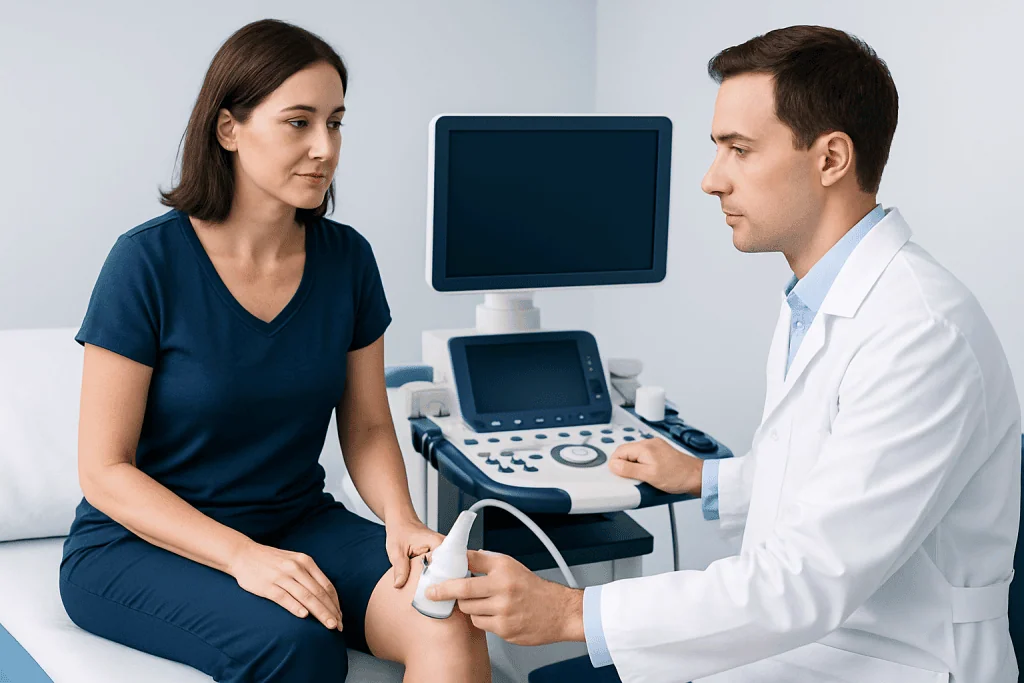
Although joints vary by location and function, many share the same core parts. Bones form the framework, and the ends of the bones inside a synovial joint are covered by a smooth layer of cartilage. Around the joint is a capsule made of tough connective tissue, which helps hold the joint together.
Inside that capsule is a thin membrane called the synovium. The synovium produces synovial fluid, a slippery liquid that lubricates the joint and helps reduce friction during movement. This fluid also helps deliver nutrients to cartilage, which does not have its own blood supply.
Ligaments are strong bands of connective tissue that connect one bone to another. They guide and limit movement so that the joint moves in a stable way rather than shifting too far. Tendons are different: they connect muscle to bone and help create movement when muscles contract.
Important joint structures include:
- Bones: provide the framework of the joint
- Articular cartilage: covers bone ends and cushions movement
- Joint capsule: encloses and supports the joint
- Synovium: lines the capsule and makes synovial fluid
- Synovial fluid: lubricates and nourishes the joint
- Ligaments: stabilize the joint by connecting bone to bone
- Tendons and muscles: move and support the joint
Ligaments: The Joint’s Stabilizers
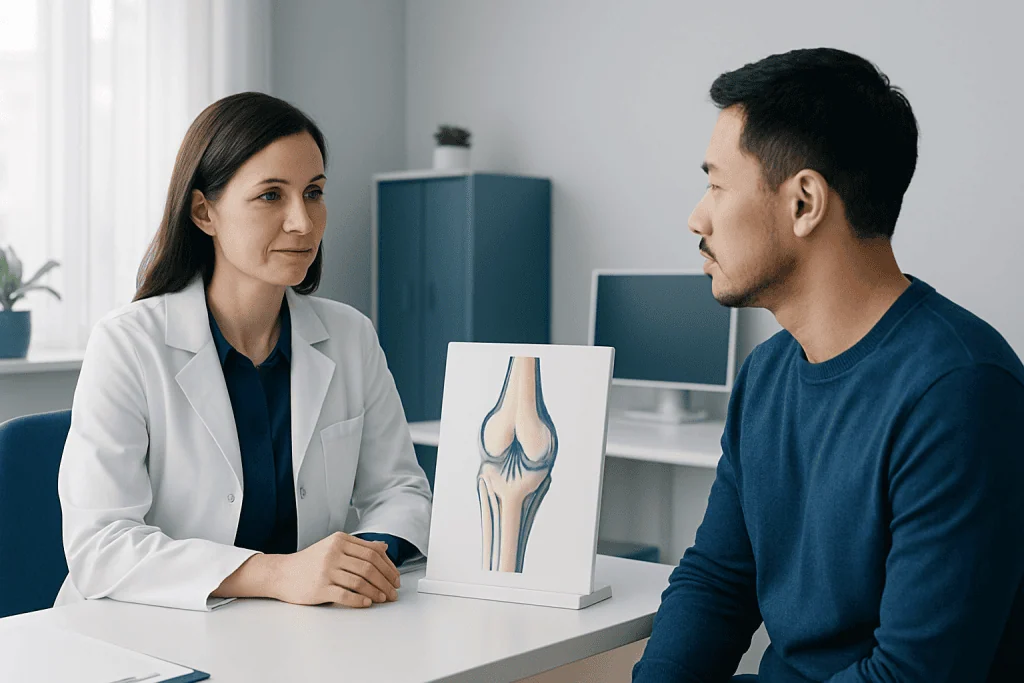
Ligaments are firm, slightly flexible bands of connective tissue that connect bones to each other. Their main role is to stabilize the joint and control how far it can move in certain directions. Without healthy ligaments, joints may become loose, unstable, or more vulnerable to injury.
Each ligament is positioned to support a specific movement pattern. For example, the ligaments in the knee help control forward, backward, and side-to-side motion. In the ankle, ligaments help prevent excessive rolling. In the shoulder, ligaments contribute to stability in a joint that naturally has a large range of motion.
Ligaments can be overstretched or torn, usually during a sudden twist, fall, sports injury, or accident. This type of injury is called a sprain. Symptoms often include pain, swelling, bruising, and a feeling that the joint is weak or unstable. Depending on the severity, treatment may involve rest, bracing, physical therapy, or specialist assessment, especially if there is concern for a significant knee injury such as an ACL tear.
Strong muscles around a joint can help support ligaments, but they cannot fully replace them. That is why rehabilitation after a ligament injury often focuses on both healing and rebuilding strength, balance, and coordination.
Cartilage: Smooth Cushioning for Movement
Cartilage is a smooth, rubbery connective tissue that covers the ends of bones within many joints. Its main purpose is to reduce friction and absorb shock. When a person walks, runs, or jumps, cartilage helps distribute force across the joint so that bone surfaces do not grind directly against each other.
The most relevant type in joint anatomy is articular cartilage. This cartilage is very smooth and durable, which helps joints glide easily. In some joints, there are also specialized cartilage structures. For example, the knee has menisci, which are crescent-shaped pads that improve stability and cushioning.
Unlike many other tissues, cartilage has a limited ability to heal because it does not have a direct blood supply. Minor wear can sometimes be managed with activity changes and strengthening, but larger injuries or long-term degeneration may lead to pain, catching, swelling, or reduced movement. Cartilage damage may occur after trauma or as part of age-related wear.
When cartilage gradually breaks down over time, the result may be osteoarthritis. In this condition, the protective joint surface becomes thinner and rougher, which can lead to stiffness, pain, and difficulty with movement. Early evaluation can help guide treatment and protect function.
Synovial Fluid: Lubrication and Nutrition
Synovial fluid is a thick, slippery liquid found inside synovial joints. It is produced by the synovium, the membrane lining the inside of the joint capsule. A useful way to think about synovial fluid is as the joint’s natural lubricant, helping the surfaces move past each other with minimal friction.
This fluid does more than lubricate. It also helps nourish articular cartilage by carrying oxygen and nutrients to the tissue and helping remove waste products. Because cartilage does not have its own blood vessels, it depends heavily on this process for ongoing health.
In a healthy joint, the amount and consistency of synovial fluid are carefully balanced. During movement, the fluid spreads over the cartilage surface, which supports smooth motion. Regular low-impact activity can help keep joints nourished by encouraging this fluid exchange.
Joint problems can affect synovial fluid as well. Inflammation may increase fluid inside the joint, leading to swelling. Conditions such as rheumatoid arthritis involve inflammation of the joint lining, which can damage cartilage and other structures over time if left untreated.
How Joints Work Together During Movement
Joint movement depends on teamwork between several structures. Bones provide the shape of the joint, cartilage reduces friction, synovial fluid allows smooth gliding, ligaments guide motion, and muscles create force through tendons. If these elements are balanced, movement feels steady and efficient.
Different joints are designed for different types of motion. Hinge joints such as the knee and elbow mainly bend and straighten. Ball-and-socket joints such as the hip and shoulder move in many directions. Pivot, gliding, and saddle joints allow other specialized movements that make precise function possible in the neck, wrist, hand, and foot.
Because joints bear weight and repeat motion throughout life, they can be affected by overuse, injury, inflammation, and age-related changes. A single problem may involve several parts at once. For example, a twisting injury in the knee can affect ligaments, cartilage, and the joint lining together.
When pain or loss of function develops, doctors often assess not only the painful area but also the surrounding muscles, movement pattern, and alignment. In some cases, imaging or specialist care is needed to identify whether symptoms are due to a sprain, a meniscus problem, cartilage damage, or another cause. Treatment may include rehabilitation, medications, injections, or orthopedic procedures such as knee replacement or hip replacement when severe joint damage limits daily life.
Common Joint Problems and How They Are Diagnosed
Joint symptoms can develop suddenly after an injury or gradually over time. Common complaints include pain, swelling, stiffness, clicking, locking, redness, weakness, or the feeling that a joint may give way. Some people notice symptoms mainly during activity, while others feel discomfort after rest or first thing in the morning.
A doctor usually begins with a medical history and physical examination. They may ask when symptoms began, whether there was an injury, which movements trigger pain, and whether swelling or instability is present. During the exam, they may check range of motion, tenderness, strength, and ligament stability.
Imaging tests can help confirm the cause. X-rays are useful for showing bone alignment, fractures, and signs of arthritis. MRI is especially helpful for soft tissues such as ligaments, cartilage, menisci, and the synovium. Ultrasound may also be used in some joints to assess fluid or guide injections.
If symptoms are persistent or severe, treatment is tailored to the underlying problem. Depending on the diagnosis, care may range from rest and physiotherapy to advanced options such as robotic knee replacement surgery or arthroscopy for selected joint conditions. At the end of the care pathway, some international patients choose evaluation at centers such as Acibadem International, where multidisciplinary specialists in JCI-accredited hospitals diagnose and treat joint disorders.
Protecting Joint Health and When to Seek Medical Advice
Healthy lifestyle habits can support joints throughout life. Regular physical activity helps maintain muscle strength, flexibility, balance, and joint nutrition. Low-impact exercise such as walking, cycling, swimming, and guided strengthening can be especially helpful. Maintaining a healthy body weight also reduces excess stress on weight-bearing joints such as the hips, knees, and ankles.
Good movement habits matter as well. Warming up before exercise, using proper technique during sports, wearing suitable footwear, and avoiding sudden overload can lower injury risk. After a joint injury, early assessment and appropriate rehabilitation may help prevent ongoing instability or chronic pain.
People should consider medical advice if joint pain lasts more than a few days, keeps returning, or limits normal activities. Swelling, warmth, redness, severe stiffness, locking, or an inability to bear weight should also be evaluated. Prompt care is particularly important after trauma or when a joint looks deformed.
Ongoing joint symptoms are often manageable, especially when the cause is identified early. A qualified doctor can explain whether the problem involves ligaments, cartilage, synovial inflammation, arthritis, or another condition, and then recommend the safest next steps for treatment and long-term joint protection.
Frequently asked questions
What are the main parts of a joint?
The main parts of a typical synovial joint include bones, articular cartilage, the joint capsule, the synovium, synovial fluid, ligaments, tendons, and surrounding muscles. Each part has a specific role in allowing movement while keeping the joint stable and protected.
What do ligaments do in a joint?
Ligaments connect bone to bone and help control joint movement. They prevent excessive motion and reduce the risk of the joint becoming unstable during activity.
Why is cartilage important?
Cartilage covers the ends of bones and creates a smooth, low-friction surface for movement. It also helps absorb shock, which protects the joint during walking, running, and other daily activities.
What is synovial fluid and why does it matter?
Synovial fluid is the lubricating liquid inside many joints. It reduces friction and helps nourish cartilage, which is important because cartilage does not have its own direct blood supply.
Can damaged cartilage heal on its own?
Cartilage has a limited healing capacity because it lacks a direct blood supply. Small problems may sometimes be managed with exercise and symptom control, but larger injuries or degeneration may need specialist evaluation.
How can someone keep their joints healthy?
Helpful steps include regular exercise, maintaining a healthy weight, strengthening the muscles around the joints, and avoiding repeated strain or poor technique. It is also wise to seek care for injuries early rather than continuing activity through significant pain or swelling.
When should joint pain be checked by a doctor?
A doctor should assess joint pain that is severe, persistent, repeatedly returns, or limits movement. Urgent assessment is important if there is major swelling, redness, fever, inability to bear weight, deformity, or a significant injury.
References
- National Institute of Arthritis and Musculoskeletal and Skin Diseases
- American Academy of Orthopaedic Surgeons
- NHS
- MedlinePlus
- Arthritis Foundation
This article is for general information only and is not a substitute for professional medical advice. Please consult a qualified doctor about your individual situation.
Joint and spine care in Turkey — expert assessment & treatment
JCI-accredited · board-certified surgeons · reply within 24h
Add us as a Preferred Source to see more of our trusted health content across Google Search, AI Overviews and Discover.

More from the Health Library



Related Specialists

Dr. Esra Boyar
Gynecology & Obstetrics
Assoc. Prof. Dr. Rıza Gürhan Işıl
General Surgery
Dr. Neslihan Korkmaz
Pediatrics
Assoc. Prof. Dr. Nuri Peker
Gynecology & Obstetrics