Brain Fog After COVID, Stress, or Poor Sleep: When to Get Checked

Brain fog can feel like forgetfulness, poor concentration, mental fatigue, or slowed thinking. Common triggers include poor sleep, stress, anxiety, depression, infections such as COVID-19, and some medications or medical conditions.
Key Takeaways
- Brain fog can feel like forgetfulness, poor concentration, mental fatigue, or slowed thinking.
- Common triggers include poor sleep, stress, anxiety, depression, infections such as COVID-19, and some medications or medical conditions.
- Short-term brain fog often improves when the underlying cause is addressed.
- Persistent, severe, or sudden cognitive symptoms should be assessed by a doctor.
- Evaluation may include a medical history, physical exam, neurological assessment, and selected blood tests or imaging.
Brain fog is not a medical diagnosis itself, but a common term for problems with attention, memory, mental clarity, or thinking speed. It can happen after COVID-19, during periods of stress, or with poor sleep, and it is worth medical attention when it persists, worsens, or affects daily life.
Overview: What Brain Fog Means
Brain fog is a non-medical term people use to describe a feeling that thinking is not as clear or efficient as usual. A person may feel mentally slowed down, easily distracted, forgetful, or unusually tired when trying to focus. It can affect work, school, household tasks, conversations, and decision-making.
Although the experience is real, brain fog itself is not a single disease. Instead, it is a symptom that can appear with many different situations, including poor sleep, emotional stress, anxiety, depression, infections, hormonal changes, certain medications, and neurological or medical conditions. For some people, it lasts a few days; for others, it can continue for weeks or months.
Brain fog has received more attention since the COVID-19 pandemic because some people notice cognitive symptoms during recovery. This is often described as part of post-COVID or long COVID symptoms. However, brain fog is not unique to COVID-19 and should be considered in the wider context of a person’s sleep, mental health, physical health, and daily routine.
Symptoms and How It Can Feel
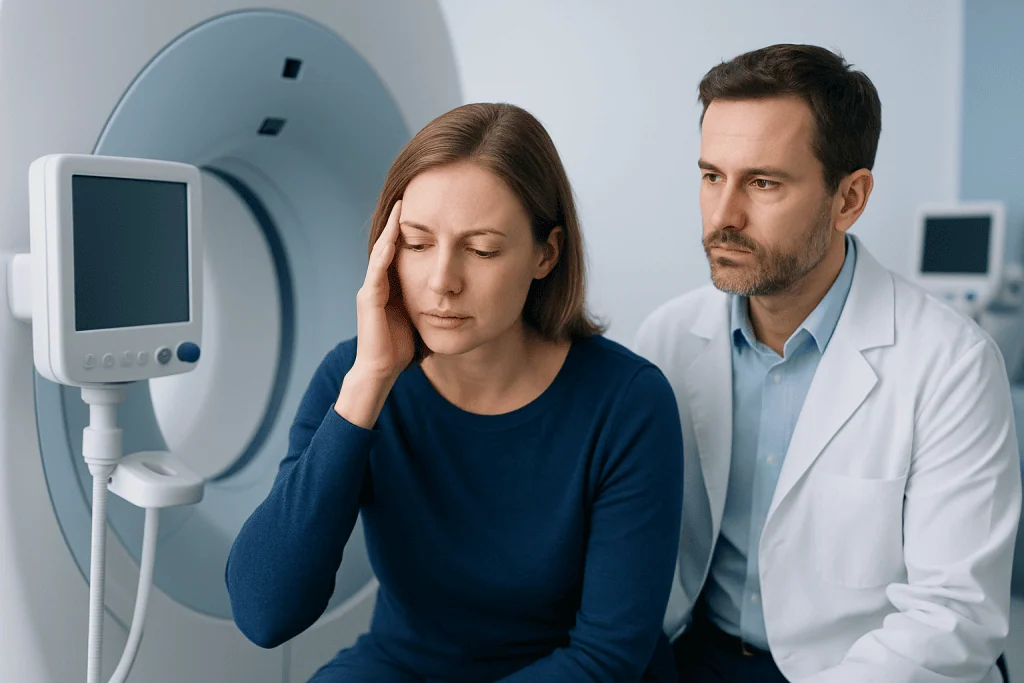
The symptoms of brain fog vary from person to person. Some people mainly notice poor concentration, while others struggle more with memory, word-finding, or mental stamina. Symptoms may come and go during the day and may worsen after stress, lack of sleep, or prolonged mental effort.
Common experiences include difficulty following conversations, forgetting appointments, misplacing items, rereading the same information, or needing more time to complete familiar tasks. A person may also feel mentally overwhelmed by multitasking or have trouble planning and organizing.
- Reduced concentration or attention
- Forgetfulness or short-term memory lapses
- Slower thinking or problem-solving
- Difficulty finding words
- Mental fatigue, especially later in the day
- Feeling detached, unfocused, or not mentally sharp
These symptoms can be frustrating, but they do not always mean a serious neurological disease. Even so, if they are persistent, disruptive, or unusual for the person, a proper evaluation can help identify the cause and guide treatment.
Common Causes: COVID, Stress, and Poor Sleep

One of the best-known recent causes of brain fog is COVID-19. Some people notice trouble with memory, focus, or mental clarity during or after infection, even when the initial illness was mild. In this setting, brain fog may appear alongside fatigue, headaches, dizziness, sleep problems, or reduced exercise tolerance. Not everyone who has COVID-19 develops these symptoms, and recovery can vary widely.
Stress is another very common cause. When the mind is under ongoing emotional pressure, it can become harder to concentrate, remember details, and think clearly. High stress often overlaps with anxiety or low mood, which can further affect attention and memory. In many people, the problem is not a damaged brain but a brain that is overloaded, exhausted, or constantly on alert.
Poor sleep is also strongly linked to brain fog. Sleep helps the brain process information, regulate mood, and restore attention. Too little sleep, irregular sleep schedules, insomnia, and sleep disorders can all lead to daytime mental dullness. Obstructive sleep apnea is one important example, because repeated breathing pauses during sleep may cause unrefreshing rest, daytime sleepiness, headaches, and difficulty thinking clearly.
These triggers can also overlap. For example, a person recovering from COVID-19 may sleep poorly and feel worried about symptoms, which can intensify brain fog. Looking at the full picture is often the key to improvement.
Other Possible Causes and Risk Factors
Brain fog can also be linked to a wide range of medical and lifestyle factors. Dehydration, poor nutrition, alcohol use, inactivity, chronic pain, and some prescription or over-the-counter medicines may contribute. Antihistamines, sedating medications, and drugs that affect sleep or mood are examples that may make thinking feel less sharp in some people.
Medical conditions that sometimes cause cognitive symptoms include thyroid disorders, anemia, vitamin deficiencies, autoimmune diseases, migraine, diabetes, and hormonal changes such as those around menopause. Mood disorders are also important. Anxiety and depression can strongly affect attention, motivation, memory, and processing speed, even when a person does not describe themselves as feeling overtly depressed.
Neurological conditions are less common than sleep or stress-related causes, but they may need to be considered when symptoms are persistent or atypical. Head injury, seizures, multiple sclerosis, stroke, and some neurodegenerative conditions can affect cognition. Rarely, sudden confusion can reflect a medical emergency rather than ordinary brain fog.
Risk tends to be higher when several factors happen together, such as chronic stress plus poor sleep, or infection plus dehydration and inactivity. This is one reason why treatment often works best when it addresses more than one contributing factor at the same time.
How Doctors Evaluate Brain Fog
Evaluation starts with a detailed medical history. A doctor will usually ask when symptoms began, whether they followed COVID-19 or another illness, how sleep has been, what medications are being taken, and whether there are symptoms such as headaches, dizziness, weakness, depression, anxiety, or daytime sleepiness. It is often helpful for the person to describe specific examples from daily life, such as missing steps in a familiar task or forgetting recent conversations.
A physical examination and neurological examination may follow. Depending on the situation, the doctor may check memory, attention, speech, balance, reflexes, and coordination. Basic blood tests are sometimes ordered to look for treatable causes such as anemia, thyroid problems, inflammation, vitamin deficiencies, blood sugar issues, or infection-related changes.
Further testing is not necessary for everyone, but it may be recommended when symptoms are severe, persistent, progressive, or associated with other warning signs. In selected cases, doctors may consider sleep studies, mental health screening, or imaging such as MRI to evaluate the brain structure. Some people may also benefit from formal cognitive testing to better define the areas of difficulty.
The main goal of diagnosis is to identify whether brain fog is part of a temporary, reversible problem or whether it signals a condition that needs more specific treatment. This stepwise approach helps avoid unnecessary tests while making sure important causes are not missed.
Treatment Options and Recovery
Treatment depends on the cause. If brain fog is related to poor sleep, improving sleep habits or treating a sleep disorder may lead to noticeable improvement. If stress, anxiety, or depression plays a major role, support may include counseling, stress management, and treatment guided by a qualified clinician. When the symptoms follow COVID-19, recovery often focuses on pacing activities, gradual rehabilitation, sleep support, and management of associated symptoms such as fatigue or headaches.
For medical causes, treatment is directed at the underlying condition. This may mean correcting a vitamin deficiency, adjusting medications that cause drowsiness, treating thyroid imbalance, or addressing blood sugar problems. A person with migraine, chronic pain, or sleep apnea may also find that clearer thinking returns as those conditions are better controlled.
If a neurological condition is suspected, referral to a specialist may be appropriate. In some situations, doctors may recommend neurology evaluation or rehabilitation strategies that support attention, memory, and daily functioning. For people whose symptoms are linked to mood, a coordinated plan that includes mental health care can be very helpful.
Recovery is often gradual rather than immediate. Many people improve as the underlying triggers are identified and managed. Tracking sleep, stress levels, activity patterns, and symptom changes can help both the patient and doctor see what is helping over time.
Self-Care and Prevention
Simple daily habits can make a meaningful difference, especially when brain fog is linked to sleep loss, stress, or post-viral fatigue. A regular sleep schedule, a calm sleep environment, hydration, balanced meals, and gentle physical activity are all supportive measures. It also helps to avoid pushing through exhaustion, since overexertion can worsen mental fatigue in some people, particularly after COVID-19.
Practical coping tools may reduce frustration while recovery is underway. Using reminders, writing down tasks, keeping a consistent routine, and limiting multitasking can help the brain work more efficiently. Breaking larger tasks into smaller steps often makes work and home responsibilities feel more manageable.
- Keep a regular bedtime and wake time
- Limit alcohol and review medicines with a doctor if drowsiness is a concern
- Take short breaks during mentally demanding tasks
- Use calendars, notes, or phone reminders
- Manage stress with relaxation techniques, therapy, or mindfulness
- Seek assessment for snoring, choking during sleep, or marked daytime sleepiness
Self-care is helpful, but it should not replace medical advice when symptoms are ongoing or concerning. A clinician can determine whether there is a treatable underlying problem that needs attention.
When to Get Checked
It is reasonable to get checked if brain fog lasts more than a few weeks, keeps returning, or interferes with work, study, driving, relationships, or daily tasks. Medical review is also a good idea if symptoms started after COVID-19 and are not gradually improving, or if poor sleep and stress management have not helped. People with a history of neurological disease, head injury, or major medical problems may need earlier assessment.
Urgent medical attention is important if brain fog appears suddenly or comes with red-flag symptoms such as weakness on one side, trouble speaking, severe headache, fainting, seizures, chest pain, high fever, confusion that is rapidly worsening, or major changes in behavior. In these situations, symptoms may point to a condition that needs prompt treatment.
If specialist care is needed, hospitals with multidisciplinary services may coordinate evaluation across neurology, internal medicine, sleep medicine, and mental health. Acibadem International’s multidisciplinary specialists in JCI-accredited hospitals diagnose and treat patients with cognitive complaints, including those related to sleep disorders, post-viral recovery, and neurological conditions.
In some cases, doctors may investigate related concerns such as insomnia or use imaging like brain MRI when clinically appropriate. Getting checked does not always mean something serious is wrong; often it is the most practical step toward understanding symptoms and finding relief.
Frequently asked questions
Is brain fog a medical condition?
Brain fog is a common term for symptoms such as poor concentration, forgetfulness, or mental sluggishness. It is not a diagnosis by itself, so doctors look for the underlying cause.
Can COVID-19 cause brain fog?
Yes. Some people notice trouble with attention, memory, or mental clarity during or after COVID-19. These symptoms can improve over time, but persistent or disruptive problems should be discussed with a doctor.
Can lack of sleep really affect thinking this much?
Yes, poor sleep can strongly affect memory, focus, reaction time, and mood. If someone snores heavily, wakes unrefreshed, or feels very sleepy during the day, a sleep disorder may be contributing.
How do I know if stress is causing my brain fog?
Stress-related brain fog often appears during periods of mental overload and may improve with rest, structure, and stress reduction. However, stress can exist alongside other medical causes, so persistent symptoms still deserve evaluation.
What tests might be done for brain fog?
A doctor may start with a medical history, physical and neurological examination, and blood tests to look for common treatable causes. Depending on the situation, further testing may include sleep assessment, mental health screening, cognitive testing, or imaging.
When is brain fog an emergency?
Emergency care is important if symptoms begin suddenly or are accompanied by warning signs such as weakness, trouble speaking, seizure, fainting, severe headache, or rapidly worsening confusion. These features may suggest a condition that needs urgent treatment.
References
- World Health Organization
- U.S. Centers for Disease Control and Prevention
- National Institute of Neurological Disorders and Stroke
- National Health Service
- American Academy of Sleep Medicine
This article is for general information only and is not a substitute for professional medical advice. Please consult a qualified doctor about your individual situation.
Explore treatments in Turkey — costs, top hospitals & a free quote
JCI-accredited · board-certified surgeons · reply within 24h
Add us as a Preferred Source to see more of our trusted health content across Google Search, AI Overviews and Discover.