Cancer Treatment Success Rates: What They Mean for Patients
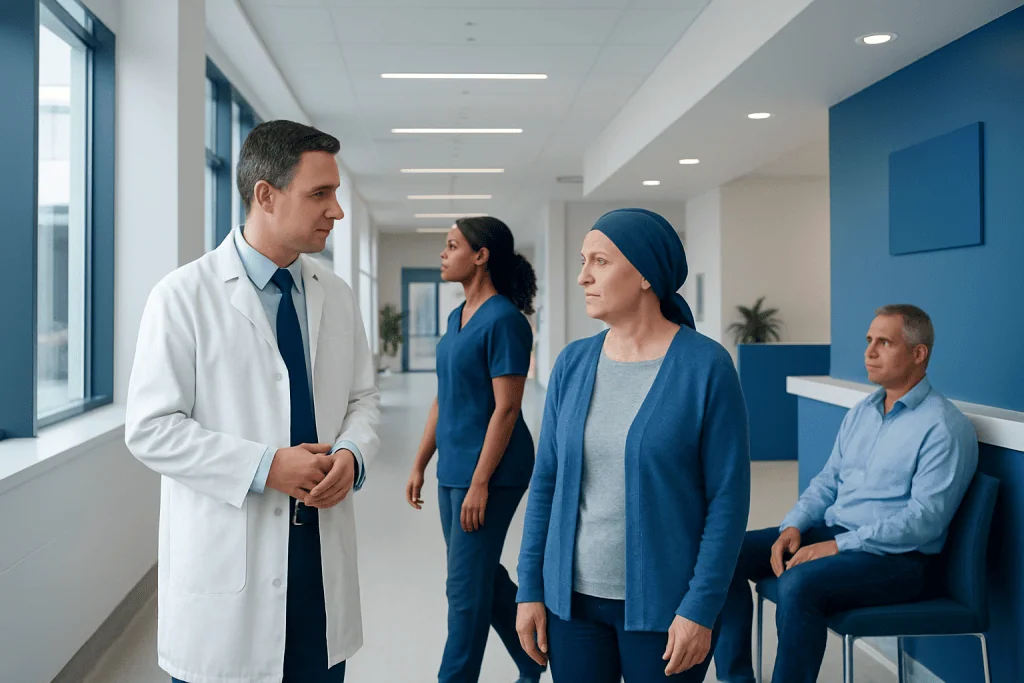
Success rates describe groups of patients, not a single person’s future. Different measures, such as survival, remission, recurrence, and response rates, mean different things.
Key Takeaways
- Success rates describe groups of patients, not a single person’s future.
- Different measures, such as survival, remission, recurrence, and response rates, mean different things.
- A person’s outlook depends on many factors, including cancer type, stage, biology, overall health, and treatment options.
- Newer treatments may improve outcomes faster than older statistics can show.
- The most useful interpretation of cancer statistics comes from a qualified oncology team.
Cancer treatment success rates can help patients understand how a cancer has responded to treatment in groups of people, but they are not a prediction for any one individual. Knowing what these numbers mean can make conversations with the care team clearer and more reassuring.
Overview: What Cancer Treatment Success Rates Mean
Cancer treatment success rates are ways of describing how people with a certain cancer have done after diagnosis or treatment. These numbers may refer to survival over a set period, how often a tumor shrinks, how many people go into remission, or how often cancer returns after treatment. They are designed to help patients and doctors discuss expectations, compare treatments, and plan care.
It is important to remember that these rates are based on groups of patients, often treated over several years. They cannot tell exactly what will happen to one individual person. Each patient’s situation is shaped by factors such as the type of cancer, its stage, the tumor’s genetic features, age, other medical conditions, and how well treatment works for that person.
For many people, hearing statistics can feel overwhelming. A helpful way to view them is as background information rather than a personal forecast. They can guide questions and decision-making, but they are only one part of the bigger picture.
Common Terms Patients May Hear
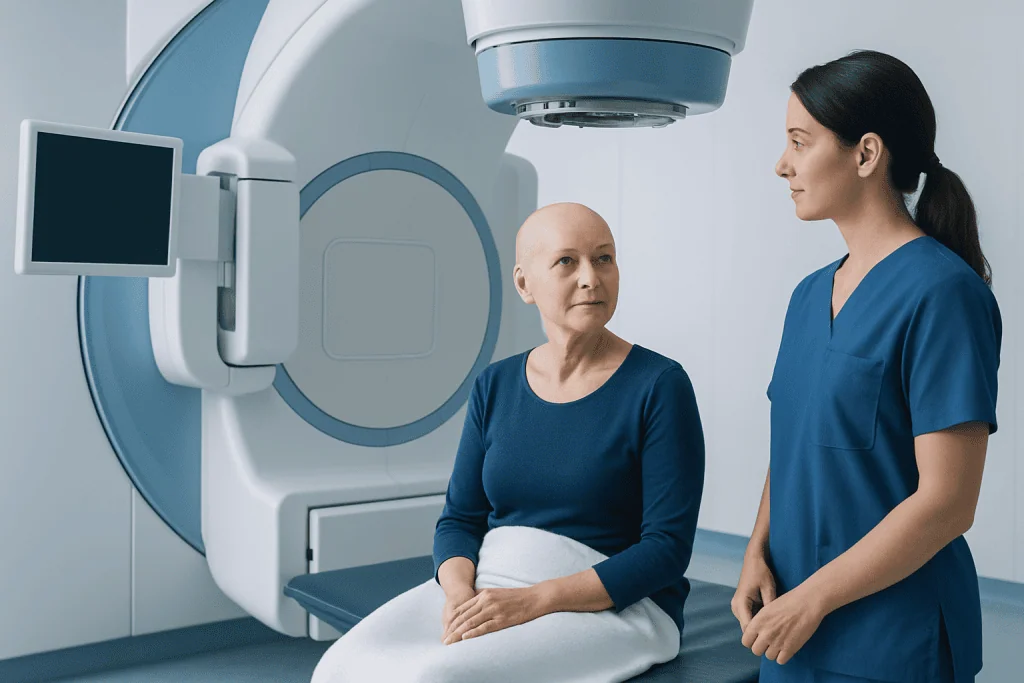
Several different terms are used when discussing cancer treatment success rates, and they are not interchangeable. Understanding the differences can make medical conversations much easier. A doctor may explain one or more of the following measures depending on the cancer type and treatment plan.
Overall survival describes the percentage of people who are alive after a certain amount of time, such as five years after diagnosis or treatment. Progression-free survival refers to the length of time during and after treatment that the cancer does not worsen. Disease-free survival is often used after treatment intended to remove or destroy all detectable cancer and measures how long a person remains without signs of the disease.
Response rate describes how many patients have a tumor that shrinks or disappears after treatment. Remission means the signs and symptoms of cancer have reduced or are no longer detectable, but it does not always mean the cancer is permanently cured. Recurrence rate refers to how often cancer comes back after a period of improvement.
- Localized cancer: cancer limited to its place of origin, often with better outcomes.
- Regional cancer: cancer that has spread to nearby tissues or lymph nodes.
- Metastatic or advanced cancer: cancer that has spread to distant parts of the body.
- Prognosis: the expected course of a disease based on available information.
Why Success Rates Vary from Person to Person
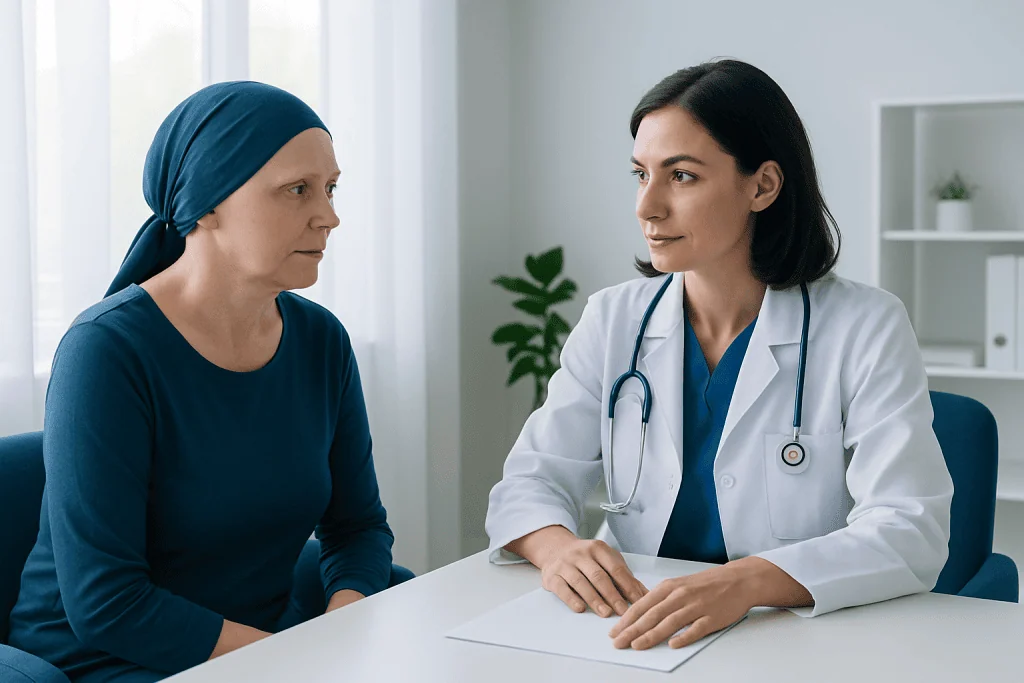
No single statistic can capture the complexity of cancer. Outcomes vary widely because cancer is not one disease. Even within the same organ, cancers can behave very differently. For example, two people with breast, lung, or colon cancer may have different tumor subtypes, genetic changes, or hormone receptor patterns, which can affect treatment choices and results.
Stage at diagnosis is one of the most important factors. In general, cancers found early are more likely to be treated successfully than cancers diagnosed after they have spread. Tumor grade, molecular markers, and whether surgery can remove all visible disease may also influence outcomes. In some cancers, targeted therapies and immunotherapies have changed the outlook for selected patients.
Personal health matters too. Age alone does not determine success, but overall fitness, nutrition, heart and lung function, and other conditions can affect which treatments are safe and how well the body recovers. Access to timely diagnosis, specialist care, and regular follow-up also plays a role in the real-world results people experience.
Because of this, a doctor may talk about an individual prognosis rather than relying only on general statistics. This personalized approach is especially important in modern medical oncology, where treatment plans are increasingly tailored to the patient and the biology of the cancer.
How Doctors Use Statistics in Diagnosis and Care Planning
Success rates are only one tool in cancer care. Doctors combine statistics with imaging, pathology reports, blood tests, staging, and the patient’s goals to build a treatment plan. A diagnosis often becomes more precise after biopsy and further testing, which can reveal how aggressive the cancer is and whether certain therapies are likely to help.
These discussions may happen during a multidisciplinary review involving surgeons, medical oncologists, radiation oncologists, radiologists, and pathologists. This team approach can be especially helpful in deciding whether treatment should begin with surgery, medicines, radiation, or a combination. In many cases, accurate staging through PET-CT or other imaging studies helps doctors estimate likely outcomes more clearly.
Patients may also hear that statistics are based on older data. This matters because cancer treatment is changing quickly. New drugs, improved supportive care, better surgical techniques, and more precise radiation oncology can improve results beyond what older published numbers suggest. For this reason, the most relevant information often comes from a specialist who understands both current evidence and the individual patient’s case.
Limits of Cancer Survival Rates and Online Statistics
Online cancer statistics can be useful, but they can also be misleading if taken out of context. Many figures come from large registries and reflect outcomes from patients treated years earlier. They may not include the latest therapies or the newest ways of classifying tumors. They also may not fully reflect differences in healthcare systems, access to treatment, or individual patient characteristics.
Another limitation is that broad numbers often combine many patients with different stages and tumor features. A general five-year survival rate for a cancer type may look low or high, but it may not apply to an early-stage cancer, a rare subtype, or a patient with a specific mutation that opens the door to more effective treatment. That is why a personal conversation with an oncology team is more meaningful than a general internet search.
It is also important to know that survival rates do not measure quality of life, symptom relief, or treatment goals that matter deeply to patients. For some people, successful treatment means cure. For others, it may mean controlling the cancer for a long time, easing symptoms, or preserving daily function and independence. These are all valid and important outcomes.
Treatment Options and How They Relate to Outcomes
Treatment success depends partly on choosing the right option for the specific cancer. Common treatments include surgery, chemotherapy, radiation therapy, immunotherapy, targeted therapy, hormone therapy, stem cell transplantation, and supportive or palliative care. Many patients receive more than one treatment, either at the same time or in sequence.
For some cancers, surgery offers the best chance of long-term control when the disease is confined to one area. In other situations, systemic treatments are essential because cancer cells may be present beyond the original tumor. Advanced testing can help identify whether a person may benefit from precision approaches, such as drugs aimed at a particular molecular target.
Treatment goals may also differ depending on the stage. In early disease, the aim is often cure. In advanced disease, treatment may still be very effective, but the goals may focus on shrinking the cancer, slowing progression, reducing symptoms, and extending life with good quality. Patients with complex cases may also be assessed for surgical oncology when an operation is part of the best overall strategy.
Specialized centers, including Acibadem International, offer diagnosis and treatment for international patients through multidisciplinary specialists and JCI-accredited hospitals. A coordinated review can help patients understand how available treatment options relate to their expected outcomes.
What Patients Can Do: Self-Care, Questions, and Support
Patients cannot control every aspect of cancer, but they can take practical steps that support treatment and recovery. Keeping appointments, following the agreed treatment plan, reporting side effects early, and attending follow-up visits can all make a meaningful difference. Good nutrition, staying as physically active as the doctor advises, sleeping well, and avoiding tobacco also support overall health during treatment.
It can help to prepare questions before oncology visits. Patients may wish to ask what the reported success rate actually measures, whether the numbers apply to their stage and subtype, what the treatment goal is, and how response will be monitored. Asking whether newer therapies or clinical trials are relevant can also be valuable in some cases.
Emotional support is another important part of care. Learning about prognosis can bring uncertainty, fear, or confusion. Speaking with counselors, support groups, family members, or patient navigators may help patients process information and make decisions with more confidence. Reliable information is empowering when it is paired with compassionate clinical guidance.
When to Speak with a Doctor About Prognosis
Patients should feel comfortable asking about prognosis at any point in their care, whether at diagnosis, before starting a new treatment, or after test results. Some people want detailed numbers, while others prefer a broader explanation. Both approaches are reasonable, and the care team can adapt the discussion to the patient’s preferences.
It is especially important to speak with a doctor if symptoms change, side effects become difficult, scans show progression, or there is uncertainty about the next step. A doctor can explain whether the cancer is responding as expected and whether the treatment plan should be adjusted. These conversations are part of good cancer care and can help patients feel more informed and supported.
Seeking a second opinion may also be helpful when diagnosis is complex, treatment decisions are difficult, or patients want reassurance that all options have been considered. A second opinion does not usually delay care in a harmful way when arranged promptly, and it can provide clarity and confidence for patients and families.
Frequently asked questions
Do cancer treatment success rates predict what will happen to one person?
No. Cancer treatment success rates describe what has happened in groups of patients, not exactly what will happen to one individual. A person’s outcome depends on many factors, including the cancer type, stage, biology, overall health, and response to treatment.
Is a five-year survival rate the same as a cure rate?
Not necessarily. A five-year survival rate means the percentage of people who are alive five years after diagnosis or treatment, but it does not always mean the cancer is gone forever. Some cancers can return later, while others may remain controlled for a long time.
Why might my doctor’s outlook differ from statistics I found online?
Online statistics are often based on older data and broad patient groups. Your doctor uses more specific information, such as stage, pathology, genetic test results, and current treatment options, to give a more personalized view. This tailored assessment is usually more relevant than general internet figures.
Can newer cancer treatments improve outcomes beyond published success rates?
Yes, in some cases. Advances in surgery, imaging, supportive care, targeted therapy, immunotherapy, and radiation techniques may improve outcomes faster than older statistics can reflect. That is why up-to-date guidance from an oncology specialist is important.
What questions should patients ask about cancer treatment success rates?
Helpful questions include what the statistic measures, whether it applies to your cancer stage and subtype, what the treatment goal is, and how success will be monitored. Patients can also ask about side effects, quality of life, and whether newer therapies or second opinions should be considered.
Does a lower success rate mean treatment is not worthwhile?
No. Even when cure is unlikely, treatment may still shrink the cancer, slow its growth, relieve symptoms, and improve quality of life. The value of treatment depends on the individual patient’s goals, health status, and available options.
References
- World Health Organization
- National Cancer Institute
- American Cancer Society
- European Society for Medical Oncology
- National Comprehensive Cancer Network
This article is for general information only and is not a substitute for professional medical advice. Please consult a qualified doctor about your individual situation.
Oncology care in Turkey — second opinion and treatment plan
JCI-accredited · board-certified surgeons · reply within 24h
Add us as a Preferred Source to see more of our trusted health content across Google Search, AI Overviews and Discover.