Separation Anxiety in Children: What Is Normal and When to Seek Help
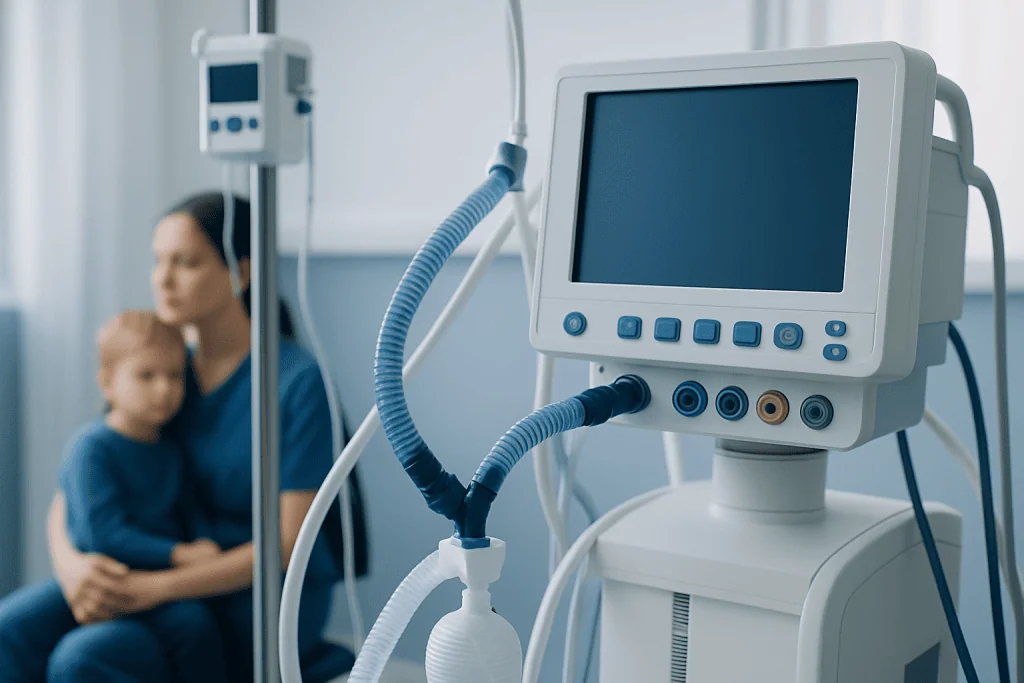
Mild separation anxiety is a normal part of child development. It usually improves as children gain confidence and predictability in daily routines.
Key Takeaways
- Mild separation anxiety is a normal part of child development.
- It usually improves as children gain confidence and predictability in daily routines.
- Concern increases when distress is extreme, persistent, or affects school, sleep, or family life.
- Supportive routines, calm goodbyes, and gradual practice can help many children cope.
- A pediatrician or mental health professional can assess for separation anxiety disorder when symptoms are severe.
Separation anxiety in children is common, especially in infancy and the preschool years, and it often reflects healthy attachment. It may need attention when fear is intense, lasts longer than expected, or interferes with school, sleep, family routines, or a child’s development.
Overview
Separation anxiety in children means distress when a child is away from a parent, caregiver, or another person they feel strongly attached to. In many cases, this is a normal developmental stage. Babies and toddlers commonly protest when a parent leaves the room, and preschool children may become clingy during new experiences such as starting nursery or meeting unfamiliar adults.
This reaction often shows that the child has formed a healthy bond with a caregiver. As children grow, they usually learn that separations are temporary and safe. With time, routine, and reassurance, many children become more comfortable staying with trusted relatives, going to school, or sleeping in their own room.
The main question is not whether a child ever feels upset about separation, but whether the fear is stronger or lasts longer than expected for their age. When anxiety is very intense, continues for weeks or months, or disrupts learning, sleep, friendships, or family activities, it may point to separation anxiety disorder rather than a typical phase.
What Is Normal at Different Ages?
Normal separation anxiety often begins around the second half of the first year of life, when babies become more aware of familiar caregivers and unfamiliar people. It is especially common between about 9 months and 3 years. During this time, crying at daycare drop-off, wanting to be held by a parent, or protesting bedtime can all be expected behaviors.
In preschool and early school years, children may still prefer a parent nearby during times of change, illness, tiredness, or stress. Starting a new school term, moving home, travel, family conflict, or the arrival of a new sibling can temporarily increase clinginess even in a child who was previously independent.
What is usually considered normal is distress that settles with comfort, improves over time, and does not stop the child from participating in age-appropriate activities. A child may cry at drop-off but calm down soon after. A child may ask for reassurance at bedtime but still sleep adequately most nights. The pattern should gradually move toward more confidence, not less.
By contrast, concern grows when fear remains intense well beyond the typical stage, becomes more disabling, or appears suddenly without improving. Older children may develop strong worries about a parent’s safety, refuse school, or have repeated physical complaints linked to separation. These patterns may overlap with broader anxiety disorders and deserve closer assessment.
Symptoms and Signs That May Need Attention
Children with troublesome separation anxiety may show both emotional and physical symptoms. They may cry, cling, have tantrums, panic at the thought of separation, or repeatedly ask where a parent is going and when they will return. Some children shadow a caregiver around the house, avoid being alone even briefly, or refuse sleepovers, camp, or school trips far beyond what would be expected for their age.
Physical symptoms are also common. A child may complain of stomachaches, nausea, headaches, dizziness, or feeling unwell before school or before a caregiver leaves. These symptoms are real and distressing, even when they are driven by anxiety rather than another illness. They often improve once the child is allowed to stay home or remain with the caregiver.
Other signs can include nightmares about harm coming to a parent, fear of kidnapping, accidents, or illness, and difficulty sleeping alone. Some children insist on constant contact by phone or message. Others become irritable, withdrawn, or tearful and may have trouble concentrating in class.
- Extreme distress during separation that does not settle with routine reassurance
- Repeated school refusal or frequent absences
- Persistent physical complaints tied to separation situations
- Sleep problems, especially refusal to sleep alone
- Ongoing fears that a caregiver will be harmed or not return
- Reduced participation in normal social or age-appropriate activities
Causes and Risk Factors
Separation anxiety does not have one single cause. It usually develops through a combination of temperament, development, life experiences, and family context. Some children are naturally more cautious, sensitive, or slow to warm up in new situations. These traits do not mean something is wrong, but they can make separation more difficult.
Stressful life events may also trigger or worsen symptoms. Examples include a move, changing schools, bullying, parental separation, illness in the family, a frightening event, or the loss of a loved one. Even positive changes, such as a new sibling or a long holiday, can disrupt routines and increase a child’s need for closeness and predictability.
Family factors may play a role as well. Children may become more anxious if parents are under significant stress, if family routines are unpredictable, or if a caregiver is understandably very worried about the child. Anxiety can sometimes run in families, which may reflect both genetic and learned influences. In some cases, separation anxiety appears alongside other concerns such as obsessive-compulsive disorder or mood difficulties, though only a qualified clinician can make that distinction.
Importantly, separation anxiety is not caused by “bad parenting,” and children are not being deliberately difficult. Their fears feel real to them. Understanding this can help families respond with empathy while still setting calm, consistent limits.
How Doctors Diagnose Separation Anxiety
Diagnosis begins with a careful conversation about the child’s behavior, daily routine, school attendance, sleep, physical symptoms, and recent life events. A pediatrician, child psychiatrist, child psychologist, or other qualified mental health professional may ask when the symptoms started, what makes them better or worse, and how much they affect home and school life.
The goal is to understand whether the child’s fears are developmentally expected or whether they meet criteria for separation anxiety disorder. In general, clinicians look at the intensity of fear, how long it has lasted, and whether it clearly interferes with functioning. They also consider the child’s age, since behavior that is typical in a toddler may be concerning in an older child.
A medical review may be needed if a child has frequent headaches, stomachaches, poor sleep, appetite changes, or other symptoms, to rule out physical causes. This does not mean the symptoms are imaginary; rather, it helps create a complete picture. A school report can also be helpful, since teachers may notice patterns such as distress at drop-off, avoidance, or trouble concentrating.
Sometimes a child is referred for a fuller evaluation of emotional or developmental needs. If sleep problems are prominent, families may also benefit from advice used in broader pediatric check-up and child health assessments to make sure no other issue is contributing.
Treatment Options and Support
Treatment depends on the child’s age, symptom severity, and the impact on daily life. For mild to moderate symptoms, the first step is often parent guidance and practical strategies to build confidence. Children usually do best when adults respond calmly, keep routines predictable, and avoid long, emotional goodbyes. The aim is to support the child without reinforcing the idea that separation is dangerous.
Psychological therapy is often very helpful when anxiety is persistent or disruptive. Cognitive behavioral therapy, adapted for children, is commonly used to help them understand anxiety, challenge fearful thoughts, and gradually practice tolerating separation in manageable steps. Parents are usually included so they can learn how to encourage brave behavior and reduce patterns that unintentionally maintain fear.
In some cases, family therapy or school-based support may be recommended. Teachers and school counselors can help create consistent drop-off routines and gradual return plans if attendance has become a problem. If a child has significant physical symptoms, panic, or complex emotional needs, a multidisciplinary approach may be useful.
Medication is not the first option for most children, but it may be considered in selected cases when anxiety is severe, persistent, or occurs alongside other conditions. Any decision about medication should be made with an experienced clinician after a full assessment. Where broader emotional evaluation is needed, referral pathways may involve child and adolescent psychiatry or supportive care from psychology services.
What Parents Can Do at Home
Home support can make a meaningful difference. Children generally cope better when they know what to expect. Regular wake times, meals, school routines, and bedtimes can reduce anxiety by making the day feel predictable. Preparing a child in advance for separations, such as who will collect them and when, can also help.
Short, confident goodbyes are usually better than repeated reassurance or returning several times after leaving. Parents can acknowledge feelings while staying steady: for example, saying that it is hard to say goodbye but the child is safe and the parent will return after school. Praise should focus on effort and brave steps, even if the child still feels nervous.
Gradual practice is often effective. A child might start with very brief separations with a trusted adult, then slowly build up to longer periods. Comfort objects, visual schedules, and practice routines can be helpful, especially for younger children. At the same time, it is wise to avoid letting anxiety completely decide the family’s plans whenever possible, because repeated avoidance can strengthen fear.
- Keep drop-offs calm, brief, and consistent
- Use predictable daily and bedtime routines
- Prepare children for changes in advance when possible
- Encourage small, manageable steps toward independence
- Praise coping and bravery rather than promising that nothing bad will ever happen
- Limit repeated checking and excessive reassurance
When to Seek Professional Help
It is sensible to seek help if a child’s fear of separation is intense, lasts more than a few weeks without improvement, or begins to interfere with normal life. Examples include repeated school refusal, inability to sleep alone, major disruption to family routines, frequent physical complaints, or severe distress before any separation. Professional advice can also help if parents feel stuck or are finding it hard to respond consistently.
Urgent assessment is appropriate if a child’s anxiety appears suddenly after trauma, if there are signs of depression, if the child talks about self-harm, or if weight, sleep, or physical health are being affected. A pediatrician can help decide whether symptoms are mainly developmental, medical, emotional, or a combination.
Early support often prevents a stressful pattern from becoming more entrenched. Many children improve with simple strategies, and others benefit from structured therapy. Families who need specialist evaluation may be reassured that Acibadem International’s multidisciplinary specialists and JCI-accredited hospitals diagnose and treat emotional and behavioral conditions in children and adolescents, including through services such as child and adolescent psychiatry.
Frequently asked questions
At what age is separation anxiety in children considered normal?
Separation anxiety is often normal in babies, toddlers, and many preschool children. It commonly appears in late infancy and gradually improves as children develop trust, routine, and independence. Some temporary clinginess can also happen later during stressful changes.
How do parents know if separation anxiety is becoming a disorder?
Concern increases when the fear is unusually intense for the child’s age, lasts for weeks or months, and clearly disrupts school, sleep, friendships, or family life. School refusal, panic during separation, repeated physical complaints, and constant fears about a caregiver’s safety are common warning signs. A qualified clinician can assess whether the pattern fits separation anxiety disorder.
Can separation anxiety cause stomachaches or headaches?
Yes. Anxiety in children often shows up through physical symptoms such as stomachaches, nausea, headaches, or feeling unwell, especially before school or a separation. These symptoms are real and deserve attention, even when they are linked to emotional distress.
Should parents stay longer at drop-off if a child is very upset?
In many cases, long or repeated goodbyes can make separation harder. A calm, brief, predictable routine is usually more helpful than returning several times. If the child’s distress is severe or not improving, guidance from a pediatrician or therapist can help tailor the approach.
What treatments help separation anxiety in children?
Many children improve with parent coaching, consistent routines, and gradual practice with short separations. If symptoms are persistent or disruptive, child-focused therapy, especially cognitive behavioral therapy, is often effective. Some children also benefit from school support or family-based interventions.
Can a stressful event trigger separation anxiety in an older child?
Yes. Changes such as moving, bullying, illness in the family, parental separation, or a frightening experience can increase separation fears, even in children who were previously confident. When symptoms are strong or persistent, a professional evaluation can help identify the best support.
References
- American Academy of Pediatrics
- National Institute of Mental Health
- American Psychiatric Association
- Centers for Disease Control and Prevention
- World Health Organization
This article is for general information only and is not a substitute for professional medical advice. Please consult a qualified doctor about your individual situation.
Explore treatments in Turkey — costs, top hospitals & a free quote
JCI-accredited · board-certified surgeons · reply within 24h
Add us as a Preferred Source to see more of our trusted health content across Google Search, AI Overviews and Discover.