Sleep Problems in Children: Common Causes and When to See a Doctor
Sleep difficulties in children can range from bedtime resistance to snoring, night waking, and daytime tiredness. Common causes include inconsistent routines, stress, illness, medications, and sleep disorders such as sleep apnea.
Key Takeaways
- Sleep difficulties in children can range from bedtime resistance to snoring, night waking, and daytime tiredness.
- Common causes include inconsistent routines, stress, illness, medications, and sleep disorders such as sleep apnea.
- A child’s age, sleep schedule, and daytime behavior help guide diagnosis and treatment.
- Healthy sleep habits often help, but ongoing symptoms should be discussed with a doctor.
- Urgent medical advice is important if a child has breathing pauses, severe daytime sleepiness, or sudden changes in behavior.
Sleep problems in children are common and can affect mood, learning, behavior, and overall health. Many cases improve with healthy sleep habits, but persistent or severe symptoms may need medical evaluation.
Overview of Sleep Problems in Children
Sleep problems in children are very common at different ages. Some children struggle to fall asleep, while others wake often during the night, rise too early, snore, or seem tired during the day even after spending enough time in bed. Sleep can also be disrupted by nightmares, bedtime fears, changing schedules, or medical conditions.
Good sleep supports growth, learning, mood regulation, immune health, and attention. When sleep is poor, a child may become irritable, hyperactive, emotional, or have trouble concentrating at school. In younger children, sleep problems may show up as frequent tantrums, clinginess, or difficulty following routines rather than obvious sleepiness.
Not every sleep challenge means there is a serious disorder. Developmental changes, teething, illness, school stress, and travel can all temporarily disturb sleep. However, ongoing symptoms deserve attention because they can affect the child and the whole family.
Understanding the pattern is the first step. When the problem started, how often it happens, whether the child snores, and how they function during the day can all help identify whether the issue is behavioral, environmental, or medical.
Common Symptoms and Signs
Sleep problems do not look the same in every child. Some children resist bedtime and need a long time to settle. Others wake repeatedly, ask for a parent, move into another bed, or wake too early and cannot return to sleep. Teenagers may have difficulty falling asleep at a suitable time and struggle to wake for school.
Nighttime symptoms can include snoring, noisy breathing, mouth breathing, sweating, restless sleep, nightmares, sleepwalking, bedwetting, or periods of seeming frightened and confused after falling asleep. In some cases, parents may notice pauses in breathing or gasping, which can point to a sleep-related breathing problem.
Daytime signs are also important. A child may seem sleepy, but children can also respond to poor sleep by becoming more active, impulsive, or irritable. Other clues include headaches in the morning, problems with attention, poor school performance, mood changes, or frequent napping outside the usual age range.
- Difficulty falling asleep
- Frequent night waking
- Snoring or breathing pauses
- Nightmares or night terrors
- Sleepwalking or unusual movements during sleep
- Daytime tiredness, hyperactivity, or behavior changes
Common Causes and Risk Factors
Many sleep problems in children are related to habits and routines. Irregular bedtimes, too much screen use in the evening, stimulating activities before bed, caffeine, and inconsistent responses to night waking can all interfere with healthy sleep. Big life changes, school pressure, anxiety, and separation concerns can also make it harder for a child to settle and stay asleep.
Physical health can play an important role. Colds, allergies, asthma, reflux, eczema, pain, and fever may interrupt sleep. Some children sleep poorly because of enlarged tonsils or adenoids, which can narrow the airway and contribute to snoring or sleep apnea. Restless legs symptoms, iron deficiency, and some medications may also affect sleep.
Age matters as well. Babies and toddlers may wake because of feeding patterns, developmental milestones, or self-soothing difficulties. School-age children may develop bedtime fears or parasomnias such as sleepwalking. Adolescents often experience a natural shift in body clock that makes them sleepy later at night, especially when combined with heavy homework, social media, or early school start times.
Certain children have a higher risk of ongoing sleep difficulties, including those with neurodevelopmental conditions, anxiety, obesity, chronic medical problems, or a family history of sleep disorders. When symptoms are persistent, a broader medical assessment may be helpful.
How Doctors Diagnose Sleep Problems
Diagnosis usually starts with a careful history. A doctor will ask about bedtime, wake time, night waking, snoring, breathing patterns, naps, school performance, and behavior during the day. Parents may be asked to keep a sleep diary for one to two weeks to show patterns more clearly.
A physical examination can help identify possible medical causes. The doctor may look at the nose, throat, tonsils, growth pattern, weight, breathing, skin, and signs of chronic illness. Questions about stress, mental health, family routines, and medication use are also important because sleep often reflects more than one factor.
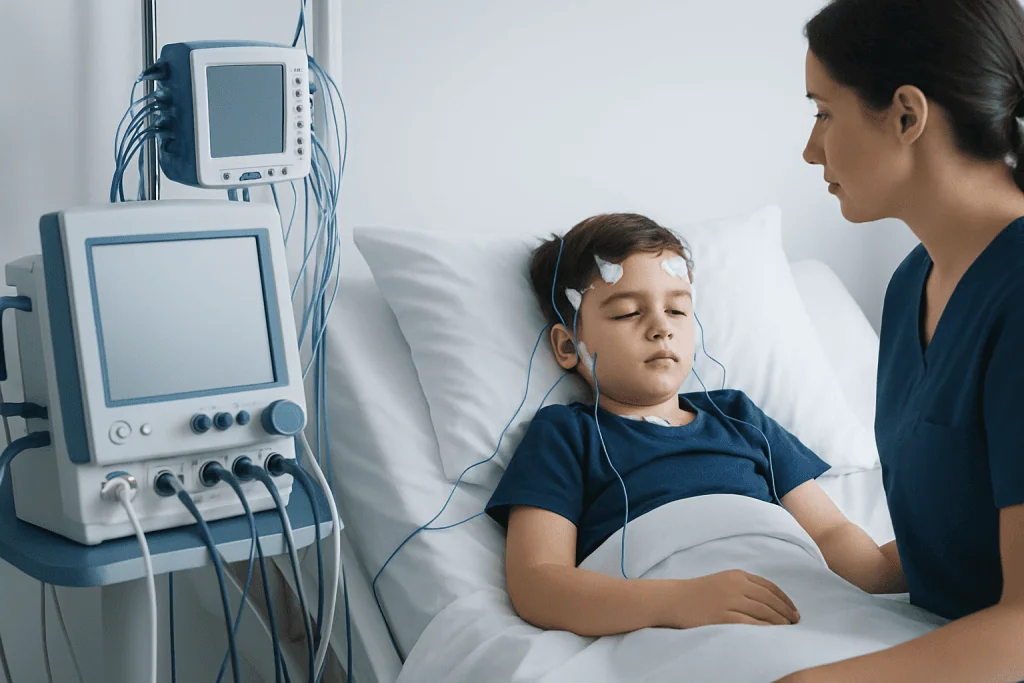
Some children need further testing. If a doctor suspects sleep apnea or another sleep-related breathing disorder, a formal sleep study may be recommended. If allergies, asthma, reflux, iron deficiency, or neurological issues are suspected, additional evaluation may be arranged. The aim is to match testing to the child’s symptoms rather than using many tests routinely.
Referral may involve a pediatrician, sleep specialist, ear, nose, and throat doctor, psychologist, or neurologist depending on the likely cause. In complex cases, the child may benefit from assessment for related concerns such as tonsil problems or behavioral sleep issues.
Treatment Options for Children’s Sleep Problems
Treatment depends on the cause. For many children, the most effective first step is improving sleep habits and bedtime routines. This may include setting a regular bedtime and wake time, reducing screen exposure before bed, creating a calm sleep environment, and helping the child learn to fall asleep independently. Parents may receive guidance on how to respond consistently to night waking and bedtime resistance.
If anxiety, stress, or emotional difficulties are contributing, supportive conversations, predictable routines, and behavioral strategies can help. Some children benefit from working with a pediatric psychologist or sleep specialist to address fears, insomnia, or learned sleep associations. Treatment is usually gradual and tailored to the child’s age and family situation.
Medical conditions should be treated directly. Managing allergies, asthma, eczema, reflux, or pain can improve sleep significantly. If enlarged tonsils or adenoids are causing airway obstruction, an ENT specialist may discuss options such as tonsil and adenoid surgery. If doctors suspect significant upper airway narrowing, they may also use ENT evaluation as part of the assessment.
Medication is not the first choice for most routine childhood sleep problems, and it should only be used under medical supervision. When a specific disorder is identified, treatment is more targeted. For example, a child with breathing-related sleep disruption may need a sleep study before a final treatment plan is made.
Prevention and Self-Care at Home
Healthy sleep habits can prevent many common sleep problems. A consistent daily schedule is one of the most helpful tools. Children usually sleep better when bedtime and wake time stay similar on weekdays and weekends. A short, calming bedtime routine helps the brain connect certain activities, such as bathing, reading, and dim lights, with sleep.
The sleep environment matters too. Bedrooms should be quiet, dark, comfortably cool, and mainly used for sleep. Screens, bright lights, and stimulating games close to bedtime can delay sleep. Caffeine in soft drinks, energy drinks, chocolate, or tea may also interfere with sleep in some children.
Parents can support good sleep by encouraging regular physical activity during the day, balanced meals, and enough daylight exposure, especially in the morning. It also helps to avoid very late naps in younger children and to keep bedtime interactions calm and predictable. If a child wakes at night, a brief and reassuring response is often more helpful than long periods of stimulation.
Families should remember that improvement may take time. Sleep habits are learned gradually, and consistency is often more effective than frequent changes. If home strategies are not helping after a reasonable trial, a doctor can look for an underlying cause and advise next steps.
When to See a Doctor
Parents should consider medical advice if sleep problems are frequent, last more than a few weeks, or interfere with daytime functioning, behavior, learning, or family life. It is also sensible to seek help if a child’s sleep pattern changes suddenly without a clear reason, or if sleep difficulties are affecting growth, mood, or school attendance.
Certain symptoms need prompt assessment. These include loud regular snoring, pauses in breathing, choking or gasping during sleep, unusual nighttime movements, severe insomnia, or extreme daytime sleepiness. A doctor should also evaluate persistent bedwetting after previous dryness, recurrent sleepwalking with injury risk, or signs of anxiety or depression linked to sleep.
Keeping notes before the appointment can be useful. Parents may record bedtime, wake time, naps, snoring, night waking, and any related symptoms such as coughing, itching, or nightmares. Videos of abnormal breathing or movement during sleep can sometimes help, if they can be taken safely and respectfully.
For families seeking specialist care, Acibadem International’s multidisciplinary specialists and JCI-accredited hospitals evaluate and treat children with sleep-related concerns, including breathing, ENT, and behavioral sleep problems for international patients.
Frequently asked questions
How much sleep do children usually need?
Sleep needs vary by age, and younger children generally need more sleep than older children and teenagers. The right amount is also reflected in how the child feels and functions during the day. A doctor can help if a child seems tired, irritable, or unable to focus despite spending enough time in bed.
Is snoring in children normal?
Occasional light snoring during a cold can happen, but regular snoring is not something to ignore. It may be linked to enlarged tonsils, allergies, or sleep apnea. If snoring is frequent or paired with pauses in breathing, a medical evaluation is important.
What is the difference between nightmares and night terrors?
Nightmares usually happen later in the night and children often remember them after waking. Night terrors tend to occur earlier in sleep, and the child may appear frightened but confused and often does not remember the episode. Both can be upsetting to families, but their causes and management are different.
Can screen time affect a child’s sleep?
Yes. Phones, tablets, televisions, and video games can make it harder for children to fall asleep, especially when used close to bedtime. Light exposure and stimulating content can delay the body’s natural sleep signals and keep the brain alert.
When should parents worry about daytime sleepiness?
Daytime sleepiness deserves attention if it is frequent, severe, or affecting school, mood, or safety. In children, poor sleep can also show up as hyperactivity, irritability, or trouble concentrating rather than obvious drowsiness. Persistent daytime symptoms should be discussed with a doctor.
Do children with sleep problems always need medication?
No. Most common sleep problems in children are first managed with routines, behavioral strategies, and treatment of any underlying medical issue. Medication is usually considered only in selected situations and should be guided by a qualified doctor.
References
- American Academy of Pediatrics
- National Sleep Foundation
- Centers for Disease Control and Prevention
- National Institutes of Health
- American Academy of Sleep Medicine
This article is for general information only and is not a substitute for professional medical advice. Please consult a qualified doctor about your individual situation.
Explore treatments in Turkey — costs, top hospitals & a free quote
JCI-accredited · board-certified surgeons · reply within 24h
Add us as a Preferred Source to see more of our trusted health content across Google Search, AI Overviews and Discover.