Pain During Sex in Women: Common Causes and How It Is Evaluated

Pain during sex in women is a symptom, not a diagnosis, and it can have more than one cause. Pain may be felt at the vaginal opening, deeper in the pelvis, or both, and the pattern can offer clues.
Key Takeaways
- Pain during sex in women is a symptom, not a diagnosis, and it can have more than one cause.
- Pain may be felt at the vaginal opening, deeper in the pelvis, or both, and the pattern can offer clues.
- Common causes include vaginal dryness, infections, pelvic floor muscle tension, endometriosis, and skin or hormonal changes.
- Evaluation usually includes a conversation about symptoms, a pelvic exam when appropriate, and sometimes tests or imaging.
- Treatment depends on the cause and may involve lubricants, medicines, pelvic floor physical therapy, counseling, or treatment of an underlying condition.
- Persistent, severe, or worsening pain should be assessed by a qualified gynecologist.
Pain during sex in women is common and can happen for many physical and emotional reasons. A careful medical evaluation can help identify the cause, relieve symptoms, and support comfortable, healthy sexual activity.
Overview
Pain during sex in women is often called dyspareunia. It describes pain that happens before, during, or after sexual intercourse. The discomfort may feel like burning, stinging, aching, sharp pain, pressure, or deep pelvic pain. Some women notice it only sometimes, while others experience it regularly.
This symptom is common and can affect physical comfort, relationships, self-confidence, and emotional wellbeing. It is important to know that painful sex is not something a woman should feel she has to simply tolerate. In many cases, the cause can be identified and treated, or symptoms can be improved with the right support.
Painful intercourse can have several contributing factors at the same time. For example, vaginal dryness may occur together with pelvic floor muscle tightness, or an underlying gynecologic condition may lead to anxiety that makes pain worse. Because of this, a complete and respectful evaluation is often the best way to find a helpful treatment plan.
Symptoms and How the Pain May Feel
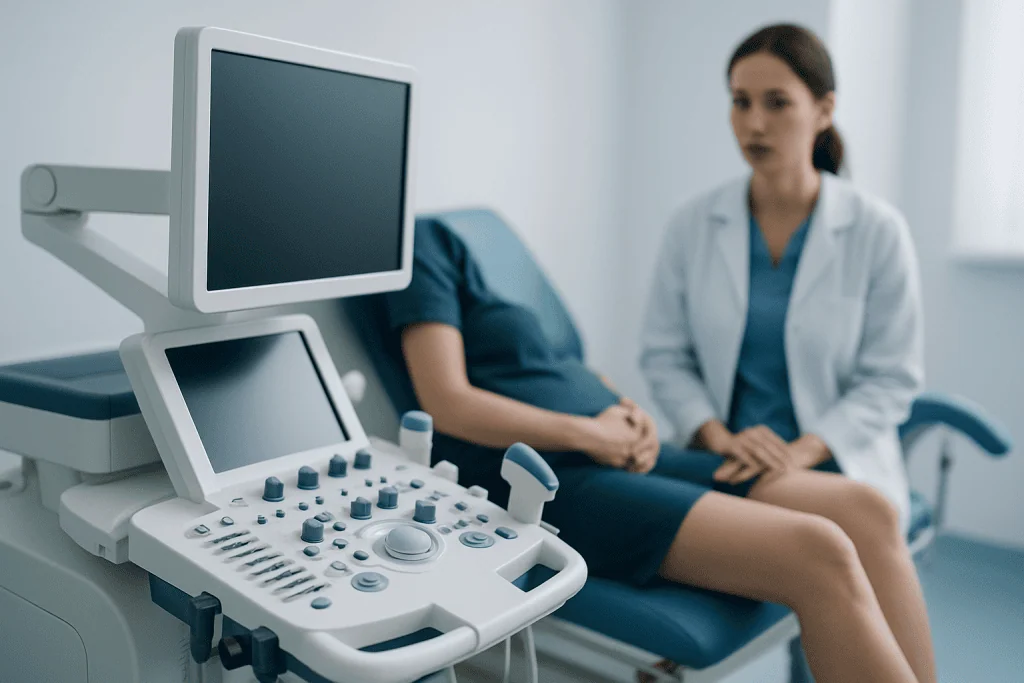
The way pain occurs can offer useful clues. Some women feel pain at the vaginal opening with initial penetration. This may be described as burning, tearing, rawness, or severe sensitivity. Others feel deeper pain in the pelvis during thrusting, in certain positions, or after sex. Some experience both surface and deep pain.
Symptoms may happen only with intercourse, or they may also occur with tampon use, gynecologic exams, prolonged sitting, urination, or other daily activities. In some cases, pain is accompanied by dryness, itching, unusual discharge, pelvic pressure, cramping, or bleeding after sex.
Doctors often ask about patterns such as:
- Whether the pain is at the entrance, deep inside, or both
- When it started and whether it began suddenly or gradually
- Whether it happens every time or only in certain situations
- Whether it is linked to the menstrual cycle, childbirth, menopause, or surgery
- Whether there are related symptoms such as heavy periods, bladder symptoms, or bowel pain
These details can help narrow the possible causes and guide the next steps in evaluation.
Common Causes and Risk Factors
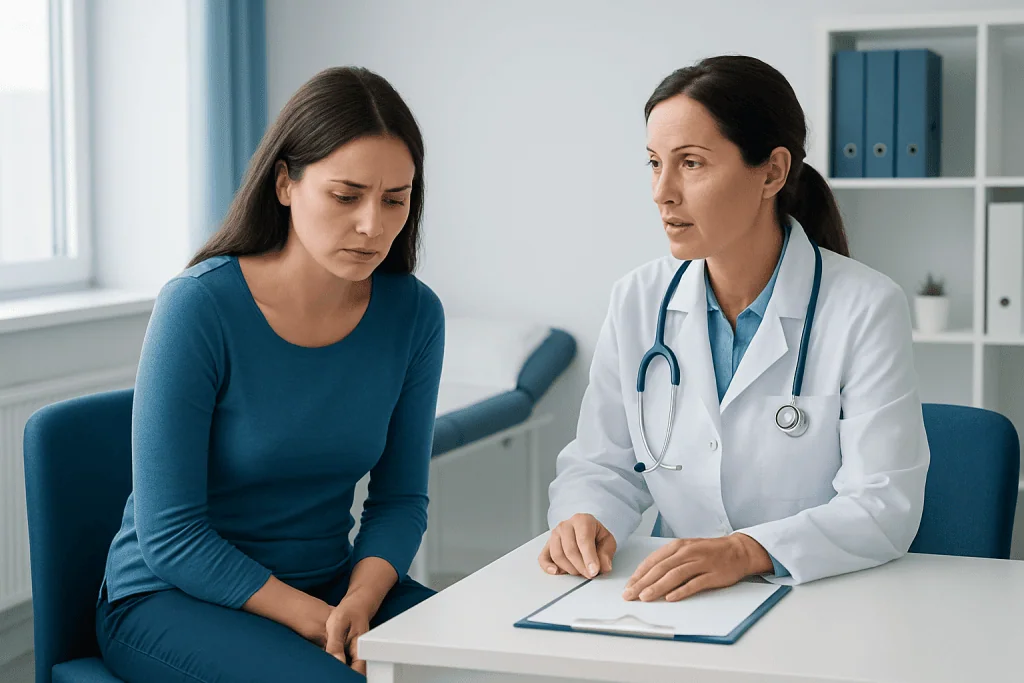
There are many possible causes of pain during sex in women. One common reason is inadequate lubrication, which can happen with low estrogen levels, menopause, breastfeeding, some medications, or limited arousal. Vaginal and vulvar infections may also cause irritation, burning, or tenderness. Skin conditions affecting the vulva, including chronic inflammatory disorders, can make the tissue very sensitive.
Pelvic floor muscle tension is another frequent cause. When the muscles around the vagina and pelvis tighten or spasm, penetration may become painful or difficult. This may happen after a painful experience, childbirth, pelvic surgery, trauma, or chronic pelvic pain. Emotional stress, anxiety, and fear of pain can also contribute, even when there is a clear physical trigger.
Deep pain may be linked to gynecologic or pelvic conditions such as endometriosis, ovarian cysts, pelvic inflammatory disease, fibroids, scarring from previous surgery, or problems involving the bladder or bowel. Conditions such as vaginismus may cause involuntary tightening of the vaginal muscles, while persistent vulvar pain syndromes can produce burning or irritation without an obvious infection.
Risk factors can include menopause, recent childbirth, pelvic surgery, a history of recurrent infections, chronic pain conditions, relationship stress, past sexual trauma, and hormonal changes. Having risk factors does not mean a woman will develop painful intercourse, but they may make evaluation especially important.
How Doctors Evaluate Pain During Sex
Evaluation begins with a detailed medical history. A gynecologist will usually ask when the pain started, where it is felt, what it feels like, and what seems to improve or worsen it. Questions may also cover menstrual history, pregnancies and childbirth, menopause, medications, sexual health, urinary or bowel symptoms, and any prior pelvic conditions or procedures.
A pelvic exam may be recommended, but it should be done gently and with the patient’s consent. The exam can help identify dryness, skin changes, infection, tenderness at the vaginal opening, pelvic floor muscle spasm, or signs of deeper pelvic problems. In some situations, the doctor may defer part of the exam or adapt it for comfort.
Depending on the symptoms, additional tests may include vaginal swabs, urine testing, blood tests, or imaging such as pelvic ultrasound. If deeper pelvic conditions are suspected, imaging or referral to a specialist may be useful. The goal is not simply to confirm that pain exists, but to understand why it is happening.
Because pain during sex can involve both body and mind, evaluation may also include discussion of stress, anxiety, mood, relationship concerns, and past experiences. This does not mean the pain is imagined. Rather, it reflects the fact that sexual pain is often influenced by several overlapping factors, all of which deserve attention.
Treatment Options
Treatment depends on the underlying cause. For dryness or hormone-related changes, simple measures such as regular use of lubricants or vaginal moisturizers may help. Some women may benefit from prescription hormonal or non-hormonal therapies, depending on age, symptoms, and medical history. If there is an infection, treatment is directed at the specific cause.
When pelvic floor muscle tension or pain is a major factor, pelvic floor physical therapy can be very helpful. This approach focuses on relaxing overactive muscles, improving coordination, reducing pain, and gradually restoring comfort. In selected cases, doctors may also suggest pain-relieving strategies, topical treatments, or techniques to reduce tissue sensitivity.
If a gynecologic condition is contributing, treatment may focus on that condition. For example, management of ovarian cysts or care for suspected endometriosis treatment may reduce deep pelvic pain. Counseling or sex therapy may also be recommended, especially when pain has led to fear, avoidance, or relationship strain. This can be valuable alongside medical treatment, not instead of it.
For women with persistent or complex symptoms, care may involve more than one specialist. Near the end of the treatment pathway, some patients may seek multidisciplinary assessment; Acibadem International’s specialists in JCI-accredited hospitals diagnose and treat painful intercourse and related gynecologic conditions for international patients.
Self-care and Prevention
Self-care cannot treat every cause of painful intercourse, but it can support comfort and reduce irritation. Using a water-based or silicone-based lubricant during sex may help when dryness is part of the problem. Taking time for arousal, communicating openly with a partner, and choosing positions that allow control over depth and pace may also make intercourse more comfortable.
Good vulvar care is often important. This may include avoiding scented soaps, perfumed products, harsh cleansers, and tight clothing that irritates sensitive skin. If a woman notices repeated symptoms after using a particular product, stopping that product may help. For those with symptoms after menopause or childbirth, early discussion with a doctor can prevent symptoms from becoming more persistent.
Prevention also includes seeking care for recurring infections, pelvic pain, heavy periods, or bladder symptoms rather than waiting for pain to worsen. If intercourse has become consistently painful, continuing despite severe discomfort can sometimes increase muscle guarding and anxiety. A pause, medical review, and gentle reintroduction after treatment may be more helpful.
When to See a Doctor
A woman should consider seeing a doctor if pain during sex is new, persistent, worsening, or interfering with daily life or relationships. Medical advice is especially important if pain is accompanied by unusual discharge, bleeding after sex, fever, pelvic pain outside intercourse, a noticeable lump, urinary burning, or severe dryness.
It is also a good idea to seek evaluation if intercourse has always been painful, if tampon insertion is difficult, or if fear of pain is leading to avoidance of intimacy or gynecologic care. These patterns can point to treatable conditions, including muscle tension disorders, hormonal changes, or vulvar pain syndromes.
Prompt evaluation is not about assuming a serious problem. In most cases, it is a practical step toward identifying a cause and finding relief. A respectful, patient-centered approach can help women feel more comfortable discussing symptoms that are often sensitive but medically important.
Frequently asked questions
Is pain during sex in women normal?
Occasional mild discomfort can happen, especially with dryness or irritation, but ongoing pain during sex is not considered normal. Because it can have many treatable causes, persistent symptoms should be discussed with a doctor.
What are the most common causes of painful intercourse?
Common causes include vaginal dryness, infections, pelvic floor muscle tightness, skin conditions of the vulva, hormonal changes, and gynecologic conditions such as endometriosis. Sometimes more than one cause is present at the same time.
How is pain during sex evaluated?
Evaluation usually starts with a detailed conversation about the pain, menstrual and sexual history, and any related symptoms. A pelvic exam may be done gently and only with consent, and some women may also need swabs, urine tests, blood tests, or imaging.
Can anxiety or stress cause pain during sex?
Stress and anxiety can contribute by increasing muscle tension, reducing arousal, and making pain feel more intense. However, this does not mean the pain is purely psychological, and a physical assessment is still important.
Can menopause cause pain during sex?
Yes. Menopause can lower estrogen levels, which may lead to vaginal dryness, thinning of the vaginal tissues, and discomfort with penetration. These symptoms are common and often improve with appropriate treatment and self-care.
What treatments can help?
Treatment depends on the cause and may include lubricants, moisturizers, medicines for infection or hormonal symptoms, pelvic floor physical therapy, or treatment of an underlying pelvic condition. Some women also benefit from counseling or sex therapy as part of a broader care plan.
References
- American College of Obstetricians and Gynecologists
- National Health Service
- Mayo Clinic
- Cleveland Clinic
- International Society for the Study of Women's Sexual Health
This article is for general information only and is not a substitute for professional medical advice. Please consult a qualified doctor about your individual situation.
Explore treatments in Turkey — costs, top hospitals & a free quote
JCI-accredited · board-certified surgeons · reply within 24h
Add us as a Preferred Source to see more of our trusted health content across Google Search, AI Overviews and Discover.

More from the Health Library



Related Specialists

Dyt. Gizem Katkıcı Taşkın
Nutrition & Diet
Assoc. Prof. Dr. Mehmet Altiparmak
Aesthetic Plastic & Reconstructive Surgery
Prof. Dr. Duhan Fatih Bayrak
Cardiology
Assoc. Prof. Dr. Ahmet Yeşilyurt
Medical Genetics