Brain Aneurysm Coiling Recovery: Hospital Stay and Home Care

Recovery after brain aneurysm coiling usually includes a brief hospital stay and a gradual return to daily activities. Fatigue, mild headache, and soreness at the catheter insertion site are common during early healing.
Key Takeaways
- Recovery after brain aneurysm coiling usually includes a brief hospital stay and a gradual return to daily activities.
- Fatigue, mild headache, and soreness at the catheter insertion site are common during early healing.
- Follow-up imaging is important to confirm the aneurysm remains sealed and blood flow is stable.
- Patients should seek urgent medical help for severe headache, new weakness, speech changes, confusion, or heavy bleeding at the puncture site.
- Home care focuses on rest, hydration, medication adherence, and avoiding heavy lifting until a doctor advises otherwise.
Brain aneurysm coiling recovery often begins with close hospital monitoring followed by several weeks of gradual healing at home. Most people need rest, activity limits, follow-up appointments, and guidance on warning signs while the treated blood vessel heals.
Overview of Brain Aneurysm Coiling Recovery
Brain aneurysm coiling is a minimally invasive procedure used to treat a weakened, bulging area in a brain artery. During the procedure, a specialist guides a thin catheter through a blood vessel, usually from the groin or wrist, and places tiny coils inside the aneurysm. These coils help reduce blood flow into the aneurysm and lower the risk of bleeding or re-bleeding.
Recovery after coiling varies from person to person. It depends on whether the aneurysm was treated before it ruptured or after a bleed, the patient’s overall health, age, and whether any complications occurred. In general, people treated for an unruptured aneurysm recover more quickly than those recovering from a ruptured aneurysm, which may also involve brain injury from bleeding.
The early recovery period includes hospital observation, symptom monitoring, and careful instructions for home care. Even when the procedure itself is less invasive than open surgery, the body still needs time to heal from both the catheter-based treatment and the underlying vascular condition. Follow-up is a key part of recovery because treated aneurysms need to be checked over time.
What to Expect During the Hospital Stay
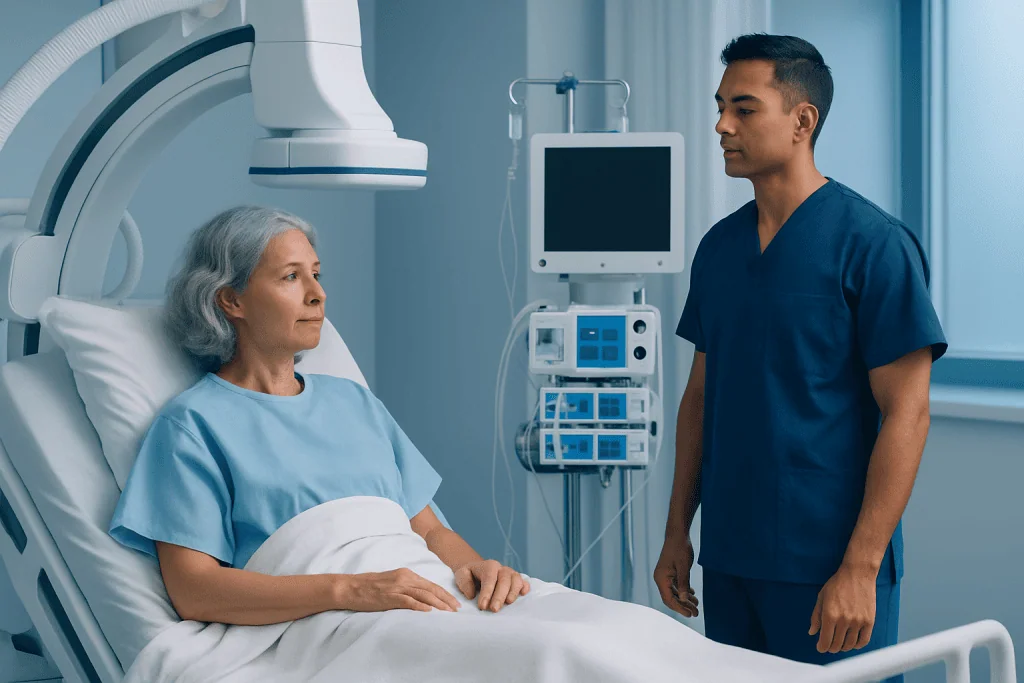
After the procedure, patients usually spend time in a recovery area and may be monitored in an intensive care or high-dependency setting, especially if the aneurysm had ruptured. Nurses and doctors watch blood pressure, heart rate, neurological status, and the catheter entry site. They also look for headache, nausea, confusion, weakness, or changes in speech or vision.
For an unruptured aneurysm treated without complications, the hospital stay may be short, sometimes about one to two days. If the aneurysm ruptured before treatment, the stay is often longer because recovery includes observation for problems such as vasospasm, hydrocephalus, seizures, or effects related to the original hemorrhage. The care team may perform repeat brain scans or other tests before discharge.
It is common to have some groin or wrist soreness, tiredness, and mild discomfort after the procedure. Patients are often asked to lie flat for a period if the catheter was inserted through the groin. Before going home, the team reviews medications, activity restrictions, wound care, and plans for follow-up imaging. Some patients may also receive rehabilitation support if they have neurological symptoms after a ruptured aneurysm.
Common Symptoms During Early Recovery
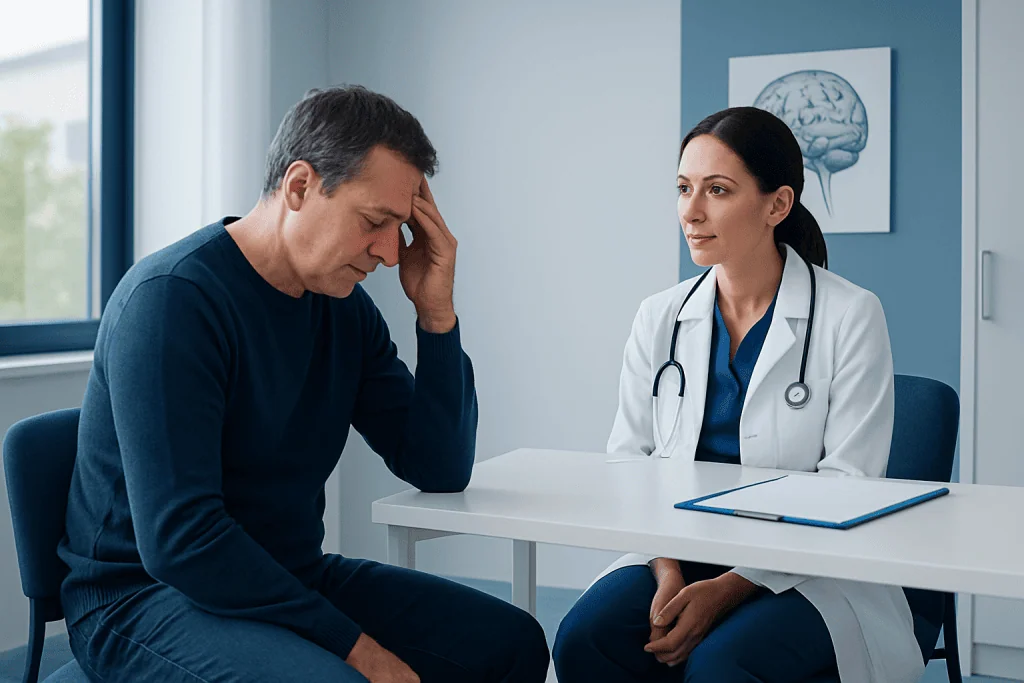
Many patients feel more tired than expected during the first days or weeks after brain aneurysm coiling. Fatigue is one of the most common recovery symptoms, and it may come and go. Mild headache, reduced stamina, and soreness or bruising where the catheter entered the body are also common, especially in the first several days.
Some people notice difficulty concentrating, interrupted sleep, low appetite, or feeling emotionally unsettled after a hospital stay. This can happen even when the aneurysm was unruptured. Recovery from a ruptured aneurysm may be more demanding and can include memory changes, weakness, mood changes, or problems with balance and attention that improve more gradually.
Symptoms that are usually expected should slowly get better, not suddenly worsen. Patients should contact their medical team if they have increasing pain, fever, swelling, redness, numbness in a limb, worsening headache, repeated vomiting, or any new neurological symptom. Recovery is rarely identical from one person to another, so personalized medical advice remains important.
Home Care After Brain Aneurysm Coiling
At home, recovery is usually centered on rest, hydration, nutrition, and avoiding strain while the body heals. Many patients are advised to avoid heavy lifting, strenuous exercise, and activities that raise pressure in the body for a period of time. Gentle walking is often encouraged because it supports circulation and helps patients gradually rebuild energy.
The catheter insertion site should be kept clean and observed daily. Mild bruising can be normal, but growing swelling, persistent bleeding, increased redness, warmth, or drainage should be reported promptly. Patients should also follow instructions about bathing, driving, work, and when to resume travel, since these timelines differ depending on the procedure details and the reason coiling was needed.
Medication adherence is especially important. Some patients need pain relief, blood pressure treatment, or antiplatelet medicines if adjunct devices such as stents were used. Medicines should be taken exactly as prescribed, and patients should not stop them without medical advice. It can also help to keep a written list of symptoms, blood pressure readings if requested, and upcoming appointments.
- Rest regularly and pace activities.
- Drink enough fluids unless a doctor has advised fluid restriction.
- Avoid smoking and secondhand smoke exposure.
- Do not lift heavy objects until cleared by the medical team.
- Ask before restarting intense exercise, alcohol use, or long-distance travel.
Follow-Up Appointments and Imaging
Follow-up care is an essential part of brain aneurysm coiling recovery because the treated aneurysm needs to be checked over time. Coils can remain stable for many years, but some aneurysms may reopen slightly or need further treatment. For this reason, the care team usually schedules follow-up imaging with tests such as magnetic resonance angiography, computed tomography angiography, or catheter angiography.
The timing of imaging depends on the aneurysm’s size, shape, location, and whether devices such as stents were used. The first follow-up study is often scheduled within months, with later checks based on the result. These appointments help specialists confirm that blood flow remains safe and that no additional steps are needed.
Patients should also attend routine clinical visits, where doctors review symptoms, medications, blood pressure, and functional recovery. If the aneurysm was part of a broader neurovascular condition, the team may discuss long-term risk reduction and whether screening is relevant for close relatives in selected cases. When appropriate, specialists may coordinate care related to brain aneurysm follow-up and recovery.
Recovery Time and Return to Daily Activities
Recovery time after brain aneurysm coiling is not the same for everyone. After treatment of an unruptured aneurysm, some people resume light daily activities within days and return to work within a few weeks, depending on how physically or mentally demanding their job is. A slower pace is often needed after a ruptured aneurysm, and recovery may continue for months.
Driving, exercise, sexual activity, air travel, and returning to work should be discussed with the treating doctor. These decisions depend on neurological symptoms, seizure risk, blood pressure control, medication use, and how the patient feels overall. It is usually wise to increase activity gradually rather than trying to return to normal all at once.
If a patient has weakness, balance difficulty, speech problems, or cognitive changes, rehabilitation may be part of recovery. This can include physical therapy, occupational therapy, speech therapy, or structured neurorehabilitation. In some cases, teams providing neurological rehabilitation and follow-up after interventional neuroradiology procedures help support a safer return to everyday life.
Warning Signs and When to See a Doctor
Patients should be given clear instructions about symptoms that need urgent attention. Emergency care is important for a sudden severe headache, fainting, seizures, new confusion, weakness on one side, facial drooping, trouble speaking, sudden vision loss, or severe drowsiness. These symptoms can suggest bleeding, stroke, or another serious complication and should never be ignored.
Medical advice should also be sought for chest pain, shortness of breath, fever, repeated vomiting, a rapidly enlarging bruise, or ongoing bleeding from the catheter site. Pain, coolness, numbness, or color change in the arm or leg used for catheter access should also be reported promptly, since they may indicate a circulation problem.
Even if symptoms seem mild, patients should contact their doctor if something does not feel right or if recovery is not progressing as expected. Near the end of recovery planning, some international patients may also seek coordinated follow-up through centers such as Acibadem International, where multidisciplinary specialists in JCI-accredited hospitals evaluate and treat aneurysm-related conditions, including brain aneurysm treatment when further care is needed.
Frequently asked questions
How long is the hospital stay after brain aneurysm coiling?
The hospital stay is often short for an unruptured aneurysm treated without complications, sometimes around one to two days. If the aneurysm ruptured before treatment, the stay is usually longer because doctors need to monitor for complications related to bleeding and brain recovery.
What symptoms are normal after aneurysm coiling?
Mild headache, tiredness, and soreness or bruising at the catheter site are common in early recovery. Some people also feel emotionally drained or have reduced concentration for a short time, especially after a stressful hospitalization.
When can a person return to work after brain aneurysm coiling?
Return to work depends on whether the aneurysm was ruptured, the type of work involved, and how the person feels physically and mentally. Some people return within a few weeks after treatment of an unruptured aneurysm, while others need much longer recovery and rehabilitation.
Why is follow-up imaging needed after coiling?
Follow-up imaging helps doctors confirm that the aneurysm remains securely treated and that blood flow is stable. In some cases, a small part of the aneurysm can reopen over time, so monitoring allows timely decisions about whether more treatment is needed.
What activities should be avoided at home after the procedure?
Patients are commonly advised to avoid heavy lifting, strenuous exercise, and any activity that strains the body until their doctor says it is safe. Specific restrictions on driving, bathing, travel, and returning to exercise may vary, so the discharge instructions should be followed closely.
When should someone seek urgent help during recovery?
Urgent help is needed for sudden severe headache, weakness, trouble speaking, confusion, fainting, seizure, or sudden vision changes. Heavy bleeding or rapidly increasing swelling at the catheter site also needs immediate medical attention.
References
- American Stroke Association
- National Institute of Neurological Disorders and Stroke
- National Health Service
- Society of NeuroInterventional Surgery
- Brain Aneurysm Foundation
This article is for general information only and is not a substitute for professional medical advice. Please consult a qualified doctor about your individual situation.
Explore treatments in Turkey — costs, top hospitals & a free quote
JCI-accredited · board-certified surgeons · reply within 24h
Add us as a Preferred Source to see more of our trusted health content across Google Search, AI Overviews and Discover.
Check your numbers in seconds
BMI, calories, due date, blood pressure and 30+ more clinical calculators — free, instant, doctor-reviewed ranges.