Vagus Nerve Stimulation for Pediatric Epilepsy: Who May Benefit?

Vagus nerve stimulation uses a small implanted device to send regular electrical signals to the vagus nerve. It may benefit children with epilepsy that remains difficult to control despite appropriate anti-seizure medicines.
Key Takeaways
- Vagus nerve stimulation uses a small implanted device to send regular electrical signals to the vagus nerve.
- It may benefit children with epilepsy that remains difficult to control despite appropriate anti-seizure medicines.
- VNS is usually considered when medication has not worked well enough and brain surgery is not suitable or has not fully helped.
- The treatment may reduce seizures over time, but results vary from child to child.
- Careful evaluation by a pediatric neurology and epilepsy team is important before treatment.
Vagus nerve stimulation for pediatric epilepsy is a treatment option for some children whose seizures are not well controlled with medication. It does not cure epilepsy, but it may reduce seizure frequency and improve quality of life in carefully selected patients.
Overview
Vagus nerve stimulation for pediatric epilepsy, often called VNS therapy, is a treatment that uses a small implanted device to send mild electrical impulses to the vagus nerve in the neck. The vagus nerve carries signals between the brain and the body, and regular stimulation can help reduce seizure activity in some children. This therapy is generally considered for children whose epilepsy is difficult to control with medicine alone.
VNS is not brain surgery. The device is placed under the skin of the chest, and a thin wire is connected to the left vagus nerve. The stimulator works automatically at set intervals, and settings can be adjusted by the child’s doctor over time. In some cases, a magnet can also be used by caregivers to activate an extra stimulation during or around a seizure.
This treatment does not cure epilepsy, and it does not stop seizures completely in every child. However, many families consider it because it may lower seizure frequency, shorten recovery after seizures, or improve alertness, mood, and day-to-day functioning. It may be discussed as part of a broader care plan for epilepsy.
Who May Benefit
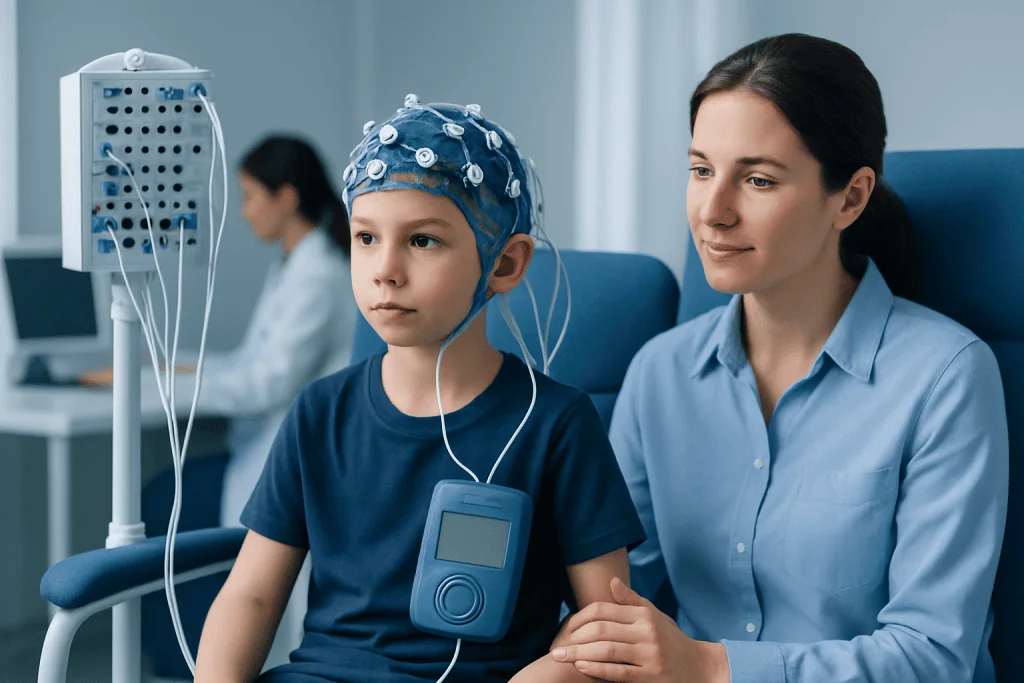
VNS may help children who have drug-resistant epilepsy, meaning seizures continue despite appropriate treatment with anti-seizure medicines. It can be considered in children with focal seizures, generalized seizures, or certain epilepsy syndromes, depending on the child’s overall medical picture. The decision is individualized and based on seizure type, age, development, and response to previous treatments.
Doctors often consider VNS when epilepsy surgery to remove the seizure focus is not possible, is unlikely to help, or carries too much risk. It may also be considered for children who have already had epilepsy surgery but still have seizures. For some families, VNS becomes an important option when medicines have caused significant side effects or have not provided enough seizure control.
Children who may benefit usually undergo a detailed evaluation by a pediatric neurologist or epilepsy specialist. This helps confirm the diagnosis, review prior treatments, and identify whether another option, such as epilepsy surgery, may be more appropriate. The goal is to choose the safest and most effective treatment for the individual child.
How VNS Works and What to Expect
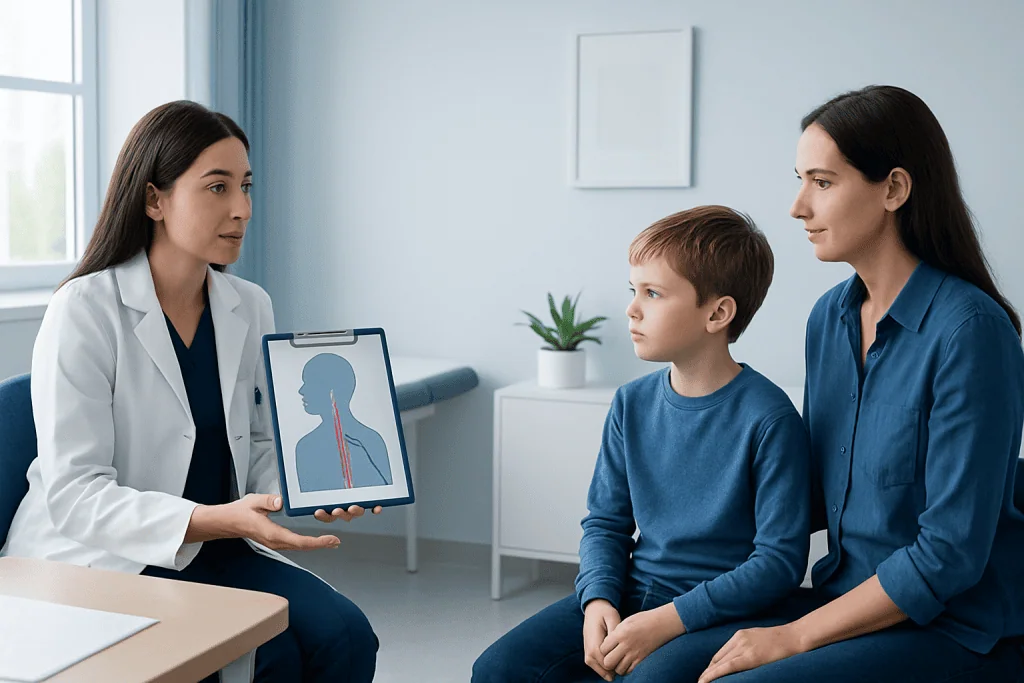
The VNS system includes a pulse generator, usually implanted under the skin in the upper chest, and a lead that wraps around the left vagus nerve in the neck. The device is programmed to send electrical signals at regular intervals throughout the day and night. These signals are thought to influence brain networks involved in seizures, although the exact mechanism is not fully understood.
Implantation is done with surgery under anesthesia. In general, the procedure is shorter and less invasive than operations that involve the brain. After the device is placed, the child returns for follow-up visits so the stimulation settings can be adjusted gradually. It may take weeks to months to find the most suitable settings, and benefits often build over time rather than appearing immediately.
Families should know that VNS treatment is ongoing. The device battery does not last forever and may need replacement in the future. Regular follow-up is important to monitor seizure response, adjust settings, and address any side effects. Some children continue anti-seizure medicines while using VNS, and the treatment is often one part of a wider plan that may include pediatric neurology follow-up and rehabilitation support.
Possible Benefits and Limitations
The main goal of VNS is usually to reduce the number and severity of seizures. Some children also experience shorter seizures, faster recovery afterward, or fewer seizure-related injuries. In addition, families sometimes notice improvements in attention, sleep, behavior, or overall quality of life, although these effects vary and are not guaranteed.
It is important to have realistic expectations. VNS does not work equally well for every child, and it may not make seizures disappear completely. Improvement can be gradual, and doctors usually assess benefit over several months. For many patients, even a partial reduction in seizures can still be meaningful if it helps daily function and safety.
VNS is usually considered a supportive therapy rather than a first-line treatment. Most children continue taking anti-seizure medicines, although medication plans may be adjusted later if seizure control improves. A specialist team can help families weigh the possible benefits against the burden of surgery, follow-up, and ongoing device management.
Risks, Side Effects, and Safety
Like any surgical treatment, VNS has potential risks. These include infection, bleeding, pain at the incision site, or problems related to anesthesia. Rarely, the device or lead may shift, malfunction, or require revision surgery. The treating team explains these risks carefully before the procedure.
The most common side effects happen during stimulation and may include hoarseness, throat discomfort, coughing, voice changes, tingling, or a feeling in the neck. In many children, these effects are mild and improve as the body adjusts or when the device settings are changed. Side effects should always be discussed with the child’s doctor, especially if they affect eating, speaking, sleep, or comfort.
Children with VNS need ongoing medical guidance regarding scans, procedures, and devices that may interact with the stimulator. Parents should tell all healthcare professionals that the child has an implanted device. A specialized team can provide instructions about activity, wound care, follow-up, and any precautions related to medical equipment.
Evaluation Before Treatment
Before recommending VNS, doctors first make sure the child truly has epilepsy and that the seizure type has been carefully classified. They review seizure history, medicine trials, developmental needs, and any other neurological conditions. This is important because treatment choice depends on the underlying cause and pattern of seizures.
The evaluation may include an electroencephalogram, imaging such as MRI, and sometimes longer-term seizure monitoring. These tests help specialists understand where seizures may begin and whether another treatment could be more effective. In some children, dietary therapy, medication changes, or surgery may still be considered before VNS.
Families also discuss practical questions, including expected benefits, school needs, follow-up visits, and how the child may cope with surgery and device checks. Shared decision-making is especially important in pediatric care. When a center has experience with complex childhood epilepsy, the team can guide parents through options in a clear and supportive way.
Aftercare, Daily Life, and Long-Term Management
After the implantation procedure, the child usually needs a recovery period for the incisions to heal. The device is often activated after surgery rather than immediately at the time of implantation, depending on the doctor’s plan. Follow-up appointments are used to gradually adjust stimulation settings while watching seizure control and side effects.
Daily life with VNS often becomes routine for families. Many children continue school, play, and normal activities with guidance from their doctors. Parents and caregivers may be taught how to use the magnet feature if one has been prescribed, and they should continue all seizure safety measures, including medicine schedules and supervision recommendations.
Long-term epilepsy care still matters even when VNS helps. Children need regular reviews of growth, development, sleep, learning, and emotional well-being. Near the end of the treatment journey discussion, it may be helpful to know that Acibadem International’s multidisciplinary specialists in JCI-accredited hospitals evaluate and treat children with complex epilepsy for international patients.
When to See a Doctor
Parents should speak with a doctor if a child’s seizures continue despite taking prescribed anti-seizure medicines, if side effects of treatment are difficult to manage, or if seizures are affecting development, learning, or safety. A referral to a pediatric epilepsy specialist can help clarify whether advanced treatment options such as VNS should be considered.
Medical advice is also important if a child with an implanted VNS develops redness, swelling, fever, worsening pain near the device site, or new symptoms such as significant trouble swallowing or breathing. These concerns do not always mean a serious problem, but they should be assessed promptly.
Emergency care is needed for prolonged seizures, repeated seizures without recovery between them, serious injury during a seizure, or breathing difficulty. Families should follow the child’s individualized seizure action plan and ask their doctor what warning signs require urgent review.
Frequently asked questions
Is vagus nerve stimulation a cure for pediatric epilepsy?
No. Vagus nerve stimulation is not a cure for epilepsy, but it may help reduce seizure frequency or severity in some children. Many children still need anti-seizure medicines and regular follow-up after implantation.
At what point do doctors consider VNS for a child?
Doctors often consider VNS when seizures continue despite appropriate trials of anti-seizure medicines. It may also be discussed when epilepsy surgery is not suitable or has not fully controlled seizures.
How long does it take to know whether VNS is helping?
Benefits are often gradual rather than immediate. Some children improve over weeks, while others may need several months of device adjustments before doctors can judge how well it is working.
Can a child still take epilepsy medication after VNS implantation?
Yes. Most children continue taking anti-seizure medicines after VNS is placed. Over time, the medical team may review the treatment plan and decide whether any changes are appropriate.
What are the most common side effects of VNS in children?
Common side effects include hoarseness, throat discomfort, coughing, or voice changes during stimulation. These are often mild and may improve when the device settings are adjusted.
Is VNS the same as epilepsy surgery?
No. VNS involves implanting a device that stimulates the vagus nerve, while epilepsy surgery usually targets the part of the brain where seizures begin. They are different approaches, and the best choice depends on the child’s specific epilepsy.
References
- International League Against Epilepsy
- American Academy of Neurology
- National Institute of Neurological Disorders and Stroke
- Epilepsy Foundation
- National Institute for Health and Care Excellence
This article is for general information only and is not a substitute for professional medical advice. Please consult a qualified doctor about your individual situation.
Pediatric Epilepsy in Turkey — costs, top hospitals & a free quote
JCI-accredited · board-certified surgeons · reply within 24h
Add us as a Preferred Source to see more of our trusted health content across Google Search, AI Overviews and Discover.

Neurology
Diagnosis and treatment of disorders of the brain, spinal cord, nerves and muscles.
51 specialists in this unit