Alzheimer’s Disease Specialists: When a Second Opinion May Help

Alzheimer’s disease specialists include geriatric neurologists, neurologists, psychiatrists, and neuropsychologists with expertise in memory disorders. A second opinion can help confirm the diagnosis, rule out other causes of cognitive decline, and review treatment choices.
Key Takeaways
- Alzheimer’s disease specialists include geriatric neurologists, neurologists, psychiatrists, and neuropsychologists with expertise in memory disorders.
- A second opinion can help confirm the diagnosis, rule out other causes of cognitive decline, and review treatment choices.
- Assessment often includes a detailed history, cognitive testing, blood tests, and brain imaging when appropriate.
- Early specialist evaluation may help patients and families plan treatment, safety, daily support, and future care needs.
- Not every memory problem is Alzheimer’s disease, so a careful evaluation is important.
Alzheimer’s disease specialists help evaluate memory loss, confirm or refine a diagnosis, and guide treatment planning. A second opinion may be helpful when symptoms are unclear, progression seems unusual, or families want added confidence about care decisions.
Overview: What Alzheimer’s Disease Specialists Do
Alzheimer’s disease specialists are doctors and clinicians with focused experience in diagnosing and managing memory disorders and dementia. They may include geriatric neurologists, general neurologists with cognitive expertise, geriatricians, psychiatrists, and neuropsychologists. Their role is to look closely at changes in memory, thinking, behavior, and daily functioning to understand whether Alzheimer’s disease is present or whether another condition may better explain the symptoms.
A specialist evaluation can be especially valuable because memory loss has many possible causes. Some are progressive brain disorders, while others may be related to medication side effects, sleep problems, depression, vitamin deficiencies, thyroid disease, or vascular changes. A careful review helps separate normal aging from mild cognitive impairment and dementia.
When a second opinion is requested, the goal is usually not to start over, but to add clarity. Another specialist may confirm the original diagnosis, suggest additional tests, refine the stage of disease, or identify a different cause of symptoms. For many patients and families, this added perspective can make treatment and care planning feel more informed and less uncertain.
When a Second Opinion May Help
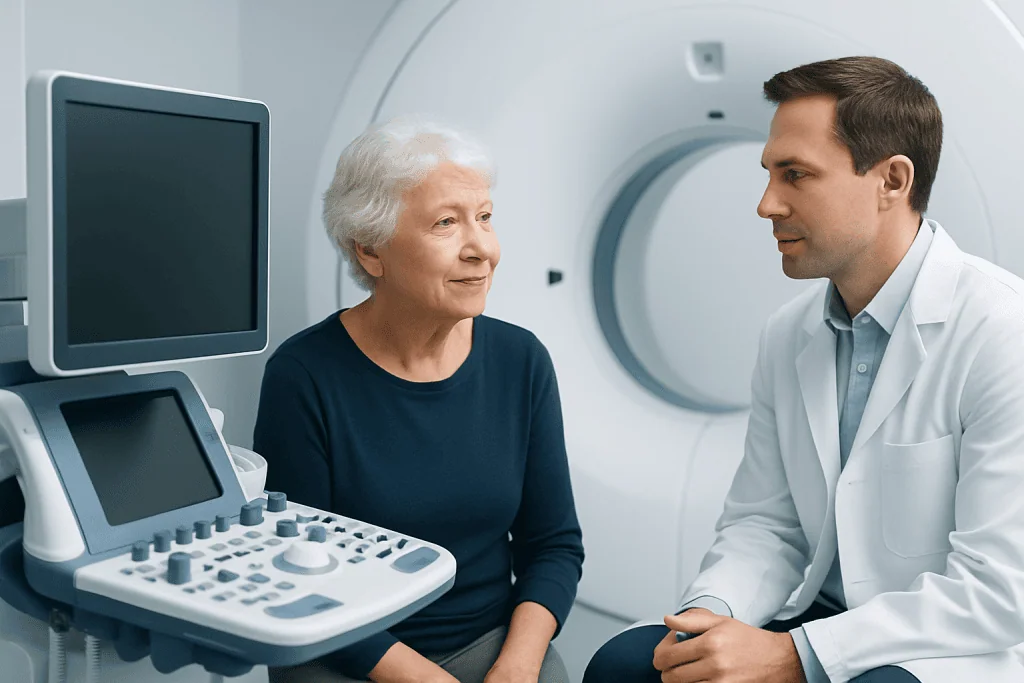
A second opinion may be helpful when the diagnosis is uncertain or when the symptoms do not seem to fit a typical pattern. For example, some people develop language, visual, movement, or behavior changes before memory problems become obvious. In these cases, another expert review may help distinguish Alzheimer’s disease from other forms of dementia or from neurologic conditions with overlapping symptoms.
Families also commonly seek a second opinion if decline seems unusually fast, if the person is younger than expected for dementia symptoms, or if treatment is not helping as expected. Another specialist may review whether medications are appropriate, whether side effects are contributing to confusion, or whether additional testing should be considered.
A second opinion can also be useful before making major care decisions. This may include deciding when a person should stop driving, whether home support is enough, or whether the diagnosis should affect legal and financial planning. In some situations, it may help to consult a clinic dedicated to Alzheimer’s disease or a broader memory disorders center for a multidisciplinary assessment.
Seeking another opinion does not mean the first doctor was wrong. It is a common and reasonable step in complex conditions, especially when symptoms affect independence, safety, and long-term planning.
Symptoms That Deserve Specialist Evaluation

Occasional forgetfulness can happen with stress, poor sleep, or normal aging. Alzheimer’s disease is more concerning when memory or thinking changes begin to interfere with work, home responsibilities, communication, finances, medication management, or personal safety. A specialist should evaluate symptoms that are progressive, persistent, or clearly affecting everyday life.
Common symptoms that may prompt referral include repeated questions, difficulty learning new information, getting lost in familiar places, misplacing items in unusual locations, trouble following conversations, and poor judgment with money or medications. Some people also show changes in mood, motivation, social behavior, or insight into their own difficulties.
Not all cognitive symptoms point to Alzheimer’s disease. Hallucinations, sudden stepwise decline, prominent movement changes, marked personality shifts, or severe fluctuations in attention can suggest other causes. Because symptoms can overlap, a specialist assessment helps identify whether a person may have Alzheimer’s disease, another dementia syndrome, or a treatable condition such as Parkinson’s disease-related cognitive changes, depression, or sleep apnea.
- Memory loss that disrupts daily life
- Difficulty with language, planning, or problem-solving
- Confusion about time, place, or familiar routines
- Changes in behavior, mood, or personality
- Concerns about driving, medication use, or safety at home
How Specialists Evaluate Alzheimer’s Disease
Diagnosis usually begins with a detailed medical history. The specialist asks when symptoms started, how they have changed over time, and which daily activities are affected. Because patients may not notice all symptoms themselves, information from a family member or close friend is often very helpful. The review also includes medical conditions, medications, alcohol use, mood symptoms, sleep patterns, and family history.
Cognitive testing is a core part of the evaluation. This may include brief office-based screening and, in some cases, more extensive neuropsychological testing to examine memory, attention, language, visuospatial abilities, and executive function. These tests do not diagnose Alzheimer’s disease on their own, but they help define the pattern and severity of impairment.
Laboratory tests are commonly used to look for reversible contributors, such as thyroid disorders, vitamin deficiencies, infection, or metabolic problems. Brain imaging, often with MRI or CT, may help identify strokes, tumors, hydrocephalus, or patterns of brain atrophy. When appropriate, specialists may recommend MRI scan evaluation or other tests to support diagnosis.
In selected cases, additional biomarker testing may be discussed, such as cerebrospinal fluid studies or advanced imaging, especially when the diagnosis remains uncertain. These tests are not necessary for every patient, but they can be useful in complex or early-onset cases. The specialist then combines all findings to explain whether the person has Alzheimer’s disease, mild cognitive impairment, another dementia type, or a different condition entirely.
Treatment Planning After Diagnosis or Reassessment
There is currently no single cure for Alzheimer’s disease, but treatment can help manage symptoms, support function, and improve quality of life. Specialists typically create an individualized plan based on the stage of disease, overall health, daily needs, and caregiver support. This plan may include medication review, symptom-targeted therapy, treatment of sleep or mood problems, and practical strategies for routines and safety.
Non-drug approaches are also important. Structured daily schedules, physical activity, social engagement, hearing and vision support, sleep optimization, and simplified communication can reduce frustration and help maintain independence. A specialist may also look for treatable medical issues that worsen cognition, such as dehydration, infection, pain, constipation, or medication side effects.
Some patients benefit from rehabilitation services or support from allied health professionals. Depending on symptoms, the care team may suggest neurological rehabilitation to support function, balance, or daily activities, or speech and cognitive therapy for communication and practical coping strategies. If other neurologic problems are part of the picture, the doctor may also discuss related evaluations such as Parkinson’s treatment when clinically relevant.
Treatment planning should also include the family. Caregivers often need clear guidance about supervision, behavior changes, medication routines, advanced care planning, and available community resources. A second opinion can be especially helpful if families want reassurance that the current care plan is appropriate and complete.
Preparing for a Specialist Visit or Second Opinion
Good preparation can make a specialist visit more useful and efficient. Families should bring prior medical records, imaging reports, lab results, medication lists, and notes about symptom timing. It helps to write down examples of real-life changes, such as missed bills, repeated stories, wandering, cooking mistakes, or trouble using familiar devices.
A companion should attend whenever possible. Someone who knows the patient well can describe changes that may not come up during a brief appointment. This is especially important when the person being evaluated feels well or has limited awareness of difficulties.
Questions to ask may include:
- What diagnosis best explains these symptoms?
- Could another condition be contributing to memory changes?
- What tests are still needed, if any?
- What stage does the condition appear to be in?
- Which treatments or lifestyle steps may help now?
- What safety concerns should the family address first?
If a second opinion is being sought, it can help to say so openly. Most specialists understand and support this process. Near the end of care planning, some families may also seek evaluation at centers such as Acibadem International, where multidisciplinary specialists in JCI-accredited hospitals diagnose and treat memory disorders for international patients.
Self-Care, Family Support, and Ongoing Monitoring
Living with Alzheimer’s disease involves more than diagnosis alone. Ongoing monitoring helps the care team adjust treatment as symptoms change over time. Follow-up visits may focus on cognitive function, mood, sleep, falls, nutrition, caregiver strain, and practical concerns such as driving, finances, and home safety.
Healthy routines can support overall brain and physical health. While they do not prevent progression in every case, regular exercise, balanced nutrition, consistent sleep, social interaction, and management of blood pressure, diabetes, and hearing loss are sensible steps. Avoiding unnecessary sedating medications and reviewing prescriptions regularly can also reduce confusion in some older adults.
Caregiver well-being matters just as much. Looking after a person with dementia can be emotionally and physically demanding. Families may benefit from respite care, support groups, social work guidance, and early planning for future needs. A specialist can help connect families to trusted services and explain what changes to expect over time.
Urgent medical attention is needed if confusion suddenly worsens, there is new weakness or speech difficulty, severe agitation appears abruptly, or the person becomes unsafe. Sudden change may signal delirium, stroke, infection, medication reaction, or another problem that needs prompt treatment.
Frequently asked questions
What kind of doctor is best for Alzheimer’s disease?
A geriatric neurologist or a neurologist with expertise in memory disorders is often well suited to evaluate Alzheimer’s disease. Depending on the situation, geriatricians, psychiatrists, and neuropsychologists may also be important parts of the care team.
When should a family ask for a second opinion for Alzheimer’s disease?
A second opinion may help when symptoms are unusual, the diagnosis is uncertain, decline seems rapid, or treatment questions remain unanswered. It can also be useful before making major decisions about driving, home safety, or long-term care.
Can Alzheimer’s disease be mistaken for something else?
Yes. Depression, medication effects, thyroid problems, vitamin deficiencies, sleep disorders, strokes, and other dementia syndromes can cause similar symptoms. That is why a careful specialist assessment is important.
What tests do Alzheimer’s disease specialists usually order?
They often begin with a medical history, cognitive testing, blood tests, and brain imaging such as MRI or CT when appropriate. In selected cases, more detailed neuropsychological or biomarker testing may be recommended.
Does a second opinion change treatment?
Sometimes it confirms the current plan, and sometimes it leads to additional testing or adjustments in treatment and support. Even when the diagnosis stays the same, families often find the extra clarity helpful.
Is memory loss always Alzheimer’s disease?
No. Mild forgetfulness can occur with normal aging, stress, poor sleep, or many medical conditions. Memory loss that interferes with daily life, especially when it is progressive, should be evaluated by a qualified doctor.
References
- World Health Organization
- National Institute on Aging
- Alzheimer's Association
- Centers for Disease Control and Prevention
- American Academy of Neurology
This article is for general information only and is not a substitute for professional medical advice. Please consult a qualified doctor about your individual situation.
Explore treatments in Turkey — costs, top hospitals & a free quote
JCI-accredited · board-certified surgeons · reply within 24h
Add us as a Preferred Source to see more of our trusted health content across Google Search, AI Overviews and Discover.