Cognitive Neurologist: What They Treat and How They Help

A cognitive neurologist evaluates memory, language, attention, reasoning, and behavior changes linked to brain disorders. They diagnose conditions such as Alzheimer’s disease, vascular cognitive impairment, frontotemporal dementia, and other causes of cognitive decline.
Key Takeaways
- A cognitive neurologist evaluates memory, language, attention, reasoning, and behavior changes linked to brain disorders.
- They diagnose conditions such as Alzheimer’s disease, vascular cognitive impairment, frontotemporal dementia, and other causes of cognitive decline.
- Assessment may include a detailed history, neurological exam, cognitive testing, blood tests, and brain imaging.
- Treatment focuses on the underlying cause, symptom management, safety, function, and support for patients and caregivers.
- Not all memory problems mean dementia; some causes are treatable, such as medication effects, sleep disorders, depression, or vitamin deficiency.
A cognitive neurologist is a doctor who specializes in problems with memory, thinking, language, behavior, and other higher brain functions. They help identify the cause of cognitive changes, guide treatment, and support patients and families through diagnosis, management, and long-term planning.
Overview: What Is a Cognitive Neurologist?
A cognitive neurologist is a physician with advanced expertise in disorders that affect the brain’s higher functions. These functions include memory, attention, language, problem-solving, judgment, perception, and aspects of behavior. This specialist focuses on understanding why these abilities change and whether the cause is a neurodegenerative disease, stroke-related injury, inflammation, trauma, seizures, medication effects, or another medical condition.
Unlike general forgetfulness that can happen with stress or poor sleep, cognitive symptoms are evaluated in a broader neurological context. A cognitive neurologist looks at the whole pattern of changes, including when symptoms began, how fast they progressed, what areas of function are affected, and whether daily life is being disrupted. The goal is to make an accurate diagnosis and distinguish normal aging from mild cognitive impairment or dementia.
These specialists often work closely with geriatricians, psychiatrists, neuropsychologists, neuroradiologists, speech-language therapists, and rehabilitation teams. Because memory and thinking changes can affect both the patient and their family, care is usually multidisciplinary and includes education, practical support, and long-term follow-up.
What Conditions Do They Treat?
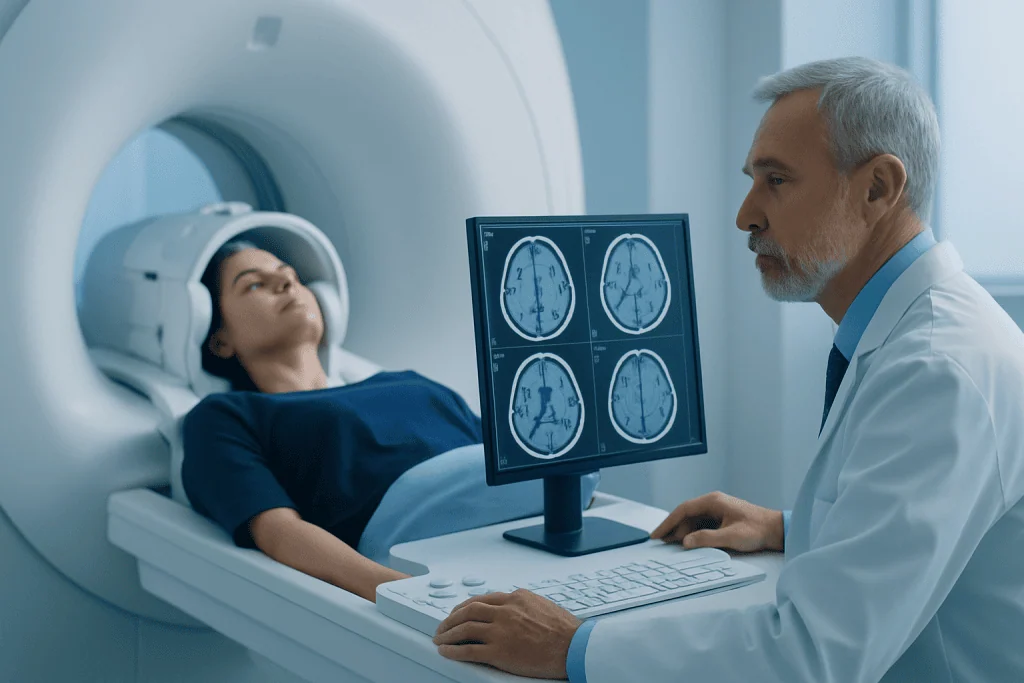
A cognitive neurologist treats many conditions that affect thinking and behavior. One major group includes neurodegenerative disorders, such as Alzheimer’s disease, frontotemporal dementia, dementia with Lewy bodies, and Parkinson’s disease dementia. These illnesses can present with different patterns, including memory loss, personality change, language difficulty, visual-spatial problems, or slowed thinking.
They also evaluate non-degenerative causes of cognitive change. These may include stroke and vascular dementia, traumatic brain injury, epilepsy, autoimmune encephalitis, multiple sclerosis, brain tumors, infections, metabolic disorders, and complications related to sleep disorders or substance use. In some people, depression, anxiety, or delirium can mimic dementia and need careful assessment.
Common reasons for referral include worsening forgetfulness, getting lost in familiar places, difficulty finding words, repeating questions, poor judgment, trouble managing medications or finances, changes in social behavior, and reduced ability to plan tasks. A cognitive neurologist may also assess unusual symptoms such as seeing things that are not there, sudden personality shifts, or language loss that appears before memory problems.
Because the same symptom can have different causes, specialist evaluation is valuable. For example, memory trouble may result from medication side effects, vitamin deficiency, thyroid disease, sleep apnea, or depression rather than progressive dementia. Identifying reversible or treatable causes is an important part of care.
Symptoms That May Prompt an Evaluation
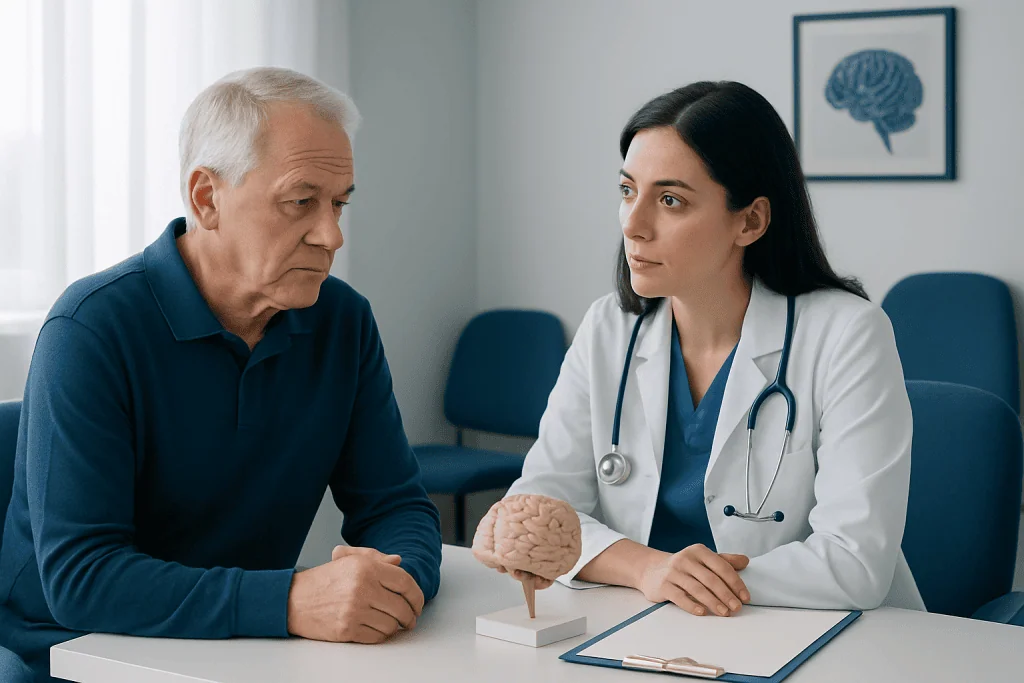
People are often referred to a cognitive neurologist when changes begin to affect daily functioning or become more noticeable over time. Symptoms may involve short-term memory, such as forgetting recent conversations, appointments, or where items were placed. Others may notice difficulty following instructions, handling complex tasks, concentrating, or learning new information.
Language changes are also common reasons for evaluation. A person may struggle to find the right word, understand conversation, name familiar objects, or follow reading and writing tasks. In some disorders, behavior or personality changes appear first, including apathy, impulsivity, reduced empathy, irritability, or loss of social judgment.
Visual-spatial problems can make driving, navigating, judging distances, or recognizing faces and objects more difficult. Executive function problems may show up as disorganization, mistakes in finances, missed medications, or trouble managing work or household responsibilities. Family members often notice these changes before the patient does.
Urgent evaluation may be needed when symptoms come on suddenly, worsen rapidly, or are accompanied by weakness, severe confusion, seizures, fever, headache, or changes in consciousness. These patterns can suggest stroke, infection, inflammation, or another acute neurological problem that requires prompt medical attention.
How Diagnosis Is Made
Diagnosis begins with a detailed medical history. The cognitive neurologist asks about the exact symptoms, when they started, how they have changed, and how they affect work, home life, and safety. Input from a family member or close friend is often very helpful because they may notice gradual changes that the patient does not recognize.
A neurological examination checks strength, reflexes, coordination, sensation, balance, eye movements, speech, and other nervous system functions. The doctor also performs brief cognitive screening and may refer the patient for more formal neuropsychological testing. These tests assess memory, attention, language, executive function, visual-spatial skills, and processing speed in greater detail.
Additional tests may be recommended to look for causes or contributing factors. These can include blood tests for vitamin deficiencies, thyroid disease, infection, inflammation, or metabolic problems. Brain imaging, such as brain MRI, helps evaluate stroke, tumors, atrophy patterns, bleeding, hydrocephalus, and other structural causes. In selected cases, EEG testing may be used if seizures or episodes of altered awareness are suspected.
Some patients may need advanced assessment, such as lumbar puncture, sleep evaluation, or specialized imaging depending on the clinical picture. The most important aim is not just to name a disease, but to understand the specific pattern, stage, and likely cause of symptoms so treatment can be tailored appropriately.
Treatment and Long-Term Management
Treatment depends on the diagnosis. If a reversible factor is found, care focuses on correcting it whenever possible. This may include adjusting medications, treating sleep apnea, addressing depression, correcting nutritional deficiencies, controlling thyroid disease, or managing infection or inflammation. If the cause is a progressive neurodegenerative condition, treatment aims to slow decline where possible, reduce symptoms, and support function and quality of life.
Medication may be used in some forms of dementia or to manage related symptoms such as anxiety, sleep problems, agitation, depression, or hallucinations. Non-drug approaches are equally important. These may include cognitive rehabilitation, speech and language therapy, occupational therapy, structured routines, memory aids, exercise, hearing correction, and better sleep habits. For selected patients, neurological rehabilitation can support independence and safety.
The cognitive neurologist also helps with practical planning. This may involve driving safety, work adjustment, fall prevention, medication management, home modifications, and future care decisions. Family and caregiver education is a central part of treatment because understanding the condition can reduce stress and improve day-to-day care.
Ongoing follow-up matters because cognitive disorders can evolve over time. The diagnosis may become clearer as symptoms develop, and treatment needs often change. Monitoring also helps detect complications such as weight loss, poor sleep, depression, wandering, or caregiver burnout.
Prevention, Brain Health, and Self-Care
Not all causes of cognitive decline can be prevented, but healthy habits support brain function and may reduce risk. Good control of blood pressure, diabetes, cholesterol, and heart disease is important because vascular health strongly affects brain health. Avoiding smoking, limiting alcohol, staying physically active, and maintaining a balanced diet are also widely recommended.
Sleep, hearing, vision, and mental health deserve attention as well. Poor sleep, untreated hearing loss, isolation, and depression can all worsen cognitive performance and quality of life. Social engagement, regular routines, and activities that challenge the mind may help support overall cognitive wellness, even though they do not guarantee prevention of dementia.
For people already experiencing symptoms, self-care often means simplifying daily tasks and reducing avoidable stress. Helpful measures can include calendars, reminder apps, pill organizers, labels, written instructions, and keeping important objects in the same place. Family members can help by using clear communication, offering one step at a time, and preserving the person’s dignity and independence where possible.
Regular medical follow-up is important because cognition can be affected by many overlapping issues. Treating infections promptly, reviewing medications, staying hydrated, and managing pain or constipation can make a noticeable difference, especially in older adults who are vulnerable to sudden confusion.
When to See a Cognitive Neurologist
A specialist assessment is appropriate when memory or thinking changes are persistent, progressive, unusual for the person, or interfering with daily life. People should seek medical advice if they have trouble handling finances, managing medicines, finding words, navigating familiar places, following conversations, or making decisions they previously managed well. Earlier evaluation often brings more clarity, more treatment options, and better planning.
It is especially helpful to see a cognitive neurologist when the diagnosis is uncertain, symptoms start at a younger age than expected, behavior changes are prominent, language problems come first, or there is concern for a rare neurological cause. A specialist may also be needed if symptoms progress quickly or if standard evaluation has not explained them.
Families should seek urgent medical attention for sudden confusion, weakness, facial drooping, severe headache, seizures, fever, fainting, or major changes in alertness. These symptoms may point to an emergency rather than a slowly progressive cognitive disorder.
Near the end of the care journey, some patients benefit from treatment in specialized centers where neurology, geriatrics, imaging, rehabilitation, and supportive services work together. Acibadem International’s multidisciplinary specialists and JCI-accredited hospitals diagnose and treat cognitive and memory-related disorders for international patients when this level of coordinated care is needed.
Frequently asked questions
What is the difference between a cognitive neurologist and a general neurologist?
A general neurologist treats a wide range of nervous system disorders, including headaches, seizures, neuropathy, and stroke. A cognitive neurologist has focused expertise in memory, language, behavior, and other higher brain functions, especially when dementia or related conditions are suspected.
Does seeing a cognitive neurologist mean a person has dementia?
No. Many people are referred because of memory or thinking concerns, but the cause may be something other than dementia. Sleep problems, medication effects, depression, vitamin deficiency, thyroid disease, and other medical issues can also affect cognition.
What tests might a cognitive neurologist order?
Testing often includes a neurological exam, brief cognitive screening, and sometimes detailed neuropsychological testing. Blood tests and brain imaging are commonly used, and some patients may need further studies depending on their symptoms and medical history.
Can cognitive problems be treated?
Some causes can be improved or reversed, especially when they are linked to medications, metabolic issues, sleep disorders, or mood conditions. When the cause is a progressive brain disease, treatment usually focuses on symptom control, maintaining function, supporting safety, and helping families plan ahead.
When should a family member attend the appointment?
It is often very helpful for a family member or trusted friend to attend, especially when memory or judgment is affected. They can describe changes over time, share examples from daily life, and help the doctor understand how symptoms are affecting function.
Is memory loss always part of normal aging?
Mild slowing or occasional forgetfulness can happen with age, but persistent or worsening problems are not considered a normal part of aging. If symptoms interfere with daily activities or seem out of character, a medical evaluation is advisable.
References
- World Health Organization
- National Institute on Aging
- Alzheimer's Association
- American Academy of Neurology
- National Institute of Neurological Disorders and Stroke
This article is for general information only and is not a substitute for professional medical advice. Please consult a qualified doctor about your individual situation.
Explore treatments in Turkey — costs, top hospitals & a free quote
JCI-accredited · board-certified surgeons · reply within 24h
Add us as a Preferred Source to see more of our trusted health content across Google Search, AI Overviews and Discover.