Tension and Stress Headaches: Causes, Symptoms, and Relief

Tension and stress headaches typically cause a dull, pressing, or tightening pain on both sides of the head. Common triggers include emotional stress, poor sleep, dehydration, eye strain, and muscle tension in the neck and shoulders.
Key Takeaways
- Tension and stress headaches typically cause a dull, pressing, or tightening pain on both sides of the head.
- Common triggers include emotional stress, poor sleep, dehydration, eye strain, and muscle tension in the neck and shoulders.
- Most tension headaches are not dangerous, but frequent or changing headaches should be assessed by a doctor.
- Treatment may include rest, hydration, stress management, physical measures, and over-the-counter or prescribed medicines.
- Preventing recurring headaches often involves regular sleep, exercise, posture support, and limiting medication overuse.
Tension and stress headaches are among the most common types of headache. They often cause a dull, pressing pain or a tight band-like feeling around the head and can usually be managed with lifestyle changes, stress reduction, and medical guidance when needed.
Overview
Tension and stress headaches are very common and can affect people of all ages. They are often described as a steady pressure, tightness, or dull ache rather than a throbbing pain. Many people feel the discomfort across the forehead, at the temples, or around the back of the head and neck.
Although the term “stress headache” is widely used, doctors usually classify these headaches as tension-type headaches. Stress is one of the most common triggers, but it is not the only cause. Muscle tension, poor sleep, skipped meals, dehydration, and long hours at a desk or screen can also contribute.
Tension headaches may happen occasionally or become more frequent over time. Episodic headaches occur from time to time, while chronic tension headaches happen on many days each month. Understanding the pattern of symptoms can help guide treatment and prevention.
In most cases, tension headaches are not a sign of a serious illness. Still, a new headache, a sudden severe headache, or headaches with unusual neurological symptoms should always be evaluated promptly by a qualified doctor.
Symptoms of Tension and Stress Headaches
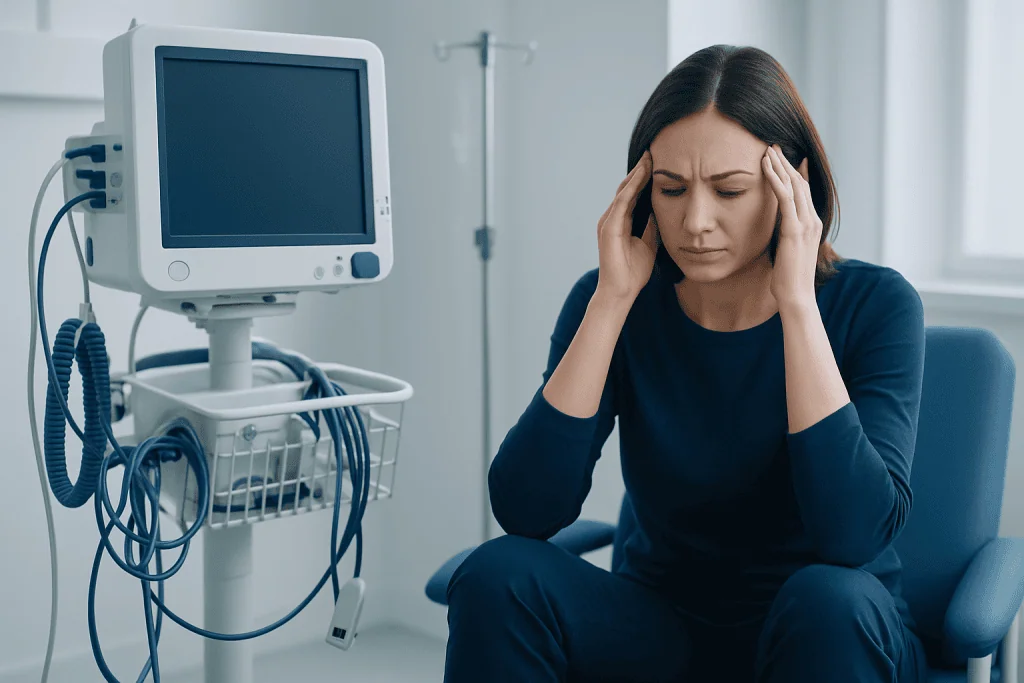
The main symptom is usually a mild to moderate pain that feels pressing, tightening, or band-like. Unlike some other headaches, the pain is often felt on both sides of the head. Some people also notice tenderness in the scalp, neck, or shoulder muscles.
Tension headaches do not usually cause the intense throbbing commonly associated with migraine. Nausea is uncommon, and vomiting is not typical. Some people may feel sensitive to light or sound, but usually not both together in a strong way.
Symptoms can last from 30 minutes to several hours, and in some people they may continue longer. The headache may build gradually during the day, especially during periods of mental strain, prolonged sitting, or emotional stress.
- Dull, aching head pain
- Pressure or tightness around the forehead or sides of the head
- Tenderness in the scalp, neck, or shoulder muscles
- Pain that is mild to moderate rather than severe
- Symptoms that worsen during stress, fatigue, or poor posture
Causes and Risk Factors

The exact cause of tension headaches is not always clear. They are thought to involve a combination of pain sensitivity, muscle tension, and nervous system responses to physical or emotional stress. Tight muscles in the neck, jaw, scalp, and shoulders may play a role in some people, especially when headaches are linked to posture or long periods of desk work.
Stress is one of the best-known triggers. Emotional strain, anxiety, mental overload, and poor sleep can increase the likelihood of a headache. Physical triggers also matter. These include dehydration, skipping meals, fatigue, eyestrain, and spending many hours looking at a screen without breaks.
Some people are more likely to develop frequent headaches because of daily habits or underlying health issues. Jaw clenching, teeth grinding, and neck problems can contribute. A person with another headache disorder, such as migraine, may also have tension-type headaches at different times.
Risk factors and triggers commonly include:
- Emotional stress or anxiety
- Inadequate sleep or irregular sleep schedules
- Dehydration or missed meals
- Poor posture and prolonged computer use
- Neck and shoulder muscle strain
- Excess caffeine or caffeine withdrawal
- Overuse of pain-relief medicines
How Doctors Diagnose Tension Headaches
Diagnosis usually begins with a careful review of symptoms. A doctor will ask where the pain is felt, how often it happens, how long it lasts, what it feels like, and whether anything triggers or relieves it. This history is often the most important part of identifying tension-type headaches.
A physical examination may focus on the head, neck, jaw, and nervous system. Doctors look for muscle tenderness, posture-related strain, or signs that suggest another cause of headache. In many people with a typical history, no special test is needed.
Imaging tests such as MRI or CT are not routinely required for straightforward tension headaches. However, they may be recommended if the headache pattern is new, changing, unusually severe, or accompanied by warning signs such as weakness, confusion, fever, or vision loss. Depending on the symptoms, a doctor may also consider other conditions, including cluster headache or sinus-related pain.
Keeping a headache diary can be very helpful. Recording sleep, stress levels, meals, hydration, menstruation, caffeine use, and medicine use may reveal patterns and guide treatment decisions.
Treatment Options and Headache Relief
Treatment depends on how often the headaches occur and how much they affect daily life. Many occasional tension headaches improve with simple measures such as resting in a quiet room, drinking water, eating a balanced meal, applying heat to tight neck muscles, or doing gentle stretching. Relaxation techniques, breathing exercises, and short breaks from screens may also help.
Over-the-counter pain relievers can be useful for occasional headaches when taken as directed by a doctor or according to the product label. However, frequent use can lead to medication-overuse headache, in which headaches become more common or harder to control. Anyone relying on pain medicines regularly should speak with a healthcare professional.
For frequent or chronic tension headaches, doctors may suggest preventive strategies rather than only treating each episode. These can include stress management, sleep improvement, physical therapy, posture correction, and treatment of contributing issues such as jaw clenching or neck strain. In some cases, prescription medicines may be considered to reduce headache frequency.
If headaches are persistent, disabling, or difficult to diagnose, specialist evaluation may be appropriate. Neurology consultation and, when needed, targeted tests such as MRI scanning can help rule out other causes. For headache patterns linked to muscle tension or spine mechanics, structured rehabilitation approaches and physical therapy and rehabilitation may also be recommended.
Prevention and Self-care
Prevention often focuses on reducing triggers and supporting the body’s normal stress response. A regular daily routine can make a meaningful difference. Consistent sleep, hydration, regular meals, and moderate physical activity help many people experience fewer headaches over time.
Posture matters, especially for people who work at a computer or spend long periods reading or driving. Adjusting the desk, chair, and screen height, taking stretch breaks, and relaxing the shoulders can reduce tension in the neck and scalp muscles. For some people, attention to jaw tension and avoiding clenching also helps.
Stress management is another key part of prevention. Practical methods include mindfulness, breathing exercises, yoga, counseling, and setting realistic work-rest boundaries. These approaches do not remove all stress, but they can reduce the body’s tendency to react with muscle tightness and headache.
- Drink water regularly throughout the day
- Do not skip meals
- Maintain a regular sleep schedule
- Take breaks from screens and repetitive tasks
- Stretch the neck and shoulders gently
- Exercise most days of the week if medically appropriate
- Limit frequent use of pain medicines unless a doctor advises otherwise
When to See a Doctor
Many tension headaches can be managed safely at home, but medical advice is important when headaches are frequent, worsening, or interfering with work, sleep, or quality of life. A doctor can confirm the diagnosis, look for contributing factors, and suggest a treatment plan that fits the individual pattern of symptoms.
Prompt evaluation is especially important if a headache starts suddenly and severely, follows a head injury, or occurs with fever, confusion, fainting, weakness, numbness, trouble speaking, seizures, or vision changes. These features are not typical of a simple tension headache and need urgent medical attention.
People should also seek care if they are taking pain relievers often, because medicine overuse can create a cycle of recurring headaches. In children, older adults, pregnant individuals, or anyone with a history of cancer or immune system problems, new headaches deserve careful assessment.
For patients who need further evaluation or multidisciplinary care, Acibadem International’s specialists in JCI-accredited hospitals diagnose and treat headache disorders for international patients, with access to neurology assessment and supportive services when appropriate.
Frequently asked questions
What does a tension or stress headache feel like?
It usually feels like a dull, steady pressure or tightness around the head, often described as a band-like sensation. The pain is commonly mild to moderate and may involve the neck or shoulders as well.
Can stress alone cause headaches?
Stress is a very common trigger, but it is usually not the only factor. Poor sleep, dehydration, skipped meals, muscle tension, and long periods of screen use often work together with stress to bring on a headache.
How are tension headaches different from migraines?
Tension headaches usually cause a pressing or tightening pain on both sides of the head and are less likely to cause nausea or severe sensitivity to light and sound. Migraines often cause throbbing pain, may affect one side more than the other, and can be associated with nausea, vomiting, or sensory symptoms.
Are chronic tension headaches serious?
Chronic tension headaches are not usually dangerous, but they can significantly affect daily life and deserve medical attention. Frequent headaches can also sometimes be related to medication overuse, sleep problems, posture issues, or another headache disorder.
What helps relieve a tension headache quickly?
Rest, hydration, a light meal if one was missed, gentle neck stretching, and time away from screens can help. Some people also benefit from a warm compress, relaxation breathing, or doctor-approved pain relief medicine used occasionally.
When should someone worry about a headache?
A headache should be assessed urgently if it is sudden and severe, follows a head injury, or happens with symptoms such as weakness, confusion, fever, seizures, or vision changes. A doctor should also review headaches that are new, changing, or becoming frequent.
References
- World Health Organization
- International Headache Society
- National Institute of Neurological Disorders and Stroke
- Mayo Clinic
- American Migraine Foundation
This article is for general information only and is not a substitute for professional medical advice. Please consult a qualified doctor about your individual situation.
Explore treatments in Turkey — costs, top hospitals & a free quote
JCI-accredited · board-certified surgeons · reply within 24h
Add us as a Preferred Source to see more of our trusted health content across Google Search, AI Overviews and Discover.