Preparing for a Memory Clinic Appointment: Records, Questions, and What to Expect

Bringing medical records, medication lists, and examples of symptoms helps the care team assess memory concerns more accurately. A memory clinic visit often includes questions about daily function, a physical exam, and brief thinking tests.
Key Takeaways
- Bringing medical records, medication lists, and examples of symptoms helps the care team assess memory concerns more accurately.
- A memory clinic visit often includes questions about daily function, a physical exam, and brief thinking tests.
- Family members or trusted companions can provide useful observations and support during the appointment.
- Memory problems do not always mean dementia; many causes are treatable or manageable.
- Writing down questions in advance can help patients and caregivers leave with a clearer care plan.
A memory clinic appointment helps doctors understand changes in memory, thinking, behavior, or daily function. Good preparation can make the visit smoother, more informative, and more reassuring for both the patient and family.
Overview: What a Memory Clinic Appointment Is For
A memory clinic appointment is a specialist visit focused on changes in memory, thinking, language, attention, behavior, or the ability to manage everyday tasks. The goal is not simply to label a problem, but to understand what may be causing the symptoms and whether they reflect normal aging, mild cognitive changes, depression, medication effects, sleep problems, or a condition that needs specific treatment.
Memory clinics often involve neurologists, geriatricians, psychiatrists, neuropsychologists, nurses, and other professionals who assess brain health from several angles. This team approach helps build a clearer picture of a person’s symptoms, medical history, and daily functioning.
For many people, the first visit feels worrying because memory changes can affect independence and family life. In practice, the appointment is usually structured and supportive. It gives patients and caregivers a chance to describe concerns, ask questions, and start planning next steps in a calm, organized setting.
Who May Benefit From a Memory Clinic Evaluation
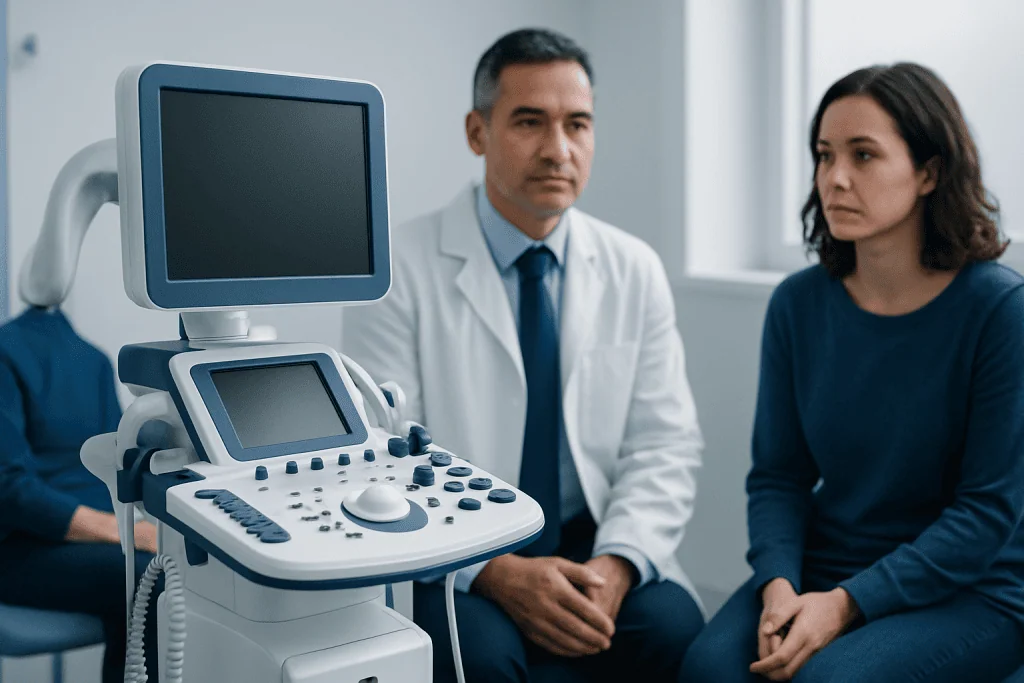
A memory clinic can be helpful for adults who have ongoing forgetfulness, repeated questions, missed appointments, trouble managing finances or medicines, getting lost in familiar places, language difficulties, or noticeable changes in judgment or personality. It may also be recommended when family members notice changes that the patient does not fully recognize.
Doctors may suggest a memory assessment if symptoms are affecting work, safety, driving, household management, or social functioning. Evaluation is also useful when memory problems appear suddenly, worsen quickly, or occur alongside confusion, falls, mood changes, or movement symptoms.
Not every memory complaint means a progressive brain disorder. Stress, poor sleep, anxiety, depression, vitamin deficiencies, thyroid problems, infections, hearing loss, and side effects from medicines can all affect thinking. A clinic visit helps separate these possibilities and decide what testing is appropriate.
How to Prepare: Records, Lists, and Practical Details

Preparation can make the visit more productive. Patients are usually encouraged to bring a photo ID, insurance or referral documents if needed, and copies of recent medical records. Helpful records may include prior clinic notes, hospital discharge summaries, brain scans, blood test results, hearing and vision reports, and any previous cognitive testing.
A complete medication list is especially important. This should include prescription medicines, over-the-counter drugs, vitamins, herbal products, sleep aids, and pain medicines, along with current doses if known. Some medicines can affect alertness, memory, or balance, so an accurate list helps the doctor look for possible contributors.
It is often useful to bring a family member, close friend, or caregiver who has observed the changes over time. That person can offer examples the patient may not remember during the visit. Bringing eyeglasses, hearing aids, dentures, and mobility aids can also help the assessment go more smoothly, because sensory difficulties may affect test performance.
Many clinics suggest writing down a short timeline before the appointment. This can include when symptoms began, whether they came on gradually or suddenly, what has changed since then, and which daily tasks have become harder. Clear examples are more helpful than general statements such as “memory is worse.”
Questions to Ask at the Appointment
Preparing questions in advance can help patients and families feel more confident. Common questions include: What might be causing these symptoms? Are the changes more than expected aging? What tests are needed? Are the symptoms likely to improve, stay stable, or progress over time?
It is also reasonable to ask how the condition may affect everyday life. Families may want guidance about driving, cooking, managing money, work, medication safety, fall prevention, and when extra supervision may be needed. Asking what warning signs should prompt urgent medical review can also be helpful.
Questions about treatment and support matter too. Patients can ask whether lifestyle changes, rehabilitation, counseling, or medicines might help, and whether referral for more detailed testing is appropriate. If a diagnosis such as Alzheimer’s disease or another memory disorder is being considered, understanding the next steps can reduce uncertainty.
- What do you think is the most likely cause of the symptoms?
- What tests are recommended, and what will they show?
- Could hearing, sleep, mood, or medication side effects be contributing?
- What can the patient and family do now to stay safe and support brain health?
- When should follow-up take place, and who should be contacted with new concerns?
What to Expect During the Visit
A memory clinic appointment usually begins with a detailed conversation about symptoms, overall health, and daily functioning. The doctor may ask about education, work history, mood, sleep, alcohol use, prior strokes or head injuries, and family history of dementia or neurological disease. Questions often focus on real-life tasks such as shopping, cooking, finances, transport, and medication management.
The patient will usually have a physical and neurological examination. This may include checking blood pressure, vision and hearing issues, walking, balance, reflexes, speech, and coordination. These clues can help identify whether symptoms fit a memory disorder, a movement disorder, vascular changes, or another neurological condition.
Brief cognitive tests are common during the visit. These may assess memory, attention, language, orientation, problem-solving, and visual-spatial skills. The tests are not meant to make the patient “pass” or “fail.” They help compare different areas of thinking and guide whether more detailed evaluation, such as neuropsychological testing, may be useful.
Some patients also need blood tests or brain imaging. Depending on the situation, the doctor may discuss tests such as MRI to look for stroke, shrinkage, fluid buildup, tumors, or other structural causes. If symptoms suggest more than one possible condition, the team may combine results from history, examination, and testing before giving a final diagnosis.
Possible Tests and Why They Are Ordered
Not every patient needs the same testing. The clinic chooses investigations based on age, symptoms, medical history, and how quickly the changes developed. Basic blood tests often check for conditions that can affect thinking, such as anemia, thyroid disease, vitamin deficiencies, infections, or metabolic problems.
Brain imaging may be advised to look for signs of stroke, bleeding, tumors, hydrocephalus, or patterns of brain change that support a diagnosis. Some people may need more detailed cognitive assessment, especially if symptoms are mild, unusual, or affecting work and independent living. In selected cases, the care team may discuss tests used in the evaluation of dementia or other neurodegenerative disorders.
Specialized testing can also help when mood symptoms, sleep disorders, or movement problems are part of the picture. For example, untreated depression can cause concentration and memory difficulties, while sleep apnea can lead to daytime confusion and poor attention. Understanding the whole person is essential to making the right diagnosis.
After the Appointment: Next Steps, Treatment, and Support
At the end of the visit, the doctor may be able to explain a likely cause of the symptoms, or they may recommend additional testing before reaching a conclusion. It is common to leave with a plan for blood work, imaging, medication review, follow-up appointments, and practical steps at home. Families may find it useful to take notes or ask for written instructions.
Treatment depends on the cause. If symptoms are linked to medications, poor sleep, low mood, vitamin deficiency, or another medical problem, addressing that issue may improve thinking. If a progressive condition is diagnosed, treatment often focuses on symptom management, safety, support services, and preserving quality of life as much as possible.
The care team may also suggest rehabilitation or supportive therapies. Depending on the patient’s needs, this may include neurology rehabilitation, speech-language support, occupational therapy, counseling, caregiver education, or memory strategies for daily life. Early planning can help reduce stress and maintain independence longer.
For international patients who need specialist assessment, Acibadem International’s multidisciplinary teams in JCI-accredited hospitals evaluate memory concerns and related neurological conditions with coordinated diagnostic and treatment planning.
When to Seek Medical Advice Promptly
Some memory changes develop gradually, but others need urgent attention. A doctor should assess symptoms promptly if confusion appears suddenly, fluctuates over hours or days, or is accompanied by fever, dehydration, severe sleepiness, hallucinations, head injury, or medication changes. These features may suggest delirium or another acute medical problem rather than a chronic memory disorder.
Urgent medical care is also important if memory or thinking changes occur with stroke warning signs such as one-sided weakness, facial drooping, slurred speech, sudden vision loss, severe headache, or sudden trouble walking. New seizures, fainting, rapid decline, or major safety concerns at home also need prompt review.
Even when symptoms are mild, it is wise not to ignore repeated changes that last for weeks or months. Early evaluation can identify reversible causes, support future planning, and help patients and families understand what to expect. If concerns are affecting everyday life, speaking with a qualified doctor is a sensible next step.
Frequently asked questions
Should a family member come to a memory clinic appointment?
Yes, bringing a family member, close friend, or caregiver is often very helpful. They may notice changes in daily life that the patient does not recall during the visit, and they can help remember the doctor’s advice afterward.
What records should be brought to a memory clinic visit?
Useful items include recent medical records, brain scan reports, blood test results, and a complete medication list. It also helps to bring a short timeline of symptoms and examples of changes in memory, behavior, or daily function.
Does memory loss always mean dementia?
No. Memory problems can also be related to stress, depression, sleep disorders, medication side effects, thyroid disease, vitamin deficiencies, hearing loss, and other medical conditions. A proper evaluation helps identify whether the cause is reversible, manageable, or progressive.
How long does a memory clinic appointment usually take?
The first visit is often longer than a standard clinic appointment because it includes detailed questions, examination, and cognitive testing. The exact length varies by clinic and by how complex the symptoms are.
Will the patient have brain imaging at the first visit?
Not always. The doctor decides whether imaging is needed based on the history, examination, and pattern of symptoms. If imaging is recommended, it may be arranged the same day or scheduled later.
How can someone prepare if they feel anxious about the appointment?
Writing down concerns and questions in advance can make the visit feel more manageable. Bringing a trusted companion, arriving early, and remembering that the assessment is meant to understand symptoms rather than judge performance can also help.
References
- World Health Organization
- National Institute on Aging
- Alzheimer's Association
- National Institute of Neurological Disorders and Stroke
- Centers for Disease Control and Prevention
This article is for general information only and is not a substitute for professional medical advice. Please consult a qualified doctor about your individual situation.
Explore treatments in Turkey — costs, top hospitals & a free quote
JCI-accredited · board-certified surgeons · reply within 24h
Add us as a Preferred Source to see more of our trusted health content across Google Search, AI Overviews and Discover.

More from the Health Library



Related Specialists

Dr. Mehmet Fatih Korkmaz
General Surgery
Prof. Dr. Ahmet Demirkaya
Thoracic Surgery
Prof. Dr. Murat Karaman
Otorhinolaryngology
Dr. Aylin Çimet Ayyıldız
Intensive Care