Stress Headache Relief: What Helps Tension and Stress Headaches

Stress headaches are commonly tension-type headaches linked to muscle tightness, stress, poor sleep, and posture strain. Typical symptoms include a dull, pressing pain on both sides of the head and tightness in the neck or shoulders.
Key Takeaways
- Stress headaches are commonly tension-type headaches linked to muscle tightness, stress, poor sleep, and posture strain.
- Typical symptoms include a dull, pressing pain on both sides of the head and tightness in the neck or shoulders.
- Relief often comes from rest, hydration, stretching, stress management, and appropriate pain medicines when advised.
- Frequent headaches may need medical evaluation to rule out migraine, medication overuse, or other causes.
- Sudden severe headache, weakness, confusion, fever, or vision changes need urgent medical attention.
Stress headache relief usually focuses on easing muscle tension, reducing triggers, and treating pain safely. Most stress-related headaches improve with self-care, but persistent or unusual headaches should be assessed by a doctor.
Overview
Stress headache relief is a common concern because headaches are one of the most frequent physical symptoms linked to daily stress. In many cases, a “stress headache” refers to a tension-type headache. This type of headache often feels like pressure or tightness around the forehead, temples, or back of the head rather than a throbbing pain.
Tension headaches may develop during emotionally stressful periods, after long hours at a desk, with poor sleep, or when the muscles of the neck and scalp become tight. Although these headaches can be uncomfortable and disruptive, they are usually not dangerous and often improve with simple measures such as rest, hydration, posture changes, and stress reduction.
It is still important to remember that not every headache caused during stress is a tension headache. Stress can also worsen migraine headaches and may contribute to patterns of frequent headache over time. A clear diagnosis helps guide the most appropriate treatment and prevention plan.
Symptoms of Stress and Tension Headaches
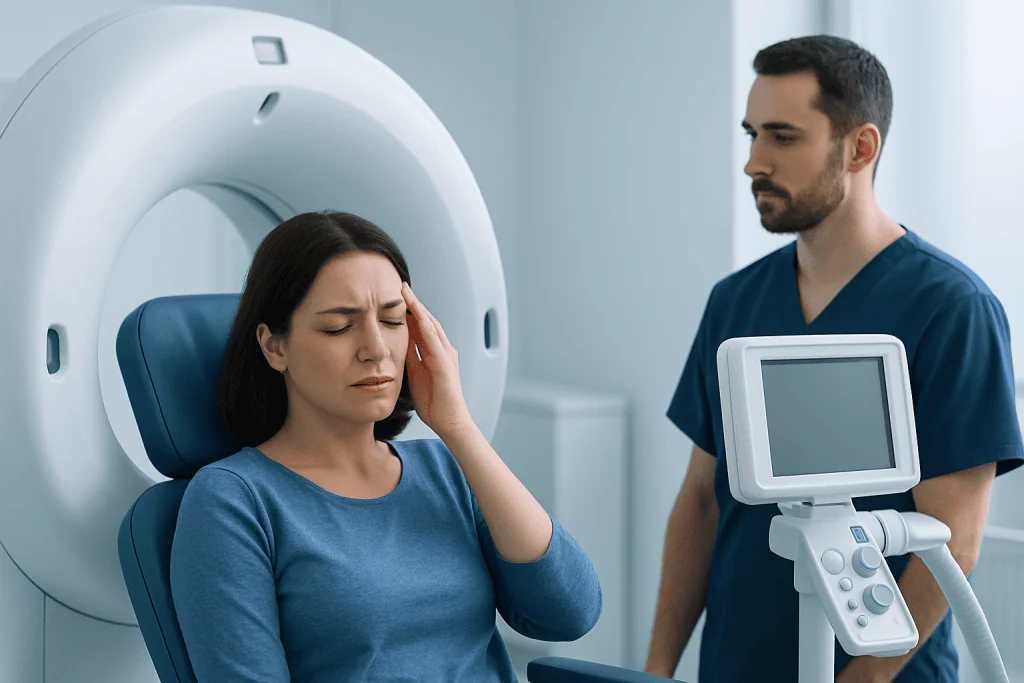
The most typical symptom is a dull, aching, or pressing pain that affects both sides of the head. Many people describe it as a tight band around the head or heaviness across the forehead. The pain is often mild to moderate rather than severe, but it can still interfere with concentration, work, and sleep.
Stress headaches may also come with muscle tenderness or tightness in the neck, shoulders, scalp, or jaw. Some people notice that the pain builds gradually during the day, especially after long periods of screen use, sitting, driving, or emotional strain. Unlike migraine, nausea and strong sensitivity to light or sound are usually absent or only mild.
Symptoms that may suggest a tension-type pattern include:
- Pressure or tightness rather than throbbing
- Pain on both sides of the head
- Neck and shoulder stiffness
- Scalp tenderness
- Headache that starts or worsens during stress or fatigue
- No major worsening with routine daily activity
If headaches are frequent, severe, or changing in pattern, a doctor may consider other possibilities such as migraine, sinus-related symptoms, jaw disorders, sleep problems, or cluster headache in selected cases.
Causes and Risk Factors

Stress headaches do not have one single cause. They are usually linked to a combination of factors that affect pain sensitivity, muscle tension, and the body’s response to physical or emotional strain. When stress rises, people may tighten the muscles of the face, jaw, scalp, neck, and shoulders without noticing it. This can contribute to the sensation of pressure and pain.
Common triggers and risk factors include emotional stress, anxiety, poor sleep, skipped meals, dehydration, eye strain, and long periods of poor posture. Working at a computer for many hours, clenching the jaw, or carrying tension in the shoulders may all play a role. Some people are also more likely to develop recurrent headaches if they have a family history of headache disorders.
Headaches can become more frequent if pain medicines are used too often. This may lead to a cycle in which temporary relief is followed by more headaches later. Doctors sometimes call this medication-overuse headache. For people with frequent or mixed headache symptoms, evaluation may also involve looking for other headache disorders and contributing lifestyle factors.
Keeping a simple headache diary can be helpful. Recording when the headache begins, how long it lasts, possible triggers, sleep quality, food intake, stress level, and medicine use can make patterns easier to identify.
Diagnosis
Diagnosis usually begins with a detailed medical history and physical examination. A doctor will ask about the location and quality of the pain, how often it happens, what seems to trigger it, and whether there are other symptoms such as nausea, vision changes, fever, weakness, or numbness. This history often provides the most important clues.
In many people with a typical pattern of tension-type headache, brain imaging is not necessary. However, tests may be recommended if the headache is new, unusually severe, rapidly changing, associated with neurologic symptoms, or if there are concerns about another underlying condition. The goal is to rule out less common but more serious causes.
During evaluation, the doctor may also check for neck muscle tenderness, jaw clenching, sinus symptoms, blood pressure issues, sleep concerns, and signs of stress or anxiety. In some cases, patients benefit from specialist assessment in neurology evaluation if the diagnosis is uncertain or headaches are difficult to control.
Treatment Options for Stress Headache Relief
Stress headache relief often starts with simple supportive measures. Resting in a quiet environment, drinking water, eating regularly, applying a warm compress to the neck or shoulders, and taking short breaks from screens can all help. Gentle stretching and improving posture may reduce muscle tightness that contributes to the pain.
Over-the-counter pain relievers may be useful for occasional headaches when taken as directed by a doctor or the product instructions. They should not be used too frequently, because repeated use can make headaches more common over time. If headaches occur often, a doctor may suggest a broader treatment plan rather than relying only on pain medicine.
Stress management is often a key part of treatment. Useful approaches may include relaxation breathing, mindfulness, regular exercise, physical therapy, sleep improvement, and counseling when emotional stress or anxiety is contributing. For some people, care may involve physical therapy and rehabilitation to improve posture, neck mobility, and muscle tension.
When headaches are frequent, chronic, or difficult to classify, specialist care may help. This can include a structured plan for prevention and trigger management, and in some cases advanced assessment such as MRI imaging if a doctor believes further investigation is needed.
Prevention and Self-care
Preventing stress headaches often depends on small daily habits. Regular sleep, enough water, balanced meals, and consistent physical activity support the body’s resilience to stress. Avoiding long periods without food or rest may reduce the likelihood of headache later in the day.
Workstation ergonomics can make a meaningful difference. Keeping the screen at a comfortable height, supporting the lower back, relaxing the shoulders, and taking brief movement breaks may reduce strain on the neck and upper back. People who clench their jaw may also benefit from becoming more aware of tension during the day.
Helpful self-care strategies include:
- Maintaining a regular sleep schedule
- Drinking enough fluids throughout the day
- Taking stretching breaks during desk work
- Using stress-reduction techniques such as breathing exercises
- Limiting excessive caffeine and avoiding skipped meals
- Tracking headaches and possible triggers in a diary
If headaches are becoming frequent, it is wise to seek medical advice early rather than simply increasing medicine use. Preventive care can be more effective when contributing factors are identified and managed promptly.
When to See a Doctor
Most stress headaches are manageable, but some situations need medical attention. A person should see a doctor if headaches are happening often, disrupting daily life, not responding to usual self-care, or requiring pain relievers repeatedly. Medical review is also important if the diagnosis is unclear or symptoms seem different from past headaches.
Urgent evaluation is needed for a sudden severe headache that reaches maximum intensity quickly, especially if it is the worst headache a person has ever had. Emergency care is also important if headache occurs with weakness, fainting, confusion, fever, stiff neck, seizures, chest pain, head injury, new vision loss, or trouble speaking.
Pregnant individuals, older adults with a new headache, and people with cancer, immune suppression, or significant neurologic conditions should also discuss new or changing headaches with a clinician promptly. Near the end of the care pathway, some patients may benefit from coordinated specialist assessment; Acibadem International’s multidisciplinary specialists in JCI-accredited hospitals diagnose and treat headache conditions for international patients when more detailed evaluation is needed.
Frequently asked questions
What helps stress headache relief quickly?
Many people feel better with rest, hydration, a light meal if they have not eaten, and gentle stretching of the neck and shoulders. A warm compress, screen breaks, and relaxation breathing may also help. If needed, occasional pain relief medicine may be used as directed, but frequent use should be discussed with a doctor.
How can someone tell if it is a tension headache or a migraine?
A tension headache usually causes a dull, pressing pain on both sides of the head and often comes with neck or shoulder tightness. Migraine is more often throbbing, may affect one side more than the other, and can include nausea or stronger sensitivity to light and sound. Because symptoms can overlap, a doctor can help confirm the diagnosis.
Can stress alone cause headaches?
Stress can play a major role, but it is often not the only factor. Poor sleep, dehydration, skipped meals, posture strain, and jaw clenching commonly combine with stress to trigger headaches. Identifying these patterns can improve prevention.
When should frequent stress headaches be checked by a doctor?
A doctor should assess headaches that happen often, are getting worse, interfere with daily life, or lead to regular use of pain medicines. Medical review is also important if symptoms are new or do not fit a familiar pattern. An accurate diagnosis helps rule out other conditions and guide treatment.
Can posture really affect stress headaches?
Yes. Poor posture can strain the muscles of the neck, scalp, and shoulders, which may contribute to tension-type headaches. Improving desk setup, taking movement breaks, and doing stretching exercises can reduce this physical trigger.
Are stress headaches dangerous?
Most stress-related tension headaches are not dangerous and often improve with self-care and trigger management. However, some headaches can signal a more serious problem. Sudden severe headache or headache with neurologic symptoms, fever, confusion, or injury needs urgent medical attention.
References
- World Health Organization
- National Institute of Neurological Disorders and Stroke
- International Headache Society
- American Migraine Foundation
This article is for general information only and is not a substitute for professional medical advice. Please consult a qualified doctor about your individual situation.
Hair transplant in Turkey — costs, graft counts & a free assessment
JCI-accredited · board-certified surgeons · reply within 24h
Add us as a Preferred Source to see more of our trusted health content across Google Search, AI Overviews and Discover.