How to Find the Right Dementia Doctor for an Older Adult

A dementia doctor may be a geriatrician, neurologist, geriatric neurologist, psychiatrist, or memory clinic specialist. The right specialist should evaluate memory, thinking, mood, function, and possible reversible causes of symptoms.
Key Takeaways
- A dementia doctor may be a geriatrician, neurologist, geriatric neurologist, psychiatrist, or memory clinic specialist.
- The right specialist should evaluate memory, thinking, mood, function, and possible reversible causes of symptoms.
- Families can prepare by bringing a symptom timeline, medication list, medical records, and questions to the appointment.
- A good dementia care plan includes diagnosis, treatment, safety guidance, caregiver support, and follow-up.
- Urgent medical review is needed if confusion starts suddenly, worsens rapidly, or occurs with fever, stroke symptoms, or major behavior change.
Finding the right dementia doctor can make diagnosis clearer, treatment more coordinated, and daily life safer for an older adult. The best choice often depends on symptoms, medical history, and whether the person needs evaluation, medication management, or long-term support.
Overview: What a Dementia Doctor Does
A dementia doctor is a physician with experience in evaluating memory loss, changes in thinking, and behavior in older adults. This doctor helps determine whether symptoms are due to dementia, mild cognitive impairment, depression, medication side effects, sleep problems, vitamin deficiencies, thyroid disease, stroke, or other medical conditions. Because memory changes can have more than one cause, a careful assessment is important.
The term “dementia doctor” does not refer to a single specialty. Depending on the person’s needs, the most appropriate clinician may be a geriatrician, neurologist, geriatric neurologist, psychiatrist, or a doctor working in a memory clinic. Some people start with a primary care doctor and are then referred to a specialist for more detailed testing and treatment planning.
Choosing the right doctor matters because dementia care goes beyond naming a condition. It usually includes reviewing medications, checking for treatable contributors, discussing safety at home, monitoring changes over time, and supporting family caregivers. A doctor who communicates clearly and listens carefully can make a stressful process more manageable for both the older adult and loved ones.
Which Specialist May Be the Best Fit
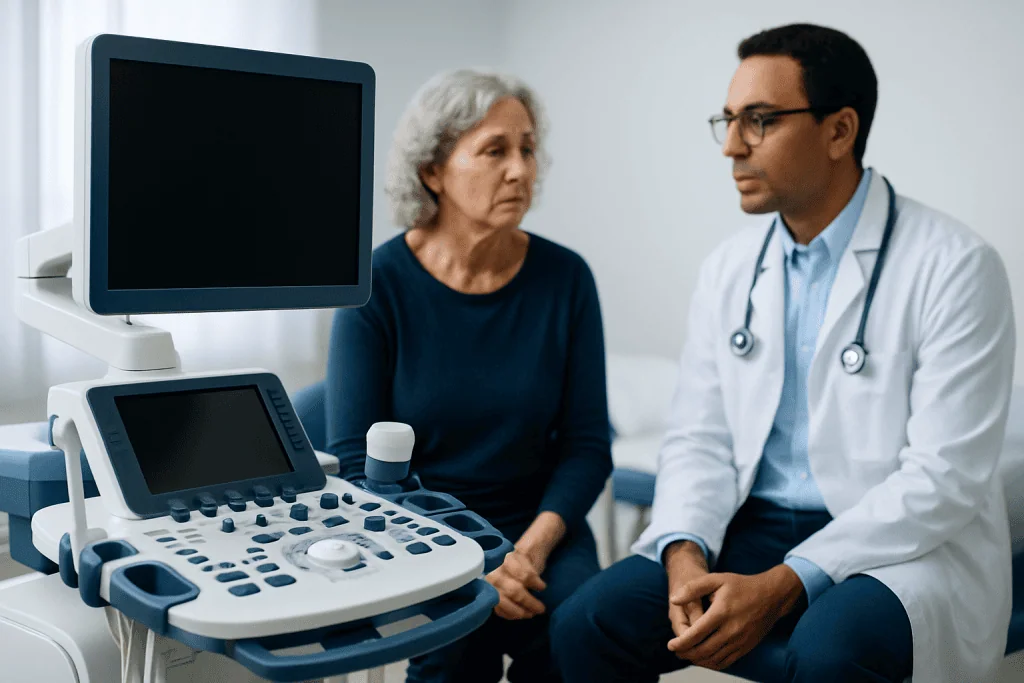
The best dementia doctor often depends on the person’s symptoms and overall health. A geriatrician focuses on the complex medical needs of older adults and may be especially helpful when memory problems occur alongside frailty, falls, multiple chronic conditions, or many medications. A neurologist or geriatric neurologist is often a good choice when there are concerns about Alzheimer’s disease, Parkinson’s disease, stroke, unusual movement symptoms, or a more complex neurological cause.
A psychiatrist may be involved when memory complaints overlap with depression, anxiety, hallucinations, severe sleep disturbance, agitation, or major behavior changes. In many cases, the most effective care is multidisciplinary, combining medical evaluation with neuropsychology, nursing, rehabilitation, and social work support. A memory clinic can be helpful when a family wants a more structured assessment.
Families may ask whether a doctor has regular experience diagnosing common causes of dementia, such as Alzheimer’s disease, vascular cognitive impairment, or Lewy body dementia. They may also ask whether the specialist coordinates with primary care and whether follow-up visits include practical guidance on driving, daily activities, medication use, and caregiver stress. Comfort, trust, and good communication are just as important as credentials.
- Geriatrician: often best for older adults with multiple health issues
- Neurologist or geriatric neurologist: often best for complex memory and nervous system symptoms
- Psychiatrist: often best when mood, psychosis, or behavior symptoms are prominent
- Memory clinic team: often best for broad, coordinated assessment
Signs It Is Time to Seek an Evaluation

Occasional forgetfulness can happen with normal aging, stress, poor sleep, or illness. However, an older adult should be evaluated when memory or thinking changes begin to affect daily life. Examples include repeating questions often, getting lost in familiar places, missing bills, struggling to follow conversations, poor judgment, losing track of medications, or having more difficulty with cooking, shopping, or personal care.
Behavior and personality changes can also be important clues. Increased apathy, irritability, suspiciousness, withdrawal from social activities, or a noticeable decline in planning and decision-making may signal a need for assessment. Some forms of dementia also involve changes in movement, balance, language, or visual processing.
Families should not assume that all confusion in an older person is dementia. Sudden confusion may be delirium, which is a medical emergency often triggered by infection, dehydration, medication effects, or other acute illness. Urgent evaluation is especially important if symptoms start abruptly or come with fever, head injury, stroke warning signs, severe drowsiness, hallucinations, or a rapid decline over days to weeks.
How Dementia Is Diagnosed
A good dementia evaluation usually begins with a detailed history. The doctor asks when symptoms began, how they have changed over time, and how they affect daily life. Input from a family member or caregiver is often very valuable, because the person with symptoms may not notice all changes. The doctor also reviews mood, sleep, hearing, vision, falls, alcohol use, and all prescription and nonprescription medicines.
The examination may include tests of memory, attention, language, problem-solving, and orientation. Physical and neurological examinations help identify signs that point to particular conditions. Blood tests may be used to look for treatable causes such as vitamin deficiency, thyroid problems, infection, or metabolic imbalance. Brain imaging can sometimes help identify stroke, bleeding, pressure-related changes, or patterns that support a dementia diagnosis. In selected cases, a doctor may recommend MRI as part of the evaluation.
Some patients benefit from formal neuropsychological testing, which gives a more detailed picture of cognitive strengths and weaknesses. This can be helpful when the diagnosis is not clear, when symptoms are mild, or when depression and anxiety may be affecting performance. If symptoms suggest a broader neurological condition, the doctor may also consider related disorders such as Parkinson’s disease.
Diagnosis is not always completed in one visit. Dementia develops over time, and follow-up appointments are often needed to review test results, observe progression, and refine the care plan. Families should feel comfortable asking what the doctor believes is most likely, what other possibilities are being considered, and what the next steps will be.
What to Look for When Choosing a Dementia Doctor
When comparing doctors, families can look beyond titles alone. A strong choice is a clinician who regularly sees older adults with memory disorders, explains findings in simple language, and takes time to ask about function, behavior, home safety, and caregiver concerns. It also helps when the doctor is practical and willing to discuss both medical treatment and everyday challenges.
Questions to ask may include whether the doctor treats different types of dementia, how appointments are structured, whether cognitive testing is offered, and how the office handles follow-up questions. Families may also ask if the doctor works with therapists, psychiatrists, social workers, or rehabilitation specialists. When walking, balance, or post-stroke issues are part of the picture, the care plan may sometimes include physical therapy and rehabilitation.
Accessibility matters too. Older adults often do better with a doctor whose clinic is reasonably easy to reach, whose staff communicates clearly, and whose follow-up process is organized. Because dementia care is usually long term, a practice that offers continuity and coordination can reduce stress for everyone involved.
Near the end of the decision process, families may choose a center with multidisciplinary dementia care. Acibadem International’s multidisciplinary specialists and JCI-accredited hospitals diagnose and treat memory and cognitive disorders for international patients, which may be helpful when coordinated specialist assessment is needed.
How to Prepare for the First Appointment
Preparation can make the first visit more useful. Families should bring a list of current symptoms, when they started, and examples of how they affect daily tasks. A written timeline can help the doctor identify whether changes have been gradual, stepwise, or sudden. Bringing a relative or caregiver who knows the person well is often very helpful.
It is also useful to bring a complete medication list, including over-the-counter drugs, sleep aids, supplements, and any recent medication changes. Medical records related to stroke, head injury, depression, sleep apnea, thyroid disease, hearing loss, or previous cognitive testing can save time. If available, copies of prior brain scans or lab results may also help.
Families may want to prepare questions such as:
- What is the most likely cause of these symptoms?
- Are there any reversible or treatable contributors?
- What tests are needed, and why?
- Is it safe for the person to drive, cook alone, or manage medicines?
- What treatments or therapies may help now?
- How often should follow-up visits happen?
If the older adult feels anxious about the appointment, it can help to explain that the goal is not simply to label a problem but to understand what is happening and improve quality of life. A calm, respectful approach often makes the visit easier.
Treatment, Follow-Up, and Ongoing Support
Treatment depends on the cause of the symptoms. If the doctor finds a reversible problem, such as a medication effect, thyroid disorder, vitamin deficiency, depression, or sleep issue, treating that problem may improve cognition. When dementia is confirmed, care usually focuses on symptom management, preserving function, and planning for future needs. Some people may be referred for neurology follow-up if symptoms are complex or progressive.
Medication may be part of care for certain dementia types, but it is only one part of a broader plan. Doctors also address sleep, hearing, vision, blood pressure, diabetes, activity level, and emotional health. Behavioral symptoms are often managed first with environmental changes, routine, reassurance, and caregiver strategies before considering medicines.
Regular follow-up is important because symptoms and needs can change. Ongoing visits allow the doctor to reassess cognition, review medication benefits and side effects, and discuss home safety, wandering risk, falls, nutrition, legal planning, and support services. Family caregivers should also be encouraged to speak up about stress, burnout, and the need for respite or counseling.
Even when a cure is not available, supportive care can make a meaningful difference. The right dementia doctor helps the older adult maintain dignity and function for as long as possible while helping the family plan ahead in a realistic, compassionate way.
Frequently asked questions
What kind of doctor is best for dementia?
The best doctor depends on the older adult’s symptoms and overall health. A geriatrician is often helpful for complex age-related medical issues, while a neurologist or geriatric neurologist may be best for memory loss with neurological symptoms. Many people benefit from a team approach that includes primary care, neurology, psychiatry, and rehabilitation support.
Should an older adult see a primary care doctor first for memory loss?
Yes, starting with a primary care doctor is often a practical first step. Primary care can check for common medical causes of confusion, review medications, and refer to the most suitable specialist if needed. If symptoms are clearly progressing or complex, specialist referral may be recommended early.
How do families know if memory problems are serious?
Memory changes deserve evaluation when they interfere with daily tasks, safety, communication, or independent living. Warning signs include getting lost, repeating questions often, poor judgment, trouble managing money or medicines, and personality changes. Sudden confusion is especially urgent and should not be assumed to be dementia.
What happens at a dementia evaluation?
The doctor reviews symptoms, medical history, medicines, mood, sleep, and daily function, often with input from a family member. The visit may include cognitive testing, a physical and neurological exam, and blood tests or brain imaging. Sometimes additional neuropsychological testing is recommended for a more detailed assessment.
Can dementia symptoms be caused by something else?
Yes. Depression, sleep problems, infections, medication side effects, thyroid disease, vitamin deficiency, hearing loss, and delirium can all affect memory and thinking. That is why a careful medical evaluation is important before concluding that dementia is the cause.
What questions should families ask a dementia doctor?
Helpful questions include what the likely diagnosis is, what tests are needed, whether any causes may be reversible, and what treatments or supports may help. Families can also ask about driving, home safety, medication management, and how often follow-up should occur. Clear communication is a sign of a good long-term care partner.
References
- World Health Organization
- National Institute on Aging
- Alzheimer's Association
- American Academy of Neurology
- National Institute of Neurological Disorders and Stroke
This article is for general information only and is not a substitute for professional medical advice. Please consult a qualified doctor about your individual situation.
Dementia in Turkey — costs, top hospitals & a free quote
JCI-accredited · board-certified surgeons · reply within 24h
Add us as a Preferred Source to see more of our trusted health content across Google Search, AI Overviews and Discover.

Neurology
Diagnosis and treatment of disorders of the brain, spinal cord, nerves and muscles.
51 specialists in this unit