Headache in Pregnancy: Which Medicines Are Safer and When to Call a Doctor

Many headaches during pregnancy improve with hydration, rest, regular meals, and stress reduction. Acetaminophen is commonly considered the safer first-choice pain reliever in pregnancy when approved by a doctor.
Key Takeaways
- Many headaches during pregnancy improve with hydration, rest, regular meals, and stress reduction.
- Acetaminophen is commonly considered the safer first-choice pain reliever in pregnancy when approved by a doctor.
- Some headache medicines, including many NSAIDs and certain migraine drugs, may not be suitable during pregnancy.
- A sudden severe headache, headache with high blood pressure, vision changes, or neurologic symptoms needs urgent medical assessment.
- Frequent or changing headaches should be discussed with an obstetrician or other qualified clinician.
Headache in pregnancy is common and is often related to hormonal changes, dehydration, fatigue, or stress. Many headaches are not dangerous, but some can signal a condition that needs prompt medical attention, so it is important to know which medicines are generally considered safer and which warning signs should not be ignored.
Overview
Headache in pregnancy is a common concern. Hormonal shifts, changes in blood volume, nausea, poor sleep, stress, and missed meals can all contribute to head pain during pregnancy. For many people, headaches are mild to moderate and improve with simple self-care measures.
At the same time, pregnancy changes the way medicines are used. A pain reliever that was acceptable before pregnancy may no longer be the best choice, especially at certain stages of pregnancy. This is why pregnant patients are usually advised to check with their doctor, midwife, or pharmacist before taking any over-the-counter or prescription headache medicine.
Most headaches in pregnancy are not a sign of a serious illness. However, new, unusually severe, or persistent headaches should not be ignored. In some cases, headache can be linked to conditions such as high blood pressure, preeclampsia, infection, or less commonly a neurological problem, so careful assessment is important.
Symptoms and Types of Headache During Pregnancy
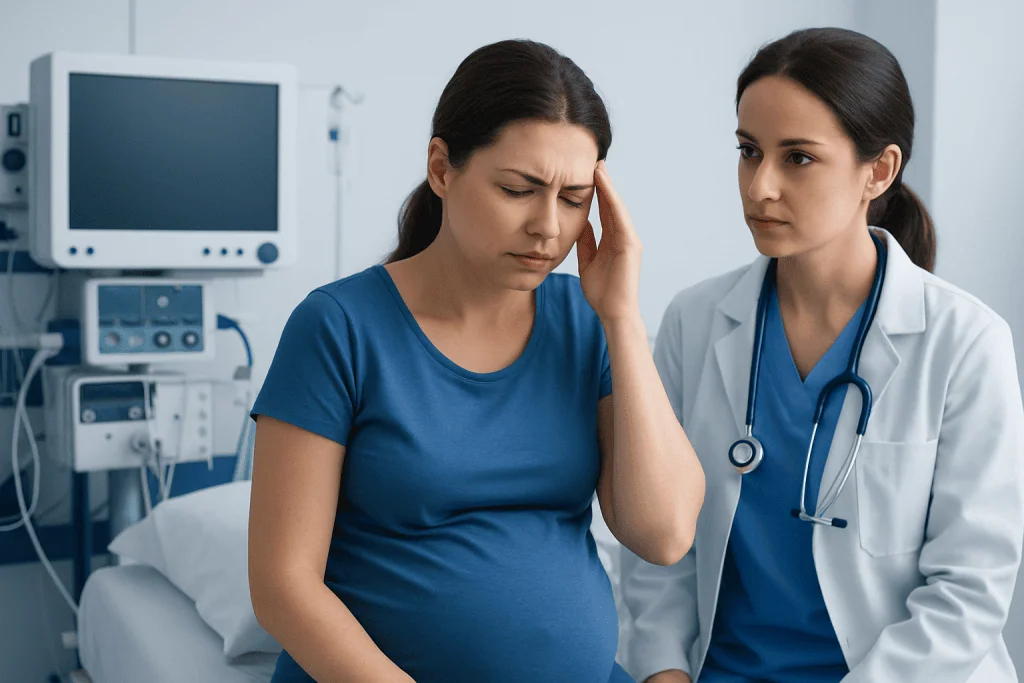
Headaches can feel different depending on the cause. A tension-type headache often causes a dull, tightening, or pressure-like pain on both sides of the head or across the forehead. It may be linked with stress, poor posture, fatigue, or muscle tension in the neck and shoulders.
Migraine during pregnancy may cause throbbing or pulsating pain, often on one side of the head. It can come with nausea, vomiting, sensitivity to light or sound, and sometimes visual symptoms. Some patients who had migraine before pregnancy notice improvement, while others continue to have attacks or experience changes in their pattern.
It is especially important to notice whether a headache feels new or different. Features that deserve attention include:
- A sudden, very severe headache
- A headache that keeps getting worse
- Headache with blurred vision, flashing lights, or loss of vision
- Headache with weakness, numbness, confusion, or trouble speaking
- Headache with fever, stiff neck, or rash
- Headache together with swelling, shortness of breath, or elevated blood pressure
These symptoms do not always mean a serious problem, but they warrant prompt medical advice. A clinician may also consider whether the headache resembles migraine or another headache pattern already known to the patient.
Common Causes and Risk Factors

In early pregnancy, headaches are often related to rapidly changing hormone levels. Nausea and vomiting can lead to dehydration or low blood sugar, both of which can trigger head pain. Fatigue and disturbed sleep are also common in the first trimester and may make headaches more likely.
Later in pregnancy, physical strain may play a larger role. Carrying extra weight, sleeping in uncomfortable positions, sinus congestion, and muscle tension can all contribute. Emotional stress, anxiety, and too much or too little caffeine may also be factors.
Some headaches are secondary, meaning they are caused by another medical condition. Important causes include high blood pressure disorders of pregnancy such as preeclampsia, sinus infection, anemia, and medication overuse. People with a history of migraine, high blood pressure, kidney disease, or clotting disorders may need closer monitoring if headaches change during pregnancy.
Risk factors for more concerning headache include headache starting for the first time in pregnancy, severe headache after 20 weeks, a personal history of hypertension, and symptoms affecting vision or the nervous system. In these situations, healthcare teams may look beyond simple headache triggers and evaluate the broader pregnancy picture.
Which Medicines Are Safer in Pregnancy?
For many pregnant patients, acetaminophen is commonly considered the safer first-line medicine for occasional headache when used as directed by a clinician. It is often recommended after non-drug steps such as drinking water, resting in a dark quiet room, eating a light meal, or using a cool compress. Even with medicines that are widely used in pregnancy, it is still best to use the lowest effective amount for the shortest necessary time and to confirm suitability with a healthcare professional.
Nonsteroidal anti-inflammatory drugs, or NSAIDs, such as ibuprofen and naproxen, are more complicated in pregnancy. They may sometimes be used in limited circumstances under medical guidance, but they are generally avoided later in pregnancy because of possible risks to the fetus and the pregnancy. Aspirin is also not a routine self-treatment for headache in pregnancy unless a doctor has specifically prescribed it for another reason.
Prescription migraine medicines require individual review. Some may not be recommended, while others may be considered only when the benefits outweigh the risks. Combination products that contain caffeine, codeine, or multiple pain relievers are not automatically safe just because they are sold over the counter. Herbal products and supplements should also be discussed before use.
Patients with recurring severe headaches may need a tailored treatment plan. This can include evaluation by obstetric and neurology specialists, especially if migraine is disabling or hard to control. When headache symptoms are persistent, clinicians may recommend a structured approach through neurology care and, if needed, further assessment with MRI imaging when the clinical picture suggests another cause.
Diagnosis: How Doctors Evaluate Headache in Pregnancy
Diagnosis starts with a detailed history. The clinician will ask when the headache began, where it hurts, how long it lasts, what it feels like, and whether it comes with nausea, visual changes, weakness, fever, or sensitivity to light. They will also ask about past headaches, medicines, hydration, sleep, blood pressure history, and any complications in the pregnancy.
A physical examination often includes checking blood pressure, temperature, reflexes, and looking for swelling or neurological signs. Blood pressure is especially important because headache can be a symptom of preeclampsia, a condition that needs prompt attention. Urine and blood tests may be ordered if there are concerns about blood pressure disorders, infection, anemia, or other medical causes.
Imaging is not needed for every headache. However, if a headache is sudden, severe, associated with neurological symptoms, or significantly different from the person’s usual pattern, imaging may be considered. Depending on the situation, the medical team may also assess related concerns such as a brain tumor or other uncommon neurological conditions, although these are much less common than routine pregnancy-related headaches.
The goal of evaluation is not only to relieve pain but also to identify the rare cases in which headache is a warning sign. A careful diagnosis helps avoid unnecessary worry while ensuring that important problems are not missed.
Treatment Options and Self-Care
Self-care measures are often effective for mild headaches in pregnancy. Many patients improve by drinking water regularly, eating small balanced meals, limiting long gaps between meals, and getting enough rest. A dark quiet room, a cool cloth on the forehead, gentle neck stretching, and stress-reduction techniques such as breathing exercises may also help.
If medicine is needed, the choice should be guided by the pregnancy stage, the headache type, and the patient’s medical history. A clinician may suggest acetaminophen as an option and advise avoiding medicines that are not appropriate during pregnancy. People with frequent migraine may benefit from a plan that includes trigger management, anti-nausea support, and follow-up rather than repeated self-medication.
Lifestyle strategies can reduce repeated headaches:
- Drink fluids regularly throughout the day
- Do not skip meals
- Maintain a consistent sleep schedule
- Keep caffeine intake moderate and consistent if approved by a doctor
- Practice good posture and reduce neck strain
- Track triggers in a headache diary
Some patients need multidisciplinary care, especially when headaches are severe, recurrent, or associated with other pregnancy complications. Near the end of the care pathway, it may be helpful to know that Acibadem International’s multidisciplinary specialists in JCI-accredited hospitals diagnose and treat headache disorders for international patients.
When to Call a Doctor Urgently
Pregnant patients should contact a doctor promptly if a headache is severe, does not improve, keeps returning, or feels different from previous headaches. This is particularly important if the headache begins suddenly, wakes the person from sleep, or is accompanied by vomiting that is not typical for them.
Urgent medical assessment is needed if headache occurs together with high blood pressure, swelling of the hands or face, pain in the upper abdomen, shortness of breath, vision changes, confusion, weakness, numbness, seizures, or reduced alertness. These can be warning signs of preeclampsia or another serious condition.
A headache with fever, stiff neck, fainting, chest pain, or signs of dehydration also deserves medical attention. After a head injury, even a mild one, a new headache in pregnancy should be assessed rather than assumed to be routine.
It is always reasonable to seek help if there is uncertainty. Early advice can provide reassurance, guide safer medicine use, and identify when further treatment is needed, including consultation in obstetrics and gynecology or specialist review through check-up and screening services.
Frequently asked questions
Is headache common during pregnancy?
Yes. Headache is common during pregnancy, especially in the first trimester, when hormonal changes, fatigue, dehydration, and nausea can all play a role. Many headaches are mild and improve with simple self-care.
What pain reliever is usually considered safer for headache in pregnancy?
Acetaminophen is commonly considered the safer first-choice pain reliever during pregnancy when a doctor agrees it is appropriate. Even so, pregnant patients should avoid taking any medicine regularly without medical advice.
Can ibuprofen be used for headache in pregnancy?
Ibuprofen and other NSAIDs are not routine first choices in pregnancy. They may carry risks, especially later in pregnancy, so they should only be used if a clinician specifically recommends them.
When is a headache in pregnancy an emergency?
A sudden severe headache, or a headache with high blood pressure, vision changes, weakness, confusion, seizures, fever, or shortness of breath needs urgent medical attention. These symptoms can be warning signs of a more serious condition.
Can migraine get better or worse during pregnancy?
Both are possible. Some people with migraine improve during pregnancy, while others continue to have attacks or notice a different pattern. Any major change in migraine symptoms should be discussed with a healthcare professional.
What can help a pregnancy headache without medicine?
Hydration, regular meals, sleep, stress reduction, a cool compress, and resting in a dark quiet room can all help. Keeping a headache diary may also make it easier to spot triggers such as missed meals, poor sleep, or dehydration.
References
- American College of Obstetricians and Gynecologists
- National Health Service
- Centers for Disease Control and Prevention
- Mayo Clinic
- World Health Organization
This article is for general information only and is not a substitute for professional medical advice. Please consult a qualified doctor about your individual situation.
Persistent digestive symptoms? Get evaluated in Turkey
JCI-accredited · board-certified surgeons · reply within 24h
Add us as a Preferred Source to see more of our trusted health content across Google Search, AI Overviews and Discover.
Check your numbers in seconds
BMI, calories, due date, blood pressure and 30+ more clinical calculators — free, instant, doctor-reviewed ranges.