Dementia Evaluation: Tests, Brain Imaging, and Next Steps

Dementia evaluation looks at symptoms, medical history, daily function, mood, and thinking skills. Blood tests and brain imaging can help identify treatable causes or patterns linked to different types of dementia.
Key Takeaways
- Dementia evaluation looks at symptoms, medical history, daily function, mood, and thinking skills.
- Blood tests and brain imaging can help identify treatable causes or patterns linked to different types of dementia.
- A diagnosis is often based on several pieces of information rather than one single test.
- Early evaluation can help families plan treatment, safety measures, and support.
- Not all memory problems mean dementia; some causes may be temporary or manageable.
A dementia evaluation is a step-by-step medical assessment used to understand memory loss, thinking changes, and everyday functioning. It helps identify possible causes, rule out reversible conditions, and plan the most appropriate care and support.
Overview: What a Dementia Evaluation Is
A dementia evaluation is a medical process used to understand changes in memory, language, problem-solving, behavior, or the ability to manage daily life. It does not rely on one single exam. Instead, it brings together information from the patient, family members, physical and neurological examination, thinking tests, laboratory studies, and sometimes brain imaging.
The main goal is to find out whether the symptoms are due to dementia, mild cognitive impairment, delirium, depression, medication effects, or another medical condition. This is important because some causes of confusion or memory loss can be treated or improved. Even when dementia is diagnosed, identifying the likely type can help guide treatment and future care planning.
Evaluation is often most helpful when symptoms are noticed early. Families may first see repeated questions, trouble following conversations, getting lost in familiar places, missed appointments, or changes in judgment. Bringing these concerns to a doctor allows a more complete picture to be formed over time, rather than waiting until daily life becomes severely affected.
Common Signs That Lead to Testing
People are often referred for dementia evaluation when they have persistent cognitive changes that interfere with everyday function. Memory loss is common, but it is not the only warning sign. Some people first develop language difficulties, poor attention, slowed thinking, personality changes, or problems organizing tasks.
Doctors usually look for a pattern: symptoms that are gradual, ongoing, and more noticeable than typical age-related forgetfulness. Normal aging may involve occasionally misplacing items or forgetting a name briefly. Dementia-related symptoms are more disruptive, such as repeating the same story often, struggling to manage finances, forgetting familiar routes, or needing help with medications and household tasks.
- Frequent memory lapses that affect daily activities
- Difficulty finding words or following conversations
- Problems planning, reasoning, or making decisions
- Confusion about time, place, or familiar routines
- Changes in mood, personality, or social behavior
- Difficulty with dressing, cooking, driving, or finances
Family input is especially valuable because the person affected may not fully notice the changes. A loved one can describe when symptoms started, how quickly they progressed, and whether there have been recent changes in function, behavior, sleep, or safety at home.
Medical History, Physical Exam, and Cognitive Testing

The evaluation usually begins with a detailed medical history. The doctor asks about symptoms, their timeline, current medications, alcohol or substance use, past illnesses, sleep quality, mood, and family history of neurological disease. Because hearing or vision loss can worsen communication and memory complaints, these issues may also be reviewed.
A physical and neurological exam helps identify signs that point toward specific causes. The clinician may assess balance, gait, reflexes, eye movements, muscle strength, speech, and coordination. Findings such as stiffness, tremor, weakness, or difficulty walking may suggest a particular brain disorder or another medical condition affecting cognition.
Cognitive testing is a central part of dementia evaluation. Brief office-based tools can measure memory, attention, language, visuospatial skills, and executive function. If needed, a more detailed neuropsychological assessment may be recommended. These longer tests can show which thinking abilities are preserved and which are affected, helping doctors distinguish between normal aging, mild cognitive impairment, and different forms of dementia.
Mood screening is also important. Depression, anxiety, grief, and severe stress can cause concentration and memory problems that resemble cognitive decline. Identifying these issues early can lead to treatment that may improve symptoms and quality of life.
Blood Tests and Other Laboratory Studies
Laboratory testing helps rule out medical problems that may contribute to confusion or memory changes. Although blood tests alone cannot confirm most dementias, they are an important part of a safe and complete workup. Many reversible or partly reversible conditions can affect thinking, especially in older adults.
Doctors commonly order tests to look for vitamin deficiencies, thyroid disease, infection, liver or kidney problems, blood sugar disorders, and electrolyte imbalance. Depending on the person’s history, additional testing may be considered. The exact list varies from patient to patient, based on symptoms, risk factors, and clinical judgment.
In selected cases, other tests may be needed. These can include sleep evaluation, hearing assessment, or more specialized studies if autoimmune, infectious, inflammatory, or metabolic causes are suspected. If there is sudden confusion rather than slow decline, clinicians may also look carefully for delirium, which is a medical emergency and has different causes and treatment.
Brain Imaging: CT, MRI, and Advanced Scans
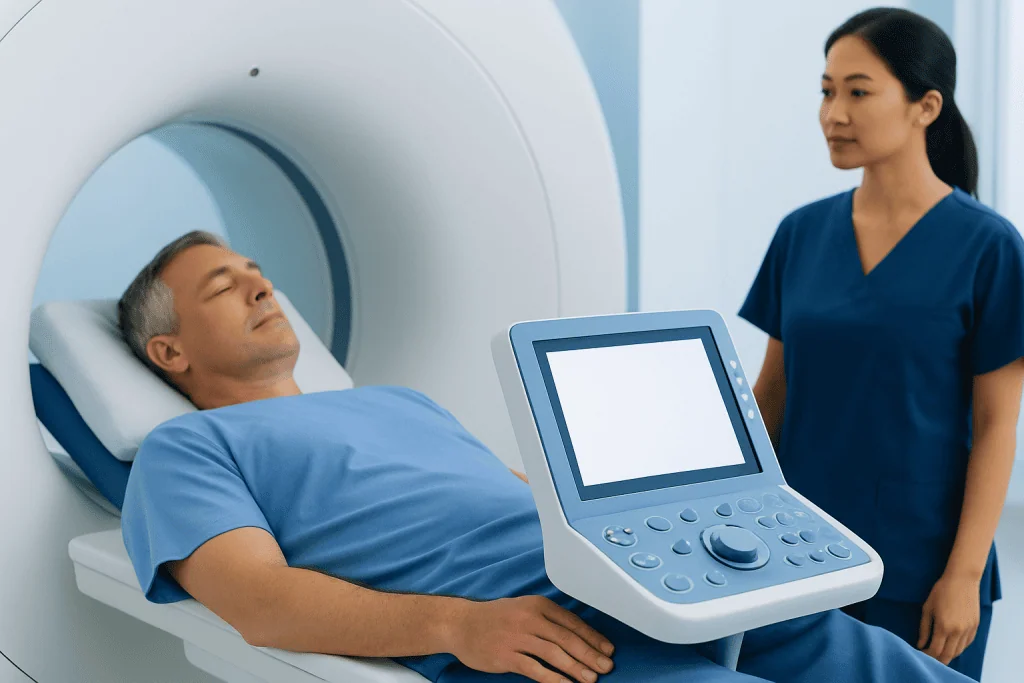
Brain imaging is often used to look for structural changes or other conditions that may explain symptoms. A CT scan can quickly identify problems such as bleeding, large strokes, or significant shrinkage. MRI provides more detailed images and is often preferred when available, because it can better show small strokes, tumors, hydrocephalus, inflammation, and patterns of brain atrophy linked to specific disorders.
Imaging can also help distinguish dementia from other conditions. For example, vascular changes may support a diagnosis related to strokes or reduced blood flow, while certain patterns of shrinkage may suggest Alzheimer disease or frontotemporal disorders. However, imaging results are interpreted together with symptoms and examination findings; a scan alone usually does not make the diagnosis.
In some settings, advanced imaging or biomarker testing may be considered, especially when the diagnosis remains uncertain. These may include PET scans or other specialized tests recommended by a neurologist or memory clinic. Such studies are usually reserved for selected cases rather than used routinely for every patient.
When further evaluation is needed, physicians may recommend MRI or CT scan as part of a broader diagnostic plan. The purpose is not simply to confirm memory loss, but to look for treatable problems and gather clues about the underlying cause.
How Doctors Reach a Diagnosis
A dementia diagnosis is based on the overall clinical picture. Doctors combine symptom history, family observations, physical examination, cognitive testing, lab results, and imaging findings. They also consider how much the changes affect independence, including work, household management, finances, medication use, and personal care.
One important step is distinguishing dementia from mild cognitive impairment. In mild cognitive impairment, thinking changes are measurable but daily independence is largely preserved. In dementia, the cognitive changes are significant enough to interfere with everyday function. This distinction matters because follow-up, treatment, and planning may differ.
Clinicians may also try to identify the likely type of dementia, such as Alzheimer disease, vascular dementia, Lewy body dementia, or frontotemporal dementia. Each has a somewhat different pattern of symptoms and progression. Sometimes the diagnosis becomes clearer over time, especially when early symptoms overlap or more than one condition is present.
In complex cases, referral to specialists may be helpful. A neurologist, geriatrician, psychiatrist, neuroradiologist, or neuropsychologist may contribute to the assessment. In some patients, an EEG may be used if seizures or unusual episodes of confusion are suspected, although it is not a standard test for all types of dementia.
Treatment Options and Next Steps After Evaluation
After the evaluation, the next steps depend on the cause of the symptoms. If a reversible or contributing problem is found, treatment focuses on that condition. Examples include adjusting medications, treating depression, improving sleep, correcting vitamin deficiency, or managing thyroid or metabolic disease. If dementia is diagnosed, care usually includes symptom management, safety planning, and support for both the patient and caregivers.
Treatment may involve medication for cognition or behavior in selected patients, but non-drug strategies are also very important. Structured routines, clear communication, physical activity, social engagement, hearing and vision support, and occupational therapy can help maintain function. Management of blood pressure, diabetes, and stroke risk factors is especially important when vascular changes are involved, including in cases of vascular dementia.
Families often need guidance on practical issues such as driving, falls, medication supervision, nutrition, advance care planning, and legal or financial decisions. Early discussion can reduce stress and improve safety. Follow-up visits also matter because symptoms may change over time, and treatment plans often need adjustment.
Near the end of the assessment process, some patients benefit from a multidisciplinary care team. Acibadem International’s specialists in neurology, geriatrics, psychiatry, and radiology at JCI-accredited hospitals evaluate and treat international patients with memory and cognitive concerns.
When to See a Doctor and How to Prepare
A person should see a doctor if memory or thinking problems are persistent, worsening, or interfering with normal daily life. Evaluation is also important when changes are accompanied by unsafe situations, such as getting lost, medication errors, poor judgment, falls, or sudden behavior changes. Sudden confusion, drowsiness, hallucinations, fever, or new weakness needs urgent medical attention because it may signal delirium, stroke, infection, or another acute problem.
Preparing for the appointment can make the evaluation more useful. It helps to bring a list of symptoms, when they started, how often they happen, and examples of changes in daily function. A complete medication list, including over-the-counter products and supplements, is also important. If possible, a trusted family member or friend should attend to share observations.
Patients and families may want to ask what tests are recommended, what conditions are being considered, whether specialist referral is needed, and what steps can be taken now to improve safety and quality of life. Even when the diagnosis is not immediate, the evaluation can provide reassurance, direction, and a practical plan for follow-up.
Frequently asked questions
What tests are usually done in a dementia evaluation?
A dementia evaluation often includes a medical history, physical and neurological examination, brief cognitive testing, blood tests, and brain imaging when appropriate. Some people also need more detailed neuropsychological testing or specialist assessment depending on their symptoms.
Can brain imaging confirm dementia by itself?
No. Brain imaging can show patterns that support a diagnosis and can help rule out other causes such as stroke, bleeding, tumor, or hydrocephalus. Doctors use imaging together with symptoms, examination findings, and cognitive testing rather than relying on the scan alone.
Does memory loss always mean dementia?
No. Memory problems can also be caused by depression, poor sleep, medication side effects, thyroid disease, vitamin deficiency, infection, stress, or normal aging. That is why a proper medical evaluation is important before drawing conclusions.
What is the difference between mild cognitive impairment and dementia?
Mild cognitive impairment means there is measurable decline in thinking, but the person remains mostly independent in daily activities. Dementia means the cognitive changes are more significant and interfere with everyday function, such as managing medications, finances, or personal care.
How long does it take to diagnose dementia?
The timeline varies. Some people receive a clear diagnosis after one or two visits, while others need follow-up over time, especially if symptoms are early or the cause is uncertain. Additional testing may be recommended if the first evaluation does not provide enough information.
Should a family member go to the appointment?
Yes, if the patient is comfortable with it. A family member or close friend can provide helpful details about changes in memory, behavior, and day-to-day function that the patient may not fully notice. This often makes the evaluation more accurate and practical.
References
- World Health Organization
- National Institute on Aging
- Alzheimer's Association
- American Academy of Neurology
- National Institute of Neurological Disorders and Stroke
This article is for general information only and is not a substitute for professional medical advice. Please consult a qualified doctor about your individual situation.
Dementia in Turkey — costs, top hospitals & a free quote
JCI-accredited · board-certified surgeons · reply within 24h
Add us as a Preferred Source to see more of our trusted health content across Google Search, AI Overviews and Discover.

Neurology
Diagnosis and treatment of disorders of the brain, spinal cord, nerves and muscles.
51 specialists in this unitMore from the Health Library



Related Specialists

Dr. Özgür Kabagöz
Emergency Service
Prof. Dr. Kenan Hizel
Infectious Diseases & Clinical Microbiology
Prof. Dr. Ayşe Yenigün
Pediatric Allergy
Assoc. Prof. Dr. Lütfiye Uygur
Gynecology & Obstetrics