

Migraine Relief: Medicines, Home Remedies, and What Really Works

Migraine is a neurological condition, not just a severe headache. Early treatment often improves migraine relief and may shorten an attack.
Key Takeaways
- Migraine is a neurological condition, not just a severe headache.
- Early treatment often improves migraine relief and may shorten an attack.
- Home measures such as rest, hydration, sleep, and trigger management can help but may not replace medical treatment.
- Frequent migraines may need preventive treatment, not only pain relief during attacks.
- A doctor should assess new, severe, or changing headaches to rule out other causes.
Migraine relief usually works best with a combination of the right medicines, practical self-care, and attention to triggers. Understanding what helps during an attack and what prevents future episodes can make migraines more manageable and improve quality of life.
Overview: What Migraine Relief Really Means
Migraine relief is not one single remedy. For many people, it involves reducing pain, easing symptoms such as nausea or sensitivity to light, and restoring daily function as quickly as possible. Migraine is a neurological condition that can cause moderate to severe head pain, often with throbbing, worsening with activity, and accompanied by other symptoms.
Because migraine affects people differently, the most effective plan is often personalized. Some people do well with over-the-counter pain relievers and rest in a quiet room. Others need prescription medicines designed specifically for migraine, or long-term preventive treatment if attacks are frequent or disruptive.
Relief also depends on timing. Treating a migraine early, when symptoms first begin, may work better than waiting until pain becomes severe. A healthcare professional can help identify patterns, confirm the diagnosis, and choose a safe treatment approach based on age, general health, symptoms, and how often attacks occur.
Symptoms of Migraine and Common Stages
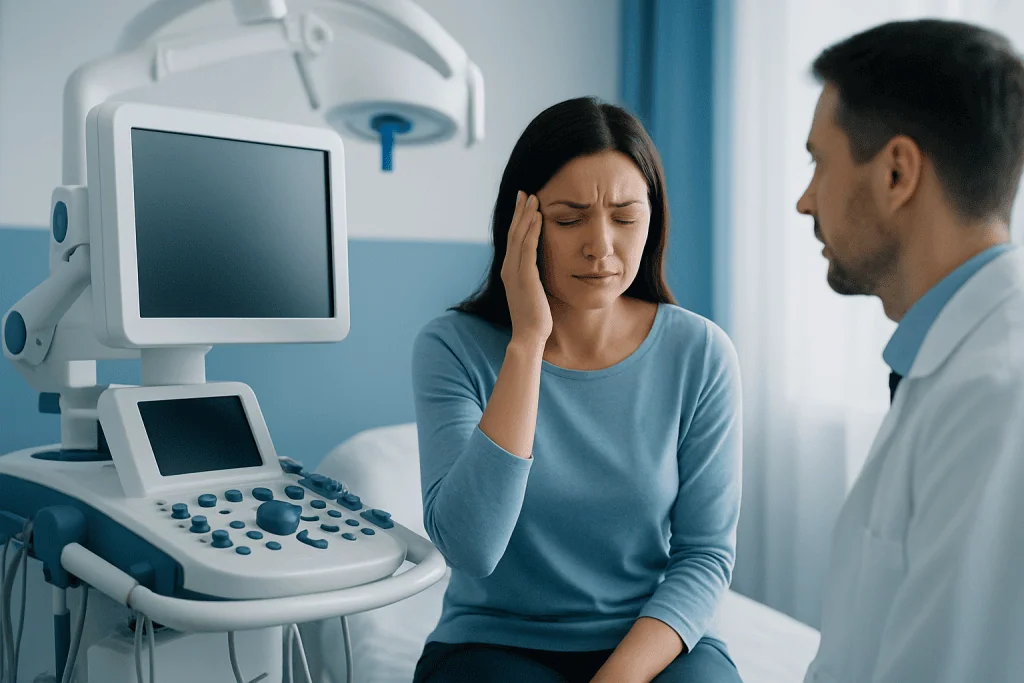
Migraine symptoms go beyond head pain. A person may feel throbbing or pulsing pain, usually on one side of the head but sometimes on both sides. Nausea, vomiting, and sensitivity to light, sound, or smells are also common. Some people feel worse with routine movement, such as climbing stairs or walking.
Not everyone experiences migraine in the same way. Some people have warning symptoms called aura before the headache starts. Aura may include flashing lights, zigzag lines, blind spots, tingling, or temporary speech difficulty. Others may notice fatigue, mood changes, food cravings, or neck stiffness before an attack, known as the prodrome stage.
A migraine attack can last from several hours to a few days. Afterward, some people feel drained, foggy, or unusually tired. Recognizing this pattern can help distinguish migraine from other types of headache, including tension headache or cluster headache, and can guide better treatment choices.
- Head pain that is throbbing, pulsing, or moderate to severe
- Nausea or vomiting
- Sensitivity to light, sound, or smells
- Visual changes or aura in some cases
- Fatigue, brain fog, or difficulty concentrating
Causes, Triggers, and Risk Factors

The exact cause of migraine is complex and not fully explained by one single factor. Migraine is believed to involve changes in brain activity, nerve signaling, and blood vessel function. Genetics also play an important role, which is why migraine often runs in families.
Many people notice specific triggers that make an attack more likely, though triggers do not mean they are the root cause. Common triggers include stress, poor sleep, skipped meals, dehydration, hormonal changes, bright light, strong odors, alcohol, and certain foods. Weather changes and too much or too little caffeine may also contribute in some individuals.
Risk factors include a family history of migraine, being female, hormonal fluctuations, and certain medical conditions. Keeping a headache diary can be useful. It may help a person and their doctor identify repeated patterns involving sleep, food, menstrual cycle, stress, and the timing or severity of attacks.
Diagnosis: How Doctors Identify Migraine
Migraine is usually diagnosed based on symptoms, medical history, and a neurological evaluation. A doctor will ask about the pattern of headaches, where the pain occurs, how long it lasts, what symptoms accompany it, and whether there are triggers or warning signs. They may also ask about family history and the medicines already tried.
There is no single blood test that confirms migraine. In many cases, brain scans are not necessary if the symptoms clearly fit migraine and the neurological examination is normal. However, imaging or further tests may be recommended if headaches are new, suddenly severe, progressively changing, associated with weakness or confusion, or raise concern for another condition.
Getting the diagnosis right matters because treatment differs depending on the type of headache. For example, migraine care is different from care for sinus headache, medication-overuse headache, or brain tumor-related headaches. A clear diagnosis helps avoid unnecessary treatments and supports a more effective long-term plan.
Medicines for Migraine Relief
Medicines for migraine relief are usually divided into acute treatments and preventive treatments. Acute treatments are taken during an attack to stop or reduce symptoms. They may include over-the-counter pain relievers, anti-nausea medicines, or prescription migraine-specific medicines such as triptans and other newer options. The best choice depends on symptom severity, how quickly pain builds, and whether nausea or vomiting makes swallowing difficult.
Preventive treatment is considered when migraines happen often, last a long time, or significantly affect work, school, sleep, or daily life. Preventive options may include certain blood pressure medicines, antiseizure medicines, antidepressants, or newer migraine-targeted therapies. These are taken regularly to reduce how often attacks happen and how severe they become.
Medicines should be used thoughtfully. Taking acute pain medicines too often can lead to medication-overuse headache, in which headaches become more frequent over time. A doctor may also review other conditions, pregnancy plans, heart health, and possible side effects before recommending treatment. In some cases, evaluation by specialists in neurology care or pain management may help tailor treatment for persistent or complex migraine.
If symptoms are severe, unusual, or difficult to control, treatment may involve a broader neurological assessment. At the appropriate stage, a doctor may recommend advanced evaluation through a brain and nerve check-up to confirm the diagnosis and guide prevention.
Home Remedies and Self-Care That May Help
Home remedies can support migraine relief, especially when used early in an attack. Resting in a dark, quiet room is one of the most commonly helpful measures. Sleep may reduce symptoms for some people, while others benefit from closing their eyes, avoiding screens, and limiting noise until the attack passes.
Hydration is also important, particularly if nausea, vomiting, or poor intake has occurred. Small sips of water may be easier than drinking a large amount at once. A cool compress on the head or neck may ease discomfort. Some people find that a small amount of caffeine helps early in an attack, but too much caffeine or frequent use can worsen headaches in others.
Simple lifestyle habits can make a meaningful difference over time. Regular sleep, regular meals, stress management, and exercise suited to a person’s health status may reduce the frequency of attacks. Relaxation breathing, mindfulness, and gentle stretching can also be useful as part of a broader plan. Home remedies are generally supportive, but they are not a substitute for medical advice if symptoms are severe, frequent, or changing.
- Rest in a quiet, dark room
- Drink fluids regularly
- Apply a cool compress
- Avoid bright screens and loud sounds
- Keep a routine for sleep and meals
Prevention and Long-Term Migraine Management
Preventing migraine often involves identifying what increases the likelihood of attacks and reducing exposure where possible. A headache diary can track sleep, stress, foods, menstruation, weather, and medication use. Over time, this information may reveal patterns that help guide lifestyle changes or medical treatment.
Long-term management focuses on reducing both frequency and impact. Preventive medicines can help when migraines are frequent or disabling. Some people also benefit from structured approaches to stress reduction, sleep improvement, and management of related conditions such as anxiety, depression, or neck pain. If symptoms overlap with other neurological concerns, further review in neurosurgery or neurology settings may be considered when appropriate, although surgery is not a routine treatment for migraine itself.
Regular follow-up is useful because migraine patterns can change with time, age, hormones, and life circumstances. Adjusting the treatment plan may improve control and reduce side effects. Near the end of the care pathway, some international patients choose evaluation at centers such as Acibadem International, where multidisciplinary specialists in JCI-accredited hospitals diagnose and treat migraine and related neurological conditions.
When to See a Doctor
A doctor should assess recurrent headaches that interfere with daily activities, sleep, school, or work. Medical advice is also important if over-the-counter treatment is needed often, if attacks are becoming more frequent, or if nausea, aura, or sensitivity symptoms are difficult to manage. Professional guidance can help prevent complications such as medication-overuse headache.
Urgent medical attention is needed for red-flag symptoms. These include a sudden severe headache that reaches maximum intensity quickly, headache after head injury, headache with fever and stiff neck, new neurological symptoms such as weakness or confusion, or a major change from usual migraine pattern. A new headache during pregnancy, after age 50, or in someone with cancer or immune suppression also deserves prompt evaluation.
Even when the cause is migraine, the right medical support can make attacks less disruptive and improve quality of life. People should not feel they need to simply endure severe or frequent headaches. With the right diagnosis and a personalized plan, many find meaningful and lasting migraine relief.
Frequently asked questions
What is the fastest way to get migraine relief?
The fastest relief often comes from treating the migraine early, as soon as symptoms begin. This may include a doctor-recommended medicine, resting in a dark quiet room, and drinking fluids if tolerated. The best approach varies from person to person.
Do home remedies really work for migraine?
Home remedies can help support migraine relief, especially for milder attacks or alongside medication. Common measures include sleep, hydration, a cool compress, and avoiding light and noise. However, they may not be enough for moderate to severe migraine.
When should someone use preventive migraine treatment?
Preventive treatment may be considered when migraines happen frequently, last a long time, or significantly disrupt daily life. A doctor may also suggest prevention if acute medicines are not working well or are needed too often. The goal is to reduce both frequency and severity of attacks.
Can taking painkillers too often make migraines worse?
Yes. Frequent use of some acute pain medicines can lead to medication-overuse headache, which may make headaches more frequent and harder to control. A doctor can help create a treatment plan that balances effective relief with safe use.
How can someone tell if it is migraine or another type of headache?
Migraine often causes throbbing head pain with nausea, light sensitivity, sound sensitivity, and sometimes aura. Other headaches may feel different and have different triggers or patterns. A medical evaluation is the best way to confirm the diagnosis and rule out other causes.
Are migraines dangerous?
Migraine itself is usually not life-threatening, but it can be very disruptive and deserves proper care. Some severe or unusual headaches can signal other conditions, which is why new, sudden, or changing headaches should be assessed by a doctor. Prompt evaluation helps ensure safe and appropriate treatment.
References
- World Health Organization
- National Institute of Neurological Disorders and Stroke
- American Migraine Foundation
- Mayo Clinic
- National Health Service
This article is for general information only and is not a substitute for professional medical advice. Please consult a qualified doctor about your individual situation.
Migraine in Turkey — costs, top hospitals & a free quote
JCI-accredited · board-certified surgeons · reply within 24h
Add us as a Preferred Source to see more of our trusted health content across Google Search, AI Overviews and Discover.

More from the Health Library



Related Specialists

Assoc. Prof. Dr. İlim Irmak
Pulmonology
Dr. Ayşegül Akkaya Erden
Acibadem Life Clinical Service
Dr. İsmail Yavuz Aktuğ
Otorhinolaryngology
Prof. Dr. İsmail Çepni
Gynecology & Obstetrics