

Migraine Relief: Medicines, Triggers, and What Actually Helps

Migraine is a neurological condition, not just a severe headache. Common migraine triggers include stress, poor sleep, dehydration, skipped meals, and hormonal changes.
Key Takeaways
- Migraine is a neurological condition, not just a severe headache.
- Common migraine triggers include stress, poor sleep, dehydration, skipped meals, and hormonal changes.
- Treatment may include fast-acting medicines for attacks and preventive therapies for frequent migraines.
- Keeping a migraine diary can help identify patterns and improve treatment decisions.
- Medical review is important if headaches change suddenly, become severe, or cause unusual neurological symptoms.
Migraine relief usually comes from a combination of the right diagnosis, trigger management, and medicines used at the right time. Many people can reduce the frequency and severity of attacks with a personalized treatment plan and healthy daily habits.
Overview: What Migraine Really Is
Migraine is a common neurological condition that can cause repeated attacks of moderate to severe headache, often along with nausea, vomiting, and sensitivity to light, sound, or smells. For many people, the pain is throbbing and affects one side of the head, but migraine can also occur on both sides or feel like pressure rather than pounding. It is more than a typical headache and can interfere with work, school, sleep, and daily activities.
Migraine attacks often happen in phases. Some people notice warning changes before the headache begins, such as mood shifts, food cravings, neck stiffness, or tiredness. Others experience an aura, which may include flashing lights, zigzag lines, blind spots, or tingling sensations. The headache phase may last from a few hours to several days, and a person may then feel drained or mentally foggy afterward.
Migraine relief is usually most effective when the condition is recognized early and managed in a structured way. This may include learning personal triggers, using acute medicines promptly, and considering preventive treatment if attacks are frequent or disabling. Because migraine symptoms can overlap with other types of headache, a proper medical assessment is important.
Symptoms and Types of Migraine
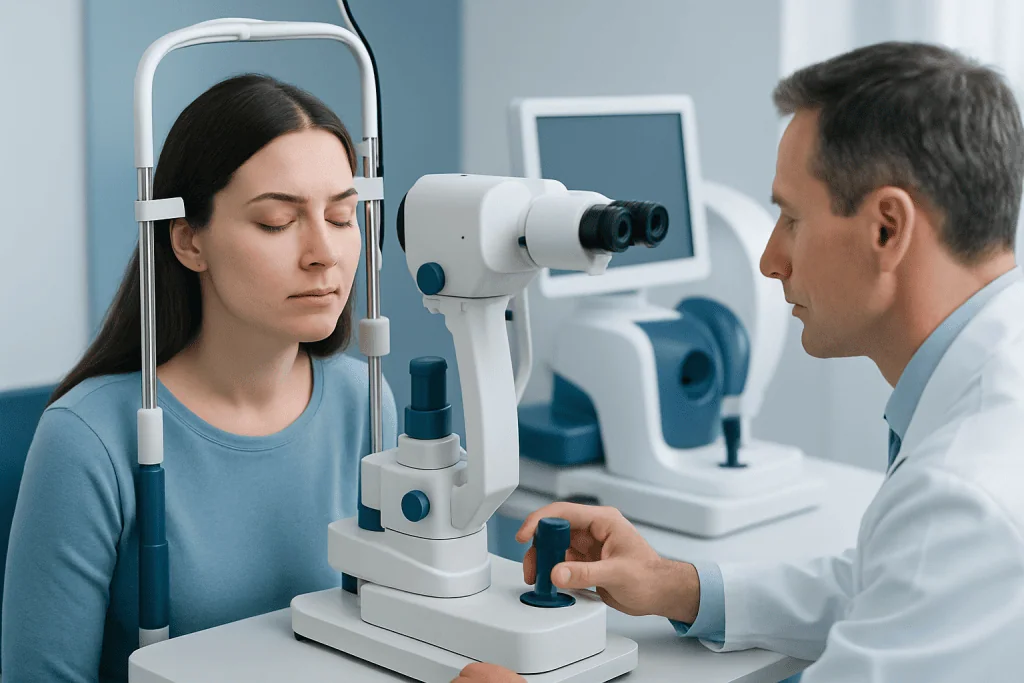
Migraine symptoms vary from person to person. The main feature is recurrent headache, often described as throbbing or pulsating, but some people feel a steady ache. The pain may worsen with physical activity, and routine movement such as walking up stairs can become uncomfortable. Nausea, vomiting, and sensitivity to light or sound are especially common.
Not every migraine looks the same. Migraine without aura is the most common type. Migraine with aura includes temporary neurological symptoms before or during the headache, such as visual changes, numbness, or speech difficulty. Some people mainly experience aura with little or no head pain. There are also chronic forms, in which headache occurs on many days each month, and less common forms that can mimic other neurological conditions.
Typical symptoms may include:
- Head pain that is moderate to severe
- Nausea or vomiting
- Sensitivity to light, sound, or smell
- Visual disturbances such as flashing lights or blind spots
- Dizziness, fatigue, or difficulty concentrating
- Neck pain or stiffness
Because migraine symptoms can overlap with tension headache, sinus symptoms, or other neurological problems, diagnosis should not rely on self-assessment alone. People with frequent or disruptive headaches may benefit from specialist evaluation for migraine and related headache disorders.
Common Triggers and Risk Factors

Migraine triggers are not the same as the underlying cause, but they can set off attacks in people who are already prone to migraine. A trigger may be obvious in one person and irrelevant in another. This is why a migraine diary can be so useful. Recording sleep, meals, stress, menstrual cycle, caffeine use, weather changes, and symptoms may reveal patterns over time.
Frequently reported triggers include stress, changes in sleep schedule, dehydration, skipped meals, alcohol, too much or too little caffeine, bright lights, strong smells, and hormonal shifts. Some people are sensitive to intense exercise, screen exposure, travel, or changes in routine. Certain foods are commonly blamed, but true food triggers are highly individual and should be identified carefully rather than assumed.
Risk factors for migraine include a family history of migraine, female sex, hormonal fluctuations, and a personal history of anxiety, depression, or sleep problems. Overuse of pain medicines can also make headaches more frequent over time, a problem known as medication-overuse headache. This can complicate treatment and is one reason medical guidance matters when headaches become frequent.
How Migraine Is Diagnosed
Migraine is diagnosed mainly through medical history and symptom patterns. A doctor usually asks about the location and quality of pain, how long attacks last, associated symptoms, possible triggers, medicines used, and how headaches affect daily life. A neurological examination helps look for signs that point to another cause.
In many cases, brain scans are not needed if symptoms fit a typical migraine pattern and the examination is normal. However, imaging or other tests may be recommended if there are warning signs, such as a sudden severe headache, a new headache later in life, persistent neurological symptoms, fever, head injury, or a major change in the usual pattern. The goal is to rule out other conditions rather than to confirm migraine itself.
Accurate diagnosis matters because treatment differs across headache types. For example, migraine can be mistaken for tension headache or vice versa. A clear diagnosis helps avoid unnecessary treatments and supports a plan that matches the frequency and severity of attacks.
Medicines for Migraine Relief
Migraine medicines are usually divided into acute treatments and preventive treatments. Acute medicines are taken during an attack to reduce pain and other symptoms. They tend to work best when used early, ideally when migraine symptoms first begin. Preventive medicines are taken regularly to reduce how often migraines happen and how severe they become.
Acute treatment options may include common pain relievers, anti-nausea medicines, and migraine-specific medicines such as triptans or newer targeted treatments, depending on the person’s symptoms, age, medical history, and cardiovascular risk. Not every medicine is suitable for every patient, so a doctor will help choose the safest option. Using acute medicines too often can worsen headache frequency, so regular monitoring is important.
Preventive treatment may be considered when migraines are frequent, prolonged, hard to control, or significantly disruptive. Options can include blood pressure medicines, certain antidepressants, anti-seizure medicines, injectable therapies targeting migraine pathways, and other specialist treatments. In selected cases, a doctor may discuss advanced approaches such as Botox for migraine or broader neurology treatment planning if symptoms are persistent or complex.
Medicine works best as part of a larger plan. Good timing, correct diagnosis, attention to triggers, and follow-up all influence success. If a first treatment does not help enough, that does not mean relief is impossible. Migraine management often improves through step-by-step adjustments.
What Else Actually Helps: Lifestyle and Self-care
Many people find that daily habits play a major role in migraine relief. Consistency is often more helpful than dramatic changes. Regular sleep and wake times, balanced meals, good hydration, and steady caffeine intake can reduce sudden shifts that trigger attacks. Stress management is also important, as physical and emotional stress commonly contribute to migraine activity.
Helpful self-care strategies may include relaxation training, breathing exercises, gentle physical activity, and limiting long periods without food or water. During an attack, resting in a dark, quiet room and applying a cool compress may ease discomfort. Some people benefit from working with a doctor, dietitian, or therapist to support broader lifestyle changes when migraine is linked to sleep disturbance, anxiety, or chronic stress.
A migraine diary can be one of the most practical tools for self-management. It can track symptoms, possible triggers, menstrual cycle patterns, medicines used, and response to treatment. Over time, this record helps identify what actually helps and what does not. It can also make medical appointments more productive.
People with ongoing or difficult-to-control headaches may need coordinated care, especially if headache overlaps with sleep disorders or other neurological symptoms. In some settings, doctors may also assess related conditions through check-up services when symptoms are frequent or complex.
When to See a Doctor
Anyone with repeated headaches that interfere with daily life should consider medical evaluation, especially if over-the-counter medicines are needed often or no longer seem to help. A doctor can confirm whether symptoms fit migraine, review possible triggers, and recommend a treatment plan that is both effective and safe.
Urgent medical attention is needed for warning signs such as a sudden explosive headache, new weakness, confusion, fainting, seizure, trouble speaking, fever with headache, or headache after a head injury. A headache that is clearly different from usual migraine attacks also deserves prompt assessment. These features do not always mean something serious, but they should not be ignored.
For people living with frequent migraine, follow-up care is important even after treatment starts. Adjustments may be needed over time, especially if headache frequency increases or side effects occur. Near the end of the care pathway, some patients may seek multidisciplinary support; Acibadem International’s JCI-accredited hospitals and specialists diagnose and treat migraine for international patients as part of broader neurological care.
Frequently asked questions
What is the fastest way to get migraine relief?
Migraine relief is often best when acute medicine is taken early in the attack, ideally when symptoms first begin. Resting in a quiet, dark room, drinking water if dehydration is a factor, and using a doctor's recommended treatment can also help.
What are the most common migraine triggers?
Common triggers include stress, poor sleep, skipped meals, dehydration, alcohol, caffeine changes, bright lights, and hormonal fluctuations. Triggers are highly individual, so keeping a diary can help identify personal patterns.
Can migraine be prevented?
Yes, many people can reduce migraine frequency with preventive medicines, regular sleep, hydration, balanced meals, and trigger management. Prevention is especially helpful when attacks are frequent, prolonged, or disabling.
How do doctors know if it is migraine and not another headache?
Doctors diagnose migraine mainly by reviewing symptom patterns, medical history, and a neurological examination. Tests such as brain imaging are usually reserved for unusual symptoms or warning signs that suggest another cause.
When should someone worry about a migraine?
A person should seek urgent care for a sudden severe headache, new neurological symptoms, fever, seizure, confusion, or headache after head injury. Medical review is also important if the usual headache pattern changes significantly.
Can taking too many painkillers make migraines worse?
Yes. Frequent use of pain-relief medicines can lead to medication-overuse headache, which may make headaches more common and harder to treat. A doctor can help create a safer plan if this is a concern.
References
- World Health Organization
- National Institute of Neurological Disorders and Stroke
- American Migraine Foundation
- International Headache Society
- National Institute for Health and Care Excellence
This article is for general information only and is not a substitute for professional medical advice. Please consult a qualified doctor about your individual situation.
Migraine in Turkey — costs, top hospitals & a free quote
JCI-accredited · board-certified surgeons · reply within 24h
Add us as a Preferred Source to see more of our trusted health content across Google Search, AI Overviews and Discover.

More from the Health Library



Related Specialists

Dr. Emre Çakır
Ophthalmology
Dr. Nevin Sarıgüzel
Infectious Diseases & Clinical Microbiology
Prof. Dr. Gamze Uğurluer Sümer
Radiation Oncology
Assoc. Prof. Dr. Günseli Bozdoğan
Pediatrics