Longevity Science Explained: What Researchers Measure and Why

Longevity science looks beyond lifespan to measure healthspan and biological aging. Researchers use biomarkers, physical function, cognition, and disease risk to understand aging.
Key Takeaways
- Longevity science looks beyond lifespan to measure healthspan and biological aging.
- Researchers use biomarkers, physical function, cognition, and disease risk to understand aging.
- Genes matter, but lifestyle, environment, sleep, nutrition, and physical activity also strongly influence healthy aging.
- No single test can fully measure biological age; doctors interpret results in context.
- Many longevity-related measures overlap with routine preventive care, such as blood pressure, cholesterol, and glucose checks.
Longevity science studies how and why people age differently, and what factors are linked with a longer, healthier life. Researchers focus not only on lifespan, but also on healthspan—the years lived with good physical, mental, and social function.
Overview: What Longevity Science Means
Longevity science is the study of how people can live longer while maintaining better health and function. Rather than focusing only on the number of years lived, researchers also examine healthspan, which refers to the years a person remains active, independent, and relatively free from serious disease or disability. This field brings together knowledge from genetics, metabolism, cardiology, neurology, public health, nutrition, and exercise science.
A central idea in longevity research is that chronological age and biological age are not always the same. Chronological age is the number of years since birth. Biological age reflects how well the body’s systems are functioning compared with what may be expected at a given age. Two people of the same chronological age may have very different physical fitness, blood vessel health, memory, inflammation levels, or risk for chronic disease.
Researchers measure many aspects of aging because there is no single number that fully captures it. Aging affects cells, tissues, organs, movement, sleep, immunity, metabolism, and the brain. For that reason, longevity science usually relies on a combination of laboratory markers, imaging findings, physical performance tests, and lifestyle factors to create a broader picture of healthy aging.
What Researchers Try to Measure
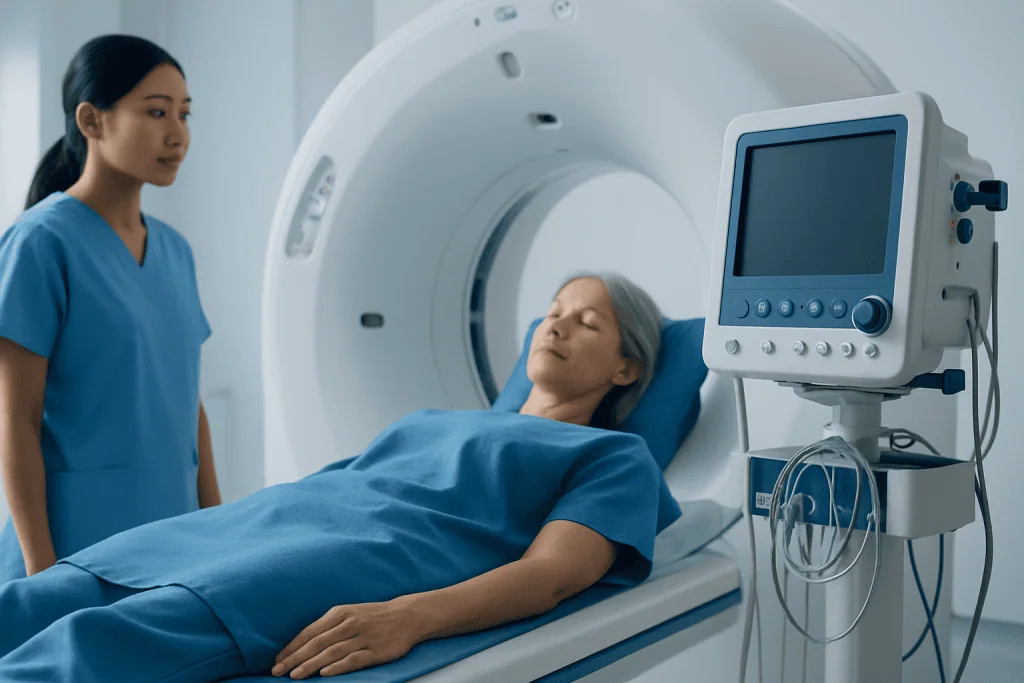
In longevity science, the main goals are to understand how quickly the body is aging, what predicts future disease, and which factors are linked with a longer healthspan. Researchers often measure resilience as well—the body’s ability to recover from physical stress, illness, or disrupted routines. A person who recovers well from exercise, infection, sleep loss, or surgery may show signs of stronger overall physiological reserve.
Another key area is function. This includes how well a person moves, thinks, sleeps, and manages daily life over time. Good longevity is not simply about avoiding death; it is about maintaining mobility, memory, emotional well-being, and independence for as long as possible. That is why studies may include walking speed, grip strength, balance, reaction time, and cognitive testing alongside standard blood tests.
Researchers also examine risk patterns that emerge years before disease appears. Changes in blood sugar regulation, blood pressure, body composition, cholesterol, inflammation, and sleep quality may signal accelerated aging or greater long-term risk. Measuring these factors helps scientists study which habits and treatments may support healthier aging trajectories.
Common Biomarkers of Aging

Biomarkers of aging are measurable features in the body that may reflect biological aging processes. Some are familiar from routine health checks, while others are mainly used in research. Common examples include blood pressure, cholesterol levels, blood sugar, waist circumference, body composition, kidney and liver function, and markers related to inflammation or metabolic health. These do not measure aging directly, but they can offer useful clues about long-term health.
More specialized research markers may look at telomeres, DNA methylation patterns, immune system changes, and cellular stress. These tools aim to estimate biological age more precisely. However, they are still interpreted cautiously, because aging is complex and no single marker can capture it fully. A laboratory result may be interesting, but it becomes much more meaningful when viewed together with a person’s symptoms, habits, family history, and physical function.
Researchers may also study cardiovascular health as a major window into aging. Blood vessels and the heart can show early effects of inflammation, metabolic strain, smoking, sedentary lifestyle, or poor sleep. Tests such as blood pressure monitoring, cholesterol assessment, and sometimes advanced cardiac check-up evaluations may be part of a broader healthy aging assessment when clinically appropriate.
- Metabolic markers: glucose, insulin response, cholesterol, triglycerides
- Inflammation-related markers: such as C-reactive protein in some settings
- Body composition measures: muscle mass, fat distribution, bone density
- Organ function measures: kidney, liver, lung, and heart performance
- Research-level measures: epigenetic clocks, telomere-related data, immune aging patterns
Why Physical and Cognitive Function Matter
One of the most practical ways to study longevity is to measure what the body and brain can actually do. Physical performance often predicts future health more clearly than a single lab result. Walking speed, leg strength, grip strength, endurance, balance, and flexibility can reflect muscle health, nerve function, cardiovascular fitness, and frailty risk. Loss of muscle mass and strength with age can affect independence, so these measures are especially important in healthy aging research.
Cognitive health is another core part of longevity science. Researchers may assess memory, attention, processing speed, mood, and sleep patterns. The goal is to understand how aging affects the brain and which lifestyle or medical factors may protect cognitive function. A longer life has greater value when it includes the ability to think clearly, communicate well, and participate in daily activities.
Sleep is increasingly recognized as a major longevity-related factor because it influences metabolism, hormone regulation, immunity, mood, and brain function. Breathing disorders during sleep may also affect biological aging by reducing oxygen levels and increasing cardiovascular strain. When symptoms such as loud snoring, daytime sleepiness, or witnessed pauses in breathing are present, evaluation for conditions like sleep apnea may be relevant as part of a broader health assessment.
What Influences Biological Aging
Biological aging is shaped by a mix of inherited and environmental influences. Genetics contribute to how the body repairs cells, handles inflammation, processes nutrients, and responds to stress. Still, genes are only part of the picture. Daily habits and long-term exposures often play a major role in whether aging proceeds more slowly or more quickly.
Researchers consistently study lifestyle factors such as nutrition quality, physical activity, sleep, tobacco exposure, alcohol use, stress, social connection, and access to medical care. Conditions like high blood pressure, obesity, diabetes, and chronic inflammation can place extra strain on the body over time. In contrast, regular exercise, a balanced eating pattern, restorative sleep, and management of chronic disease are associated with healthier aging.
The environment matters too. Air quality, occupational exposures, sunlight, neighborhood walkability, emotional stress, and socioeconomic factors can all influence long-term health. Because aging is affected by many systems at once, longevity science tends to focus on patterns rather than one cause. This broader view helps explain why healthy aging plans are usually personalized rather than based on a single test or trend.
How Longevity Is Assessed in Clinical Care
Many people are interested in learning their biological age, but in routine medical care the focus is usually broader and more practical. Doctors commonly assess cardiovascular risk, metabolic health, body composition, sleep, mobility, mental well-being, and family history. They also review medications, preventive screening needs, and habits that may influence future health. This approach often provides more useful guidance than relying on one commercial “age” score alone.
Depending on the person’s age, symptoms, and risk profile, evaluation may include blood tests, blood pressure checks, body measurements, exercise tolerance, and age-appropriate screening. For some patients, advanced imaging or organ-specific testing may be recommended. If symptoms suggest endocrine or metabolic concerns, structured assessment and management through endocrinology and metabolic diseases care may help clarify risk factors linked with accelerated aging.
Doctors may also look for conditions that reduce healthspan even before they become severe. For example, excess body fat—especially around the abdomen—can be associated with inflammation, insulin resistance, and cardiovascular strain. In selected cases, structured obesity treatment or lifestyle-based weight management may support healthier long-term outcomes when excess weight is affecting overall health.
Clinical longevity assessment is best understood as prevention-focused medicine. The goal is to identify modifiable risks early, preserve function, and support long-term well-being. Near the end of this process, some people may choose to discuss their findings with multidisciplinary specialists; Acibadem International’s JCI-accredited hospitals evaluate and treat international patients with a coordinated approach when deeper assessment is needed.
Ways to Support Healthy Aging
While researchers continue to study aging in detail, the core principles of healthy aging remain consistent. Regular physical activity is one of the strongest supports for healthspan because it helps the heart, muscles, bones, metabolism, mood, and sleep. A balanced eating pattern that emphasizes minimally processed foods, fiber, adequate protein, and healthy fats can also support long-term health. Sleep quality, stress management, and social connection are increasingly recognized as essential rather than optional.
Preventive care is equally important. Controlling blood pressure, cholesterol, blood sugar, and body weight can reduce strain on the body over many years. Vaccinations, dental care, hearing and vision checks, and recommended cancer screening all contribute to healthy aging by preserving function and catching problems early. Avoiding tobacco and limiting harmful alcohol use are also among the most evidence-based steps for longevity.
People should be cautious with products or programs that promise to “reverse aging” quickly. Many supplements, tests, and treatments are marketed before they are well validated. A safer approach is to discuss goals with a qualified clinician who can interpret results in context and recommend evidence-based strategies. Small, sustainable habits often matter more than expensive interventions.
- Stay physically active with a mix of aerobic, strength, and balance exercises
- Prioritize regular sleep and evaluation of persistent sleep problems
- Follow a nutritious eating pattern and maintain a healthy weight
- Manage chronic conditions and attend routine preventive visits
- Support mental health, social engagement, and cognitive stimulation
When to Seek Medical Advice
Questions about longevity often begin with a general interest in prevention, but medical advice is especially important when symptoms or risk factors are present. A person should consider speaking with a doctor if they have persistent fatigue, shortness of breath, poor sleep, major weight changes, memory concerns, reduced exercise tolerance, or a strong family history of early heart disease, diabetes, or other chronic illness. These issues may affect both current well-being and future healthspan.
Medical review is also helpful when someone wants to make major changes in diet, exercise, or supplements, especially if they already have a chronic condition or take regular medications. A clinician can help distinguish between evidence-based prevention and trends that may be unnecessary or unsafe. This can make a longevity plan more personalized, realistic, and medically sound.
Healthy aging is not about finding a perfect number or eliminating every risk. It is about understanding the body’s needs over time and taking practical steps to protect function and quality of life. With good information and appropriate medical guidance, many people can support better healthspan at every stage of adulthood.
Frequently asked questions
What is the difference between lifespan and healthspan?
Lifespan is the total number of years a person lives. Healthspan refers to the years lived in relatively good health, with preserved physical, mental, and social function. Longevity science places strong emphasis on healthspan because quality of life matters as much as length of life.
Can a biological age test tell exactly how healthy someone is?
No single biological age test can fully define a person’s health. Some tests may provide useful information, but they need to be interpreted alongside medical history, physical function, lifestyle, and standard clinical measures. Results are best discussed with a qualified doctor rather than viewed in isolation.
Do genes determine how long a person will live?
Genes influence aging, but they are only one part of the picture. Lifestyle, environment, preventive care, sleep, exercise, and chronic disease management also have a major effect on healthy aging. This means many risk factors can be improved even when family history cannot be changed.
What are the most useful everyday markers of healthy aging?
Common markers include blood pressure, cholesterol, blood sugar, weight or waist measurement, sleep quality, fitness, and strength. Mobility, balance, memory, and mood are also important because they reflect function in daily life. These practical measures often provide meaningful insight into healthspan.
Are anti-aging supplements proven to work?
Some supplements are being studied, but many anti-aging products are marketed before strong evidence is available. “Natural” does not always mean safe, especially for people with medical conditions or those taking prescription medicines. It is wise to ask a doctor before starting any supplement for longevity purposes.
At what age should someone start thinking about longevity?
Healthy aging habits are useful at almost any adult age. Early and midlife prevention can help lower future risk, but later-life changes can also improve function and well-being. It is never too early to build healthy routines, and rarely too late to benefit from them.
References
- World Health Organization
- National Institute on Aging
- Centers for Disease Control and Prevention
- American Heart Association
- Harvard T.H. Chan School of Public Health
This article is for general information only and is not a substitute for professional medical advice. Please consult a qualified doctor about your individual situation.
Longevity in Turkey — costs, top hospitals & a free quote
JCI-accredited · board-certified surgeons · reply within 24h
Add us as a Preferred Source to see more of our trusted health content across Google Search, AI Overviews and Discover.
Check your numbers in seconds
BMI, calories, due date, blood pressure and 30+ more clinical calculators — free, instant, doctor-reviewed ranges.

Check-up & Preventive Medicine
Comprehensive health screenings designed for early detection and prevention.
1 specialists in this unit