Arthroscopy Explained: What Happens During Minimally Invasive Joint Surgery
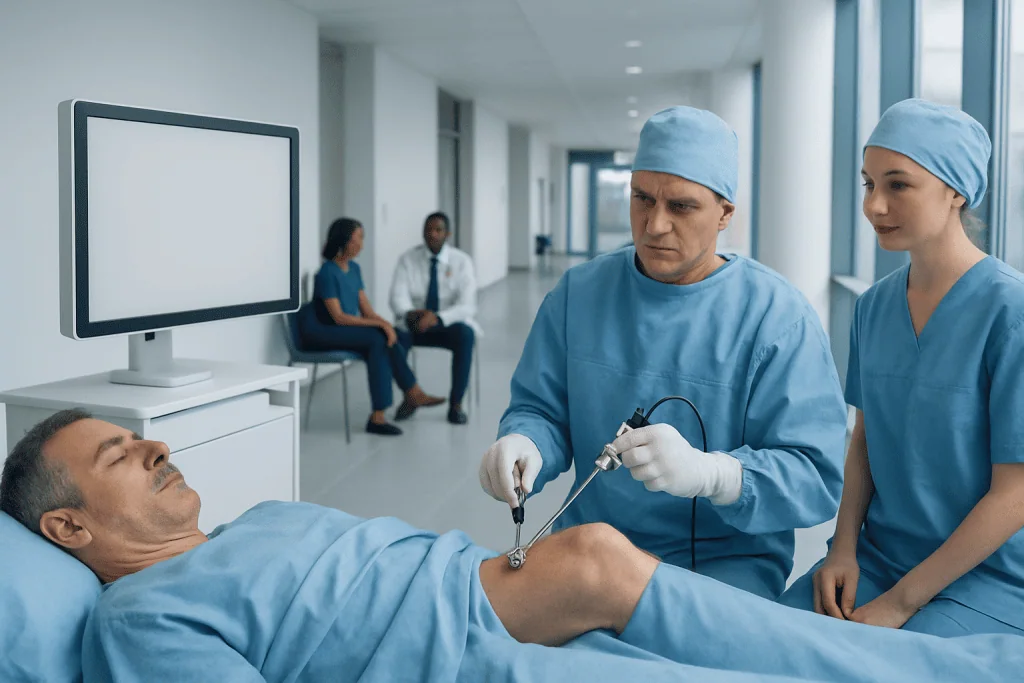
Arthroscopy uses a tiny camera and small instruments inserted through small incisions around a joint. It can help diagnose and treat problems such as torn cartilage, ligament injuries, inflammation, and loose fragments in a joint.
Key Takeaways
- Arthroscopy uses a tiny camera and small instruments inserted through small incisions around a joint.
- It can help diagnose and treat problems such as torn cartilage, ligament injuries, inflammation, and loose fragments in a joint.
- Recovery time depends on the joint involved and the procedure performed, but many people return home the same day.
- Physical therapy and following post-operative instructions are important parts of healing after arthroscopy.
- Not every joint problem requires arthroscopy; treatment decisions depend on symptoms, examination findings, and imaging results.
Arthroscopy is a minimally invasive surgical procedure that allows doctors to look inside a joint and treat certain problems through small incisions. It is commonly used for the knee, shoulder, ankle, hip, wrist, and elbow, often leading to less tissue disruption than traditional open surgery.
Overview: What Arthroscopy Is
Arthroscopy is a type of minimally invasive joint surgery. During the procedure, a surgeon inserts a thin instrument with a small camera, called an arthroscope, into a joint through a tiny incision. The camera sends images to a screen, allowing the surgeon to examine structures inside the joint in detail without making a large cut.
Arthroscopy can be used for both diagnosis and treatment. In some cases, it helps confirm the cause of ongoing joint pain, swelling, locking, or instability when examination and imaging do not provide a complete answer. In many cases, it is also used to treat the problem at the same time using small surgical instruments passed through additional tiny incisions.
Common joints treated with arthroscopy include the knee, shoulder, ankle, elbow, wrist, and hip. Depending on the condition, arthroscopy may be used to repair torn tissues, remove damaged cartilage, clean inflamed tissue, or address other mechanical problems within the joint.
Because the incisions are small, arthroscopy often causes less damage to surrounding tissues than open surgery. This can mean less post-operative pain, smaller scars, and a faster return to daily activities for some patients. However, recovery still depends greatly on what is done inside the joint, not only on the size of the incisions.
When Arthroscopy May Be Recommended
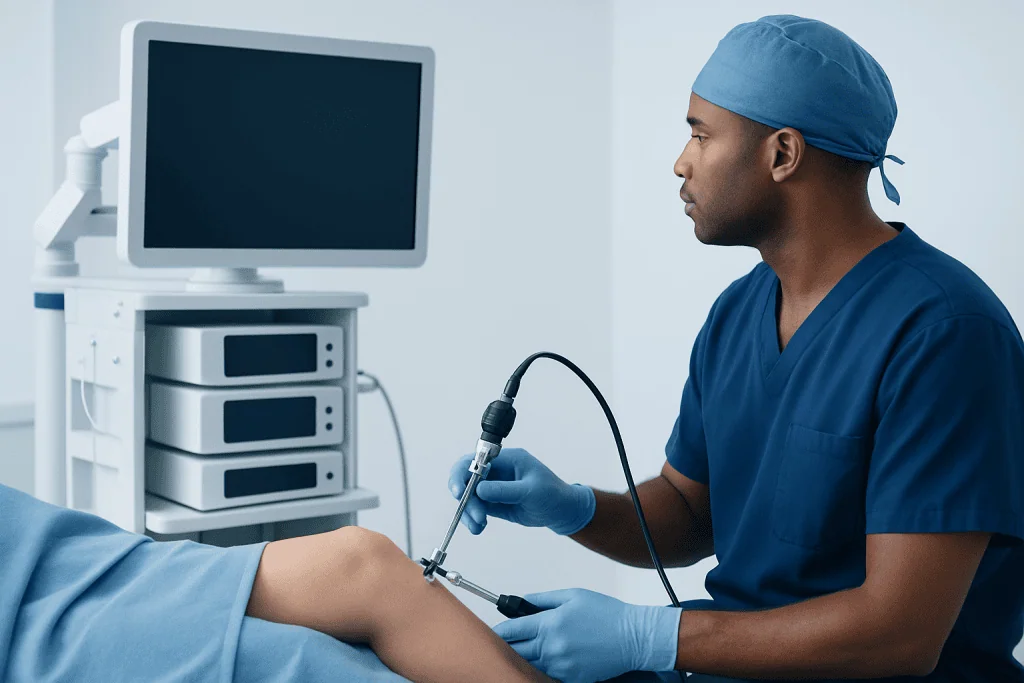
Doctors may recommend arthroscopy when joint symptoms continue despite rest, medication, physiotherapy, or activity modification. It is often considered when a patient has pain, swelling, catching, locking, stiffness, or a feeling that the joint gives way. The goal is to improve function, reduce symptoms, and treat problems that are not likely to heal well on their own.
Arthroscopy is commonly used for conditions such as meniscus tears in the knee, some ligament injuries, inflamed joint lining, loose bone or cartilage fragments, and certain shoulder tendon or labrum injuries. It may also be used to evaluate cartilage damage, treat impingement, or help manage joint infections in selected situations.
In the knee, arthroscopy may be part of treatment for a meniscus tear or may be used together with ACL surgery when ligament reconstruction is needed. In the shoulder, arthroscopy can play a role in treating instability or tendon problems and may be used during rotator cuff repair.
Not every joint problem benefits from arthroscopy. For example, some causes of joint pain are better treated with exercise therapy, medication, injections, or lifestyle changes. A doctor considers the patient’s age, activity level, symptoms, imaging findings, and overall health before recommending surgery.
What Happens During Arthroscopy
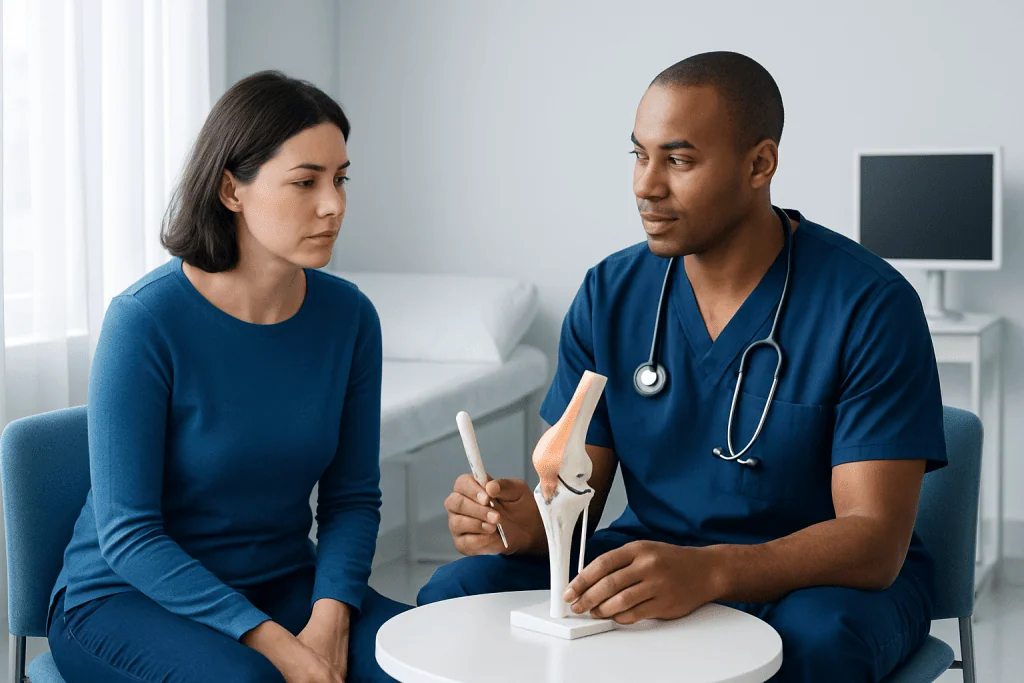
Before the procedure, the patient usually has a pre-operative assessment. This may include a review of symptoms, medical history, current medications, allergies, and previous operations. Blood tests or imaging may be needed in some cases. The care team also explains how to prepare, including when to stop eating or drinking and whether any medicines need to be adjusted.
Arthroscopy is commonly performed under general anesthesia, regional anesthesia, or sometimes local anesthesia with sedation, depending on the joint and the planned treatment. Once the area is cleaned and prepared, the surgeon makes one or more small incisions around the joint. Sterile fluid may be introduced into the joint to improve visibility and create space for the instruments.
The arthroscope is inserted first so the surgeon can inspect the inside of the joint. If treatment is needed, additional small instruments are introduced through separate incisions. The surgeon may trim or repair torn tissue, remove loose fragments, smooth damaged cartilage, or treat inflamed tissue. For example, shoulder arthroscopy may be used as part of shoulder surgery, and ankle arthroscopy may help address selected sports-related joint injuries.
At the end of the procedure, the fluid is drained, the instruments are removed, and the small incisions are closed with stitches, adhesive strips, or dressings. Many patients go home the same day, although some may need a short hospital stay depending on the complexity of the surgery and their general health.
Benefits and Possible Risks
One of the main benefits of arthroscopy is that it gives the surgeon a clear view inside the joint while using smaller incisions than open surgery. This often leads to less disruption of muscles and soft tissues. For many patients, that can mean less discomfort after surgery, smaller scars, and a shorter early recovery period.
Arthroscopy may also allow diagnosis and treatment in the same procedure. Instead of only identifying the source of the problem, the surgeon can often repair or remove the damaged tissue immediately. This can be especially helpful when imaging suggests a problem but does not fully explain the patient’s symptoms.
Like all surgery, arthroscopy has risks. These include infection, bleeding, blood clots, stiffness, swelling, damage to cartilage or nerves, fluid buildup, or ongoing pain despite treatment. In some cases, symptoms improve only partially, or another procedure may be needed later if arthritis or repeated injury continues to affect the joint.
Although arthroscopy is generally considered safe, the expected benefit depends on the reason for surgery. It is often most helpful for clearly defined mechanical problems inside the joint. A thoughtful discussion with the surgeon helps patients understand what the procedure can and cannot realistically achieve.
Recovery After Arthroscopy
Recovery after arthroscopy varies from person to person. A simple diagnostic procedure or minor tissue trimming may have a relatively short recovery, while ligament reconstruction or tissue repair can require several months of rehabilitation. The type of joint, the exact procedure, and the patient’s fitness level all affect healing time.
It is common to have mild pain, swelling, bruising, and stiffness after surgery. Doctors usually recommend rest, ice, elevation, and pain relief medication as directed. Some patients may need crutches, a sling, or a brace for a period of time to protect the joint while healing begins.
Rehabilitation is one of the most important parts of recovery. Physiotherapy helps restore range of motion, improve strength, and support a safe return to work, exercise, or sport. Skipping exercises or returning to demanding activities too soon can slow healing or increase the risk of reinjury.
Patients should follow wound care instructions carefully and attend follow-up appointments. Stitches may be removed at a later visit if needed. If the joint remains very swollen, painful, or difficult to move beyond what the surgeon expected, the care team should be informed promptly.
How Doctors Diagnose Joint Problems Before Arthroscopy
Arthroscopy is usually not the first step in evaluating joint pain. Doctors begin with a medical history and physical examination. They ask where the pain is felt, when it started, what movements make it worse, and whether there has been a sports injury, fall, overuse, or previous joint disease.
Imaging often helps guide treatment decisions. X-rays can show bone alignment, fractures, or signs of arthritis. MRI is especially useful for soft tissues such as cartilage, ligaments, tendons, and the meniscus. Ultrasound may also help in some shoulder, elbow, or ankle problems.
Sometimes the diagnosis is clear before surgery, and arthroscopy is planned mainly as a treatment. In other cases, symptoms are complex or do not match imaging results exactly. Arthroscopy can then provide direct visualization of the joint surfaces and soft tissues, which may help confirm the source of symptoms.
Doctors aim to choose the least invasive effective treatment. This means arthroscopy is considered alongside non-surgical options such as exercise therapy, anti-inflammatory medication, activity changes, or injections. A balanced decision is based on both symptoms and the likelihood that surgery will improve function.
Self-care, Prevention, and When to See a Doctor
Not all joint conditions can be prevented, but healthy habits may reduce the risk of injuries and overuse problems. Regular strengthening and flexibility exercises can support the muscles around a joint. Warming up before sports, using proper technique, wearing suitable footwear, and increasing activity gradually may also help protect joints.
Maintaining a healthy body weight can reduce strain on weight-bearing joints such as the knees, hips, and ankles. People who have physically demanding jobs or play repetitive sports may benefit from guided training, rest periods, and early assessment of recurring pain. Prompt care after an injury can sometimes prevent a smaller problem from becoming a more serious one.
A doctor should evaluate joint pain that does not improve, repeated swelling, loss of motion, locking, instability, or difficulty using the joint for daily activities. Urgent medical attention is important after a major injury, obvious deformity, inability to bear weight, fever with a swollen joint, or signs of infection after a procedure.
For people considering arthroscopy, it is reasonable to ask about the expected benefit, possible alternatives, recovery time, and rehabilitation plan. Near the end of the treatment journey, some patients also seek care in specialized orthopedic centers. Acibadem International’s multidisciplinary specialists and JCI-accredited hospitals diagnose and treat joint conditions for international patients.
Frequently asked questions
Is arthroscopy considered major surgery?
Arthroscopy is a surgical procedure, but it is usually less invasive than traditional open surgery because it uses small incisions. Whether it feels like a minor or major operation depends on the joint involved and what is repaired during the procedure.
How long does arthroscopy take?
The procedure length varies depending on the joint and the treatment being done. Some arthroscopies take less than an hour, while more complex repairs may take longer.
Will arthroscopy cure arthritis?
Arthroscopy does not cure arthritis. In selected cases it may help treat specific mechanical problems in a joint, but arthritis itself is a long-term condition that often requires a broader treatment plan.
How painful is recovery after arthroscopy?
Most patients have some soreness, swelling, and stiffness after arthroscopy, especially in the first few days. Pain is often manageable with medication, rest, ice, and a gradual rehabilitation program recommended by the care team.
When can someone walk or return to work after arthroscopy?
This depends on the joint treated and the exact procedure performed. Some people walk the same day with support, while others need crutches or a brace, and return to work may range from days to several weeks or longer.
Are there alternatives to arthroscopy?
Yes. Many joint problems improve with physiotherapy, medication, injections, rest, or changes in activity. A doctor can explain whether non-surgical treatment is likely to work or whether arthroscopy may offer a better chance of improvement.
References
- American Academy of Orthopaedic Surgeons
- National Institute of Arthritis and Musculoskeletal and Skin Diseases
- NHS
- Mayo Clinic
- OrthoInfo
This article is for general information only and is not a substitute for professional medical advice. Please consult a qualified doctor about your individual situation.
Minimally Invasive in Turkey — costs, top hospitals & a free quote
JCI-accredited · board-certified surgeons · reply within 24h
Add us as a Preferred Source to see more of our trusted health content across Google Search, AI Overviews and Discover.

Robotic Surgery
Robot-assisted procedures across urology, gynecology and general surgery for greater precision and faster recovery.
More from the Health Library



Related Specialists

Assoc. Prof. Dr. Semra Akkaya Turhan
Ophthalmology
Pdg. İrem Bektaş
Podiatry & Foot Health
Prof. Dr. Hakan Ağır
Aesthetic Plastic & Reconstructive Surgery
Dt. Kübel Özkut
Oral & Dental Health