Arthroscopy for Joint Pain: What Happens Before, During, and After

Arthroscopy uses a small camera and instruments inserted through tiny incisions to diagnose or treat joint problems. It is commonly used for knees, shoulders, ankles, wrists, hips, and elbows when symptoms do not improve with conservative care.
Key Takeaways
- Arthroscopy uses a small camera and instruments inserted through tiny incisions to diagnose or treat joint problems.
- It is commonly used for knees, shoulders, ankles, wrists, hips, and elbows when symptoms do not improve with conservative care.
- Recovery depends on the joint treated and the type of repair performed, but rehabilitation is often an important part of healing.
- Arthroscopy may reduce tissue disruption compared with open surgery, but it still carries risks and is not the right choice for every patient.
- A specialist evaluation, physical exam, and imaging tests help determine whether arthroscopy is likely to help joint pain.
Arthroscopy is a minimally invasive procedure that helps doctors look inside a joint and treat certain causes of joint pain through small incisions. Knowing what happens before, during, and after arthroscopy can help patients feel more prepared and confident about recovery.
Overview: What Arthroscopy Is
Arthroscopy is a medical procedure that allows a surgeon to see inside a joint using a thin instrument called an arthroscope. This instrument contains a small camera and light, which send images to a monitor. Through one or more very small incisions, the surgeon can inspect the joint and, in many cases, treat the problem at the same time using specialized instruments.
It is often described as minimally invasive joint surgery because it usually requires smaller cuts than traditional open surgery. Arthroscopy can be used in several joints, including the knee, shoulder, ankle, wrist, elbow, and hip. For some people, it helps confirm a diagnosis when symptoms and imaging are not fully clear. For others, it is used to repair damage that is already known.
Arthroscopy does not treat every kind of joint pain. It is most helpful when pain is linked to a structural problem inside the joint, such as a torn cartilage, inflamed tissue, loose fragments, or certain ligament injuries. A doctor will usually recommend it only after considering the person’s symptoms, examination findings, imaging results, activity level, and response to non-surgical treatment.
When Arthroscopy May Be Recommended
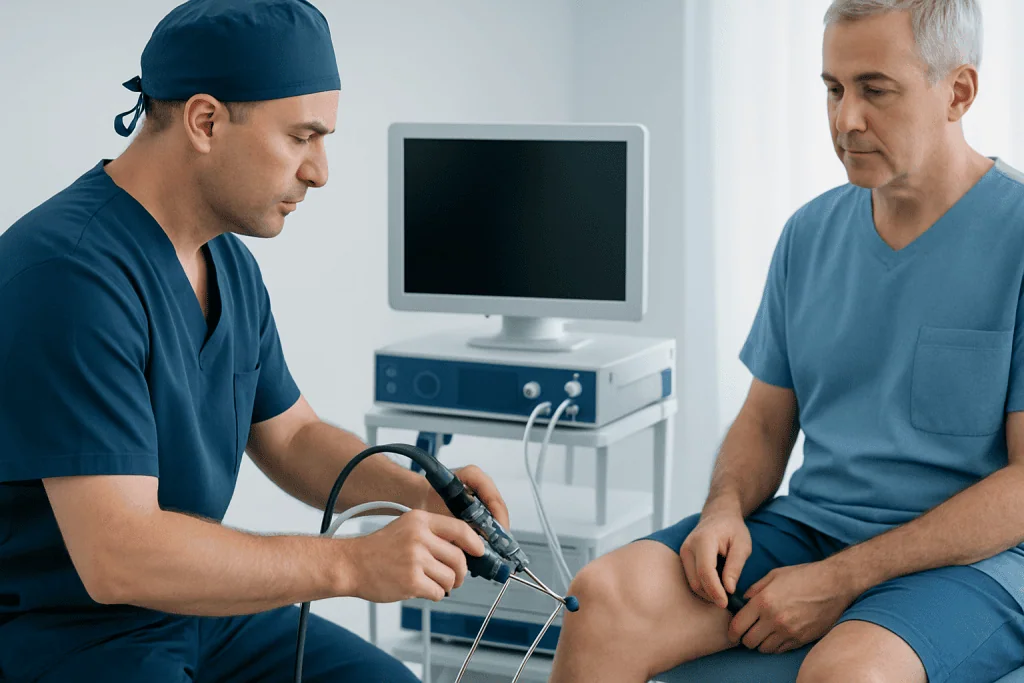
Joint pain can come from many causes, and arthroscopy is only one part of treatment planning. Doctors may consider arthroscopy when a person has ongoing pain, swelling, catching, locking, instability, or limited movement that has not improved enough with rest, medication, activity changes, physical therapy, or injections. In some cases, it is used sooner after an acute sports injury or trauma.
Common reasons for arthroscopy include meniscus tears in the knee, cartilage damage, loose bodies inside a joint, some shoulder tendon or labral injuries, synovial inflammation, and selected ligament problems. It may also be used to support treatment of meniscus tears or to evaluate damage related to sports injuries when symptoms persist.
Not all arthritis-related pain is best managed with arthroscopy. For example, in advanced wear-and-tear arthritis, the procedure may offer limited benefit because the main problem is widespread joint degeneration rather than a small repairable lesion. An orthopedic specialist can explain whether arthroscopy is likely to help or whether other options are more appropriate.
Before Arthroscopy: Evaluation and Preparation
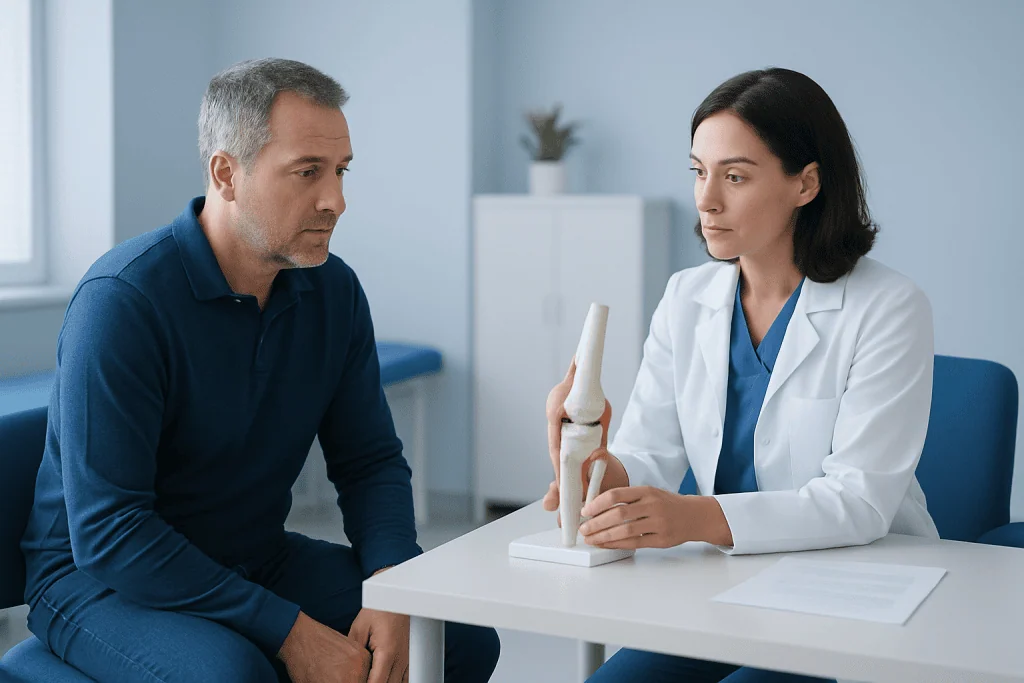
Before arthroscopy, the patient usually has a detailed medical evaluation. This begins with a discussion of symptoms, previous injuries, current medications, allergies, and general health conditions. The doctor examines the painful joint to assess tenderness, range of motion, swelling, stability, and signs of mechanical problems such as clicking or locking.
Imaging studies often help guide the decision. Depending on the joint and the suspected cause, these may include X-rays, ultrasound, or MRI scans. Blood tests or other preoperative assessments may be ordered if needed, especially for older adults or those with medical conditions. The goal is to confirm that arthroscopy is appropriate and to make the procedure as safe as possible.
Patients are also given practical instructions for the day of surgery. These may include when to stop eating and drinking, which medicines to continue or pause, and when to arrange transportation home. The surgeon or anesthesia team explains what type of anesthesia is planned, such as local, regional, or general anesthesia. Asking questions in advance can reduce uncertainty and help patients prepare for recovery.
Preparation may also include planning for life after the procedure. Some patients will need crutches, a sling, or help at home for a short time. If physical therapy is expected, arranging appointments early can make the transition smoother once the joint begins healing.
During the Procedure: What Happens in the Operating Room
On the day of arthroscopy, the patient is checked in, the joint is identified, and the surgical team reviews the treatment plan. After anesthesia is given, the skin is cleaned carefully to reduce infection risk. The surgeon then makes small incisions, often called portals, around the joint. Through one portal, the arthroscope is inserted, and through others, delicate instruments can be used.
Sterile fluid is usually introduced into the joint to improve visibility. The surgeon examines structures such as cartilage, ligaments, tendons, synovium, and the joint lining. If a treatable problem is found, it may be addressed during the same procedure. Examples include trimming or repairing torn tissue, removing loose fragments, smoothing damaged surfaces, or treating inflammation.
The exact procedure depends on the joint and the diagnosis. In the knee, arthroscopy may be used as part of knee arthroscopy for meniscal or cartilage problems. In the shoulder, it may help with selected tendon or labral conditions through shoulder arthroscopy. Some patients may also undergo related orthopedic procedures, such as ACL surgery, when instability from ligament injury is a major source of symptoms.
When the work is complete, the surgeon removes the instruments, drains the fluid as needed, and closes the small incisions with sutures, adhesive strips, or dressings. The patient is then moved to a recovery area for observation as the anesthesia wears off.
After Arthroscopy: Recovery and Rehabilitation
Recovery after arthroscopy varies from person to person. It depends on the joint involved, the extent of the injury, and whether the surgeon only inspected the joint or also performed a repair. Some patients go home the same day with mild discomfort and a clear recovery plan. Others may need a more structured rehabilitation program, especially after ligament reconstruction or tissue repair.
It is common to have temporary swelling, stiffness, soreness, or fatigue in the first days after the procedure. Rest, elevation, ice, and prescribed pain relief may be recommended. Some people can put weight on the joint quickly, while others need crutches, a brace, or a sling for a period of time. The surgeon will explain activity limits and when it is safe to return to work, driving, exercise, or sports.
Physical therapy is often one of the most important parts of recovery. Guided exercises help restore movement, strength, balance, and joint function while protecting the healing tissues. Following the rehabilitation plan carefully can make a meaningful difference in long-term results.
Follow-up appointments allow the doctor to check the incisions, monitor swelling, remove sutures if needed, and assess progress. Recovery can be relatively quick after a simple procedure, but more complex repairs may require weeks to months of rehabilitation. Patience is important, as returning to intense activity too early can delay healing.
Benefits, Limits, and Possible Risks
One reason arthroscopy is widely used is that it may offer several advantages over open surgery in selected cases. Smaller incisions can mean less disruption to surrounding tissues, less postoperative discomfort for some patients, and a potentially shorter recovery period depending on the procedure. It also gives the surgeon a magnified view of structures inside the joint, which can be helpful for both diagnosis and treatment.
At the same time, arthroscopy has clear limits. It is not a cure for every source of joint pain, and outcomes depend on choosing the right patients for the right procedure. If pain mainly comes from advanced arthritis, widespread inflammation, nerve-related causes, or problems outside the joint, arthroscopy may not provide the expected relief. This is why careful assessment before surgery is so important.
As with any procedure, there are possible risks. These can include infection, bleeding, blood clots, stiffness, swelling, anesthesia-related problems, and injury to surrounding cartilage, nerves, or blood vessels. Some people may continue to have pain or may need additional treatment later. Although serious complications are uncommon, patients should understand both the potential benefits and the possible downsides before making a decision.
Self-care, Prevention, and When to See a Doctor
Not every painful joint needs surgery. Many people improve with self-care and conservative treatment, especially in the early stages. Useful measures may include temporary activity modification, a guided exercise program, weight management when appropriate, supportive footwear or braces, and attention to technique during sports or repetitive work. These steps may reduce strain on the joint and lower the risk of repeated injury.
To help protect joint health over time, it can be useful to strengthen the muscles that support the joint, warm up before exercise, and address injuries early rather than continuing through pain. People with recurring instability, swelling after activity, or repeated locking episodes should seek assessment because these symptoms may point to structural damage that needs targeted treatment.
A person should see a doctor if joint pain is persistent, worsening, or interfering with daily life, sleep, work, or exercise. Medical review is also important if there is sudden swelling, inability to bear weight, joint deformity, fever, redness, or a new injury with a popping sensation or loss of function. These signs do not always mean surgery is needed, but they do deserve prompt evaluation.
For international patients who need specialist care, Acibadem International’s multidisciplinary orthopedic teams in JCI-accredited hospitals evaluate joint pain and provide treatments including arthroscopic procedures when appropriate. The best next step is a consultation with a qualified doctor who can explain the diagnosis, treatment choices, and expected recovery in an individualized way.
Frequently asked questions
Is arthroscopy considered surgery?
Yes. Arthroscopy is a surgical procedure, even though it is less invasive than many open operations. It uses small incisions and a camera to look inside the joint and sometimes treat the cause of pain at the same time.
How long does it take to recover from arthroscopy?
Recovery time depends on the joint and what was done during the procedure. A simple arthroscopic inspection or minor trimming may heal relatively quickly, while a repair or reconstruction can require weeks to months of rehabilitation.
Will arthroscopy cure joint pain?
It can help when joint pain is caused by a problem that arthroscopy can treat, such as a torn meniscus, loose body, or selected cartilage or tendon injuries. However, it does not cure every cause of joint pain, especially when pain is mainly related to advanced arthritis or problems outside the joint.
Do patients need general anesthesia for arthroscopy?
Not always. Depending on the joint, the procedure, and the patient’s health, arthroscopy may be done with local, regional, or general anesthesia. The anesthesia team and surgeon decide on the safest and most suitable option.
Is arthroscopy done as a day procedure?
Many arthroscopic procedures are performed on the same day, meaning the patient goes home after recovery from anesthesia. Some cases may need longer observation depending on the complexity of the procedure and the person’s overall health.
What should patients do after arthroscopy?
Patients should follow the surgeon’s instructions about rest, wound care, medication, movement, and rehabilitation. Keeping follow-up appointments and doing recommended physical therapy can support healing and help restore joint function.
References
- American Academy of Orthopaedic Surgeons
- National Institute of Arthritis and Musculoskeletal and Skin Diseases
- NHS
- MedlinePlus
- OrthoInfo
This article is for general information only and is not a substitute for professional medical advice. Please consult a qualified doctor about your individual situation.
Arthroscopy in Turkey — costs, top hospitals & a free quote
JCI-accredited · board-certified surgeons · reply within 24h
Add us as a Preferred Source to see more of our trusted health content across Google Search, AI Overviews and Discover.

Orthopedics & Spine
Care for bones, joints and the musculoskeletal system, including joint replacement, sports injuries and trauma.
125 specialists in this unitMore from the Health Library



Related Specialists

Dr. Aliye Sevil Sarıkaya
Pediatric Endocrinology
Prof. Dr. Erkan Özcan
Psychiatry
Prof. Dr. Mehmet E. Erdil
Orthopedic Surgery & Traumatology
Assoc. Prof. Dr. Çağlar Ruhi
Nephrology