

Bone and Joint Center: What Services Should Patients Expect?
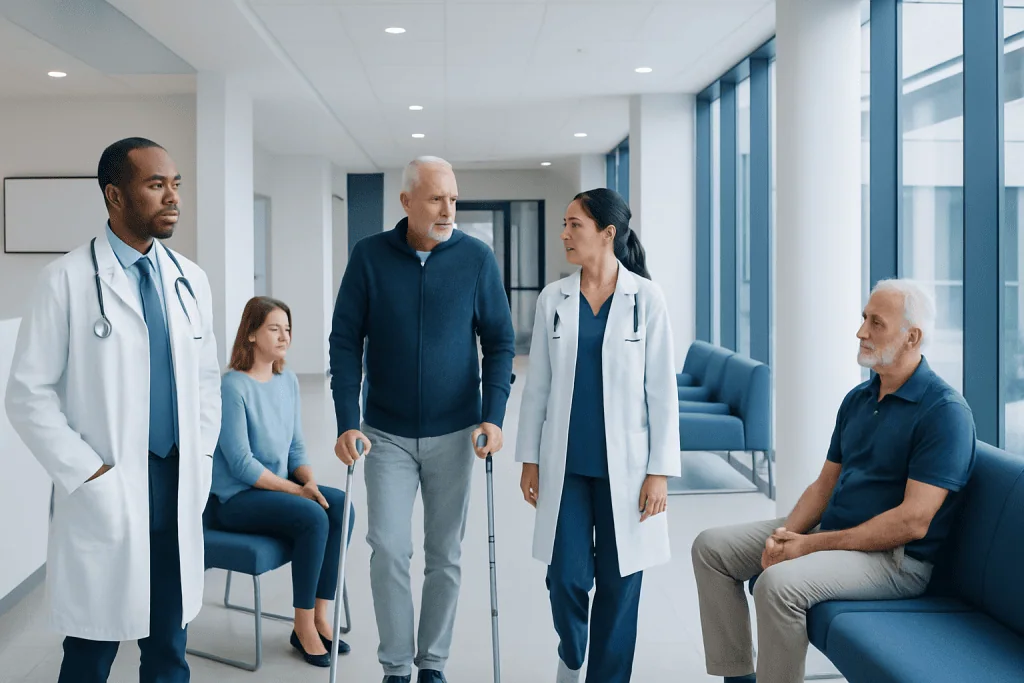
A bone and joint center evaluates musculoskeletal problems such as joint pain, fractures, sports injuries, arthritis, and spine conditions. Care often starts with a detailed history, physical examination, and imaging or laboratory tests when appropriate.
Key Takeaways
- A bone and joint center evaluates musculoskeletal problems such as joint pain, fractures, sports injuries, arthritis, and spine conditions.
- Care often starts with a detailed history, physical examination, and imaging or laboratory tests when appropriate.
- Many patients improve with non-surgical treatment such as medication, injections, physiotherapy, bracing, and lifestyle changes.
- Surgery is usually considered when symptoms are severe, function is limited, or conservative treatment has not helped enough.
- Rehabilitation, prevention, and long-term follow-up are important parts of care, especially after injury or surgery.
Bone and joint center services are designed to diagnose, treat, and help prevent problems affecting bones, joints, muscles, ligaments, tendons, and the spine. Patients can usually expect a coordinated approach that may include specialist assessment, imaging, non-surgical care, rehabilitation, and surgery when needed.
Overview: What a Bone and Joint Center Does
A bone and joint center focuses on conditions that affect the musculoskeletal system. This includes bones, joints, cartilage, muscles, ligaments, tendons, and often the spine. People may visit for sudden injuries, ongoing pain, reduced movement, sports-related problems, age-related wear and tear, or concerns that affect daily activities such as walking, climbing stairs, lifting, or sleeping comfortably.
These centers commonly bring together orthopedic specialists, physiatrists, rheumatology or pain specialists in some settings, radiologists, physiotherapists, and rehabilitation teams. The goal is not only to identify the cause of symptoms, but also to build a treatment plan that matches the patient’s age, activity level, general health, and personal goals. For some people, that means returning to sports; for others, it means walking with less pain or maintaining independence.
Patients can usually expect a step-by-step process. First, the team evaluates symptoms and makes a diagnosis. Then it offers treatment options that may begin with non-surgical care. If an operation is needed, the center typically also provides preparation before surgery and rehabilitation afterward. This coordinated model helps patients understand their condition and move through care more smoothly.
Common Conditions and Symptoms Evaluated
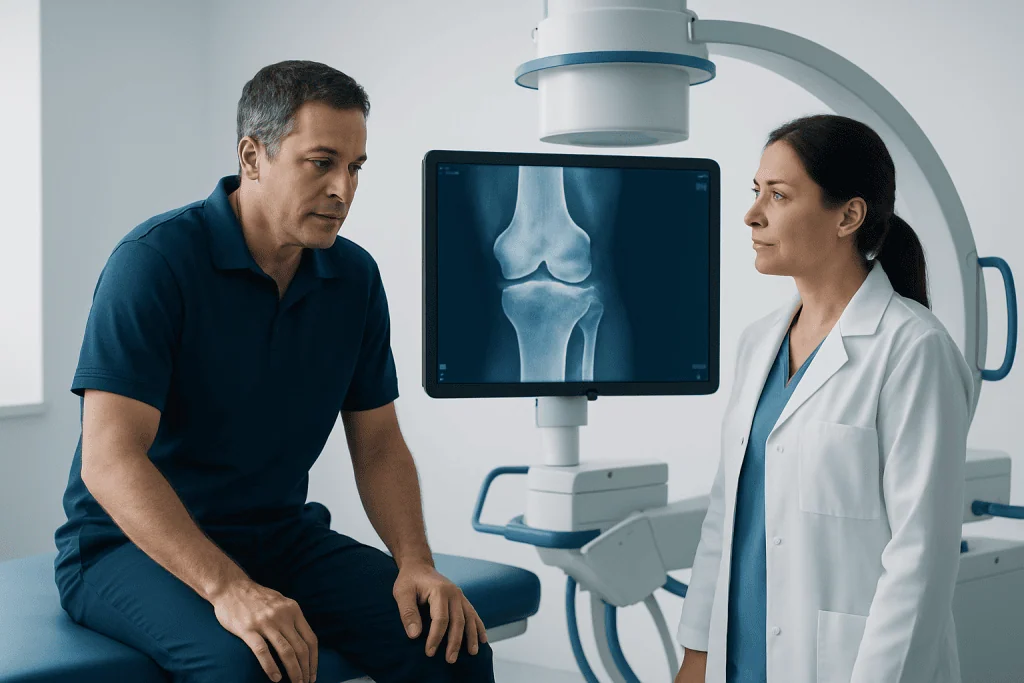
Bone and joint centers assess a wide range of symptoms. Common reasons for referral include joint pain, back or neck pain, swelling, stiffness, reduced range of motion, weakness, numbness related to spine problems, limping, instability, and pain after injury. Some patients seek care for a sudden event such as a fracture or torn ligament, while others have long-term conditions that gradually worsen over time.
Frequently evaluated conditions include osteoarthritis, inflammatory joint problems, tendon injuries, bursitis, fractures, dislocations, sports injuries, overuse injuries, scoliosis, disc-related back pain, and degenerative spine conditions. A center may also assess bone health concerns such as osteoporosis-related fractures or unexplained bone pain that needs further evaluation.
Symptoms that deserve timely medical attention include inability to bear weight, visible deformity, severe swelling after trauma, a hot or red joint with fever, or persistent numbness and weakness. Even when symptoms are not urgent, ongoing pain that interferes with work, exercise, or sleep is a good reason to arrange an assessment.
- Joint pain in the knee, hip, shoulder, ankle, wrist, or elbow
- Back and neck pain with or without leg or arm symptoms
- Sports injuries affecting ligaments, tendons, and cartilage
- Fractures, sprains, strains, and dislocations
- Stiffness, swelling, or reduced mobility linked to arthritis
What Happens at the First Appointment

At a first visit, the clinician usually starts by asking about the patient’s symptoms in detail. Questions often cover when the pain began, whether an injury triggered it, what makes it worse or better, how it affects movement, and whether there are symptoms such as swelling, locking, clicking, tingling, or weakness. Medical history matters too, including previous injuries, surgeries, medications, exercise habits, and other health conditions.
A physical examination is a central part of the visit. Depending on the area involved, the doctor may check posture, gait, alignment, tenderness, swelling, muscle strength, flexibility, joint stability, reflexes, and range of motion. This hands-on assessment helps narrow down whether the problem is in the joint itself, surrounding soft tissue, or the spine and nerves.
Many patients wonder whether they will need tests immediately. In some cases, the diagnosis is clear from the history and examination alone. In others, imaging or laboratory tests are requested to confirm the problem, assess its severity, or rule out other causes. Patients should also expect a discussion about daily goals, because treatment decisions are often guided by how symptoms affect quality of life.
Diagnostic Services Patients May Need
Imaging is one of the most common services offered through a bone and joint center. Standard X-rays are often used to look at bone alignment, fractures, arthritis changes, and some spine conditions. Ultrasound may be used for certain soft tissue problems, while MRI can provide more detail about cartilage, ligaments, tendons, discs, and other structures. CT scans may be helpful in selected cases, especially for complex bone anatomy or surgical planning.
Not every patient needs advanced imaging. A center usually chooses tests based on the symptoms and examination findings so that investigations stay focused and useful. In some situations, blood tests may also be ordered, particularly if infection, inflammation, gout, or another medical cause of joint symptoms is being considered.
Diagnostic services can also include bone density testing for patients at risk of fragile bones, and specialized assessments of walking, balance, or function during rehabilitation. For some joint or spine conditions, image-guided injections may help both diagnose the source of pain and provide symptom relief. The overall purpose is to reach a clear diagnosis before starting or changing treatment.
Non-Surgical Treatment Options
Many musculoskeletal problems can be managed without surgery, especially when diagnosed early. A bone and joint center often offers several conservative treatments that can be combined for better results. These may include activity modification, rest from aggravating movements, heat or ice, short-term pain-relief medicines, anti-inflammatory treatment when appropriate, braces or supports, and targeted exercise plans.
Physiotherapy is one of the most important services patients should expect. It can help improve strength, flexibility, balance, and joint function while reducing pain and stiffness. Rehabilitation plans are usually tailored to the specific condition and may address posture, core stability, gait, return to sport, or recovery after an injury flare. Depending on the problem, patients may also benefit from supervised exercise therapy or care through a dedicated physical therapy and rehabilitation program.
Some centers provide injections for selected conditions, such as painful arthritis, bursitis, or tendon inflammation. These are not right for everyone, but they can be useful when guided by a clear diagnosis. For wear-and-tear joint disease such as osteoarthritis, non-surgical care often aims to control pain, preserve movement, and delay progression. Education, weight management when relevant, and regular low-impact exercise are often part of the plan.
When Surgery May Be Recommended
Surgery is generally considered when symptoms are severe, movement is significantly limited, a structure is badly damaged, or non-surgical treatment has not provided enough relief. The decision depends on the diagnosis, imaging findings, symptom duration, and the patient’s needs and expectations. In emergencies such as certain fractures or dislocations, surgery may be needed more urgently to restore alignment and protect function.
Services at a bone and joint center may include fracture fixation, arthroscopic procedures, ligament reconstruction, tendon repair, spine surgery, and joint replacement. For example, people with advanced knee damage from arthritis may be evaluated for knee replacement, while severe hip arthritis may lead to discussion of hip replacement. Patients with a torn ligament after a sports injury might be assessed for ACL surgery if instability persists and activity goals require it.
Before recommending an operation, the surgeon usually explains the expected benefits, possible risks, recovery time, and alternatives. This shared decision-making process helps patients weigh symptom relief against the demands of rehabilitation. Good surgical care also includes planning for anesthesia, hospital stay if needed, pain control, wound care, and follow-up after discharge.
Rehabilitation, Recovery, and Long-Term Prevention
Recovery does not end after a diagnosis or procedure. Rehabilitation is a major part of bone and joint care because it helps patients regain strength, movement, confidence, and day-to-day function. After fractures, ligament injuries, joint replacement, or spine treatment, the rehabilitation team may guide safe progression of exercise, walking, balance training, and return to work or sport.
Long-term prevention is also important. Patients are often advised to keep joints mobile, maintain muscle strength, and protect bone health through regular activity, adequate nutrition, and fall prevention when relevant. Learning proper movement techniques, improving workstation ergonomics, warming up before exercise, and using appropriate footwear can reduce the chance of repeat injury or strain.
Follow-up appointments help the team monitor healing, adjust treatment, and address any setbacks early. In complex cases, patients may benefit from coordinated care across imaging, surgery, pain management, and rehabilitation. Near the end of the treatment journey, some people also seek guidance on preventing future flare-ups or slowing progression of chronic problems such as arthritis or recurring back pain.
How to Choose a Bone and Joint Center and When to Seek Care
When choosing a bone and joint center, patients often benefit from looking for a multidisciplinary service with access to imaging, non-surgical treatment, surgery when needed, and rehabilitation. Clear communication matters as much as technology. A good center should explain the diagnosis in understandable terms, outline realistic treatment options, and involve the patient in decisions rather than rushing to a single solution.
It is sensible to seek medical care for pain that lasts more than a few weeks, keeps returning, limits activity, or follows an injury. Earlier assessment is especially important if there is severe swelling, inability to move or bear weight, progressive weakness, fever with joint pain, or a visible deformity. Children, older adults, and athletes may also benefit from timely evaluation because delayed treatment can sometimes prolong recovery.
For international patients who need comprehensive orthopedic assessment and treatment, Acibadem International offers multidisciplinary musculoskeletal care in JCI-accredited hospitals. Whatever center a patient chooses, the most helpful approach is usually one that combines accurate diagnosis, individualized treatment, and support through recovery.
Frequently asked questions
What is the difference between a bone and joint center and a general orthopedic clinic?
A bone and joint center often offers a broader, more coordinated range of services under one umbrella. In addition to orthopedic consultations, it may include imaging, rehabilitation, pain procedures, sports medicine, and surgical care, which can make assessment and follow-up more streamlined.
Do all patients at a bone and joint center need surgery?
No. Many bone, joint, and spine conditions improve with non-surgical treatment such as physiotherapy, medication, exercise, bracing, or injections. Surgery is usually considered only when symptoms are significant or conservative treatment has not helped enough.
What tests might be done for joint or spine pain?
The choice of tests depends on the symptoms and examination findings. Common investigations include X-rays, MRI, ultrasound, CT scans, and sometimes blood tests if inflammation, infection, or metabolic causes are possible.
How long does recovery usually take after treatment?
Recovery time varies widely based on the condition and the treatment used. A mild sprain may improve in days to weeks, while recovery after surgery or a major fracture can take months and often includes structured rehabilitation.
Can a bone and joint center help with sports injuries?
Yes. These centers commonly evaluate sprains, ligament tears, tendon injuries, cartilage problems, and overuse conditions related to sports or exercise. Treatment may include rehabilitation, activity modification, bracing, and surgery when necessary.
When should someone seek urgent care for a bone or joint problem?
Urgent assessment is important after major trauma, when there is obvious deformity, inability to bear weight, severe swelling, or sudden weakness or numbness. A hot, red, very painful joint with fever also needs prompt medical attention because infection is one possible cause.
References
- World Health Organization
- American Academy of Orthopaedic Surgeons
- National Institute of Arthritis and Musculoskeletal and Skin Diseases
- National Health Service
- Centers for Disease Control and Prevention
This article is for general information only and is not a substitute for professional medical advice. Please consult a qualified doctor about your individual situation.
Joint and spine care in Turkey — expert assessment & treatment
JCI-accredited · board-certified surgeons · reply within 24h
Add us as a Preferred Source to see more of our trusted health content across Google Search, AI Overviews and Discover.

More from the Health Library



Related Specialists

Dr. Şule Albayrak
Dermatology
Prof. Dr. A. Çağrı Büke
Infectious Diseases & Clinical Microbiology
Dr. Türker Kundak
Internal Medicine
Prof. Dr. Çetin Vural
Ear Nose & Throat