Mental Disorders List: Common Conditions and What Makes Them Different

Mental disorders affect thoughts, emotions, behavior, or functioning and can range from mild to severe. Common categories include anxiety disorders, depressive disorders, bipolar disorder, trauma-related disorders, OCD, eating disorders, and psychotic disorders.
Key Takeaways
- Mental disorders affect thoughts, emotions, behavior, or functioning and can range from mild to severe.
- Common categories include anxiety disorders, depressive disorders, bipolar disorder, trauma-related disorders, OCD, eating disorders, and psychotic disorders.
- Different conditions can share symptoms, so diagnosis should be made by a qualified mental health professional.
- Treatment often combines psychotherapy, lifestyle support, and sometimes medication.
- Early evaluation can improve symptom control, daily functioning, and quality of life.
A mental disorders list can help people understand the main types of mental health conditions, their symptoms, and how they differ. While categories can overlap, accurate diagnosis and personalized treatment are key to effective care and recovery.
Overview: What a Mental Disorders List Includes
A mental disorders list is a way of grouping health conditions that affect mood, thinking, perception, behavior, or the ability to cope with daily life. These conditions are medical and psychological disorders, not signs of weakness or poor character. They can affect children, teenagers, adults, and older adults, and they may appear gradually or begin after stress, trauma, illness, or major life changes.
Mental health conditions are usually classified by their main pattern of symptoms. For example, some disorders are driven mainly by fear and worry, while others involve low mood, shifts in energy, unusual beliefs, intrusive thoughts, or changes in eating and behavior. Although categories are helpful, each person’s experience is individual, and symptoms can overlap.
Understanding common mental disorders can make it easier to recognize when support is needed. It can also reduce stigma by showing that these are recognized health conditions with established diagnostic criteria and treatments. A clear diagnosis helps guide care, but it is equally important to understand the person’s overall health, stressors, relationships, sleep, and physical wellbeing.
Many people improve with treatment and support. Some conditions are short term, while others may need longer-term management. In either case, early recognition and compassionate care can make a meaningful difference.
Common Types of Mental Disorders
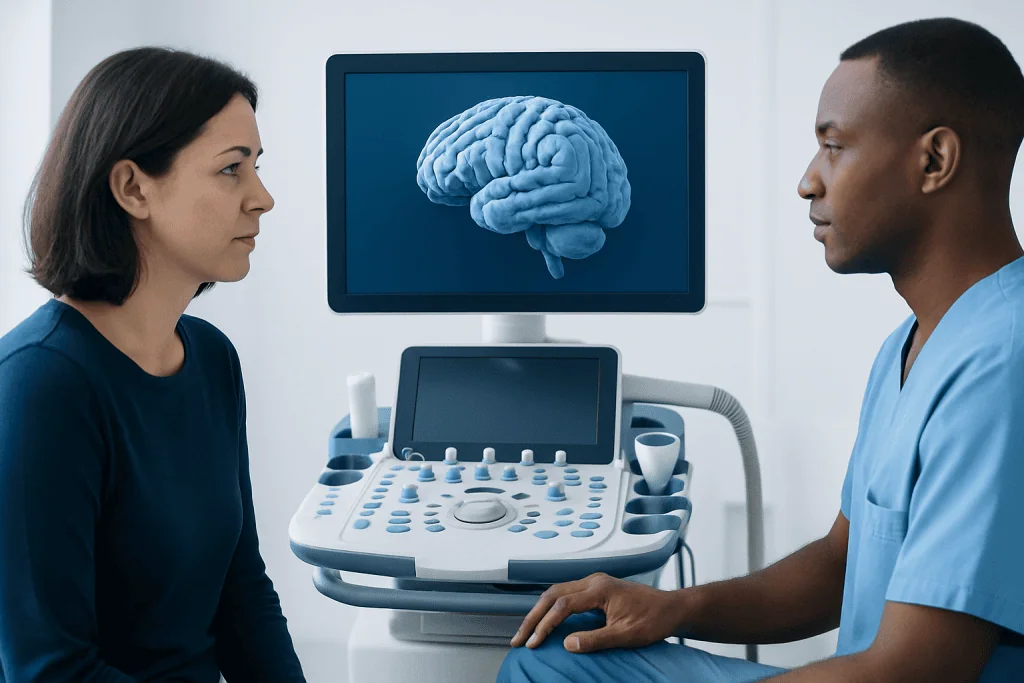
Several mental health conditions are especially common in clinical practice. Anxiety disorders involve excessive fear, worry, panic, or avoidance. This group includes generalized anxiety disorder, panic disorder, social anxiety disorder, and certain phobias. People may feel constantly tense, restless, or physically unwell because anxiety can affect sleep, breathing, heart rate, and concentration.
Depressive disorders are marked by persistent sadness, loss of interest, hopelessness, low energy, and changes in sleep or appetite. Depression may present mainly with emotional symptoms, but it can also cause physical complaints such as fatigue, aches, and slowed thinking. Bipolar disorder is different because it involves episodes of depression along with periods of unusually elevated or irritable mood, increased energy, reduced need for sleep, or impulsive behavior.
Obsessive-compulsive disorder, or OCD, is characterized by intrusive, unwanted thoughts and repetitive behaviors or mental rituals performed to reduce distress. Trauma- and stressor-related disorders, including post-traumatic stress disorder, may develop after frightening or deeply distressing experiences. Symptoms can include flashbacks, avoidance, hypervigilance, emotional numbness, and disturbed sleep.
Other important categories include eating disorders, personality disorders, neurodevelopmental disorders such as ADHD and autism spectrum disorder, substance use disorders, and psychotic disorders such as schizophrenia. In psychotic disorders, a person may have hallucinations, delusions, disorganized thinking, or reduced emotional expression. These conditions differ in their core symptoms, timing, severity, and treatment approach.
What Makes These Conditions Different

The main differences between mental disorders usually relate to symptom pattern, duration, intensity, and impact on daily functioning. For example, anxiety disorders center on fear and anticipation of threat, while depressive disorders center on low mood and reduced enjoyment. Bipolar disorder differs from depression because mood also shifts upward into mania or hypomania, bringing increased activity, racing thoughts, or risk-taking.
Some conditions are defined by the type of thought process involved. In OCD, the distress often comes from intrusive thoughts and the urge to neutralize them with rituals. In psychotic disorders, the person may lose touch with reality in a more fundamental way, such as hearing voices or holding fixed false beliefs. Trauma-related disorders are linked to a past stressful event and often include re-experiencing, avoidance, and heightened arousal.
Timing also matters. A panic attack can come on suddenly within minutes, while generalized anxiety is more persistent and diffuse. Grief after a loss is a natural human response, but if symptoms are prolonged, severe, and impairing, a clinician may consider depression or another condition. Children and adolescents can also show mental disorders differently, sometimes through irritability, school difficulties, physical complaints, or behavior changes rather than clearly expressed emotions.
Because overlap is common, one person may meet criteria for more than one condition. For instance, depression and anxiety often occur together, and trauma can contribute to mood symptoms, sleep disturbance, and substance misuse. This is why self-diagnosis from a list alone is not enough; professional assessment is important for accuracy and safety.
Symptoms That Can Signal a Mental Health Condition
Mental disorders can affect emotions, thoughts, physical sensations, and behavior. Warning signs may include persistent sadness, intense worry, panic attacks, unusual irritability, loss of interest in usual activities, changes in sleep, appetite or weight, social withdrawal, trouble concentrating, or feeling emotionally overwhelmed. Some people notice declining performance at work or school before they identify emotional symptoms clearly.
There may also be symptoms that look physical at first, such as fatigue, headaches, stomach discomfort, rapid heartbeat, muscle tension, or unexplained aches. In some disorders, people experience intrusive thoughts, compulsive checking or cleaning, traumatic memories, emotional numbness, binge eating, restrictive eating, or substance misuse. In more severe conditions, symptoms can include confusion, hearing or seeing things others do not, strongly fixed beliefs that are not based in reality, or marked shifts in behavior.
Common symptoms to watch for include:
- Persistent low mood or loss of pleasure
- Excessive fear, worry, or avoidance
- Sudden mood changes or periods of unusually high energy
- Obsessions and compulsions
- Sleep problems, fatigue, or poor concentration
- Changes in appetite, weight, or self-care
- Thoughts of self-harm or suicide
- Hallucinations, delusions, or disorganized thinking
If symptoms are ongoing, worsening, or interfering with relationships, work, school, or personal safety, a professional evaluation is recommended. Seeking help early does not mean the problem is severe; it means the person is taking mental health seriously and responsibly.
Causes and Risk Factors
Mental disorders usually do not have a single cause. Instead, they arise from a combination of biological, psychological, and social factors. Genetics can increase vulnerability in some conditions, especially mood disorders, anxiety disorders, ADHD, bipolar disorder, and schizophrenia. Brain chemistry, hormone changes, chronic medical conditions, sleep problems, and some medications can also contribute to symptoms.
Life experiences play a major role. Trauma, neglect, family conflict, social isolation, grief, bullying, discrimination, financial stress, and major transitions can increase risk. Ongoing stress does not always cause a disorder by itself, but it can trigger symptoms in someone who is already vulnerable. Substance and alcohol use may worsen existing symptoms or create new problems, including anxiety, depression, and psychosis.
Protective factors matter too. Supportive relationships, stable routines, healthy sleep, regular physical activity, access to care, and coping skills can reduce risk and improve resilience. Culture and family background may influence how symptoms are understood and described, which is another reason careful, person-centered assessment is important.
It is helpful to remember that risk factors do not guarantee that someone will develop a disorder, and many people with mental health conditions have no obvious single trigger. A balanced understanding can reduce blame and encourage practical, compassionate care.
How Mental Disorders Are Diagnosed
Diagnosis begins with a detailed conversation about symptoms, daily functioning, medical history, family history, sleep, substance use, and recent stressors. A psychiatrist, psychologist, or another qualified mental health professional may use structured interviews or questionnaires to better understand the pattern and severity of symptoms. The goal is not just to attach a label, but to understand what the person is experiencing and what kind of help is most appropriate.
Because medical conditions can sometimes mimic or worsen mental health symptoms, a doctor may recommend a physical examination or laboratory tests. Thyroid disease, vitamin deficiencies, neurological conditions, medication side effects, hormonal changes, and substance use can all affect mood, anxiety, thinking, or behavior. Ruling these out helps improve diagnostic accuracy.
Diagnosis also considers duration and context. For example, temporary stress reactions may not meet criteria for a mental disorder, while longer-lasting symptoms that impair functioning may do so. Clinicians also assess safety, including any thoughts of self-harm, suicidal thinking, severe impulsivity, or inability to care for oneself.
In some cases, evaluation is done by a multidisciplinary team. This can be especially useful when symptoms are complex or overlapping. Mental health professionals may also work alongside neurologists, internists, pediatricians, or social workers to create a fuller picture and develop a realistic treatment plan.
Treatment Options and Ongoing Care
Treatment depends on the diagnosis, severity of symptoms, age, preferences, and whether there are related medical or social concerns. Many people benefit from psychotherapy. Approaches may include cognitive behavioral therapy, trauma-focused therapy, interpersonal therapy, family therapy, or other structured methods. Therapy can help a person understand symptoms, build coping skills, improve relationships, and reduce distressing patterns of thinking or behavior.
Medication may also be appropriate for some conditions, especially moderate to severe depression, certain anxiety disorders, bipolar disorder, psychotic disorders, or severe OCD. Medicines are selected according to the condition and the person’s health profile, and they should be reviewed by a qualified doctor. For some people, the most effective approach combines therapy, medication, sleep support, regular follow-up, and practical help with daily functioning.
Lifestyle measures can support recovery, although they do not replace professional treatment when symptoms are significant. Helpful habits include regular sleep, balanced nutrition, exercise, reduced alcohol or substance use, stress management, and staying connected with trusted people. Support groups and psychoeducation can also reduce isolation and strengthen long-term coping.
When symptoms are severe or urgent, more intensive care may be needed, such as crisis assessment, day programs, or hospital treatment. Near the end of the care journey, some people also benefit from specialist planning for relapse prevention and family education. Acibadem International’s multidisciplinary specialists and JCI-accredited hospitals diagnose and treat mental health conditions for international patients with individualized care plans.
Prevention, Self-Care, and When to Seek Help
Not every mental disorder can be prevented, but healthy routines and early support can lower risk and reduce severity. Good sleep habits, regular movement, stress management, supportive relationships, and avoiding harmful substance use can all protect mental wellbeing. It also helps to seek help early for prolonged stress, trauma, burnout, or mood changes rather than waiting for symptoms to become overwhelming.
Self-care is most effective when it is realistic and consistent. Useful strategies include keeping a daily routine, limiting overstimulation, spending time outdoors, practicing relaxation techniques, and setting small achievable goals. Family members and friends can support recovery by listening without judgment, encouraging treatment, and noticing changes in behavior or safety.
A doctor or mental health professional should be consulted if symptoms last for more than a few weeks, interfere with daily life, or cause distress. Urgent help is needed if a person has suicidal thoughts, self-harm behavior, severe agitation, cannot distinguish reality clearly, or is unable to care for basic needs. Emergency services should be contacted right away in any immediate safety crisis.
Seeking support is a positive step. Mental health conditions are common, treatable, and worthy of the same attention as physical health problems. A thoughtful evaluation can bring clarity, reduce uncertainty, and open the door to effective treatment.
Frequently asked questions
What are the most common mental disorders?
Common mental disorders include anxiety disorders, depressive disorders, bipolar disorder, obsessive-compulsive disorder, trauma-related disorders, eating disorders, and substance use disorders. Psychotic disorders such as schizophrenia are less common but are also important because they can seriously affect perception and functioning.
What is the difference between anxiety and depression?
Anxiety is mainly characterized by excessive fear, worry, tension, and avoidance, while depression is more often marked by persistent sadness, low energy, and loss of interest or pleasure. The two can happen together, which is why a full evaluation is important.
Can a person have more than one mental disorder at the same time?
Yes. It is common for mental health conditions to overlap, such as anxiety with depression or trauma-related symptoms with substance misuse. This is called comorbidity and can affect diagnosis and treatment planning.
How are mental disorders diagnosed?
Diagnosis is based on a clinical assessment that reviews symptoms, duration, daily functioning, medical history, stressors, and sometimes physical health tests. Mental health professionals use established diagnostic criteria and may also screen for safety concerns such as self-harm risk.
Are mental disorders treatable?
Yes, many mental disorders respond well to treatment. Depending on the condition, treatment may include psychotherapy, medication, lifestyle support, family involvement, and regular follow-up to monitor progress and prevent relapse.
When should someone seek help for mental health symptoms?
Help should be sought when symptoms are persistent, distressing, or affecting work, school, relationships, sleep, or self-care. Immediate urgent help is needed for suicidal thoughts, self-harm, severe confusion, psychosis, or any situation involving personal safety.
References
- World Health Organization
- National Institute of Mental Health
- American Psychiatric Association
- National Health Service
- Centers for Disease Control and Prevention
This article is for general information only and is not a substitute for professional medical advice. Please consult a qualified doctor about your individual situation.
Explore treatments in Turkey — costs, top hospitals & a free quote
JCI-accredited · board-certified surgeons · reply within 24h
Add us as a Preferred Source to see more of our trusted health content across Google Search, AI Overviews and Discover.
Check your numbers in seconds
BMI, calories, due date, blood pressure and 30+ more clinical calculators — free, instant, doctor-reviewed ranges.