Mental Health Resources: Where to Find Crisis Help, Therapy, and Community Support

Mental health resources range from emergency crisis services to therapy, support groups, and community programs. Immediate help is available for suicidal thoughts, self-harm risk, severe distress, or danger to self or others.
Key Takeaways
- Mental health resources range from emergency crisis services to therapy, support groups, and community programs.
- Immediate help is available for suicidal thoughts, self-harm risk, severe distress, or danger to self or others.
- People can often start with a primary care doctor, mental health professional, school counselor, or local health service.
- Different resources meet different needs, including medication care, talk therapy, peer support, and social services.
- Early support can improve safety, coping, and long-term mental well-being.
Mental health resources can help people find urgent crisis support, ongoing therapy, and practical community services for daily life. Knowing where to turn can make it easier to get timely, appropriate care for emotional, psychological, or behavioral concerns.
Overview of Mental Health Resources
Mental health resources are services and supports that help people manage emotional, psychological, and behavioral challenges. They may include emergency crisis lines, psychiatrists, psychologists, counselors, social workers, support groups, school or workplace services, and community organizations. Some resources are designed for immediate safety, while others focus on ongoing treatment, recovery, and day-to-day support.
People seek help for many reasons, including anxiety, depression, trauma, grief, panic attacks, substance use concerns, stress, sleep problems, relationship difficulties, or a general sense that they are not coping well. Mental health support is not only for severe illness. It can also help during life transitions, burnout, caregiving stress, loneliness, or periods of persistent low mood.
Different services meet different needs. A crisis line can offer immediate guidance in a dangerous moment, while regular therapy can help someone understand patterns, build coping skills, and work toward recovery over time. Community support may help with practical needs such as housing, financial stress, caregiving, transportation, or social connection, all of which can affect mental well-being.
Finding the right help can feel overwhelming, especially during distress. It may help to remember that starting anywhere is often better than waiting for the perfect option. A trusted doctor, licensed therapist, local emergency service, or recognized community organization can often guide the next step.
When Crisis Help Is Needed Right Away
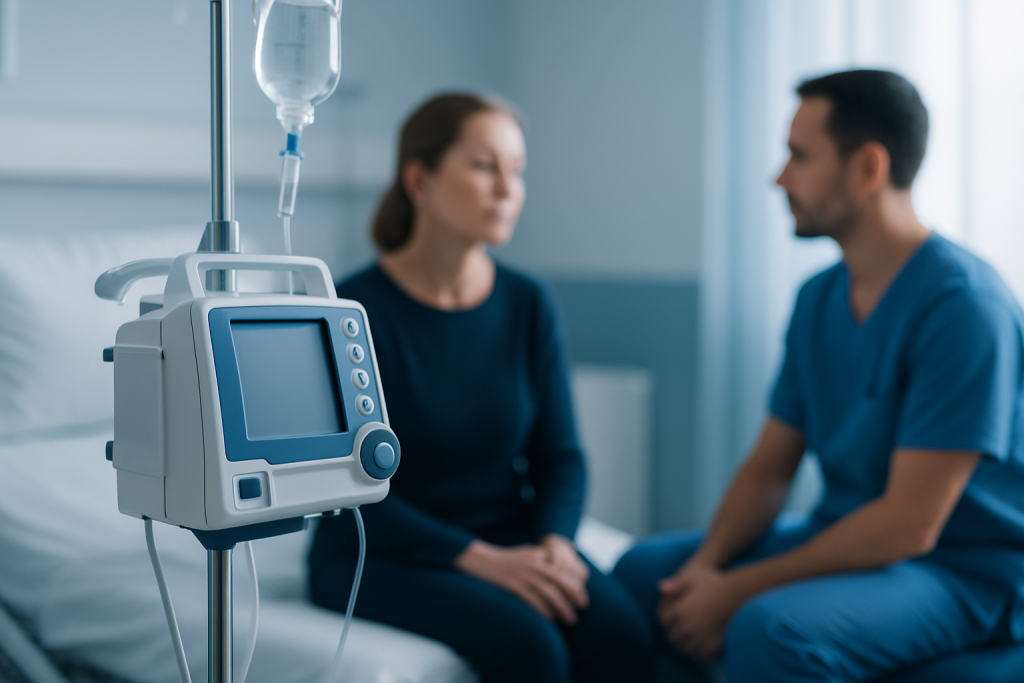
Some situations require urgent mental health support. Crisis help is appropriate when a person is thinking about suicide, has a plan to harm themselves, is at risk of harming others, is unable to care for basic needs, or is experiencing severe confusion, agitation, panic, or psychosis. In these situations, emergency services or an immediate crisis line can help assess safety and connect the person to urgent care.
If someone is in immediate danger, has taken an overdose, has injured themselves, or cannot be kept safe, the safest action is to call local emergency services or go to the nearest emergency department. If possible, the person should not be left alone. Removing access to means of self-harm, such as medications, sharp objects, or firearms, may also be an important immediate safety step if it can be done safely.
Crisis resources may include national or local suicide hotlines, mobile crisis teams, psychiatric urgent care centers, emergency departments, and hospital-based mental health services. These services are designed to provide short-term support, assess risk, and decide whether home support, urgent outpatient care, or hospital treatment is needed.
Warning signs that should never be ignored include:
- Talking about wanting to die or disappear
- Feeling trapped, hopeless, or like a burden
- Sudden severe mood changes
- Self-harm or threats of self-harm
- Extreme withdrawal, fear, or agitation
- Hearing or seeing things others do not
- Severe substance use with unsafe behavior
Types of Therapy and Professional Mental Health Care

Professional mental health care includes several types of services. Psychiatrists are medical doctors who diagnose mental health conditions and can prescribe medication when needed. Psychologists, licensed counselors, psychotherapists, and clinical social workers provide structured talk therapy and emotional support. Some people benefit from one type of professional, while others may receive care from a team.
Therapy can take different forms. Individual therapy offers one-to-one support, couples or family therapy focuses on relationships and communication, and group therapy provides guided support with others facing similar concerns. Common approaches include cognitive behavioral therapy, trauma-informed therapy, interpersonal therapy, and skills-based approaches that help with emotional regulation, stress management, and problem-solving.
Medication may be recommended for some conditions, especially when symptoms are severe, persistent, or significantly affect daily functioning. Medication management is usually combined with follow-up care and may work best alongside therapy, healthy routines, and social support. A qualified clinician can explain expected benefits, possible side effects, and the importance of regular review.
Some people need more structured care than weekly therapy. Depending on need, doctors may recommend outpatient psychiatry, day programs, inpatient care, or rehabilitation support if mental health symptoms are linked with substance use recovery or functional decline. Conditions such as depression or anxiety may be treated with a combination of therapy, medication, and lifestyle support.
Community Support and Everyday Resources
Community support can play a major role in mental well-being. Not every person needs hospital care or specialist treatment, but many benefit from practical and social support close to home. Community mental health centers, peer support groups, faith-based services, school counselors, workplace assistance programs, youth services, senior services, and nonprofit organizations may all help reduce isolation and improve access to care.
Peer support is especially valuable for some people. Speaking with others who have lived experience of recovery can reduce shame and help a person feel understood. Peer-led groups may focus on stress, grief, addiction recovery, parenting, trauma, mood disorders, or family caregiving. While peer support does not replace medical care when it is needed, it can be a strong complement to professional treatment.
Practical supports also matter. Difficulties with housing, finances, unemployment, caregiving, migration, disability, or chronic illness can worsen emotional distress. Social workers and community organizations may help people navigate benefits, transport, legal concerns, educational support, or family resources. Addressing these day-to-day pressures can make mental health treatment more effective and sustainable.
For children and teenagers, helpful resources may include school psychologists, pediatricians, family doctors, youth mental health clinics, and family-centered counseling. For older adults, community aging services, memory clinics, and home support programs can be important, especially when loneliness, chronic illness, grief, or cognitive change affect emotional health.
How to Find the Right Resource
Finding the right mental health service often begins with identifying the urgency of the situation. If there is immediate danger, emergency help comes first. If the concern is ongoing but not urgent, many people start with a primary care doctor, who can check for related physical health issues, discuss symptoms, and provide referrals. This first step can be especially helpful when sleep problems, fatigue, pain, hormonal changes, or medication effects may be contributing to emotional symptoms.
It can also help to think about what kind of support is needed most. Some people want a diagnostic evaluation, others need regular talk therapy, and some need both. A person may also prefer in-person care, telehealth, family involvement, language-specific support, trauma-informed care, or a therapist experienced in children, adolescents, addiction, grief, or relationship concerns.
When considering a provider, practical questions may help:
- Is the professional licensed and trained in mental health care?
- What age groups or concerns do they commonly treat?
- Do they offer in-person, telephone, or video appointments?
- What are the expected wait times and costs?
- Is interpretation available if needed?
- What should be done if symptoms worsen between visits?
If a first option is not a good fit, that does not mean help will not work. It is common to try more than one therapist, doctor, or service before finding the right match. Continuity, trust, safety, and clear communication are important parts of effective mental health care.
Self-Care, Safety Planning, and Ongoing Support
Self-care is not a substitute for professional care in a crisis, but it can support recovery and day-to-day stability. Helpful routines may include regular sleep, balanced meals, physical activity, social contact, time outdoors, reduced alcohol or drug use, and structured daily habits. Small, realistic steps are often more sustainable than trying to change everything at once.
Many people also benefit from a personal safety plan. This is a simple written plan created in advance for times of worsening distress. It may include warning signs, coping strategies, people to contact, crisis numbers, safe places to go, and steps to reduce access to self-harm means. A mental health professional can help create or review this plan.
Digital tools may also be useful. Some people use secure telehealth appointments, guided mental wellness apps, online psychoeducation, or moderated support communities. These tools can improve access, especially for those in remote areas or with mobility, work, or caregiving barriers. However, they should come from reputable organizations and should not replace urgent evaluation when there is serious risk.
Ongoing follow-up matters, especially after a crisis, hospital visit, medication change, or major life event. Recovery often happens gradually. With the right combination of professional care, social support, and practical help, many people can improve functioning, strengthen coping, and feel more hopeful about the future.
When to See a Doctor or Mental Health Professional
A doctor or mental health professional should be consulted if emotional symptoms are lasting more than a few weeks, becoming more intense, or interfering with daily life. This includes changes in sleep, appetite, concentration, mood, school or work performance, relationships, substance use, or the ability to manage usual responsibilities. Earlier support often makes treatment more effective.
It is also important to seek help for panic attacks, persistent anxiety, low mood, trauma symptoms, unexplained irritability, social withdrawal, or loss of interest in usual activities. Children may show mental health concerns differently from adults, sometimes through behavior changes, school refusal, stomach aches, headaches, clinginess, or sudden drops in academic performance.
If symptoms involve self-harm, suicidal thoughts, hallucinations, severe agitation, or major changes in behavior, urgent assessment is needed. In some cases, doctors may recommend further evaluation such as a medical check-up and screening to look for physical contributors, or specialist care such as neurology evaluation when neurological symptoms are also present.
For international patients seeking coordinated assessment and treatment, Acibadem International’s multidisciplinary specialists and JCI-accredited hospitals provide mental health evaluation and supportive care pathways tailored to individual needs. The most important step is to reach out to a qualified professional and not face serious distress alone.
Frequently asked questions
What are mental health resources?
Mental health resources are services that support emotional and psychological well-being. They include crisis lines, emergency departments, therapists, psychiatrists, support groups, school services, and community organizations.
How does someone know if they need crisis help or routine therapy?
Crisis help is needed when there is immediate danger, suicidal thinking, self-harm, severe confusion, or risk of harm to others. Routine therapy is more appropriate for ongoing stress, anxiety, depression, grief, trauma, or relationship concerns that are not an immediate emergency.
Can a primary care doctor help with mental health concerns?
Yes. A primary care doctor can discuss symptoms, check for physical health causes, offer initial treatment, and refer to a mental health specialist if needed. This can be a helpful first step, especially when symptoms are new or unclear.
Are online therapy and telehealth effective?
For many people, telehealth can be a practical and effective way to receive therapy, follow-up visits, and psychoeducation. It may improve access for those with travel, work, or mobility barriers, though urgent crises still require immediate local emergency support.
What if someone does not feel comfortable with the first therapist they meet?
That can happen, and it does not mean therapy will not help. A good therapeutic relationship is important, so it is reasonable to ask questions, try another provider, and keep looking for a professional who feels like a better fit.
Can community support really make a difference in mental health?
Yes. Community support can reduce loneliness, improve coping, and help people manage practical problems such as housing, school, caregiving, or financial stress. For many people, these supports work best alongside medical or psychological care.
References
- World Health Organization
- National Institute of Mental Health
- American Psychiatric Association
- Centers for Disease Control and Prevention
- Substance Abuse and Mental Health Services Administration
This article is for general information only and is not a substitute for professional medical advice. Please consult a qualified doctor about your individual situation.
Explore treatments in Turkey — costs, top hospitals & a free quote
JCI-accredited · board-certified surgeons · reply within 24h
Add us as a Preferred Source to see more of our trusted health content across Google Search, AI Overviews and Discover.

More from the Health Library



Related Specialists

Prof. Dr. Arel Gereli
Orthopedic Surgery & Traumatology
Dr. İsmet Topaç
Emergency Service
Dr. Mustafa Aydemir
Anesthesiology
Prof. Dr. Erkan Vardareli
Nuclear Medicine