Mental Health News: How to Judge Online Advice, Trends, and Misinformation

Not all mental health advice online is evidence-based, even when it sounds convincing or widely shared. Reliable information usually names qualified sources, explains limits, and avoids dramatic promises.
Key Takeaways
- Not all mental health advice online is evidence-based, even when it sounds convincing or widely shared.
- Reliable information usually names qualified sources, explains limits, and avoids dramatic promises.
- Social media trends may raise awareness, but they should not be used to self-diagnose or replace professional assessment.
- Warning signs of misinformation include fear-based language, miracle cures, and pressure to avoid medical care.
- A licensed mental health professional can help interpret online information in the context of personal symptoms and needs.
Online mental health content can be helpful, but it is not all equally trustworthy. Learning how to evaluate mental health news, social media trends, and wellness claims can help people make safer, more informed decisions about their care.
Overview: Why online mental health information needs careful review
People now learn about emotions, stress, trauma, attention, sleep, and relationships from news sites, podcasts, influencers, short videos, forums, and health websites. Some of this information can reduce stigma and encourage people to seek help. However, some content oversimplifies complex conditions, spreads misleading claims, or presents personal opinions as medical facts.
Mental health is especially vulnerable to misinformation because symptoms can overlap, experiences are deeply personal, and there is strong public interest in self-help tools. A post may describe common feelings in a way that seems relatable, leading someone to believe they have a specific disorder when the explanation may be incomplete or inaccurate. In other cases, a concerning symptom may be dismissed as a harmless trend, delaying proper care.
Good mental health news should inform, not persuade through fear or certainty. It should make clear whether the information is based on research, expert consensus, or an individual story. It should also remind readers that online education can support understanding, but it cannot replace a thorough evaluation by a qualified clinician.
What trustworthy mental health advice usually looks like
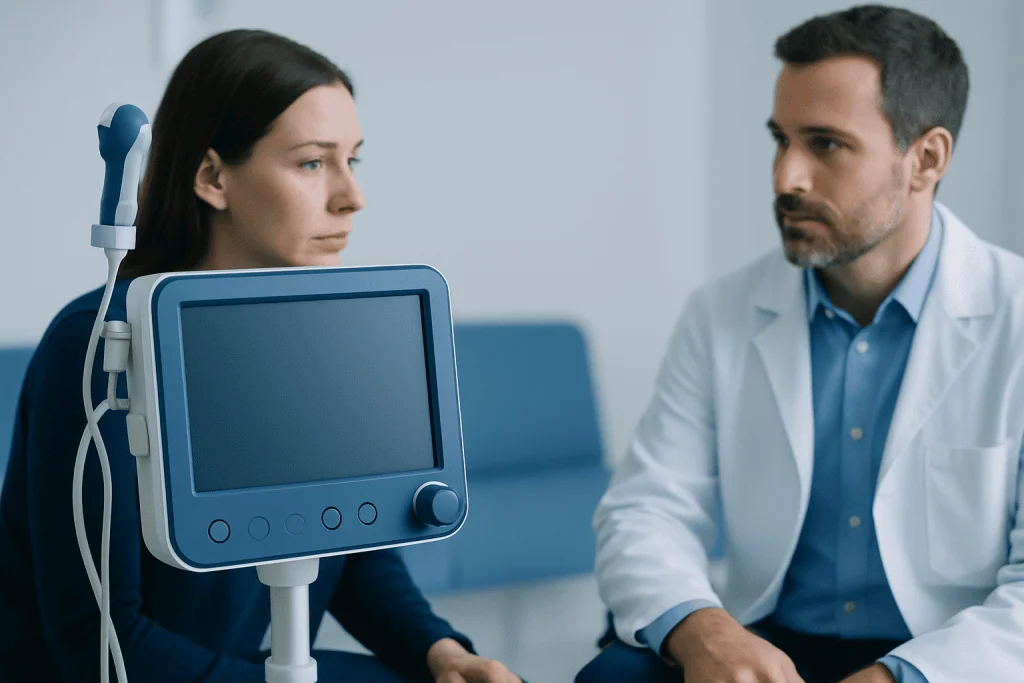
Reliable mental health information is usually clear about where it comes from. It may cite recognized medical organizations, peer-reviewed research, or licensed professionals such as psychiatrists, psychologists, neurologists, or clinical social workers. Trustworthy sources often explain what is known, what is still uncertain, and why a topic may be more nuanced than a short headline suggests.
High-quality advice tends to use balanced language. It does not promise that one method works for everyone, and it does not claim that a single symptom always means a certain diagnosis. Instead, it describes patterns, possible explanations, and when a person should consider professional support. It often includes practical steps such as keeping a symptom diary, improving sleep habits, or discussing concerns with a doctor.
Another sign of quality is transparency. Credible content usually identifies the author, their qualifications, and whether the material has been medically reviewed. It also avoids presenting supplements, products, or coaching services as proven treatments without appropriate evidence.
- Names the author or reviewer and their credentials
- Uses evidence-based, non-sensational language
- Explains limits, uncertainty, and individual differences
- Encourages professional care when needed
- Separates education from advertising
Common warning signs of misinformation and misleading trends

Some online content is easy to question, but much of it sounds believable at first. A common warning sign is certainty. Statements like “this always means,” “doctors will not tell you,” or “this one trick heals trauma” are usually not consistent with evidence-based mental health care. Human behavior and mental health conditions are complex, and credible experts rarely speak in absolutes.
Another red flag is emotional pressure. Content may use fear, urgency, or identity-based messaging to push a person toward a conclusion. For example, a video may imply that everyday stress, occasional forgetfulness, or social discomfort definitely indicates a disorder. This can create anxiety and confusion rather than clarity.
People should also be cautious if content discourages treatment, mocks diagnosis by professionals, or promotes unproven methods as substitutes for care. Personal stories can be meaningful, but one person’s experience does not establish what is safe or effective for others. Trends around burnout, trauma, depression, or anxiety may increase awareness, yet they still need context from qualified clinicians.
- Miracle cures or guaranteed results
- Claims that everyone with a common symptom has the same condition
- Advice to stop prescribed treatment without medical guidance
- Posts that rely only on anecdotes and not evidence
- Content designed mainly to sell a product or program
How to judge a source step by step
A simple method can help people evaluate mental health news before acting on it. First, look at the source. Is the information from a recognized health institution, government agency, professional society, hospital, or licensed clinician? Second, check the date. Mental health knowledge evolves, and older material may not reflect current understanding or terminology.
Next, read beyond the headline. Headlines on social media or news platforms may exaggerate findings. The actual article may describe a much smaller effect, a limited study population, or an early-stage result that does not apply broadly. It also helps to ask whether the article distinguishes between correlation and causation. For instance, just because two things appear together does not mean one caused the other.
Finally, compare the claim with more than one reputable source. If a major statement appears only on influencer accounts or promotional pages, caution is wise. If it is echoed by national health agencies, major medical centers, or professional mental health organizations, it is more likely to be dependable. When symptoms affect daily life, the safest next step is not more scrolling but a clinical conversation.
- Who wrote it, and what are their qualifications?
- When was it published or reviewed?
- Does it cite recognized expert sources?
- Is the language balanced or exaggerated?
- Does it try to educate, sell, or provoke?
Why self-diagnosis online can be misleading
Many people first recognize themselves in online posts about mental health. That recognition can be helpful because it may reduce shame and encourage support-seeking. Still, self-diagnosis based only on videos, checklists, or symptom memes can be inaccurate. Many mental health symptoms overlap with physical health conditions, sleep problems, medication effects, stress, grief, substance use, or neurodevelopmental differences.
For example, trouble focusing may relate to stress, poor sleep, anxiety, depression, learning difficulties, or attention-deficit/hyperactivity disorder. Feeling emotionally numb may appear in depression, trauma-related conditions, burnout, or medical illness. Without a full history and proper assessment, it is easy to mistake one issue for another or miss a coexisting condition.
Professional assessment is not about dismissing a person’s experience. It is about putting symptoms into context and identifying the most appropriate support. This may include lifestyle changes, psychotherapy, family support, workplace adjustments, or medical treatment when indicated. In some cases, a doctor may also recommend evaluation for related concerns such as sleep disorders or thyroid disease.
What to do with mental health information you find online
Online information is most useful when it becomes a starting point for reflection rather than a final answer. If a person sees a post that feels relevant, they can write down which symptoms they relate to, how long they have been present, what makes them better or worse, and how they affect school, work, sleep, or relationships. This creates a clearer picture than relying on a general post alone.
It can also help to bring specific questions to a professional. A person might ask whether their symptoms fit a known condition, what else should be considered, and which evidence-based treatments are available. Depending on the concern, support may include psychiatric evaluation, psychotherapy, or a broader health review if physical symptoms are also present.
For people supporting a child, teenager, or loved one, calm discussion is often more helpful than arguing about a trend. Asking what they have seen online, what they think it means, and how they have been feeling can open a more productive conversation. If there are concerns about mood, behavior, or concentration, a clinician can assess whether issues such as ADHD or another condition may be involved.
When to seek professional help urgently
While many online discussions focus on mild or moderate symptoms, some situations need prompt professional attention. A person should seek urgent help if they have thoughts of self-harm or suicide, feel unable to stay safe, experience severe panic that does not settle, show signs of psychosis such as hallucinations or fixed false beliefs, or have extreme changes in behavior, sleep, or functioning.
It is also important to seek medical advice if symptoms are sudden, intense, or clearly worsening, or if they interfere with eating, personal care, work, parenting, or school. New mental health symptoms can sometimes be linked to physical illness, medications, substance use, or neurological conditions, so proper evaluation matters.
For non-urgent concerns, a scheduled appointment with a qualified professional can still be very valuable. Mental health care works best when it is individualized, respectful, and based on a full understanding of the person’s health and circumstances. Near the end of the care pathway, some people may explore options such as neurology consultation when symptoms overlap with cognitive or nervous system concerns. Acibadem International’s multidisciplinary specialists and JCI-accredited hospitals diagnose and treat mental health-related conditions for international patients when expert evaluation is needed.
Frequently asked questions
Can social media help people learn about mental health?
Yes, social media can raise awareness, reduce stigma, and encourage people to seek support. However, it is best used as a starting point for learning rather than as a tool for diagnosis or treatment decisions.
Is it wrong to relate to a mental health post online?
No. Many people recognize their own experiences in online content, and that can be validating. The important step is to avoid assuming that relatable content automatically confirms a diagnosis.
How can someone tell if a mental health influencer is credible?
It helps to check whether the person is a licensed professional, whether they explain the limits of their advice, and whether they rely on evidence-based information. Credible creators usually avoid absolutes, miracle claims, and pressure to buy products as a substitute for care.
Why are quick symptom checklists often not enough?
Short checklists may leave out important details such as duration, severity, medical history, sleep, substance use, and overlapping conditions. Mental health diagnosis usually requires broader context and clinical judgment.
Should someone stop medication because of advice they saw online?
No. Stopping or changing mental health medication without medical guidance can lead to worsening symptoms or withdrawal effects. Any concerns about side effects or effectiveness should be discussed with the prescribing clinician.
What is the best next step if online content seems to match someone’s symptoms?
A practical next step is to write down the symptoms, how long they have been present, and how they affect daily life. Then, share that information with a qualified doctor or mental health professional for a proper assessment.
References
- World Health Organization
- National Institute of Mental Health
- American Psychiatric Association
- Centers for Disease Control and Prevention
- National Health Service
This article is for general information only and is not a substitute for professional medical advice. Please consult a qualified doctor about your individual situation.
Explore treatments in Turkey — costs, top hospitals & a free quote
JCI-accredited · board-certified surgeons · reply within 24h
Add us as a Preferred Source to see more of our trusted health content across Google Search, AI Overviews and Discover.