Neurophysiology Testing for Seizures: EEG, Video EEG, and What Results Show

EEG records the brain’s electrical activity and can show patterns linked to seizures or epilepsy. A normal EEG does not always rule out seizures, because abnormal activity may not happen during the test.
Key Takeaways
- EEG records the brain’s electrical activity and can show patterns linked to seizures or epilepsy.
- A normal EEG does not always rule out seizures, because abnormal activity may not happen during the test.
- Video EEG combines brain-wave recording with continuous video to compare symptoms with electrical changes in the brain.
- Test results help doctors classify seizure type, look for the area of the brain involved, and choose treatment.
- Preparation is usually simple, and most EEG tests are safe, painless, and noninvasive.
Neurophysiology testing for seizures helps doctors record brain activity during or between events to better understand whether a person is having seizures and what type they may be. EEG and video EEG are central tools for diagnosis, treatment planning, and ongoing care.
Overview of Neurophysiology Testing for Seizures
Neurophysiology testing for seizures refers to a group of tests that measure the electrical activity of the brain and nervous system. In seizure care, the most widely used tests are electroencephalography, called EEG, and video EEG monitoring. These tests do not read thoughts or measure intelligence. Instead, they record natural brain-wave patterns to help doctors identify changes that may be linked to seizures.
Seizures can happen for many reasons, and not every episode of shaking, staring, fainting, or confusion is caused by epilepsy. Because symptoms can overlap with sleep disorders, migraine, fainting spells, movement disorders, or stress-related events, neurophysiology testing can provide important objective information. It is often used alongside the medical history, witness descriptions, neurological examination, and brain imaging.
EEG may be done in an outpatient clinic, hospital, or specialized monitoring unit. A routine EEG usually lasts a short time, while longer recordings can continue for many hours or several days. The right test depends on how often events happen, what symptoms look like, and what questions the care team needs to answer.
What EEG and Video EEG Are
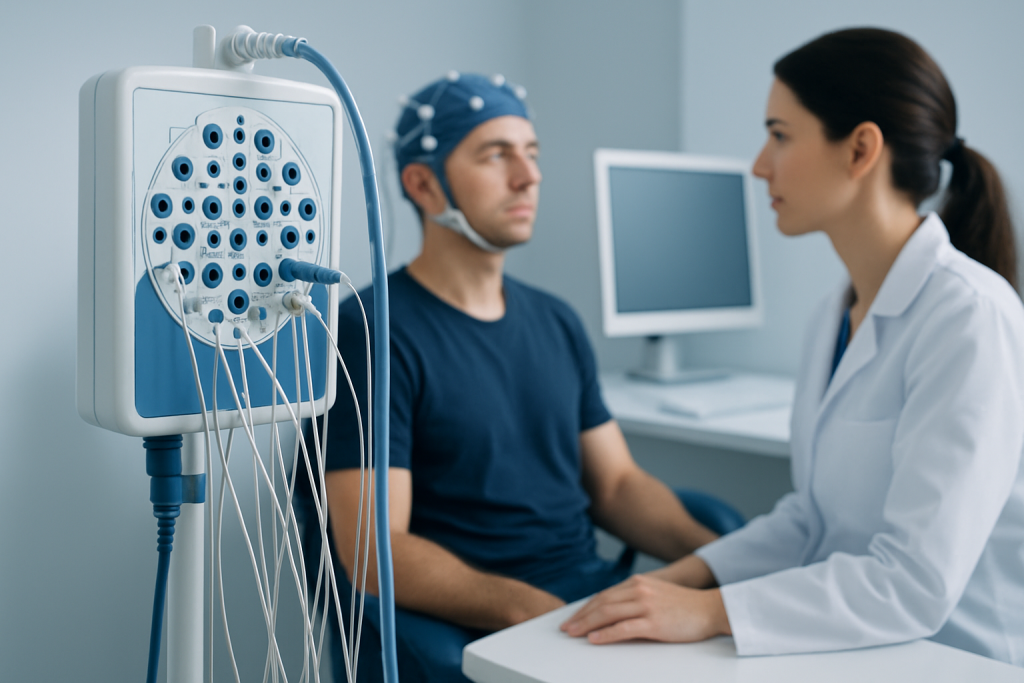
An EEG uses small sensors placed on the scalp to detect electrical signals produced by brain cells. The sensors do not send electricity into the brain. They simply record activity, which is displayed as wave patterns on a computer. Specialists trained in neurophysiology and epilepsy review these patterns for signs of abnormal discharges that may suggest a tendency toward seizures.
A routine EEG is often the first test. During the recording, the person may be asked to open and close the eyes, breathe deeply for a few minutes, or look at flashing lights. These steps can sometimes bring out changes that are helpful for diagnosis. In some cases, a sleep-deprived EEG is recommended because tiredness or sleep can increase the chance of capturing relevant abnormalities.
Video EEG adds continuous video recording to the EEG signal. This allows the doctor to compare what the brain is doing with what the body is doing during an event. If a person has a spell while being monitored, the care team can see whether there is a matching electrical seizure pattern. This is especially useful when the diagnosis is uncertain or when a person has events that do not improve as expected with treatment.
For people with suspected epilepsy or difficult-to-classify episodes, longer monitoring may be arranged through video EEG monitoring or a formal EEG evaluation. These approaches can provide more detailed information than a brief routine recording when symptoms are infrequent or complex.
When These Tests Are Recommended
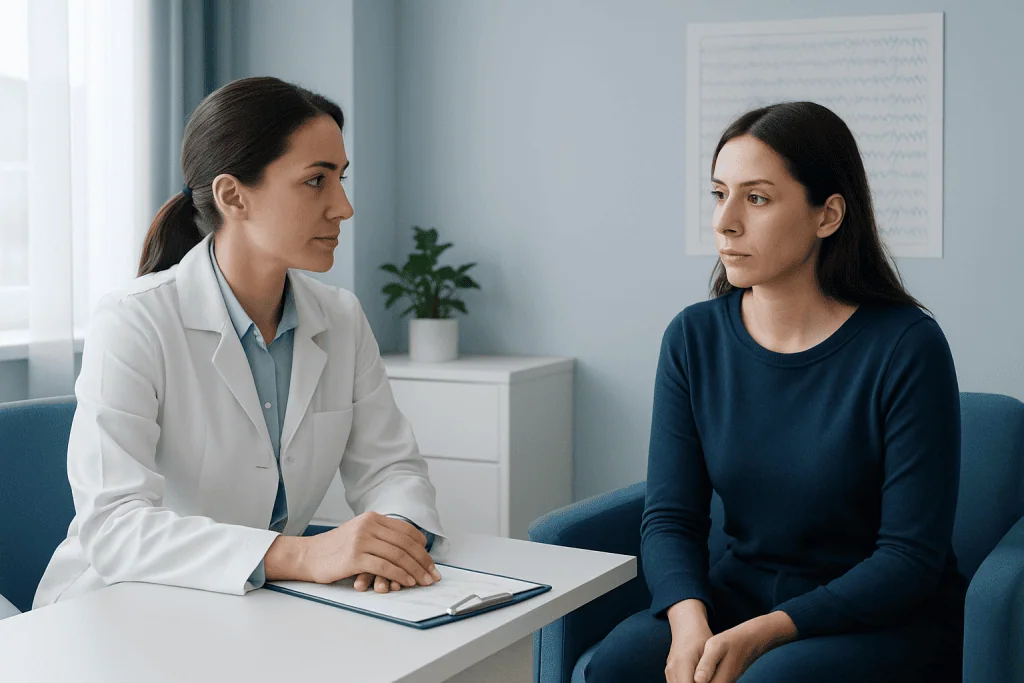
Doctors may recommend neurophysiology testing after a first suspected seizure, after repeated unexplained episodes, or when a person already diagnosed with epilepsy has a change in symptoms. Testing is also used when treatment decisions depend on knowing the seizure type more precisely. For example, some medicines work better for certain seizure patterns than others, and accurate classification can support safer, more effective care.
Video EEG is often considered when events are unusual, when there is doubt about whether they are true epileptic seizures, or when surgery is being evaluated as a treatment option. It can help distinguish epileptic seizures from events such as fainting, sleep-related behaviors, panic episodes, or nonepileptic attacks. This matters because the right diagnosis leads to the right treatment plan.
In some situations, EEG testing is part of a broader workup that may include blood tests, brain imaging, and specialist assessment for conditions such as epilepsy. If seizures may be coming from a specific area of the brain, doctors may also combine EEG findings with imaging studies and neurological exams to understand the overall picture.
How to Prepare and What Happens During the Test
Preparation for EEG is usually straightforward. Patients are often advised to arrive with clean, dry hair and to avoid oils, sprays, or styling products that can affect electrode contact. The doctor may give specific instructions about sleep, medications, food, or caffeine depending on the type of EEG being performed. Medicines should not be stopped unless the treating doctor specifically advises it.
During the test, a technician places several small electrodes on the scalp using a paste or adhesive. The recording itself is painless. The person usually rests in a comfortable chair or bed while the machine captures brain-wave activity. For video EEG, monitoring may continue for an extended period, and the patient remains in a supervised setting where symptoms can be observed safely.
Some people worry that the test will trigger a seizure. While activation methods such as deep breathing, flashing lights, or sleep deprivation can occasionally bring out abnormalities, these are used carefully and under medical supervision. The goal is to gather useful diagnostic information while keeping the person as safe and comfortable as possible.
- Routine EEG often takes less than an hour, though the recording time may vary.
- Sleep-deprived EEG may require reduced sleep the night before.
- Ambulatory EEG can record brain activity at home over a longer period.
- Inpatient video EEG allows close observation if events need to be captured directly.
What Results Can Show
EEG results may be described as normal, abnormal, or nonspecific. A normal EEG means no clear seizure-related electrical changes were recorded during that test. This can happen even in people who truly have seizures, because abnormal activity may be intermittent and may not occur during the recording window. For this reason, EEG results are interpreted together with symptoms and clinical history.
An abnormal EEG may show epileptiform discharges, slowing, or other patterns that suggest irritation or dysfunction in certain brain regions. Some findings support a diagnosis of generalized seizures, while others suggest focal seizures starting in one area of the brain. This information can help doctors understand whether seizures begin diffusely or from a specific focus, which may influence medicine choices and long-term treatment planning.
Video EEG is particularly valuable because it links visible events to electrical activity. If a person has a typical spell during monitoring and the EEG shows a seizure pattern at the same time, this strongly supports an epileptic event. If symptoms occur without seizure-related brain-wave changes, the doctor may consider other explanations and guide care accordingly. In complex cases, evaluation may be part of a broader epilepsy treatment plan.
Results can also guide decisions about safety, follow-up, and whether further testing is needed. For example, a person with recurrent focal seizures may need additional imaging or consultation about advanced therapies. Someone with unclear events may benefit from prolonged monitoring before starting or changing medication.
Limits of EEG and Why More Than One Test May Be Needed
EEG is a powerful tool, but it has limits. It records brain activity from the scalp, so some abnormalities can be difficult to detect, especially if they arise deep in the brain or occur rarely. A single routine EEG may not capture an event, and mild abnormalities can sometimes be seen in people who never have seizures. This is one reason why interpretation by an experienced specialist is so important.
When questions remain after a routine EEG, the doctor may recommend a repeat EEG, sleep-deprived EEG, ambulatory EEG, or inpatient video EEG. Longer recordings increase the chance of capturing typical symptoms or interictal abnormalities, meaning changes seen between seizures. Additional tests such as MRI may also be used to look for structural causes that could help explain the seizure tendency.
Diagnosis is rarely based on one test result alone. A reliable diagnosis usually comes from combining history, witness accounts, examination findings, EEG data, and imaging when appropriate. This careful approach helps avoid both overdiagnosis and underdiagnosis, which is especially important because treatment plans can differ greatly depending on the cause of symptoms.
How Test Results Help Guide Treatment and Follow-Up
Once seizures are better defined, the care team can make more informed decisions about treatment. EEG and video EEG may help confirm whether antiseizure medicine is appropriate, whether medication changes are needed, or whether another diagnosis should be considered. In some cases, the results help reassure patients when an event appears not to be caused by epilepsy, allowing the focus to shift toward the most suitable next steps.
For people whose seizures continue despite medication, neurophysiology testing can be part of a more advanced assessment. If seizures consistently start in one part of the brain, doctors may discuss whether the person could benefit from further evaluation for procedures or surgery. At that stage, EEG findings are often reviewed alongside imaging and cognitive assessment to support individualized care.
Follow-up depends on the overall diagnosis and how symptoms evolve. Some people need only one test and routine outpatient care, while others need repeated monitoring over time. Patients should keep a detailed seizure diary, note triggers or warning signs, and share any changes in event pattern with their doctor. When appropriate, specialists may also evaluate related concerns such as sleep, memory, mood, or safety.
Near the end of the care pathway, patients may seek treatment in specialized centers. Acibadem International’s multidisciplinary specialists and JCI-accredited hospitals diagnose and treat seizure disorders for international patients, including comprehensive neurology consultation when advanced assessment is needed.
When to See a Doctor
A person should seek medical evaluation after a first suspected seizure, recurrent unexplained episodes, or any event involving loss of awareness, sudden collapse, unusual jerking, or repeated staring spells. Prompt assessment is also important if symptoms happen during sleep, after a head injury, or along with prolonged confusion. These details can help determine whether urgent testing is needed.
Emergency care is important if a seizure lasts longer than a few minutes, repeated seizures happen without recovery in between, breathing is difficult, or injury occurs. The same is true if the person is pregnant, has diabetes, develops a seizure in water, or does not return to normal as expected. Family members or witnesses should describe what happened, as those observations can be very useful for diagnosis.
Even when symptoms seem mild, recurring events should not be ignored. Early evaluation can shorten the path to the correct diagnosis, reduce uncertainty, and support safer daily living. A qualified neurologist or epilepsy specialist can explain which neurophysiology test is most appropriate and what the results may mean in the context of the person’s overall health.
Frequently asked questions
What is the difference between EEG and video EEG?
An EEG records the brain’s electrical activity through sensors placed on the scalp. Video EEG records the same brain-wave data while also filming the patient, so doctors can compare visible symptoms with electrical changes during an event.
Can an EEG confirm epilepsy?
An EEG can provide strong evidence that supports a diagnosis of epilepsy, especially when it shows epileptiform activity. However, the diagnosis is not based on EEG alone and must be interpreted together with symptoms, medical history, and sometimes imaging or other tests.
Can a person have a normal EEG and still have seizures?
Yes. A normal EEG does not rule out seizures or epilepsy, because abnormal brain activity may not happen during the recording. If suspicion remains high, the doctor may recommend repeat testing, sleep-deprived EEG, ambulatory EEG, or longer video EEG monitoring.
Is EEG painful or dangerous?
EEG is generally safe, painless, and noninvasive. The electrodes only record electrical activity and do not send electricity into the brain, although some activation methods used during the test may occasionally trigger symptoms under supervised conditions.
How should someone prepare for an EEG?
Most people are asked to wash their hair and avoid using oils, sprays, or gels before the test. Depending on the type of EEG, the doctor may also give instructions about sleep, caffeine, or regular medications, and these instructions should be followed carefully.
Why might a doctor order video EEG instead of a routine EEG?
Video EEG is especially useful when routine EEG has not answered the main diagnostic question or when typical events need to be captured directly. It can help determine whether an episode is an epileptic seizure and identify the brain area involved if seizures are confirmed.
References
- World Health Organization
- International League Against Epilepsy
- National Institute of Neurological Disorders and Stroke
- American Clinical Neurophysiology Society
- Epilepsy Foundation
This article is for general information only and is not a substitute for professional medical advice. Please consult a qualified doctor about your individual situation.
Neurophysiology in Turkey — costs, top hospitals & a free quote
JCI-accredited · board-certified surgeons · reply within 24h
Add us as a Preferred Source to see more of our trusted health content across Google Search, AI Overviews and Discover.