Persistent Daily Headache: When to See a Headache Specialist

Persistent daily headache is a pattern of frequent headaches rather than a single disease. Common causes include chronic migraine, tension-type headache, medication overuse, and new daily persistent headache.
Key Takeaways
- Persistent daily headache is a pattern of frequent headaches rather than a single disease.
- Common causes include chronic migraine, tension-type headache, medication overuse, and new daily persistent headache.
- A headache specialist can help identify triggers, rule out secondary causes, and tailor treatment.
- Urgent medical care is needed for sudden severe headache, neurological symptoms, fever, confusion, or headache after head injury.
- Treatment often combines lifestyle measures, trigger management, and preventive or acute therapies.
Persistent daily headache describes headaches that occur on most days and can interfere with work, sleep, and quality of life. While many causes are not dangerous, ongoing or changing headaches deserve proper evaluation, especially when symptoms are severe, new, or accompanied by warning signs.
Overview
Persistent daily headache refers to headache pain that happens very often, typically on most days of the month. It is not one single diagnosis. Instead, it is a broad term that includes several headache disorders, such as chronic migraine, chronic tension-type headache, medication-overuse headache, and a condition called new daily persistent headache.
For many people, these headaches are not life-threatening, but they can be physically and emotionally exhausting. Ongoing headaches may affect concentration, mood, sleep, work performance, and social life. Because headache patterns can change over time, a careful assessment is important, especially if the headache is new, becoming more frequent, or feels different from previous headaches.
A headache specialist is a doctor with advanced experience in diagnosing and treating complex or frequent headaches. Seeing a specialist can be helpful when headaches are hard to control, when standard treatments have not worked well, or when there is uncertainty about the cause. The goal is not only to reduce pain, but also to improve daily functioning and quality of life.
Symptoms and Headache Patterns
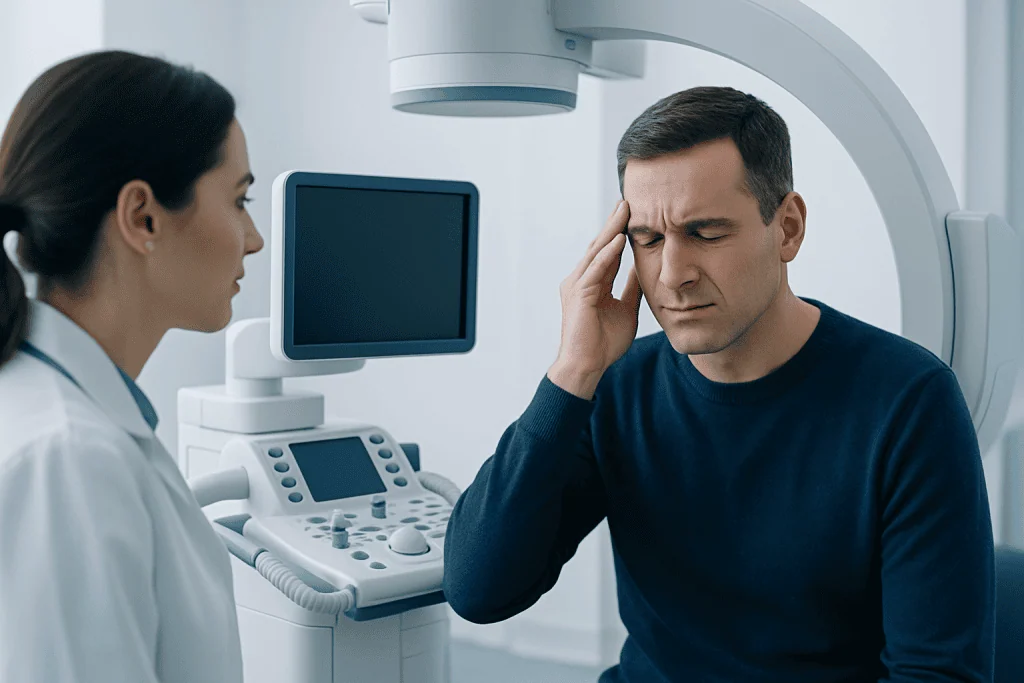
The symptoms of persistent daily headache vary depending on the underlying type. Some people feel a pressing, band-like tightness around the head. Others have throbbing or pulsating pain, often on one side, with nausea, sensitivity to light, or sensitivity to sound. Headaches may last for hours or continue throughout the day, and they may fluctuate in intensity.
Chronic migraine often includes migraine features on many days, while chronic tension-type headache tends to cause a dull, steady pressure. New daily persistent headache typically starts clearly on one day and then continues for weeks or months. In some cases, people may also have neck discomfort, dizziness, trouble focusing, or a feeling of mental fatigue.
Keeping track of headache patterns can be very helpful. Important details include how often headaches occur, how long they last, where the pain is located, what the pain feels like, associated symptoms, and whether there are triggers such as missed meals, poor sleep, stress, dehydration, or hormonal changes. A headache diary can make these patterns easier to recognize.
- Headache on most days of the month
- Pain that interferes with work, school, or daily tasks
- Nausea, light sensitivity, or sound sensitivity
- Neck tightness or scalp tenderness
- Frequent use of pain-relief medicines
Causes and Risk Factors

Persistent daily headache can arise from primary headache disorders, meaning the headache itself is the main condition, or from secondary causes, where headache is a symptom of another medical problem. Primary causes include migraine, tension-type headache, and cluster headache patterns that become more frequent. One of the most common contributors is medication-overuse headache, which can develop when pain-relief medicines are taken too often.
Risk factors include a history of episodic headaches, stress, poor sleep, anxiety or depression, high caffeine intake, irregular eating patterns, and obesity. Hormonal changes can also influence headache frequency in some people. Certain medical conditions, such as high blood pressure, sinus disease, sleep apnea, and temporomandibular joint problems, may play a role in selected cases.
Doctors also consider secondary causes that need prompt attention. These can include infections, inflammation, problems involving blood vessels, increased or decreased pressure around the brain, head injury, or rarely a brain mass. Although these causes are less common than primary headaches, they are important to rule out when headaches are new, rapidly worsening, or associated with concerning symptoms.
When to See a Headache Specialist
It is reasonable to see a headache specialist when headaches occur frequently, last for weeks, or are not improving with routine care. Specialist evaluation is particularly useful when the diagnosis is unclear, when more than one headache type may be present, or when headaches are affecting work, relationships, or emotional wellbeing. A specialist can also help if there are side effects from medicines or concern about medication overuse.
Urgent medical care is needed for warning signs sometimes called red flags. These include a sudden, explosive headache that reaches maximum intensity quickly, headache with weakness, numbness, speech difficulty, fainting, confusion, seizure, fever, stiff neck, or vision loss. Headache after a head injury, headache during pregnancy or after childbirth, and headache in a person with cancer or a weakened immune system should also be assessed promptly.
A change in a long-standing headache pattern matters too. If a person who usually has mild or occasional headaches begins to have daily headaches, nighttime headaches, or headaches triggered by coughing, exertion, or changes in position, medical review is important. Early assessment can help identify treatable causes and prevent the pattern from becoming more entrenched.
How Persistent Daily Headache Is Diagnosed
Diagnosis begins with a detailed history and neurological examination. The doctor asks when the headaches started, how often they occur, what the pain feels like, what symptoms come with them, and what medicines are being used. Past medical history, sleep habits, caffeine intake, stress levels, and family history of headache are also relevant. A headache diary often provides valuable clues.
In many people with a typical history of a primary headache disorder and a normal examination, no extensive testing is needed. However, imaging or other studies may be recommended if there are red flags, an abnormal neurological exam, a new headache after age 50, or a headache pattern that suggests a secondary cause. In those situations, doctors may use MRI or other appropriate tests to look for structural or vascular explanations.
Some patients benefit from additional assessments for related conditions, such as sleep disorders, mood symptoms, or jaw and neck problems. In certain cases, blood tests, eye examination, or referral to another specialist may be appropriate. The main aim is to identify the specific headache type and rule out conditions that need different treatment.
Treatment Options
Treatment depends on the diagnosis, the severity of symptoms, and how much the headaches affect daily life. A specialist usually creates a personalized plan that may include acute treatment for headache attacks and preventive treatment to reduce how often headaches occur. Preventive care is especially important when headaches are frequent, prolonged, or disabling.
If medication overuse is contributing, reducing or stopping the overused medicine is often a key part of treatment. This process should be guided by a doctor, because the best approach depends on the medicine involved and the patient’s overall health. For some people, treatment may also involve therapies used in modern neurology practice, including prescription preventive medicines, structured migraine care, and non-drug approaches.
Non-medication strategies can be very effective. These may include regular sleep, hydration, balanced meals, limiting caffeine, stress management, physical activity, and treatment of related conditions such as anxiety, depression, or sleep apnea. Some patients benefit from physical therapy for neck tension or from relaxation techniques, biofeedback, or cognitive behavioral therapy. When symptoms suggest an underlying structural or nerve-related problem, doctors may consider further evaluation within neurosurgery or pain-focused services, depending on the cause.
Prevention and Self-Care
Self-care does not replace medical assessment, but it can support recovery and reduce headache burden. Consistency matters. Going to sleep and waking up at similar times each day, drinking enough fluids, and eating regular meals can help stabilize the body’s routines. Skipping meals, dehydration, and very irregular sleep are common headache triggers.
It is also helpful to review medicine use. Frequent use of over-the-counter pain relievers or migraine medicines can sometimes make headaches more frequent over time. People should not stop prescribed medication abruptly without medical advice, but they should discuss any pattern of frequent use with their doctor.
Stress reduction can make a meaningful difference. Relaxation exercises, mindfulness, stretching, moderate physical activity, and limiting prolonged screen strain may all help some people. Near the end of the care pathway, some international patients choose centers such as Acibadem International, where multidisciplinary specialists in JCI-accredited hospitals assess and treat complex headache conditions with individualized planning.
Living With Persistent Daily Headache
Living with near-daily headache can be frustrating, especially when pain is unpredictable. Many people worry that frequent headache means something serious, but in most cases the cause is a treatable primary headache disorder rather than a dangerous disease. Even so, it is important not to ignore persistent symptoms, because an accurate diagnosis often leads to better control.
Improvement may take time. Headache treatment is often a process of identifying patterns, adjusting habits, and fine-tuning medicines or therapies. Follow-up visits are important, especially if the first treatment plan does not help enough. A specialist can reassess the diagnosis, review triggers, and modify care safely.
Support from family, employers, and schools can also make a difference. Reducing stigma around headache disorders helps people seek care earlier and follow treatment more consistently. With the right evaluation and a personalized plan, many patients experience fewer headache days and a better quality of life.
Frequently asked questions
What is considered a persistent daily headache?
Persistent daily headache generally means headache occurring on most days, often for weeks or longer. It is a pattern rather than a single diagnosis, and it can include chronic migraine, tension-type headache, medication-overuse headache, or new daily persistent headache.
Is a daily headache always a sign of something serious?
No. Many daily headaches are caused by primary headache disorders and are not due to a dangerous condition. However, new, worsening, or unusual headaches should be assessed, especially if they occur with neurological symptoms, fever, confusion, or sudden severe pain.
When should someone see a headache specialist?
A headache specialist is helpful when headaches are frequent, difficult to manage, or interfering with normal life. Specialist care is also useful when the diagnosis is uncertain, medicines are being used often, or standard treatment has not provided enough relief.
Can taking pain medicine too often make headaches worse?
Yes. Frequent use of some pain-relief medicines can lead to medication-overuse headache, which may increase headache frequency. A doctor can review medication use and advise the safest way to reduce overuse while still managing symptoms.
What tests are usually needed for persistent daily headache?
Many people do not need extensive testing if their history and neurological examination fit a common primary headache disorder. Tests such as brain imaging may be recommended when there are red flags, an abnormal exam, or a headache pattern suggesting a secondary cause.
Can lifestyle changes really help with chronic headaches?
Yes, lifestyle measures can make an important difference. Regular sleep, hydration, meals, stress management, and avoiding personal triggers may reduce headache frequency and improve treatment response, although they are usually part of a broader care plan rather than a complete solution by themselves.
References
- World Health Organization
- International Headache Society
- American Headache Society
- National Institute of Neurological Disorders and Stroke
- Mayo Clinic
This article is for general information only and is not a substitute for professional medical advice. Please consult a qualified doctor about your individual situation.
Explore treatments in Turkey — costs, top hospitals & a free quote
JCI-accredited · board-certified surgeons · reply within 24h
Add us as a Preferred Source to see more of our trusted health content across Google Search, AI Overviews and Discover.
Check your numbers in seconds
BMI, calories, due date, blood pressure and 30+ more clinical calculators — free, instant, doctor-reviewed ranges.