Sleeve Gastrectomy Scars: Size, Healing, and What to Expect Over Time
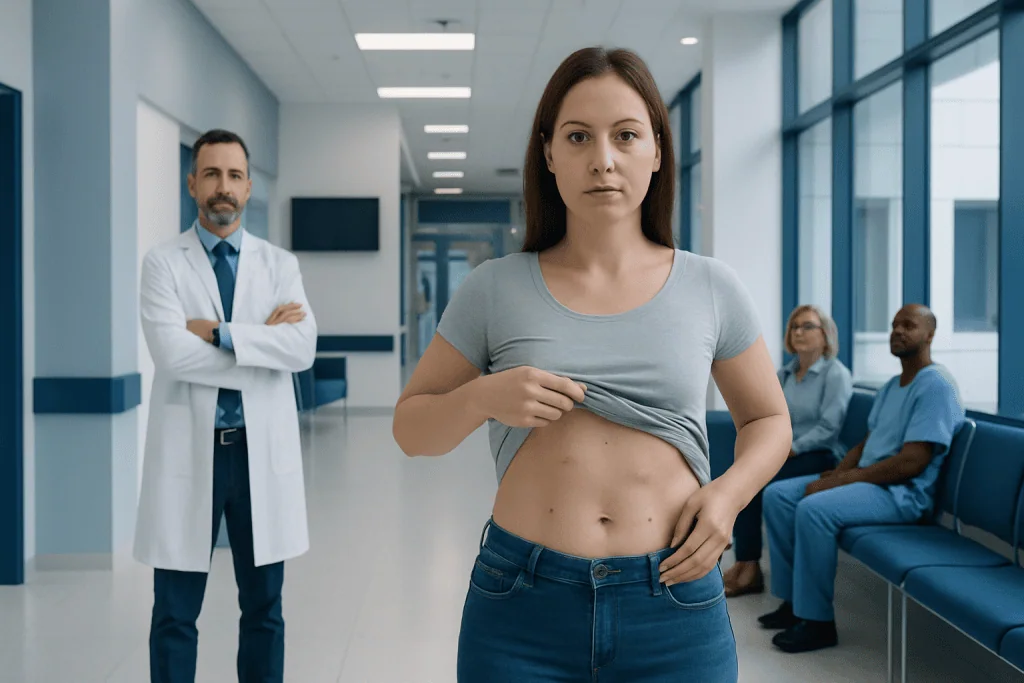
Most sleeve gastrectomy scars come from 4 to 6 small laparoscopic incisions on the abdomen. Scars usually look more noticeable in the first weeks, then gradually soften and fade over 6 to 18 months.
Key Takeaways
- Most sleeve gastrectomy scars come from 4 to 6 small laparoscopic incisions on the abdomen.
- Scars usually look more noticeable in the first weeks, then gradually soften and fade over 6 to 18 months.
- Scar appearance depends on healing, skin tone, genetics, infection risk, sun exposure, and tension on the incision.
- Good aftercare includes keeping incisions clean, following activity advice, and protecting healing skin from sunlight.
- Redness, drainage, worsening pain, opening of the wound, or fever should be assessed by a doctor.
Sleeve gastrectomy scars are typically small because the procedure is usually performed laparoscopically through several tiny incisions. Most scars become flatter and lighter over months, and careful wound care can support healthy healing.
Overview: What sleeve gastrectomy scars usually look like
Sleeve gastrectomy is a weight-loss operation that removes a large portion of the stomach, leaving a narrow sleeve-shaped stomach behind. In most cases, it is performed using minimally invasive laparoscopic or robotic-assisted techniques. This means the surgeon works through several small openings in the abdomen rather than one long incision, so the resulting scars are usually much smaller than with traditional open surgery.
Many patients have between 4 and 6 small scars, often measuring around 1 to 2 centimeters each, although the exact number and size can vary. One incision may be slightly larger than the others because it is used to remove the stomach tissue. These marks are commonly placed across the upper and mid-abdomen, and they often heal as thin lines or small oval spots.
Right after surgery, the scars may look pink, red, raised, or firm. This can be a normal part of healing. Over time, most scars become less visible. They often flatten, soften, and fade in color over several months. The final appearance depends on factors such as surgical technique, skin type, natural healing tendencies, and how carefully the incisions are cared for after surgery.
How scars heal over time
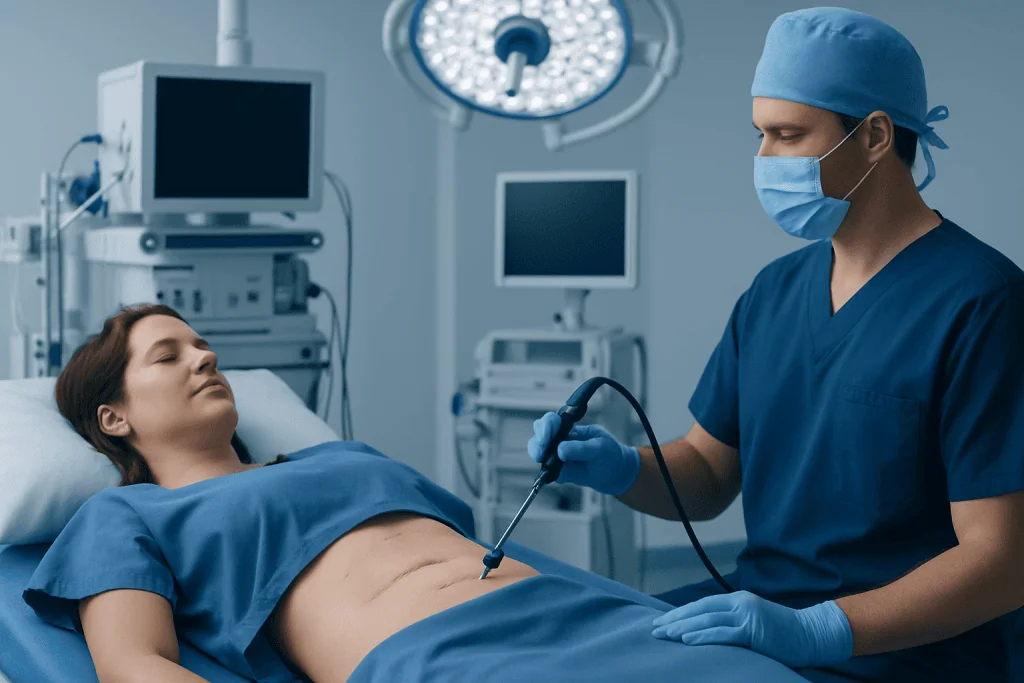
Scar healing happens in stages, and it is helpful to know that visible improvement takes time. In the first 1 to 2 weeks, the body focuses on closing the incision and protecting it from infection. During this phase, there may be swelling, mild bruising, tenderness, or itching. These signs are often part of normal healing if they are gradually improving.
Over the next several weeks, the body builds collagen in the healing skin. At this point, scars can temporarily look darker, thicker, or more raised than expected. This does not always mean there is a problem. In many people, scars appear most noticeable between 1 and 3 months after surgery before they begin to settle.
Long-term remodeling continues for many months. Scars often become flatter and paler between 6 and 12 months, and some continue to improve for up to 18 months or longer. People with darker skin tones may notice more pigment change, while others may develop a pink or reddish line that slowly fades. Patience is important, because early scar appearance does not predict the final result.
If healing is delayed by infection, irritation, or repeated strain on the abdominal wall, scars may become wider or more uneven. Patients recovering from sleeve gastrectomy should follow their surgeon’s instructions closely, since careful recovery supports both general healing and scar quality.
What affects scar size and appearance
Several factors influence how sleeve gastrectomy scars look. The first is the surgical approach. Standard laparoscopic surgery usually creates a series of small incisions, while an open procedure, which is less common, involves a larger scar. Even within laparoscopic surgery, one incision may be enlarged slightly to remove tissue safely.
Personal healing traits also matter. Genetics can affect whether someone is more likely to develop thicker scars, hypertrophic scars, or keloids. Age, nutrition, smoking status, diabetes, circulation, and certain medications can also influence wound healing. When the body heals efficiently, scars are more likely to stay fine and soft.
Skin tone and sun exposure can change scar color. New scars are sensitive to ultraviolet light, and direct sun can make them become darker or more noticeable. Tension on the wound, friction from clothing, and scratching or picking at healing skin may also affect the final appearance.
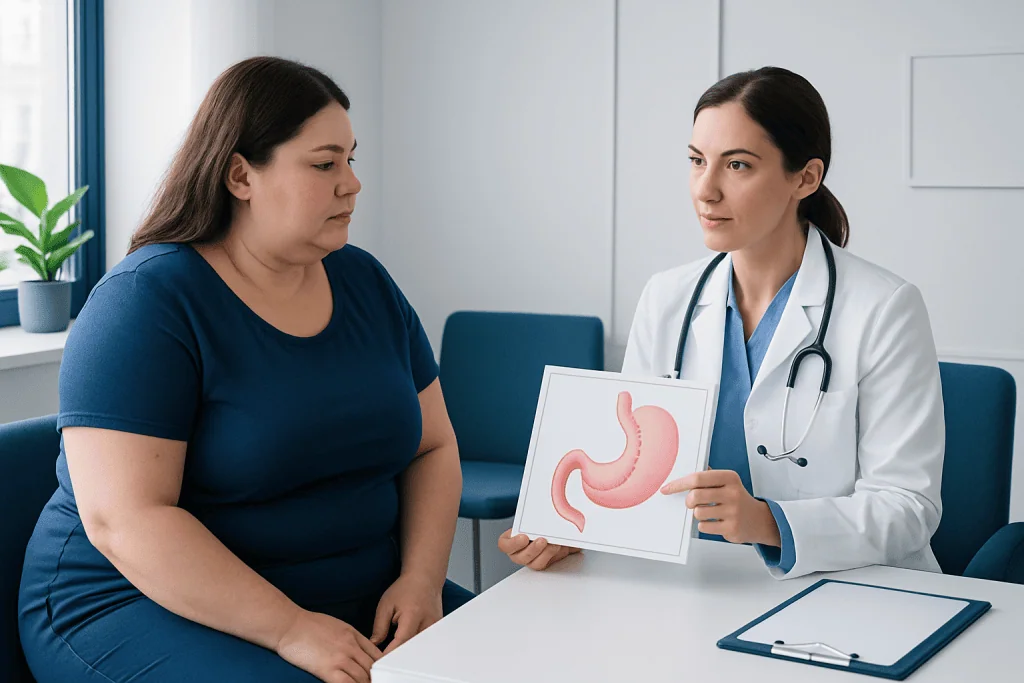
In some cases, a person may already have digestive or weight-related conditions that affect surgery planning and recovery. Related topics such as obesity or gastroesophageal reflux disease may be part of the broader discussion with the care team, especially when deciding on the most suitable bariatric procedure and follow-up care.
Incision care and scar care after surgery
Immediately after surgery, the main goal is wound healing, not cosmetic treatment. Patients are usually advised to keep the incision sites clean and dry, change dressings only as instructed, and avoid applying creams or oils unless the surgical team recommends them. Showering is often allowed after a certain point, but soaking in baths, pools, or hot tubs is usually postponed until the wounds have closed properly.
As the skin heals, comfortable clothing and gentle movement can help prevent rubbing or pulling on the incisions. It is important to avoid heavy lifting, sudden twisting, or strenuous core exercises until the surgeon says these activities are safe. Too much strain early on can increase discomfort and may widen a healing scar.
Once the incisions are fully closed, some patients may be advised to use silicone gel or silicone sheets to help improve scar appearance. These products are commonly used in scar management, but they should only be started when the doctor confirms the skin surface has healed. Massaging the scar area may also be recommended later in recovery, depending on the incision and the surgeon’s advice.
Sun protection is one of the simplest and most useful steps. Fresh scars should be covered or protected with a high-SPF sunscreen when exposed to daylight. This can reduce long-term darkening and help scars blend more evenly with the surrounding skin.
When scars may need medical attention
Most sleeve gastrectomy scars heal without major problems, but some symptoms should be checked by a doctor. Increasing redness, warmth, pus-like drainage, a bad odor, worsening pain, or fever can suggest infection. A wound that opens, bleeds significantly, or does not seem to be healing should also be assessed promptly.
Some people develop thicker-than-expected scars. A hypertrophic scar stays within the borders of the incision but becomes raised and firm. A keloid grows beyond the original wound edges and may continue to enlarge. These changes are not dangerous in most cases, but they can be uncomfortable, itchy, or cosmetically distressing, and treatment options are available.
A bulge near an incision may rarely indicate an incisional hernia, especially if it becomes more noticeable with coughing or straining. Although laparoscopic incisions are small, hernias can still occur. Any new lump, persistent tenderness, or visible asymmetry around a port site should be discussed with the surgical team.
It is also worth seeking advice if scars are affecting body image or confidence. Many people feel vulnerable during weight-loss surgery recovery, and appearance concerns are valid. A doctor can explain what is normal, suggest scar-management options, and decide whether referral to a dermatologist or plastic surgeon may be helpful.
Treatment options if scars remain noticeable
If sleeve gastrectomy scars remain raised, dark, itchy, or cosmetically bothersome after they have had time to mature, several treatments may help. The right choice depends on the scar type, skin tone, medical history, and how long it has been since surgery. For many people, simple monitoring and conservative scar care are enough because scars often continue to improve naturally.
Common non-surgical options include silicone-based products, pressure therapy in selected cases, and prescription treatments recommended by a specialist. Some scars respond to steroid injections that reduce thickness and itching. Certain laser treatments may help improve redness or pigment changes, while other procedures can address texture and contour concerns.
For a scar that is unusually wide, tethered, or poorly positioned, scar revision surgery may occasionally be considered after full healing. This is usually delayed until the scar has matured unless there is a special reason to intervene sooner. If a patient is also considering body contouring after major weight loss, this can be part of a broader conversation that may include post-bariatric surgery planning.
In patients whose abdominal contour or skin concerns overlap with other recovery goals, additional procedures such as abdominoplasty may sometimes be discussed later, but these are not routine scar treatments. Decisions should always be individualized and based on overall health, stable weight, and the advice of qualified specialists.
Practical tips for recovery and when to see a doctor
Healthy scar healing begins with healthy recovery. Good hydration, balanced nutrition, avoiding tobacco, and managing chronic conditions such as diabetes can all support wound repair. Following the recommended post-operative diet and activity plan also helps the body recover after bariatric surgery.
Patients should contact their doctor if they notice signs of infection, increasing swelling, separation of the wound edges, significant bleeding, severe pain, vomiting, or fever. Concerns do not have to be dramatic to be worth discussing. If something about the scar seems unusual or is causing anxiety, it is reasonable to ask the surgical team for guidance.
It can also help to take photos of the incision sites every few weeks in similar lighting. Because scars change gradually, progress may be easier to notice in pictures than in the mirror from day to day. This can reassure patients that healing is moving in the right direction, even if the scars still look pink or firm early on.
For those seeking follow-up care, Acibadem International’s multidisciplinary specialists at JCI-accredited hospitals diagnose and treat bariatric surgery recovery concerns for international patients. The best results come from regular follow-up, realistic expectations, and professional advice tailored to the individual.
Frequently asked questions
How many scars does sleeve gastrectomy usually leave?
Most patients have several small abdominal scars because sleeve gastrectomy is usually done laparoscopically. The exact number varies, but it is often around 4 to 6 incisions, with one sometimes slightly larger than the others.
Are sleeve gastrectomy scars permanent?
All surgical incisions leave some degree of scar, so they are technically permanent. However, most laparoscopic sleeve gastrectomy scars fade significantly over time and often become much less noticeable.
How long does it take for sleeve gastrectomy scars to fade?
Scars usually change the most during the first year. They may look more visible at first, then gradually flatten and lighten over 6 to 18 months, depending on individual healing and aftercare.
What can help sleeve gastrectomy scars heal well?
Following the surgeon's wound-care instructions is the most important step. Once the incisions are fully closed, scar care such as silicone products and sun protection may help improve the final appearance if recommended by a doctor.
Is it normal for the scars to feel itchy or firm?
Mild itching, tightness, or firmness can be part of normal healing, especially in the first weeks and months. However, worsening pain, spreading redness, or drainage should be checked by a healthcare professional.
Can sleeve gastrectomy scars become raised or thick?
Yes, some people develop hypertrophic scars or keloids, especially if they are genetically prone to them. These scars can often be managed with treatments such as silicone therapy, injections, or specialist scar treatments.
When should someone contact a doctor about a scar after sleeve gastrectomy?
A doctor should be contacted if there is increasing redness, warmth, swelling, pus-like drainage, fever, wound opening, or a new bulge near an incision. It is also sensible to seek advice if a scar remains very raised, painful, or concerning over time.
References
- American Society for Metabolic and Bariatric Surgery
- National Institute of Diabetes and Digestive and Kidney Diseases
- Mayo Clinic
- American Academy of Dermatology
- National Health Service
This article is for general information only and is not a substitute for professional medical advice. Please consult a qualified doctor about your individual situation.
Sleeve Gastrectomy in Turkey — costs, top hospitals & a free quote
JCI-accredited · board-certified surgeons · reply within 24h
Add us as a Preferred Source to see more of our trusted health content across Google Search, AI Overviews and Discover.

Bariatric & Metabolic Surgery
Surgical and endoscopic treatments for obesity and metabolic conditions.
More from the Health Library



Related Specialists
Assoc. Prof. Dr. Baran Bozkurt
Neurosurgery
Dt. Şule Nur Purdaş
Oral & Dental Health
Assoc. Prof. Dr. Çetin Kılıççı
Gynecology & Obstetrics
Prof. Dr. Mustafa Seyhan
Orthopedic Surgery & Traumatology