Remote Patient Monitoring Cost: What Affects the Price of Connected Care?

Remote patient monitoring cost is shaped by equipment, software, staffing, and the complexity of care. Simple programs that track one measurement may cost less than multi-device monitoring for chronic conditions.
Key Takeaways
- Remote patient monitoring cost is shaped by equipment, software, staffing, and the complexity of care.
- Simple programs that track one measurement may cost less than multi-device monitoring for chronic conditions.
- Insurance coverage, billing rules, and local healthcare systems can affect what a patient pays out of pocket.
- Good program design may support convenience, early detection of problems, and better follow-up.
- Patients should ask what is included in the price, such as devices, training, technical support, and clinician review.
Remote patient monitoring cost varies based on the devices used, the health condition being tracked, software needs, clinical staffing, and how often data is reviewed. Understanding the main cost drivers can help patients, families, and healthcare organizations make informed decisions about connected care.
Overview: What Remote Patient Monitoring Cost Means
Remote patient monitoring, often called RPM, uses connected devices to collect health information outside the clinic or hospital. Common examples include blood pressure monitors, glucose sensors, pulse oximeters, weight scales, heart rhythm devices, and apps that send symptom reports to a care team. The cost of remote patient monitoring refers to the total expense of setting up, running, and reviewing this type of care.
For patients, the most important question is often simple: what will it cost personally? The answer depends on several layers. There may be costs for the device itself, software or app access, internet or mobile connectivity, onboarding and training, and professional time for reviewing data and contacting the patient when needed. In some health systems, part of the cost may be covered by insurance or incorporated into an existing care package.
For clinics and hospitals, remote patient monitoring cost includes both direct and indirect expenses. Direct costs include devices, platforms, data integration, and staff time. Indirect costs may include cybersecurity, maintenance, technical support, patient education, and workflow redesign. Because RPM is not a single product but a service model, pricing can vary widely from one program to another.
Although cost is important, value matters too. A higher-priced RPM program may still be worthwhile if it improves follow-up, supports earlier intervention, or reduces unnecessary visits. The best way to understand pricing is to look at the full care pathway rather than only the price of the device.
Main Factors That Affect the Price of Connected Care
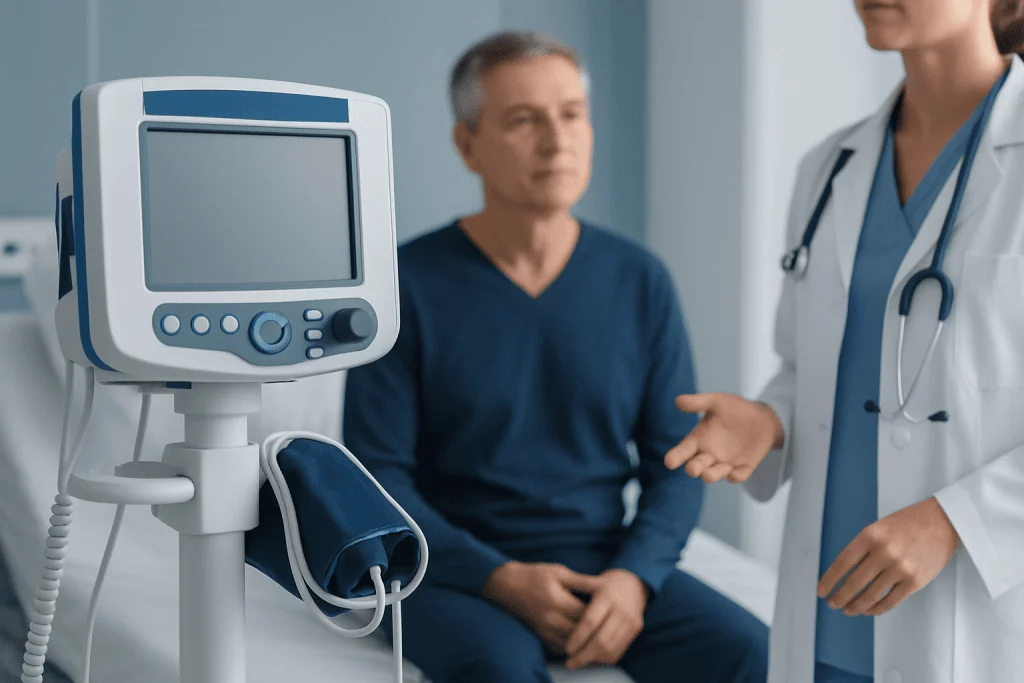
The biggest driver of remote patient monitoring cost is the type of technology being used. A basic digital blood pressure cuff that sends readings to a secure app is usually less expensive than a system that combines several devices, automated alerts, video visits, and electronic health record integration. Wearable devices with continuous monitoring features may also cost more than devices used once or twice a day.
The health condition being monitored also matters. Monitoring a stable patient with one simple measurement can be relatively straightforward. Managing a patient with heart failure, diabetes, chronic lung disease, or recovery after surgery may require more frequent readings, more complex interpretation, and faster follow-up. These added clinical needs increase the overall cost because they require more staff involvement and a more detailed care plan.
Software and data management are another major factor. RPM programs need secure platforms that store information, flag abnormal values, and allow clinicians to review trends over time. Some systems include artificial intelligence tools, multilingual interfaces, educational content, or messaging functions. These added features can improve usability and care coordination, but they also increase implementation and subscription costs.
Finally, human support often represents a large share of the total price. Even the best connected devices do not replace clinical judgment. Nurses, physicians, care coordinators, and technical support teams may all be involved in onboarding patients, checking alerts, answering questions, and adjusting the care plan. In many programs, staff time is one of the most important ongoing expenses.
What Is Usually Included in RPM Costs

Remote patient monitoring programs can look similar at first glance, yet include very different services. Some pricing models cover only the hardware, while others include a more complete package with software access, secure messaging, clinician review, and scheduled follow-up. This is why it is useful to ask for a clear breakdown of what is included.
Typical cost components may include:
- Connected medical devices, such as blood pressure cuffs, glucose monitors, scales, or pulse oximeters
- Software platform or mobile app access
- Data transmission through Bluetooth, Wi-Fi, or cellular connection
- Patient setup, onboarding, and training
- Technical support for troubleshooting
- Regular data review by clinicians or care coordinators
- Alerts, messaging, and follow-up calls when results are outside the expected range
- Integration with the patient record and reporting tools
Some programs use a one-time purchase model, while others charge monthly or as part of a broader care subscription. A hospital-based service may package RPM into care for chronic disease management, rehabilitation, or post-discharge follow-up. In these cases, the patient may not see each component priced separately.
It is also helpful to ask about hidden or less obvious costs. These may include replacement devices, batteries or accessories, software upgrades, staff time beyond the standard package, or extra appointments triggered by abnormal readings. Clear communication at the beginning can prevent confusion later.
How Care Setting and Clinical Complexity Influence Cost
Remote patient monitoring cost is not the same in every care setting. A small clinic may use a simple standalone platform for a limited number of patients, while a large hospital system may invest in broader digital infrastructure with full integration into existing records and communication systems. Larger programs may benefit from economies of scale, but they often have more complex startup needs.
Clinical complexity also changes pricing. A program designed for preventive wellness tracking may require less oversight than one used for high-risk conditions. For example, people living with hypertension may send routine blood pressure readings for review, while people with complex cardiac disease may need closer observation and faster escalation pathways. More clinical oversight generally means higher ongoing costs.
Transitions of care can also affect the budget. Monitoring patients after hospital discharge may help the care team detect issues early, but it can require intense support in the first days or weeks. After certain procedures, connected care may be combined with digital follow-up, symptom questionnaires, or rehabilitation planning. In some cases, RPM works alongside services such as telemedicine consultations or chronic disease management pathways.
Another factor is customization. Programs designed for one condition and one patient group are usually easier to standardize. By contrast, highly personalized programs that combine multiple devices, language support, family caregiver access, and condition-specific education can deliver a better experience but may cost more to run.
Insurance, Reimbursement, and Out-of-Pocket Costs
For many patients, the most practical issue is not the total system cost but the out-of-pocket cost. This depends on the country, insurer, healthcare provider, and reason for monitoring. In some healthcare systems, remote patient monitoring may be covered when it is medically necessary and prescribed by a qualified clinician. In others, coverage may be limited or vary by plan.
Reimbursement rules are important because they affect how providers structure RPM services. Some systems recognize separate billing for device setup, education, data transmission, and clinician review time. Others bundle remote monitoring into general chronic care or post-treatment follow-up. As a result, two patients receiving similar monitoring may still see different charges depending on where and how the service is delivered.
Patients and families should ask several practical questions before starting. Is the device rented or purchased? Is clinician review included in the quoted fee? Are video appointments billed separately? What happens if the device is lost or damaged? Are there extra charges if the care team needs to contact the patient more often than expected?
When remote monitoring is part of a broader treatment plan, it may be linked to services in areas such as preventive check-up programs or specialist follow-up. A clear written explanation of benefits, pricing, and coverage can help patients make confident decisions and avoid unexpected expenses.
Potential Benefits and How to Judge Value
Cost should be weighed against potential benefits. Remote patient monitoring may support convenience by reducing unnecessary travel, making it easier to share home measurements, and helping clinicians spot patterns over time rather than relying only on occasional office readings. For some people, this can make care feel more continuous and responsive.
RPM may be especially useful in chronic disease management, where trends matter. Repeated blood pressure readings taken at home, for example, can provide a more realistic picture than a single clinic measurement. Ongoing monitoring may also support people managing conditions such as hypertension or diabetes, where regular follow-up and self-management are important parts of care.
However, value is not measured only by technology. A program is more useful when the data collected is relevant, the patient understands how to use the device, and the care team has a clear plan for responding to results. A low-cost program that produces confusing data or delayed follow-up may offer less value than a better-designed service with strong clinical support.
When comparing options, it helps to consider both financial and practical value. Questions to ask include whether the device is easy to use, whether the platform protects privacy, how quickly clinicians review alerts, and whether the program fits the patient’s condition and daily life. Connected care works best when technology, clinical care, and patient engagement are aligned.
How Patients and Providers Can Manage Costs Wisely
Good planning can help control remote patient monitoring cost without reducing quality. For patients, the first step is choosing a program that matches actual health needs. Not every person needs continuous or multi-device monitoring. Sometimes a simpler setup with one validated device and regular clinician review is enough. The goal should be appropriate monitoring, not the most complicated technology available.
Providers can also manage costs by selecting reliable devices, creating clear workflows, and focusing on patient groups most likely to benefit. Training matters. When patients know how to use the device correctly and understand when readings should be taken, the data is more useful and there are fewer avoidable technical problems. Technical support can also prevent unnecessary device replacement or missed follow-up.
Another practical strategy is to review the program regularly. If a patient’s condition stabilizes, the level of monitoring may be adjusted. If the system creates too many false alerts, the settings and workflow may need refinement. Efficient programs evolve over time based on real patient needs rather than using the same model for everyone.
Near the end of the care journey, some patients may transition from intensive monitoring to routine follow-up. For international patients seeking coordinated evaluation and digital follow-up, Acibadem International’s multidisciplinary specialists and JCI-accredited hospitals diagnose and treat a wide range of conditions using modern care pathways that may include remote monitoring when appropriate.
When to Ask More Questions Before Starting RPM
Remote patient monitoring can be a helpful tool, but it is not automatically the right fit for every situation. Patients should ask more questions if they are uncertain about the purpose of monitoring, the expected length of the program, or how the care team will respond to abnormal readings. A clear explanation can make the experience less stressful and more useful.
It is also important to speak up about practical barriers. Some patients may have limited internet access, low comfort with digital tools, or physical difficulties using small devices or phone apps. These challenges do not always rule out RPM, but they should be addressed in advance with training, caregiver support, or a different device choice.
Medical questions should be discussed with a qualified clinician, especially if remote monitoring is being considered for a new diagnosis, unstable symptoms, or recovery after hospitalization. RPM supports care, but it does not replace emergency services or in-person assessment when urgent symptoms occur.
Before agreeing to a program, patients may benefit from a final checklist: what is being monitored, who reviews the data, how often feedback is given, what the total expected cost will be, and what alternatives exist. Informed choices help connected care become both more effective and more affordable.
Frequently asked questions
What is included in remote patient monitoring cost?
Remote patient monitoring cost may include the connected device, software platform, data transmission, patient training, technical support, and clinician review of results. Some programs also include messaging, alerts, and follow-up calls, while others charge for these separately.
Why do RPM prices vary so much?
Prices vary because not all RPM programs offer the same level of technology or clinical support. The number of devices, the condition being monitored, data review frequency, and integration with the healthcare system all influence the final cost.
Does insurance cover remote patient monitoring?
Insurance coverage depends on the country, insurer, and the reason the monitoring is prescribed. In some situations, RPM may be covered in full or in part when it is medically necessary, but patients should confirm coverage details in advance.
Is a more expensive RPM program always better?
Not necessarily. A higher price may reflect more features or more staff involvement, but the best program is the one that fits the patient’s condition, goals, and ability to use the technology. Ease of use, clear follow-up, and reliable clinical review are often more important than extra features.
Can remote patient monitoring reduce other healthcare costs?
In some cases, it may help reduce unnecessary clinic visits, improve follow-up, or identify problems earlier. However, the benefit depends on the patient’s condition, the quality of the program, and how well the monitoring data is used in clinical decision-making.
What should patients ask before enrolling in an RPM program?
Patients should ask what is being monitored, who reviews the data, how often the care team responds, and what costs are included. It is also wise to ask about device ownership, privacy protections, insurance coverage, and what to do if symptoms worsen.
References
- World Health Organization
- U.S. Centers for Medicare & Medicaid Services
- American Medical Association
- National Institute for Health and Care Excellence
- U.S. Food and Drug Administration
This article is for general information only and is not a substitute for professional medical advice. Please consult a qualified doctor about your individual situation.
Explore treatments in Turkey — costs, top hospitals & a free quote
JCI-accredited · board-certified surgeons · reply within 24h
Add us as a Preferred Source to see more of our trusted health content across Google Search, AI Overviews and Discover.
Check your numbers in seconds
BMI, calories, due date, blood pressure and 30+ more clinical calculators — free, instant, doctor-reviewed ranges.