Interventional Neurology in Turkey: Hospital Selection, Travel Planning, and Follow-Up

Interventional neurology uses minimally invasive, image-guided procedures to diagnose or treat certain brain and blood vessel conditions. Choosing the right hospital involves checking specialist expertise, emergency capacity, imaging technology, and rehabilitation support.
Key Takeaways
- Interventional neurology uses minimally invasive, image-guided procedures to diagnose or treat certain brain and blood vessel conditions.
- Choosing the right hospital involves checking specialist expertise, emergency capacity, imaging technology, and rehabilitation support.
- Medical travel planning should include records transfer, visa and insurance questions, medication review, and post-treatment logistics.
- Not every patient is suitable for every procedure, so treatment decisions depend on symptoms, imaging findings, timing, and overall health.
- A written discharge and follow-up plan is important, especially for patients returning home after treatment abroad.
Interventional neurology in Turkey can offer access to advanced, image-guided care for selected brain and blood vessel conditions. Careful hospital selection, travel preparation, and a clear follow-up plan help patients and families feel more informed and supported throughout the process.
Overview: What Interventional Neurology Means
Interventional neurology in Turkey refers to specialized care that uses imaging guidance and catheter-based techniques to diagnose or treat certain conditions affecting the brain, spinal cord, and blood vessels. These procedures are often performed by highly trained teams that may include interventional neurologists, neurointerventional specialists, neurologists, neuroradiologists, neurosurgeons, anesthesiologists, and intensive care staff.
The field is most commonly associated with urgent and complex problems such as acute ischemic stroke, narrowing or blockage in brain-supplying arteries, some aneurysms, arteriovenous malformations, and other neurovascular disorders. In many cases, treatment is delivered through a small tube inserted into a blood vessel, usually in the wrist or groin, then guided toward the area of concern using real-time imaging.
For international patients, Turkey is often considered because major centers may offer modern imaging, around-the-clock emergency care, and multidisciplinary neurological services in one setting. However, the most important question is not the destination alone, but whether the hospital and team are appropriate for the patient’s exact diagnosis, urgency, and overall medical needs.
Which Conditions May Need Interventional Neurology
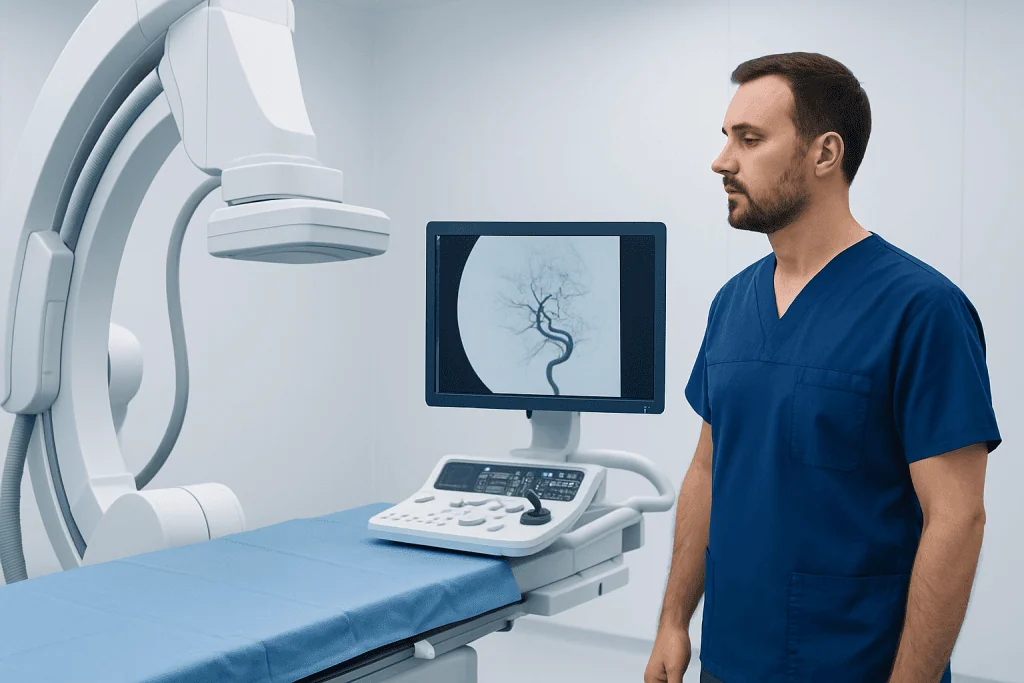
Interventional neurology is not one single treatment. It is a group of procedures used for carefully selected conditions. A common example is mechanical clot removal in some patients with acute ischemic stroke, where a blocked artery in the brain prevents blood flow and needs urgent treatment. Depending on timing and imaging findings, patients may be evaluated for stroke treatment that includes catheter-based options.
Other patients may be assessed for aneurysms, vascular malformations, carotid or intracranial artery disease, or diagnostic angiography when scans need further clarification. Some may also need coordinated care with brain surgery, especially if both open and minimally invasive options must be considered. In such situations, a center with access to neurosurgery and advanced neurological intensive care can be important.
Because each condition behaves differently, treatment suitability depends on more than the diagnosis name. The medical team will consider the patient’s symptoms, when those symptoms began, imaging results, bleeding risk, current medicines, age, and coexisting conditions such as heart disease, diabetes, kidney problems, or previous stroke.
- Acute ischemic stroke with large vessel blockage
- Brain aneurysms or selected vascular malformations
- Carotid or intracranial artery narrowing in selected cases
- Diagnostic cerebral angiography for complex neurovascular assessment
- Conditions that need combined input from neurology, neuroradiology, and neurosurgery
How to Choose a Hospital in Turkey

Hospital selection is one of the most important parts of planning interventional neurology in Turkey. Patients and families often focus first on location or travel convenience, but clinical capability should come first. A suitable center should have an experienced neurovascular team, advanced imaging available without delay, intensive care support, and access to emergency services at all hours when urgent treatment may be needed.
It is reasonable to ask whether the hospital has a dedicated stroke pathway, neuroangiography suite, MRI and CT availability, neurosurgical backup, and inpatient rehabilitation services. Communication also matters. International patients benefit from a hospital that can review records before travel, explain whether the case is urgent, and coordinate appointments among multiple specialists when needed. If recovery support may be necessary, access to rehabilitation can help smooth the transition after treatment.
Patients may also want to confirm practical details such as language support, estimated length of stay, whether a family member can accompany them, and how emergency changes in the treatment plan are handled. A thoughtful hospital review usually includes both clinical safety and the patient experience, especially when traveling from abroad.
- Specialist expertise in neurovascular and catheter-based procedures
- 24/7 emergency and intensive care capability, if relevant
- Rapid access to CT, MRI, angiography, and laboratory services
- Multidisciplinary care with neurology, neurosurgery, and rehabilitation
- Clear communication, records review, and international patient coordination
Travel Planning Before Treatment
Medical travel is easier when planning starts early. Before traveling, patients should gather recent medical records, imaging discs or secure digital files, a medication list, allergy information, previous procedure reports, and contact details for their home doctor. If symptoms are new or changing, the hospital should be informed promptly because urgency can affect whether travel is advisable or whether emergency local care is safer first.
It is also helpful to ask practical questions before departure. These may include how many days to stay before evaluation, whether fasting is required, how long hospitalization might last, and when it may be safe to fly home. Patients taking blood thinners, diabetes medicines, seizure medicines, or drugs for high blood pressure should never stop or change them on their own; medication instructions should come directly from the treating team.
Travel planning should also consider mobility and support needs. Some patients can travel independently, while others need an escort, wheelchair assistance, or a longer recovery period before return travel. If the condition is related to stroke, it may be especially important to plan for temporary weakness, speech difficulty, fatigue, or rehabilitation needs after discharge.
Evaluation, Diagnosis, and Procedure Planning
Once at the hospital, the team usually begins with a detailed neurological assessment and review of all prior tests. This is often followed by repeat or additional imaging to confirm the diagnosis and determine whether an interventional procedure is appropriate. Depending on the condition, this may include CT, MRI, vessel imaging, ultrasound, or diagnostic cerebral angiography.
Patients and families should expect the plan to evolve as new information becomes available. For example, a patient who was initially thought to need one procedure may instead be advised to continue with medication, monitoring, or surgery if imaging suggests that this would be safer or more effective. This change does not necessarily mean something is wrong; it often reflects careful, personalized decision-making.
Before any procedure, the team explains the goal, expected benefits, possible alternatives, and potential risks such as bleeding, vessel injury, contrast reactions, infection, or procedure-related stroke. In many hospitals, treatment planning also includes anesthesia review and evaluation of heart, kidney, and blood test results to reduce preventable complications and support safe recovery.
Treatment, Recovery, and Follow-Up After Returning Home
Recovery after interventional neurology depends on the condition treated, the urgency of care, and the patient’s neurological status before the procedure. Some patients recover quickly and leave hospital within a short period, while others need monitoring in intensive care, repeat imaging, medication adjustment, or supervised rehabilitation. Hospital discharge usually includes advice on activity, wound care at the catheter entry site, warning signs, and follow-up imaging or clinic visits.
For international patients, follow-up planning should begin before discharge. A written medical summary is especially important and should include the diagnosis, procedure performed, important imaging findings, medicines to continue, medicines to avoid, red-flag symptoms, and recommendations for the home physician. If the patient has a complex neurovascular condition such as brain aneurysm, timing of future scans and specialist review should be clearly documented.
Some patients may need ongoing care from neurologists, neurosurgeons, cardiologists, rehabilitation specialists, or speech and physical therapists. When appropriate, hospitals may also help coordinate remote review of recovery questions after the patient returns home. Acibadem International’s multidisciplinary specialists and JCI-accredited hospitals diagnose and treat neurological and neurovascular conditions for international patients, with care pathways that can support evaluation, treatment, and follow-up planning.
Safety, Self-Care, and When to Seek Medical Help
After treatment, self-care focuses on protecting recovery and reducing future risk. This may include taking medicines exactly as prescribed, attending follow-up appointments, managing blood pressure, cholesterol, and diabetes, avoiding tobacco, staying physically active as advised, and eating a balanced diet. Patients should also ask when it is safe to resume driving, work, exercise, and long-distance travel.
Families often play an important role, especially if the patient has weakness, memory changes, speech problems, or fatigue. Keeping a written medication list and discharge summary easily available can be very helpful in case the patient needs urgent review after going home. If rehabilitation is recommended, starting it consistently may support function, confidence, and independence over time.
Urgent medical help is needed if new neurological symptoms appear, such as sudden weakness, facial drooping, speech difficulty, severe sudden headache, confusion, vision loss, seizure, chest pain, shortness of breath, or bleeding from the catheter site that does not stop with pressure. Even after successful treatment, these warning signs should never be ignored, because prompt assessment can be critical.
Frequently asked questions
What is interventional neurology?
Interventional neurology is a specialist field that uses imaging-guided, minimally invasive techniques to diagnose or treat certain brain and blood vessel conditions. It often involves catheters placed through a blood vessel rather than traditional open surgery.
Who may benefit from interventional neurology in Turkey?
Patients with selected neurovascular conditions, such as some types of stroke, aneurysms, or artery narrowing, may be candidates. Suitability depends on imaging findings, symptom timing, overall health, and the availability of the right specialist team.
How can a patient choose the right hospital?
The hospital should have experienced neurovascular specialists, modern imaging, intensive care support, and access to neurosurgery and rehabilitation if needed. Good communication, clear pre-travel review of records, and a written follow-up plan are also important.
Is it safe to fly for neurological treatment?
Safety depends on the diagnosis, symptom severity, and the urgency of treatment. Some patients can travel safely with planning, while others should seek immediate local emergency care first, especially if stroke symptoms are active or worsening.
What records should be prepared before traveling?
Patients should collect recent scans, imaging reports, blood test results, clinic notes, hospital discharge papers, allergy details, and a full medication list. Bringing both printed and digital copies can make the evaluation smoother.
What follow-up is needed after interventional neurology treatment?
Follow-up may include clinic visits, repeat imaging, medication review, and rehabilitation depending on the condition treated. Patients returning home should leave with a clear written summary for their local doctor and instructions on when to seek urgent care.
References
- World Health Organization
- American Stroke Association
- National Institute of Neurological Disorders and Stroke
- European Stroke Organisation
- Society of NeuroInterventional Surgery
This article is for general information only and is not a substitute for professional medical advice. Please consult a qualified doctor about your individual situation.
Interventional Neurology in Turkey — costs, top hospitals & a free quote
JCI-accredited · board-certified surgeons · reply within 24h
Add us as a Preferred Source to see more of our trusted health content across Google Search, AI Overviews and Discover.