Neuropsychological Testing: What to Expect Step by Step
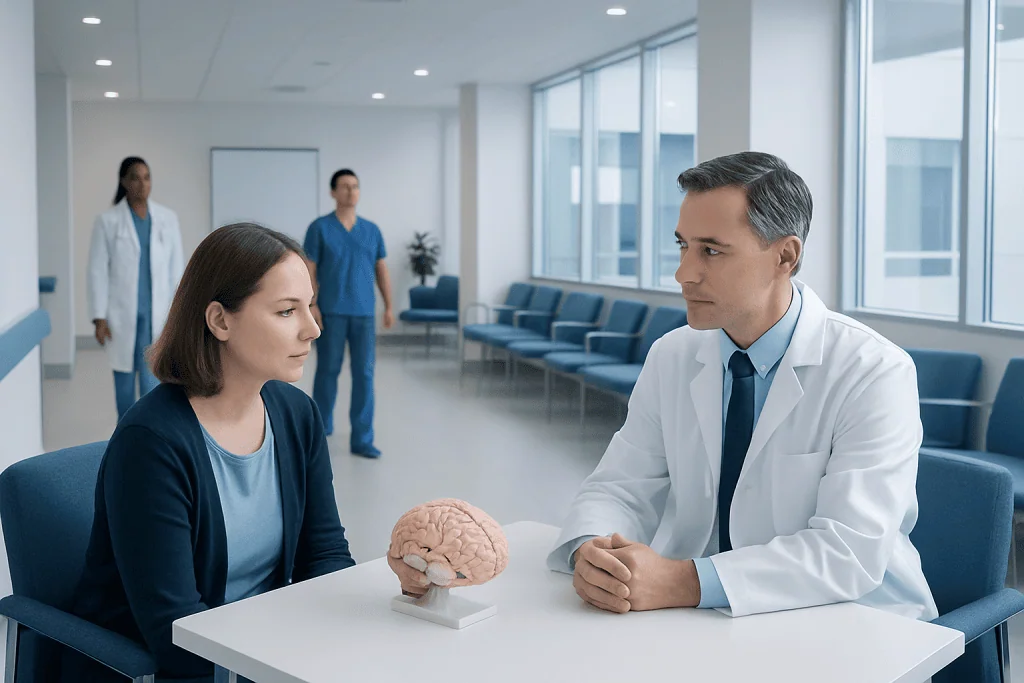
Neuropsychological testing measures thinking, memory, attention, language, and problem-solving using standardized tasks. The process usually includes an interview, testing session, scoring, and a feedback discussion of results.
Key Takeaways
- Neuropsychological testing measures thinking, memory, attention, language, and problem-solving using standardized tasks.
- The process usually includes an interview, testing session, scoring, and a feedback discussion of results.
- These assessments can help clarify conditions such as dementia, stroke effects, traumatic brain injury, ADHD, and learning difficulties.
- Testing is not painful, but it can be tiring, so rest, glasses, hearing aids, and medication lists are important to bring.
- Results are interpreted by a trained neuropsychologist and used together with medical history, imaging, and other evaluations.
Neuropsychological testing is a detailed assessment of how the brain is functioning in daily life. It helps identify strengths and difficulties in areas such as memory, attention, language, problem-solving, and mood, and it gives doctors useful guidance for diagnosis and treatment planning.
Overview: What Neuropsychological Testing Is
Neuropsychological testing is a structured evaluation of how a person’s brain functions in everyday areas such as attention, memory, language, visual skills, planning, and emotional well-being. Rather than looking directly at the brain, it measures performance on carefully designed tasks. These results can show patterns that help explain why someone is having trouble at school, work, or home.
A neuropsychologist uses standardized tests and questionnaires to compare a person’s performance with expected ranges for age, education, and background. This makes the evaluation more detailed than a brief memory screen done in a routine clinic visit. It can show not only whether there is a difficulty, but also which abilities are strong and which are weaker.
Doctors may recommend neuropsychological testing for many reasons. Common examples include memory concerns, changes in concentration, suspected attention-deficit/hyperactivity disorder, learning problems, recovery after head injury, stroke-related changes, epilepsy, brain tumors, multiple sclerosis, or concerns about dementia. In some cases, the testing is also helpful before or after medical treatments to understand how thinking skills may be affected.
Although the process is detailed, it is generally straightforward and noninvasive. There are no needles, scans, or surgical procedures involved. For many patients and families, the most reassuring part is that the evaluation often provides a clearer explanation of symptoms and practical next steps.
Who May Need It and Why It Is Ordered
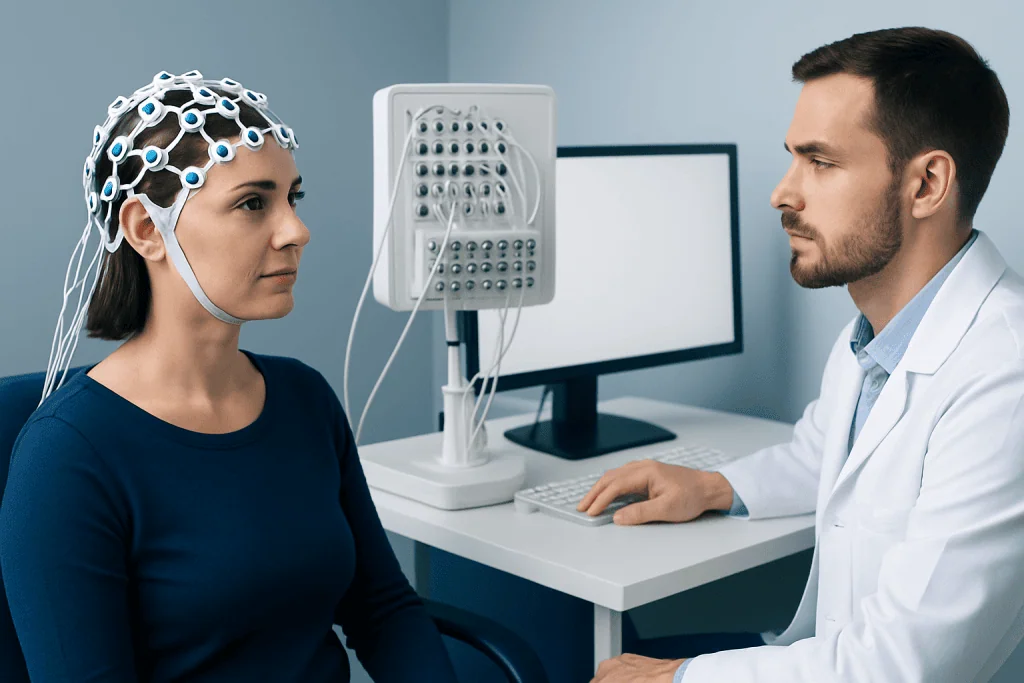
Neuropsychological testing may be recommended for children, adults, or older adults when there are concerns about cognitive, behavioral, or emotional functioning. A person may be forgetting appointments, struggling to stay focused, having trouble finding words, feeling less organized, or noticing a decline in work or school performance. Family members are often the first to notice subtle changes.
The assessment can help answer different kinds of clinical questions. It may help distinguish normal aging from a more significant memory disorder, or clarify whether concentration problems are related to ADHD, anxiety, sleep issues, depression, medication effects, or a neurological condition. It can also help monitor changes over time, which is useful in conditions such as Alzheimer’s disease, epilepsy, Parkinson’s disease, or recovery after a neurological event.
Testing is often ordered as one part of a broader evaluation. A neurologist, psychiatrist, pediatrician, rehabilitation physician, or primary care doctor may request it alongside blood tests, brain imaging, or other specialist assessments. The results can support diagnosis, guide treatment, help with school or workplace accommodations, and provide a baseline for future comparison.
In some cases, the goal is not to confirm a disease but to better understand how a person learns and functions. This can be especially valuable for children with learning differences or adults who have long-standing challenges with organization, reading, or executive functioning.
Step by Step: What Happens During the Evaluation
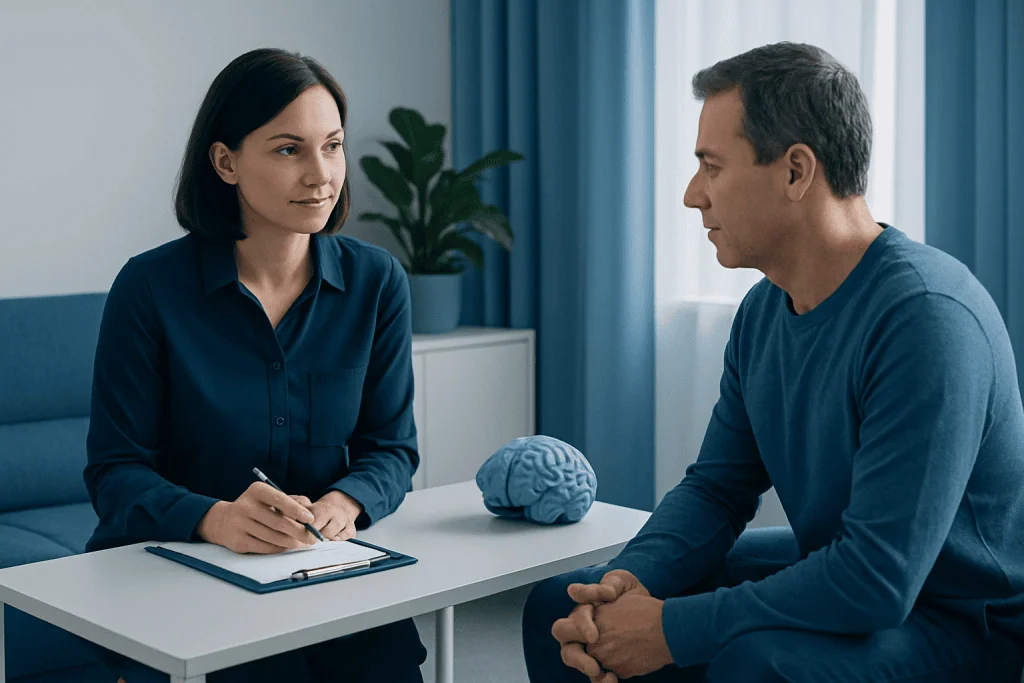
The process usually begins with a clinical interview. The neuropsychologist asks about current symptoms, medical history, medications, education, work, mood, sleep, and day-to-day functioning. A family member or caregiver may be invited to share observations, especially if memory or insight is affected. This background helps the specialist choose the most appropriate tests.
The testing session itself may last a few hours or, in some cases, be spread over more than one visit. The patient is asked to complete a variety of paper-and-pencil, verbal, and sometimes computer-based tasks. These may involve remembering words or stories, naming pictures, solving puzzles, copying shapes, answering questions, sorting information, or responding quickly to visual or sound cues.
Most tests are done one-on-one in a quiet room. The tasks can feel easy in some parts and more challenging in others, which is expected. The goal is not to pass or fail, but to understand the person’s pattern of abilities. Breaks are usually offered, and the examiner watches for fatigue, frustration, or effort so the results can be interpreted fairly.
Some evaluations also include mood, anxiety, or behavior questionnaires because emotional health can strongly affect concentration and memory. If language, movement, vision, or hearing issues are present, the neuropsychologist considers these factors when selecting and interpreting tests.
How to Prepare for Neuropsychological Testing
Good preparation can make the testing day smoother and help results reflect usual functioning more accurately. In general, patients are encouraged to get a reasonable night’s sleep, eat regular meals, stay hydrated, and take prescribed medications unless their doctor gives different instructions. It is often helpful to bring glasses, hearing aids, mobility aids, and a list of current medications.
Patients should also bring any relevant medical records, school reports, or previous test results if requested. For children, report cards, teacher comments, or individualized education plans may be useful. Adults may be asked about work performance, daily activities, and the timeline of any changes they have noticed.
It is best to avoid alcohol or recreational drugs before the appointment, as these can affect concentration and memory. If the person is ill, severely sleep-deprived, or experiencing a temporary problem such as a migraine, it may be better to reschedule. Honest effort is important because the usefulness of the evaluation depends on accurate performance.
Many people worry that they need to study beforehand. Usually, this is neither necessary nor helpful. Neuropsychological testing is designed to assess current brain function, not learned preparation. Arriving rested and ready to do one’s best is typically the most important step.
What the Tests Measure and How Results Are Interpreted
Neuropsychological testing looks at multiple cognitive domains rather than only one skill. Depending on the referral question, the evaluation may examine attention, processing speed, learning and memory, language, visuospatial abilities, executive functions, motor skills, academic abilities, and emotional functioning. This broad view helps identify patterns that may fit a neurological, developmental, psychiatric, or medical explanation.
Results are not based on a single score. The neuropsychologist reviews performance across many tasks and compares it with expected norms for people of similar age and educational background. The interpretation also includes medical history, mood symptoms, fatigue, pain, cultural and language factors, and any sensory or physical limitations. This is why the final report is usually more informative than raw test results alone.
In some cases, testing may support an existing diagnosis such as dementia or help evaluate the effects of stroke or traumatic brain injury. In other situations, the findings may suggest that memory complaints are more closely related to depression, anxiety, poor sleep, medication side effects, or stress. The evaluation can also show preserved strengths that may be used in rehabilitation.
Because interpretation is complex, results are typically discussed in a follow-up appointment rather than on the same day. The final report may include a diagnostic impression, practical recommendations, and suggestions for medical follow-up, school support, therapy, or lifestyle changes.
After Testing: Next Steps and Treatment Planning
After the assessment, the neuropsychologist scores and analyzes the tests and prepares a report. This often takes some time because interpretation is detailed and individualized. In the feedback visit, the specialist explains what the results mean, answers questions, and discusses recommendations in clear language.
Next steps depend on the reason for the evaluation. Some patients may be referred for further neurological work-up, counseling, rehabilitation, or changes in medication under their doctor’s guidance. Others may benefit from practical support such as school accommodations, workplace adjustments, memory strategies, psychotherapy, or family education.
For people recovering from neurological illness or injury, recommendations may include structured rehabilitation such as neurorehabilitation or selected therapies to improve function and independence. If the findings suggest a neurological condition, the doctor may combine them with imaging or specialist care, such as neurology evaluation or brain MRI.
When needed, follow-up testing may be repeated after months or years to monitor change. This can be useful for tracking recovery, checking the progression of a condition, or seeing whether treatment has helped attention, mood, or memory. Near the end of the care pathway, some patients may choose centers such as Acibadem International, where multidisciplinary specialists in JCI-accredited hospitals diagnose and treat neurocognitive conditions for international patients.
When to Seek Medical Advice
It is sensible to seek medical advice if memory, attention, language, or problem-solving difficulties are interfering with daily life. Examples include getting lost in familiar places, repeating questions, missing important tasks, struggling at work or school, or finding it hard to manage medications or finances. Earlier evaluation can make it easier to identify treatable causes and plan support.
Children should be assessed if there are persistent concerns about learning, attention, behavior, or developmental progress. Adults and older adults should also consider evaluation if there is a noticeable change from their usual abilities, especially after head injury, stroke, seizures, infection, or major medical treatment.
Urgent medical attention is needed for sudden confusion, new weakness, facial drooping, severe headache, seizure, sudden speech difficulty, or any abrupt change in consciousness. These symptoms may indicate a medical emergency and should not wait for routine neuropsychological testing.
Even when symptoms are mild, discussing concerns with a qualified doctor is worthwhile. A careful medical review can help determine whether neuropsychological testing is appropriate and what other evaluations may be needed.
Frequently asked questions
How long does neuropsychological testing take?
The length varies depending on the reason for the assessment and the number of tests needed. Many evaluations take several hours, and some are split into more than one appointment to reduce fatigue.
Is neuropsychological testing painful or invasive?
No. Neuropsychological testing is noninvasive and usually involves answering questions, speaking, writing, drawing, or completing problem-solving tasks. It may feel mentally tiring, but it does not involve needles or surgery.
Can neuropsychological testing diagnose dementia?
It can provide strong evidence about whether memory and thinking changes fit a pattern seen in dementia or another condition. However, diagnosis is usually made using the full clinical picture, including medical history, examination, and sometimes imaging or laboratory tests.
Should someone study before the test?
Studying is generally not recommended because the goal is to measure current functioning, not preparation. The best approach is to arrive rested, take prescribed medications as directed by a doctor, and give honest effort.
What if the person has anxiety, depression, or poor sleep?
These factors can affect concentration, processing speed, and memory, so they are important to mention during the evaluation. Neuropsychologists take them into account and may include questionnaires to better understand their impact.
Will the results be available immediately?
Usually not. The neuropsychologist needs time to score the tests, compare results with norms, and interpret them in the context of the person’s medical and personal history. A feedback appointment is often scheduled to explain the findings.
References
- American Psychological Association
- National Institute on Aging
- Centers for Disease Control and Prevention
- National Institute of Neurological Disorders and Stroke
- Alzheimer's Association
This article is for general information only and is not a substitute for professional medical advice. Please consult a qualified doctor about your individual situation.
Explore treatments in Turkey — costs, top hospitals & a free quote
JCI-accredited · board-certified surgeons · reply within 24h
Add us as a Preferred Source to see more of our trusted health content across Google Search, AI Overviews and Discover.