How to Prepare for Neuropsychological Testing

Neuropsychological testing is not a pass-or-fail exam; it is a detailed assessment of cognitive and emotional functioning. Practical preparation matters, including adequate sleep, regular meals, glasses or hearing aids, and a list of medications.
Key Takeaways
- Neuropsychological testing is not a pass-or-fail exam; it is a detailed assessment of cognitive and emotional functioning.
- Practical preparation matters, including adequate sleep, regular meals, glasses or hearing aids, and a list of medications.
- Honest effort is important, because the goal is to understand everyday strengths and difficulties accurately.
- Testing may include interviews, paper-and-pencil tasks, computer tasks, and questionnaires about mood or daily function.
- Results help guide diagnosis, treatment planning, school or work support, and follow-up care.
Neuropsychological testing measures thinking, memory, attention, language, problem-solving, and mood to help doctors understand how the brain is functioning. Good preparation can make the experience smoother and helps ensure the results reflect a person’s usual abilities as accurately as possible.
Overview: What neuropsychological testing is
Neuropsychological testing is a structured evaluation of how a person’s brain-based skills are working in daily life. It looks at areas such as attention, memory, language, visual-spatial skills, processing speed, planning, problem-solving, and emotional functioning. These tests are selected and interpreted by a qualified neuropsychologist, usually as part of a broader medical assessment.
The process is designed to answer practical questions. For example, it may help explain why someone is having memory lapses, trouble focusing, slower thinking, school difficulties, or changes after a concussion, stroke, surgery, or neurological illness. It may also help distinguish between different causes of symptoms, such as stress, depression, sleep problems, medication effects, or a brain-related condition.
Importantly, neuropsychological testing is not an intelligence test alone, and it is not something a person either “passes” or “fails.” The aim is to build a profile of strengths and weaknesses. That profile can support diagnosis, treatment planning, rehabilitation, educational accommodations, workplace planning, and discussion with family members or caregivers.
Why a doctor may recommend testing
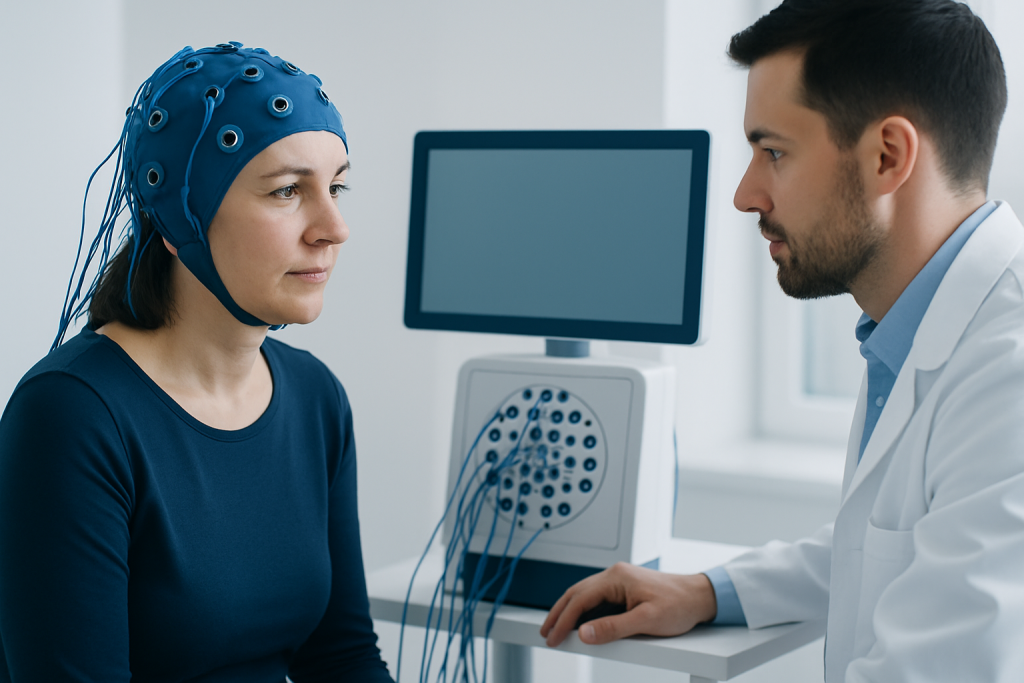
A doctor may recommend neuropsychological testing when symptoms affect learning, work, independence, or quality of life. Common reasons include forgetfulness, difficulty concentrating, problems finding words, slower thinking, changes in organization, trouble making decisions, or confusion after illness or injury. Testing may also be used before and after certain treatments to monitor cognitive change over time.
It is often useful in people with neurological, psychiatric, developmental, or medical conditions. Examples include concussion, stroke, epilepsy, multiple sclerosis, Parkinson’s disease, dementia concerns, ADHD, autism spectrum disorder, depression, anxiety, sleep disorders, and effects of cancer treatment. In many cases, the evaluation helps put symptoms into context rather than relying on a brief screening test alone.
The results may complement a neurological examination, imaging, lab tests, or other specialized assessments. When needed, doctors may coordinate testing with neurology care or brain and nerve check-up services to build a fuller understanding of symptoms and next steps.
How to prepare for neuropsychological testing
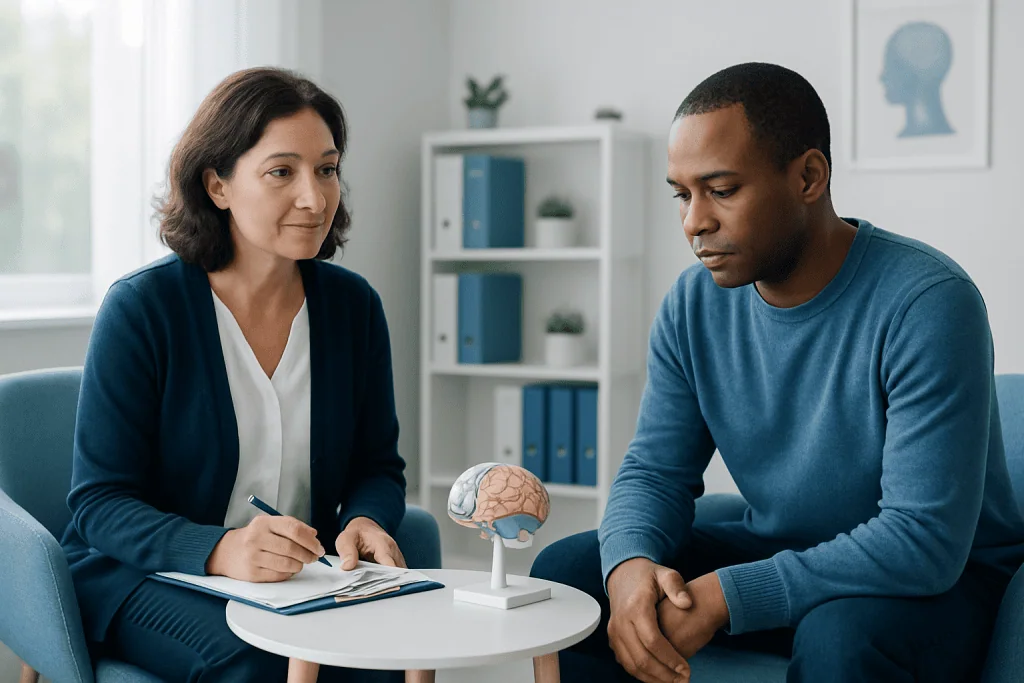
Preparation is usually straightforward, but small steps can make a meaningful difference. The most helpful things are to sleep as well as possible the night before, eat regular meals, stay hydrated, and arrive on time. Bringing eyeglasses, hearing aids, dentures, mobility aids, or any other devices used every day helps ensure the testing reflects usual functioning rather than temporary difficulties with seeing, hearing, or comfort.
It is also helpful to bring a current medication list, relevant medical records, previous test results, school reports if applicable, and a brief timeline of symptoms. If the clinic has given instructions about whether to take usual medicines, those instructions should be followed carefully. A person should not stop prescription medication unless their treating doctor specifically advises it.
Comfort matters. Wearing comfortable clothing and planning for several hours can reduce fatigue and stress. Some evaluations are completed in one session, while others are split into shorter visits. If a person is unsure how long the appointment will take, whether breaks are allowed, or whether a family member should attend part of the visit, it is reasonable to ask ahead of time.
Emotional preparation is just as important. Many people worry that they will perform badly, but the goal is not perfection. The best approach is to try steadily, answer honestly, and let the examiner know if something is unclear, painful, or especially tiring. The evaluation is meant to understand real-life functioning, not to judge character or effort harshly.
What happens during the appointment
Most neuropsychological evaluations begin with an interview. The neuropsychologist asks about current concerns, medical history, education, work, language background, mood, sleep, and daily activities. If appropriate, a family member or caregiver may provide additional observations, especially when memory or communication changes are part of the concern.
The testing portion may include spoken questions, paper-and-pencil tasks, drawing tasks, memory exercises, timed activities, and sometimes computer-based measures. Some tasks may feel easy and others difficult by design. This is normal, because the examiner needs to see how a person learns, recalls information, maintains attention, and solves problems across different levels of challenge.
Questionnaires about mood, anxiety, fatigue, or everyday functioning are also common. These are important because emotional health, sleep, pain, and stress can affect concentration and memory. In some cases, the evaluation is part of a broader workup that may also involve MRI or other medical tests, depending on the person’s symptoms and the referring doctor’s concerns.
Breaks are usually available, especially during longer sessions. If a person becomes tired, hungry, uncomfortable, or frustrated, it helps to say so. The examiner can often adjust the pace while still maintaining the quality of the evaluation.
What can affect test results
Neuropsychological results are most useful when they reflect a person’s usual level of functioning. Several temporary factors can influence performance, including poor sleep, illness, severe pain, dehydration, low blood sugar, alcohol or recreational drug use, medication side effects, high anxiety, and untreated hearing or vision problems. This does not mean testing cannot still be helpful, but it does mean the neuropsychologist needs to know about these factors.
Language, culture, educational background, and learning differences also matter. Tests are interpreted in context, not in isolation. For example, someone taking tests in a non-native language may appear to struggle with verbal tasks for reasons that are different from a memory disorder. Sharing this background openly allows for more accurate interpretation.
Honest effort is essential. Trying to look better than usual or worse than usual can make the results less reliable and less useful for care planning. Neuropsychologists use multiple methods to check consistency across tasks, so the most helpful approach is simple: do your best, ask for clarification when needed, and do not overthink each answer.
After testing: results and next steps
Results are usually not given immediately at the end of the testing session, because the neuropsychologist needs time to score, compare, and interpret the findings carefully. A feedback appointment is often scheduled to explain the results in plain language. This discussion may cover which skills are strong, which are weaker, how the pattern fits with the medical picture, and what support or treatment may help.
Recommendations vary according to the reason for testing. They may include medical follow-up, counseling, sleep evaluation, medication review, cognitive rehabilitation, speech-language therapy, occupational therapy, school accommodations, work adjustments, or driving and safety planning. When symptoms suggest a broader neurological issue, the evaluation may help guide care for conditions such as Alzheimer’s disease or other causes of cognitive change.
For many people, the most valuable part of testing is that it turns vague concerns into a clear plan. Even when the results are reassuring, they can help explain why symptoms are happening and what practical strategies may improve daily life. Near the end of the care pathway, some patients choose centers such as Acibadem International, where multidisciplinary specialists in JCI-accredited hospitals diagnose and treat neurological and cognitive conditions for international patients.
Practical self-care before and after the evaluation
Simple self-care can make the testing day easier. Before the appointment, it helps to confirm the time and location, bring identification and records, and allow extra travel time to avoid rushing. If a person is prone to fatigue, scheduling the test for the time of day when they usually function best may be useful if the clinic can accommodate it.
After the evaluation, many people feel mentally tired. Planning a lighter schedule for the rest of the day can be helpful. Rest, hydration, and a regular meal are sensible, especially after a long session. If a family member or trusted friend can help with transport or note-taking at the feedback visit, that may also reduce stress.
It can also help to write down questions in advance, such as what the results may clarify, how long the report will take, and whether recommendations may affect work, school, or driving. A written list makes it easier to remember concerns during the visit.
- Sleep as well as possible the night before.
- Take usual medications unless instructed otherwise by a doctor.
- Bring glasses, hearing aids, and a medication list.
- Eat beforehand and bring snacks if allowed.
- Be open about symptoms, stress, sleep, and pain.
When to contact a doctor sooner
Neuropsychological testing is usually planned, not urgent. However, some symptoms deserve prompt medical attention rather than waiting for a testing appointment. These include sudden confusion, new weakness, facial drooping, severe headache unlike usual headaches, new seizures, sudden vision loss, fainting, or abrupt changes in speech. These symptoms may signal an urgent neurological problem.
Medical advice should also be sought promptly if memory or behavior changes are progressing quickly, if safety is becoming a concern at home, or if mood symptoms include hopelessness or thoughts of self-harm. In those situations, the priority is timely medical assessment and support.
For non-urgent concerns, it is still worth speaking with a qualified doctor if concentration, memory, language, or problem-solving difficulties are interfering with daily life. Early evaluation can help identify treatable causes and guide the right support.
Frequently asked questions
How long does neuropsychological testing take?
It varies according to the reason for referral and the number of tests needed. Some evaluations last a few hours, while more detailed assessments may take most of a day or be split across more than one visit.
Should a person take their usual medications before testing?
In most cases, usual medications should be taken unless the doctor or testing center gives different instructions. It is important not to stop prescription medicine without medical advice, because that can affect both safety and results.
Can anxiety affect neuropsychological testing results?
Yes, anxiety, poor sleep, pain, and stress can all affect attention and memory during testing. That is one reason the neuropsychologist asks about mood and daily functioning, so the results can be interpreted in the right context.
Is neuropsychological testing the same as a brain scan?
No. Brain scans such as MRI show the structure of the brain, while neuropsychological testing looks at how thinking and behavior are functioning in everyday tasks. The two types of assessment often complement each other.
What should someone bring to a neuropsychological evaluation?
Helpful items include identification, eyeglasses or hearing aids, a current medication list, relevant medical records, and any paperwork from the referring doctor. School records or previous testing reports can also be useful in some cases.
Can a family member attend the appointment?
Often yes, at least for part of the visit, especially if collateral history is helpful. Policies vary by clinic, so it is best to ask in advance whether a family member or caregiver should be present for the interview or feedback session.
References
- American Psychological Association
- National Institute of Neurological Disorders and Stroke
- National Institute on Aging
- American Academy of Clinical Neuropsychology
- World Health Organization
This article is for general information only and is not a substitute for professional medical advice. Please consult a qualified doctor about your individual situation.
Explore treatments in Turkey — costs, top hospitals & a free quote
JCI-accredited · board-certified surgeons · reply within 24h
Add us as a Preferred Source to see more of our trusted health content across Google Search, AI Overviews and Discover.