ADHD and Neuropsychological Testing: When Is It Helpful?

ADHD is primarily a clinical diagnosis based on symptoms, history, and functioning. Neuropsychological testing is not always required, but it can be useful when the picture is complex or unclear.
Key Takeaways
- ADHD is primarily a clinical diagnosis based on symptoms, history, and functioning.
- Neuropsychological testing is not always required, but it can be useful when the picture is complex or unclear.
- Testing may help identify learning disorders, anxiety, depression, sleep problems, or other conditions that can affect attention.
- A full evaluation often includes interviews, rating scales, school or work history, and sometimes cognitive testing.
- Results can guide personalized support at school, work, and home.
ADHD is usually diagnosed through a clinical evaluation, but neuropsychological testing can be helpful in some situations. It may clarify attention, memory, learning, and executive function concerns, especially when symptoms overlap with other conditions.
Overview
Attention-deficit/hyperactivity disorder, or ADHD, is a neurodevelopmental condition that affects attention, impulse control, activity level, and executive functioning. Executive functions include planning, organization, working memory, time management, and self-monitoring. ADHD can appear differently from person to person, and symptoms may change with age.
Many people wonder whether neuropsychological testing is necessary for ADHD. In most cases, ADHD is diagnosed through a careful clinical assessment rather than a single test. A clinician typically looks at current symptoms, childhood history, daily functioning, and information from parents, teachers, partners, or other people who know the person well.
Neuropsychological testing can still play an important role. It is often most helpful when symptoms are complicated, when there may be other conditions affecting attention, or when a person needs a detailed profile of cognitive strengths and challenges. Instead of “proving” ADHD on its own, testing adds useful information to the bigger clinical picture.
What Neuropsychological Testing Involves
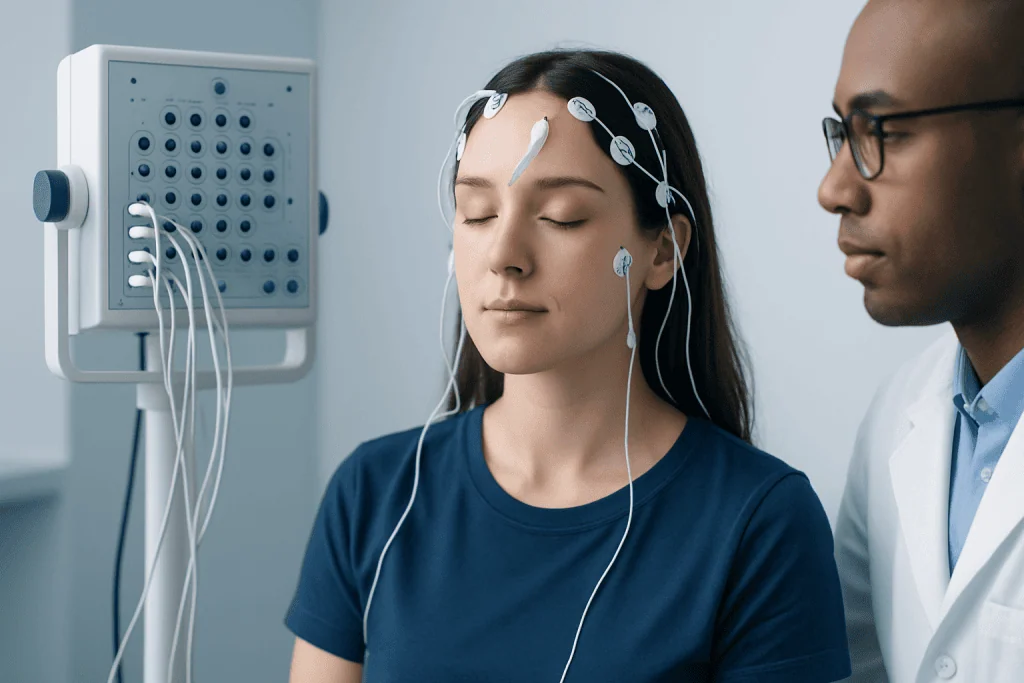
Neuropsychological testing is a structured assessment of how the brain is functioning in everyday cognitive tasks. It may examine attention, working memory, processing speed, language, learning, visual-spatial skills, problem-solving, and emotional functioning. The assessment is usually performed by a clinical neuropsychologist or another trained specialist.
Testing often includes an interview, questionnaires, and standardized paper-and-pencil or computer-based tasks. Some tasks measure how well a person can stay focused, shift attention, remember information, or manage distracting details. Others look at academic skills such as reading, writing, and math if a learning difficulty is suspected.
The process can take several hours and may happen in one or more sessions, depending on age and the questions being explored. The final report usually explains patterns of performance, possible diagnoses, and practical recommendations for school, work, and daily life. This can be especially helpful when a person is being evaluated for ADHD alongside other concerns.
When It Is Helpful for ADHD
Neuropsychological testing is often helpful when the diagnosis is not straightforward. For example, a child may have trouble focusing in class, but the main issue may be a learning disorder, anxiety, sleep disruption, hearing or vision problems, or emotional stress. An adult may report poor concentration, but depression, burnout, trauma, medication effects, or another medical issue may also be contributing.
Testing may be especially useful in the following situations:
- Symptoms overlap with other conditions, such as anxiety, depression, autism spectrum disorder, or learning disorders
- There are significant school or work performance concerns that need detailed documentation
- The person has a history of head injury, seizures, prematurity, developmental differences, or other neurological concerns
- Previous treatment has not helped as expected, and clinicians want to better understand the reason
- There is a need for recommendations about academic accommodations or workplace support
In these settings, testing can help separate ADHD from other causes of inattention and can identify coexisting conditions. It may also show whether a person has relative strengths that can be used to support learning and day-to-day functioning. If broader brain function concerns exist, a clinician may also consider related neurological or cognitive evaluation pathways such as dementia or other attention-related conditions, depending on age and symptoms.
What Testing Can and Cannot Show
Neuropsychological testing can provide a detailed map of cognitive performance, but it has limits. ADHD symptoms can vary from day to day, and some people with clear ADHD may perform reasonably well on structured tests, especially in quiet one-to-one settings. On the other hand, a person without ADHD may score poorly because of fatigue, stress, anxiety, pain, poor sleep, or low motivation.
For that reason, testing should not be used alone to confirm or exclude ADHD. A normal test result does not always mean ADHD is absent, and an abnormal result does not automatically mean ADHD is present. The most accurate interpretation comes from combining test findings with a detailed developmental, medical, educational, and psychosocial history.
Still, the information can be valuable. It may reveal weaknesses in working memory or processing speed, show whether academic skills are affected, and highlight emotional factors that influence concentration. In some people, the assessment also helps guide whether other evaluations, such as neurological examination or brain MRI, are needed because symptoms suggest a broader neurological issue rather than straightforward ADHD.
How ADHD Is Diagnosed
ADHD is usually diagnosed by a qualified healthcare professional using established diagnostic criteria. The clinician asks about symptoms of inattention, hyperactivity, and impulsivity, and whether these symptoms began in childhood, occur in more than one setting, and interfere with daily life. For children, information from parents and teachers is especially important. For adults, school history, work functioning, and family input can also help.
A thorough ADHD evaluation often includes:
- A detailed medical, developmental, educational, and family history
- Interviews with the patient and, when appropriate, parents, teachers, or partners
- Standardized rating scales for ADHD symptoms
- Review of school reports, work records, or previous assessments
- Screening for anxiety, depression, sleep disorders, substance use, and learning problems
Physical examination or selected medical tests may be recommended when symptoms could be related to another health issue. In some cases, clinicians may also use supportive tools such as EEG (electroencephalography) if episodes of staring, unusual behavior, or other neurological symptoms raise a different concern. The key point is that ADHD diagnosis relies on a broad clinical assessment, with testing used selectively to answer specific questions.
Benefits of a Detailed Assessment
When neuropsychological testing is truly needed, it can offer practical benefits beyond diagnosis. One important benefit is clearer treatment planning. A person with ADHD and a learning disorder may need a different support strategy than someone with ADHD and anxiety. Knowing the full picture can help clinicians, families, and schools choose interventions more effectively.
Testing can also support access to accommodations. Schools, universities, and workplaces may ask for documentation when a person requests extra time, reduced-distraction environments, note-taking support, or other adjustments. A detailed report can explain why these accommodations are appropriate and how they may improve functioning.
Another benefit is reassurance. Many patients and families feel relieved when they better understand why attention, organization, or academic performance has been difficult. Instead of viewing these struggles as laziness or lack of effort, the assessment can frame them as part of a measurable and manageable pattern of cognitive and behavioral challenges.
Treatment, Support, and Next Steps
Treatment for ADHD usually combines education, behavioral strategies, environmental adjustments, and, for many people, medication prescribed by a qualified clinician. Children may benefit from parent training, classroom supports, and routines that reduce distractions. Teenagers and adults often do well with coaching, structured planning systems, and strategies for time management and task completion.
If testing identifies additional concerns, treatment can be tailored accordingly. For example, support may include therapy for anxiety or depression, help for sleep problems, or educational interventions for reading or math difficulties. In this way, the value of neuropsychological testing is not only in naming a condition but also in helping shape a realistic, individualized care plan.
It is helpful to discuss the results in detail with the evaluating specialist. Families and patients can ask which findings are most important, what supports should begin first, and how progress will be monitored over time. Near the end of the care pathway, some people may also seek a multidisciplinary opinion; Acibadem International’s specialists in JCI-accredited hospitals evaluate and treat patients with attention, learning, and neurological concerns from many countries.
Frequently asked questions
Is neuropsychological testing required to diagnose ADHD?
No. ADHD is usually diagnosed through a clinical evaluation that includes symptom history, functioning in daily life, and information from people who know the person well. Neuropsychological testing may be added when the case is complex or when other conditions need to be considered.
What does neuropsychological testing look for in someone with possible ADHD?
It looks at areas such as attention, working memory, processing speed, planning, problem-solving, learning, and emotional functioning. The goal is to understand the person's cognitive profile and identify whether ADHD, a learning disorder, anxiety, or another issue may be contributing to symptoms.
Can neuropsychological testing confirm ADHD by itself?
No. Testing results alone cannot confirm or rule out ADHD because performance can be influenced by sleep, stress, mood, motivation, and the structured test setting. Clinicians interpret the results together with interviews, rating scales, and developmental history.
Who may benefit most from neuropsychological testing for ADHD?
It can be especially helpful for people with overlapping symptoms, unclear diagnosis, school or work difficulties, or suspected learning and emotional problems. It may also be useful when there is a history of neurological issues or when documentation is needed for accommodations.
How long does ADHD neuropsychological testing take?
The length varies depending on age and the questions being asked. Some evaluations take a few hours, while more detailed assessments may be completed over more than one session.
What happens after the testing is finished?
The specialist usually provides a report and feedback session explaining the findings in plain language. Recommendations may include school supports, workplace accommodations, behavioral strategies, therapy, medical follow-up, or treatment for related conditions.
References
- American Psychiatric Association
- Centers for Disease Control and Prevention
- National Institute of Mental Health
- American Academy of Pediatrics
- American Academy of Child and Adolescent Psychiatry
This article is for general information only and is not a substitute for professional medical advice. Please consult a qualified doctor about your individual situation.
ADHD in Turkey — costs, top hospitals & a free quote
JCI-accredited · board-certified surgeons · reply within 24h
Add us as a Preferred Source to see more of our trusted health content across Google Search, AI Overviews and Discover.

More from the Health Library



Related Specialists

Dyt. Fatma Turanlı
Nutrition & Diet
Dr. Cem Öncüloğlu
Gynecology & Obstetrics
Assoc. Prof. Dr. Lütfiye Uygur
Gynecology & Obstetrics
Dr. Mehmet Hancioğlu
Psychiatry