

Neuropsychological Testing for ADHD, Autism, and Memory Problems: What Can It Diagnose?

Neuropsychological testing measures how the brain functions in everyday cognitive tasks. It can support the evaluation of ADHD, autism-related cognitive profiles, learning difficulties, memory loss, brain injury, and dementia.
Key Takeaways
- Neuropsychological testing measures how the brain functions in everyday cognitive tasks.
- It can support the evaluation of ADHD, autism-related cognitive profiles, learning difficulties, memory loss, brain injury, and dementia.
- Testing does not rely on one single score; it combines interview findings, standardized tasks, and clinical interpretation.
- Results can help clarify strengths and challenges, guide school or workplace support, and inform treatment planning.
- A neuropsychological evaluation is tailored to the person's age, symptoms, medical history, and concerns.
Neuropsychological testing is a detailed assessment of thinking, memory, attention, language, and problem-solving. It can help explain symptoms, support diagnosis, and guide treatment planning for children, adults, and older adults.
Overview
Neuropsychological testing is a structured evaluation of how a person thinks, learns, remembers, pays attention, communicates, and solves problems. It is usually performed by a clinical neuropsychologist using standardized tests, questionnaires, and a detailed interview. The goal is not simply to label a condition, but to understand how the brain is functioning and how any changes may affect daily life.
These assessments are used in many situations. A child may be tested because of school difficulties, attention problems, or concerns about social communication. An adult may be referred after a head injury, because of long-standing concentration problems, or when memory changes raise questions about aging. Older adults may be assessed when families or doctors want to distinguish normal age-related forgetfulness from a condition such as mild cognitive impairment or dementia.
Neuropsychological testing can support diagnosis, but it is only one part of a full medical evaluation. The results are interpreted alongside the person’s history, physical and neurological examination, school or work concerns, imaging findings when relevant, and sometimes speech, occupational, or psychiatric assessments. This broader picture often provides the clearest explanation for symptoms.
What Neuropsychological Testing Measures
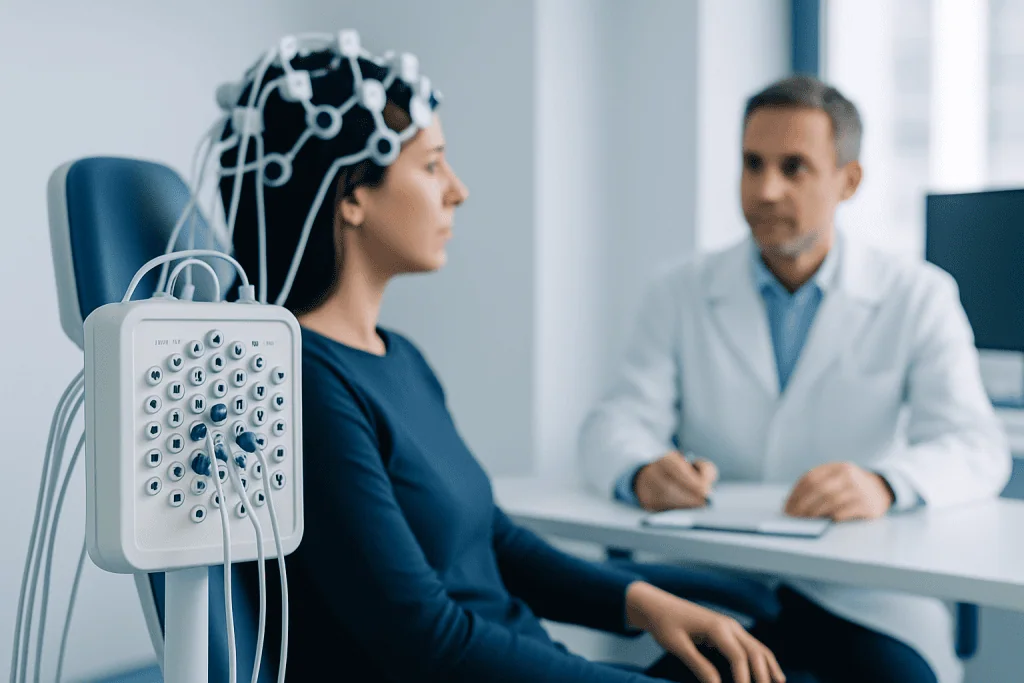
A neuropsychological evaluation looks at multiple areas of cognition and behavior. Different tests are chosen depending on age and symptoms, but the assessment commonly examines attention, working memory, processing speed, language, visual-spatial skills, learning, long-term memory, executive functions, and emotional well-being. Executive functions include planning, organization, self-monitoring, mental flexibility, and impulse control.
Testing may also explore academic skills, fine motor coordination, social understanding, and adaptive functioning. In children, this can help identify whether challenges are more consistent with ADHD, autism-related differences, a learning disorder, anxiety, or another factor. In adults, the pattern of strengths and weaknesses may suggest the effects of stress, sleep problems, depression, neurological illness, or cognitive decline.
Importantly, the evaluation measures performance patterns rather than looking for one single result. Someone may have strong reasoning but slower processing speed, or good recognition memory but difficulty retrieving information quickly. These patterns often provide valuable clues about what may be causing the symptoms and what kinds of support are likely to help.
What Conditions Can It Help Diagnose?
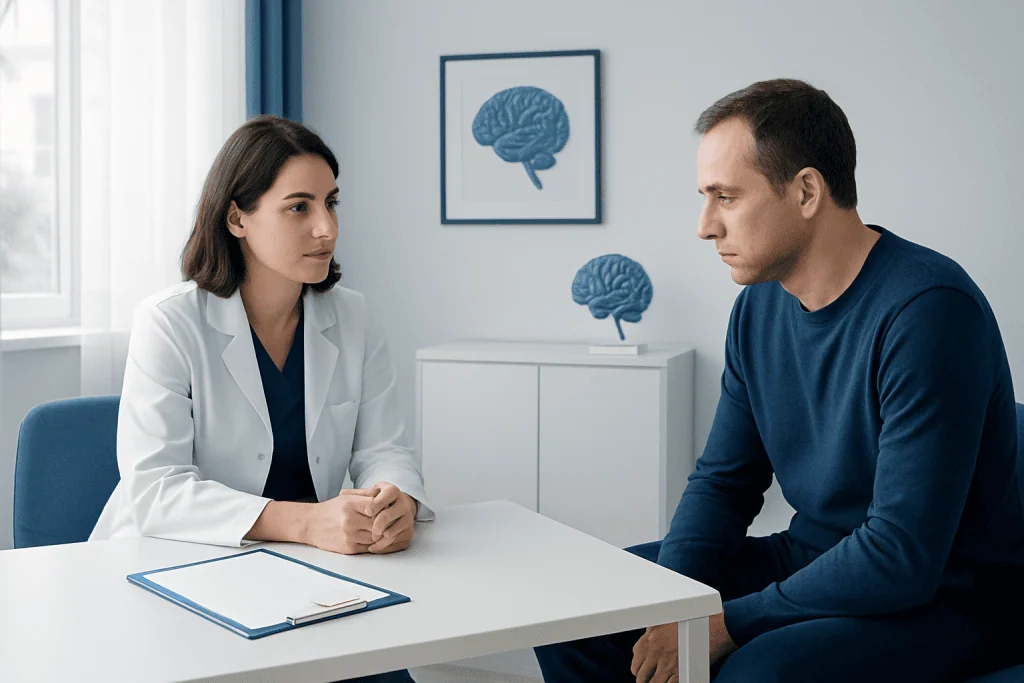
Neuropsychological testing can contribute to the assessment of a wide range of conditions, but it usually does not diagnose on its own. For attention-related concerns, it may support an ADHD evaluation by showing difficulties in sustained attention, inhibition, working memory, or organization. However, clinicians also consider developmental history, symptom reports from home or school, and the possibility of overlapping issues such as anxiety, sleep disturbance, or learning disorders.
For autism, testing can help define a person’s cognitive and behavioral profile, including language use, problem-solving style, social understanding, sensory-related impacts, and adaptive skills. It can be part of a broader autism evaluation, especially when there are questions about communication, flexibility, or everyday functioning. In this setting, neuropsychological findings are typically combined with developmental history and autism-specific clinical assessments.
Memory complaints are another common reason for referral. Testing can help distinguish normal aging from mild cognitive impairment, depression-related cognitive changes, medication effects, or neurodegenerative disorders such as Alzheimer’s disease. It can also be useful after stroke, epilepsy, brain tumors, multiple sclerosis, infections affecting the nervous system, or traumatic brain injury. In addition, these evaluations may help identify intellectual disability, specific learning disorders, language-based difficulties, and cognitive effects of medical or psychiatric conditions.
- ADHD and executive function difficulties
- Autism-related cognitive and adaptive profiles
- Learning disorders and school performance concerns
- Memory loss, mild cognitive impairment, and dementia
- Traumatic brain injury, stroke, and other neurological conditions
- Cognitive effects of anxiety, depression, sleep problems, or medical illness
Symptoms and Situations That May Lead to Testing
People are often referred for neuropsychological testing because symptoms are affecting daily life, learning, work, or relationships. In children, concerns may include inattention, hyperactivity, trouble following instructions, slow learning, reading or math struggles, emotional outbursts, poor organization, or social communication differences. A teenager may be tested because school demands have increased and long-standing weaknesses have become more noticeable.
In adults, common reasons include poor concentration, forgetfulness, word-finding problems, trouble multitasking, reduced work performance, or cognitive changes after an illness or injury. Sometimes the person notices the changes; in other cases, family members or colleagues are the first to be concerned. Testing may also be requested before and after neurosurgery or other treatments to track cognitive functioning over time.
Older adults may seek evaluation when memory lapses seem more frequent, familiar tasks become harder, or there are changes in judgment, language, navigation, or daily independence. Although these symptoms can be worrying, they do not automatically mean dementia. A careful assessment can often clarify whether the pattern is more consistent with normal aging, stress, depression, medication effects, sleep disorders, or a neurological condition.
How the Evaluation Is Done
A neuropsychological evaluation usually begins with a detailed interview. The clinician asks about symptoms, development, education, medical history, medications, mood, sleep, family history, and day-to-day functioning. For children, parents or caregivers are typically interviewed, and school reports may be reviewed. Teachers may also complete rating scales. For adults and older adults, a spouse, partner, or other family member may provide helpful observations if the patient agrees.
The testing session includes paper-and-pencil and verbal tasks, and sometimes computer-based measures. The exact tests vary depending on the reason for referral. Some evaluate attention and speed, while others assess memory, language, visual reasoning, motor skills, or problem-solving. The process may take a few hours or, in more complex cases, be completed over more than one session to reduce fatigue and improve accuracy.
After testing, the neuropsychologist interprets the results in context. Age, education, language background, culture, hearing or vision issues, emotional state, and sleep quality can all influence performance. The final report usually explains what the results suggest, whether they support a diagnosis, and what next steps may be helpful. In some cases, doctors may also recommend MRI scanning or other medical assessments to look for structural or neurological causes of symptoms.
What the Results Mean for Treatment and Support
The value of neuropsychological testing is not limited to diagnosis. Results often help create a practical roadmap for treatment, education, rehabilitation, and daily support. For a child with attention or learning difficulties, the evaluation may suggest classroom accommodations, behavioral strategies, or targeted therapies. For an adult, it may guide workplace adjustments, counseling, cognitive rehabilitation, or further neurological review.
When memory concerns are present, testing can help determine whether closer follow-up is needed and whether the pattern is more suggestive of a progressive condition. If there is concern about a Alzheimer’s disease process or another cause of cognitive decline, findings may prompt referral to neurology, geriatric medicine, or psychiatry. Depending on the situation, additional care might include neurology consultation or structured support through physical therapy and rehabilitation after stroke or brain injury.
In many cases, the report highlights both strengths and weaknesses. This balanced approach can be reassuring. Knowing what a person does well can be just as useful as identifying what is difficult, because strengths often become the foundation for coping strategies and future planning. Near the end of the care pathway, international patients may also seek assessment and follow-up at centers such as Acibadem International, where multidisciplinary specialists in JCI-accredited hospitals evaluate and treat cognitive and neurological conditions.
Preparing for Testing and Self-care Afterward
Good preparation can help the evaluation reflect a person’s true abilities. It is usually best to arrive well rested, nourished, and with usual glasses, hearing aids, or medications unless a doctor has advised otherwise. Bringing school records, prior test results, medication lists, and examples of the main concerns can also be helpful. Parents may wish to note specific behaviors seen at home or school before the appointment.
After the evaluation, people sometimes feel mentally tired, especially if the testing was lengthy. Rest, hydration, and a calm schedule for the remainder of the day are often enough. The most important step is to review the findings carefully with the clinician and ask questions about what the results do and do not mean. A test profile can be complex, and clear explanation helps families and patients use the information effectively.
Self-care also includes addressing factors that may affect cognition in everyday life. Sleep quality, stress, anxiety, depression, hearing loss, pain, alcohol use, and untreated medical conditions can all influence attention and memory. Taking care of these issues may improve symptoms and can make future testing, if needed, more accurate and more informative.
When to See a Doctor
A doctor should be consulted when attention, memory, learning, language, or problem-solving difficulties are persistent, worsening, or interfering with school, work, safety, or independence. This is especially important if symptoms appear suddenly, follow a head injury, or are accompanied by confusion, personality change, balance problems, seizures, severe headaches, or weakness. In those situations, medical evaluation should not be delayed.
For children, a referral may be appropriate if teachers and parents repeatedly notice inattention, impulsivity, delayed learning, social communication concerns, or a large gap between effort and achievement. Early evaluation can help identify the cause and reduce frustration for the child and family. For adults and older adults, testing is often useful when daily functioning has changed and the reason is not clear.
Neuropsychological testing is most helpful when used as part of a thoughtful, individualized assessment. It can provide answers, but it can also refine questions and point toward the right specialists, treatments, and supports. Anyone concerned about cognitive or behavioral changes should discuss them with a qualified healthcare professional, who can decide whether neuropsychological testing is the next best step.
Frequently asked questions
Can neuropsychological testing diagnose ADHD?
It can strongly support an ADHD assessment, but it usually does not diagnose ADHD by itself. Clinicians also consider developmental history, symptom checklists, behavior across settings, and other possible causes of inattention or impulsivity.
Is neuropsychological testing used for autism?
Yes, it can be an important part of a broader autism evaluation. It helps describe cognitive strengths, language, executive function, social understanding, and adaptive skills, which can guide support and treatment planning.
Can this testing tell whether memory loss is normal aging or dementia?
Often, yes. The pattern of memory and other cognitive results can help distinguish typical age-related changes from mild cognitive impairment, depression-related cognitive changes, or dementia, though diagnosis also depends on medical evaluation.
How long does neuropsychological testing take?
The length varies depending on the reason for referral and the person’s age and needs. Some evaluations take a few hours, while more detailed assessments may be split across multiple sessions.
Do people need to prepare for neuropsychological testing?
Basic preparation usually helps. It is best to get enough sleep, eat normally, bring any relevant records, and use glasses or hearing aids if needed, unless a doctor has given different instructions.
What happens after the testing is finished?
The neuropsychologist reviews the results and explains what they suggest in the context of the person’s symptoms and history. The final report often includes possible diagnoses, practical recommendations, and advice about whether further medical or educational evaluation is needed.
References
- American Psychological Association
- National Institute of Neurological Disorders and Stroke
- Centers for Disease Control and Prevention
- National Institute on Aging
- American Academy of Neurology
This article is for general information only and is not a substitute for professional medical advice. Please consult a qualified doctor about your individual situation.
ADHD in Turkey — costs, top hospitals & a free quote
JCI-accredited · board-certified surgeons · reply within 24h
Add us as a Preferred Source to see more of our trusted health content across Google Search, AI Overviews and Discover.

More from the Health Library



Related Specialists

Assoc. Prof. Dr. İlker Özgür Koska
Radiology
Assoc. Prof. Dr. Ayşe Ebru Bahadır
Ophthalmology
Dr. Levent Karaman
Inpatient Clinic Physicians Clinical Service
Dr. İnci Candan
Dermatology