Clinical Neurophysiology Explained: Tests, Conditions, and Specialist Roles
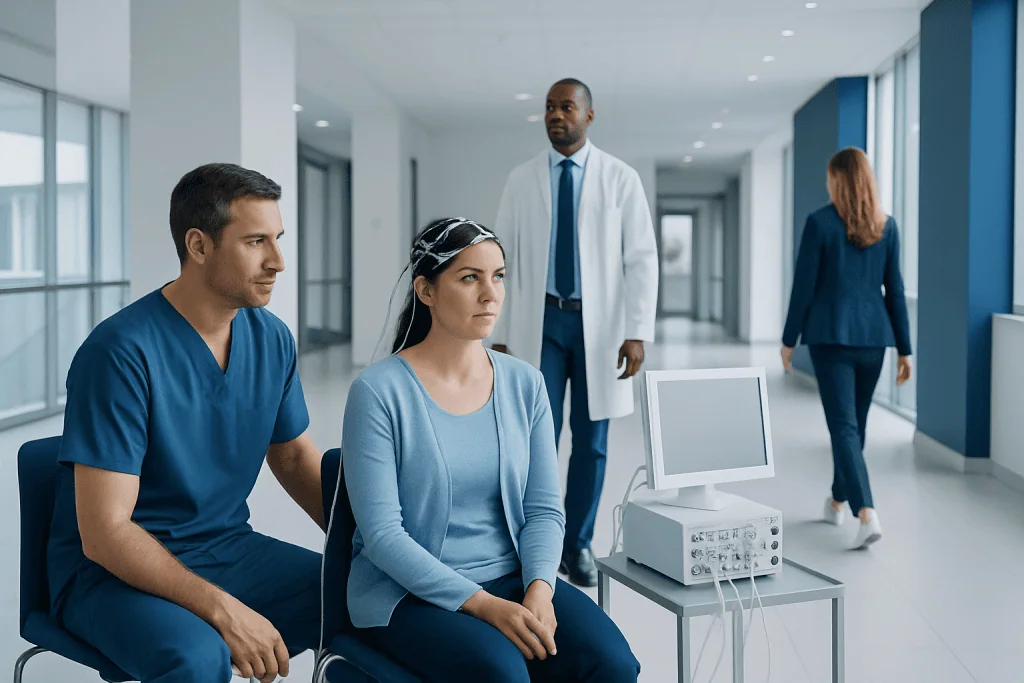
Clinical neurophysiology measures the function of the nervous system rather than only its structure. Common tests include EEG, EMG, nerve conduction studies, evoked potentials, and sleep-related recordings.
Key Takeaways
- Clinical neurophysiology measures the function of the nervous system rather than only its structure.
- Common tests include EEG, EMG, nerve conduction studies, evoked potentials, and sleep-related recordings.
- These tests can help assess seizures, neuropathy, muscle disorders, movement problems, sleep disorders, and unexplained weakness or numbness.
- A clinical neurophysiologist usually works closely with neurologists, neurosurgeons, rehabilitation teams, and other specialists.
- Most neurophysiology tests are outpatient procedures and are generally safe and well tolerated.
- Test results are interpreted together with symptoms, examination findings, and imaging when needed.
Clinical neurophysiology is a medical subspecialty that studies how the brain, spinal cord, nerves, and muscles work. It uses specialized tests to help explain symptoms, support diagnosis, and guide treatment for many neurological conditions.
Overview: What clinical neurophysiology means
Clinical neurophysiology is the branch of medicine that evaluates how the nervous system functions in real time. Rather than focusing only on anatomy, it measures electrical activity in the brain, spinal cord, peripheral nerves, and muscles. This can help doctors understand why a person is having symptoms such as seizures, weakness, numbness, tingling, muscle twitching, balance problems, or episodes of altered awareness.
It is both a diagnostic specialty and a support service for many areas of care. Clinical neurophysiology often works alongside neurology, neurosurgery, sleep medicine, rehabilitation, intensive care, pediatrics, and pain medicine. The goal is to provide objective information that complements the medical history, neurological examination, laboratory tests, and scans such as MRI or CT.
Because the nervous system is complex, symptoms do not always point to a single cause. A neurophysiology test can help localize where a problem may be occurring, show how severe it is, and sometimes suggest whether it is likely to be temporary, chronic, inherited, inflammatory, or related to injury. In many cases, this helps doctors choose the next steps in treatment or monitoring.
Common tests used in clinical neurophysiology
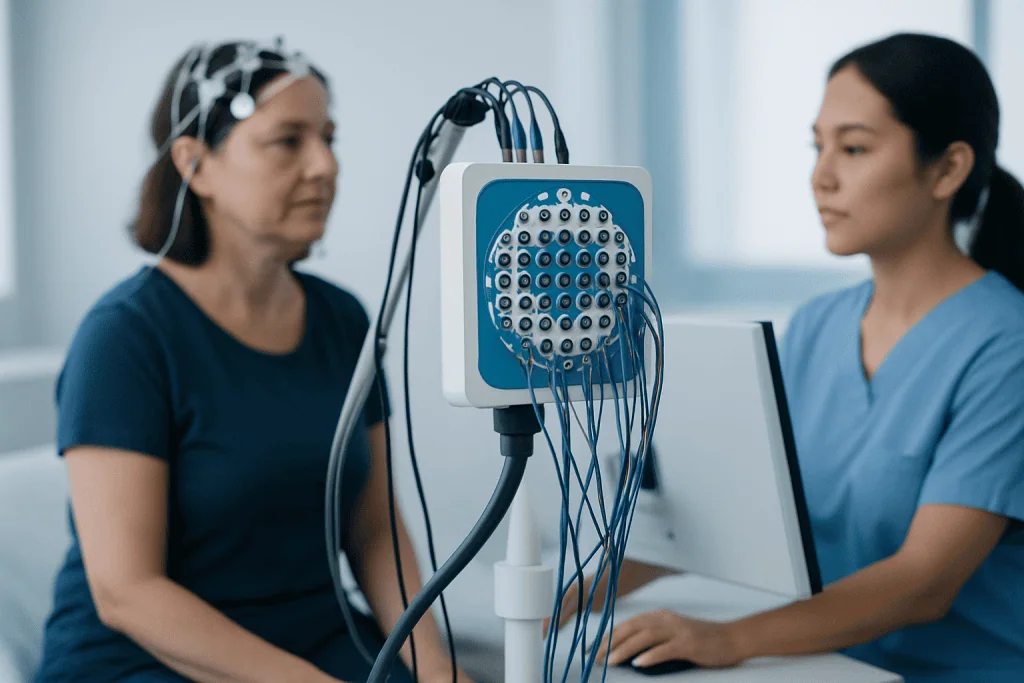
Several different tests are used depending on the symptoms and the part of the nervous system being assessed. An electroencephalogram, or EEG, records electrical activity from the brain using small sensors placed on the scalp. It is commonly used when doctors are evaluating seizures, episodes of staring, blackouts, confusion, or other changes in awareness. EEG may also be used in sleep studies and in hospital monitoring.
Electromyography, or EMG, and nerve conduction studies assess muscles and peripheral nerves. During nerve conduction studies, small electrical impulses are applied to a nerve to measure how quickly and effectively signals travel. During EMG, a very fine needle electrode is inserted into selected muscles to record their electrical activity at rest and during movement. These tests are often used for numbness, tingling, weakness, muscle cramps, or suspected nerve compression.
Evoked potentials measure how the nervous system responds to visual, sound, or sensory stimulation. They can provide information about pathways from the eyes, ears, or limbs to the brain. Other recordings may include sleep studies, autonomic testing, intraoperative neurophysiological monitoring during surgery, and prolonged video EEG monitoring. The exact combination of tests depends on the clinical question, and not every patient needs every study.
- EEG: brain wave recording
- EMG: muscle electrical activity assessment
- Nerve conduction studies: peripheral nerve signal testing
- Evoked potentials: sensory pathway evaluation
- Sleep and autonomic tests: assessment of sleep disorders and automatic body functions
What symptoms and conditions these tests help evaluate
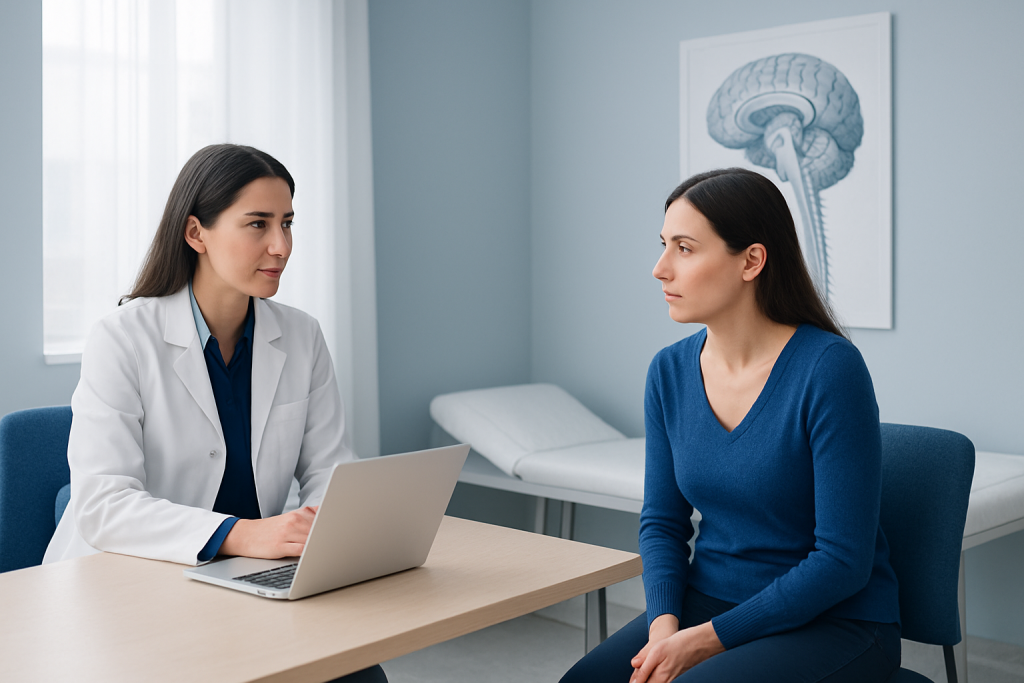
Clinical neurophysiology helps evaluate a wide range of symptoms. These include seizures, fainting-like episodes, memory lapses, sleep-related events, persistent headaches with unusual neurological features, weakness, numbness, burning pain, balance difficulties, tremor, muscle stiffness, twitching, and unexplained fatigue. In children, it may also be used to assess developmental concerns, unusual movements, or suspected seizure disorders.
EEG is especially useful when epilepsy is suspected, although a normal EEG does not always rule it out. EMG and nerve conduction studies are often requested for suspected peripheral neuropathy, carpal tunnel syndrome, radiculopathy, motor neuron disorders, or muscle disease. Depending on the situation, these tests may support the evaluation of conditions such as epilepsy, neuromuscular junction disorders, inflammatory neuropathies, and some inherited nerve or muscle conditions.
Neurophysiology can also be valuable in monitoring established disease. For example, it may help follow progression, recovery after nerve injury, or response to treatment in selected cases. In surgical settings, intraoperative monitoring may help protect important nerve pathways during operations involving the brain, spine, or peripheral nerves. Even when the final diagnosis comes from multiple sources, neurophysiology often provides key functional information that other tests cannot show.
The role of a clinical neurophysiology specialist
A clinical neurophysiology specialist is a doctor with advanced training in recording and interpreting tests of the nervous system. In many healthcare systems, this specialist is also trained in neurology or a related field. Their role is not simply to perform technical tests, but to decide which study is appropriate, interpret the results accurately, and relate those findings to the patient’s symptoms and examination.
These specialists often work as part of a multidisciplinary team. They may collaborate with neurologists evaluating seizures or neuropathy, neurosurgeons planning procedures, rehabilitation physicians managing nerve injuries, sleep specialists assessing abnormal nighttime events, and pediatric teams caring for children with developmental or seizure-related concerns. This teamwork helps ensure that results are interpreted in the right clinical context.
Specialists in clinical neurophysiology also help determine when additional testing is needed. In some cases, neurophysiology findings may suggest that imaging, blood tests, genetic testing, or referral to another specialist would be useful. For patients, this means the test is one step in a broader assessment rather than a stand-alone answer. Near the end of the care pathway, a center such as Acibadem International may coordinate this work through multidisciplinary specialists and JCI-accredited hospitals for international patients.
How diagnosis is made and how to prepare for testing
Diagnosis in neurophysiology begins with a careful history and neurological examination. The doctor will ask about the pattern of symptoms, when they started, what triggers them, whether they are getting worse, and whether there are relevant medical conditions such as diabetes, thyroid disease, autoimmune illness, recent infection, trauma, or family history of neurological disorders. This background helps guide which test is likely to be most informative.
Preparation depends on the study. For EEG, patients are often advised to arrive with clean, dry hair and to avoid heavy hair products because these can interfere with electrode contact. For EMG and nerve conduction studies, it is usually helpful to avoid lotions or oils on the skin. Comfortable clothing may make the process easier. Patients should tell the healthcare team about implanted devices, bleeding disorders, or medicines such as blood thinners, since this may affect planning for a needle EMG.
Most tests are done on an outpatient basis. EEG is painless, though keeping still can be tiring during longer recordings. Nerve conduction studies involve brief electrical pulses that may feel uncomfortable but are usually tolerable. EMG uses small needle electrodes and can cause temporary discomfort in the tested muscles. Results may be discussed on the same day in some centers, while a full report is often sent to the referring doctor after detailed interpretation.
How results guide treatment options
Clinical neurophysiology does not treat disease by itself, but it plays an important role in choosing treatment. If EEG findings support a seizure disorder, the care team may discuss medicines, safety measures, and further evaluation, including epilepsy treatment planning when appropriate. If EMG or nerve conduction studies show nerve compression, the doctor may recommend splinting, physical therapy, workplace or posture adjustments, injections, or in selected cases surgery.
When tests suggest a generalized nerve disorder, treatment focuses on the cause whenever possible. This may include improving blood sugar control, correcting vitamin deficiencies, addressing autoimmune inflammation, managing thyroid disease, or reviewing medicines that can affect nerves or muscles. In muscle disorders or neuromuscular junction conditions, neurophysiology helps direct the patient toward the right specialist and next investigations.
Sometimes neurophysiology also helps determine urgency. For example, rapidly progressive weakness, severe nerve injury, or concerning seizure activity may prompt faster treatment or hospital-based monitoring. In other situations, the test may provide reassurance by showing no major nerve or muscle damage. For structural causes affecting the spine or brain, additional pathways such as neurosurgery or spine surgery may be considered only when clinically indicated after specialist review.
Prevention, self-care, and when to see a doctor
Not all neurological conditions can be prevented, but healthy habits can support nerve and brain health. Good control of long-term conditions such as diabetes and high blood pressure is important. Adequate sleep, regular physical activity, balanced nutrition, moderation with alcohol, and avoiding smoking can all help reduce some risk factors for nerve and vascular problems. Protecting the body from repetitive strain and seeking early care for persistent pain or numbness may also lower the chance of prolonged nerve irritation.
It is sensible to seek medical advice if symptoms such as weakness, numbness, balance problems, muscle wasting, tremor, blackout episodes, or unusual spells keep recurring or begin to interfere with daily life. New symptoms should be discussed especially when they are one-sided, progressive, or associated with falls, speech difficulty, or changes in awareness. A doctor can decide whether neurophysiology testing, brain imaging, or referral to a specialist is needed.
Urgent medical care is important for sudden severe weakness, facial drooping, loss of speech, prolonged seizure activity, serious head injury, or sudden confusion. These symptoms are not typical situations to monitor at home. Early assessment can help identify time-sensitive conditions and support safer treatment decisions.
Frequently asked questions
Is clinical neurophysiology the same as neurology?
No. Neurology is the broader medical specialty that diagnoses and treats disorders of the nervous system, while clinical neurophysiology focuses on tests that measure nervous system function. The two specialties often work closely together.
Are EEG and EMG painful?
EEG is usually painless because it uses sensors placed on the scalp. EMG can cause temporary discomfort because it involves very fine needle electrodes, and nerve conduction studies may feel like brief electrical taps.
How long do neurophysiology tests take?
It depends on the test. A routine EEG may take less than an hour, while EMG and nerve conduction studies can vary based on how many nerves and muscles need assessment. Longer studies, such as video EEG or sleep recordings, may take several hours or overnight.
Can a normal test result still mean there is a problem?
Sometimes, yes. A normal result does not always rule out a neurological condition, especially if symptoms are intermittent or very early. Doctors interpret the result together with the person’s history, examination, and any other tests.
Why would a doctor order both imaging and neurophysiology tests?
These tests answer different questions. Imaging such as MRI shows structure, while neurophysiology shows how nerves, muscles, or the brain are functioning. Using both can give a more complete picture.
Do children have neurophysiology tests too?
Yes. Children may have EEG, evoked potentials, or other studies when doctors are assessing seizures, developmental concerns, or unusual movements. Pediatric testing is adapted to the child’s age and comfort as much as possible.
References
- World Health Organization
- American Clinical Neurophysiology Society
- National Institute of Neurological Disorders and Stroke
- International League Against Epilepsy
- National Institute for Health and Care Excellence
This article is for general information only and is not a substitute for professional medical advice. Please consult a qualified doctor about your individual situation.
Clinical Neurophysiology in Turkey — costs, top hospitals & a free quote
JCI-accredited · board-certified surgeons · reply within 24h
Add us as a Preferred Source to see more of our trusted health content across Google Search, AI Overviews and Discover.

Neurology
Diagnosis and treatment of disorders of the brain, spinal cord, nerves and muscles.
51 specialists in this unit