What Does a Neurophysiologist Do? Tests, Training, and When You May Be Referred

A neurophysiologist focuses on how the nervous system works, often by performing and interpreting electrical function tests. Common neurophysiology tests include EEG, EMG, nerve conduction studies, evoked potentials, and sleep-related testing.
Key Takeaways
- A neurophysiologist focuses on how the nervous system works, often by performing and interpreting electrical function tests.
- Common neurophysiology tests include EEG, EMG, nerve conduction studies, evoked potentials, and sleep-related testing.
- People may be referred for symptoms such as seizures, weakness, numbness, tingling, muscle cramps, or unexplained fainting episodes.
- Neurophysiologists work closely with neurologists, neurosurgeons, rehabilitation specialists, and other doctors.
- Testing is usually outpatient, and many neurophysiology procedures are safe, well tolerated, and do not require surgery.
A neurophysiologist is a doctor who evaluates how the brain, spinal cord, nerves, and muscles are functioning. They use specialized tests to help diagnose conditions that affect movement, sensation, sleep, seizures, and nerve signaling.
Overview: What a Neurophysiologist Does
A neurophysiologist is a physician who studies and evaluates the function of the nervous system. This includes the brain, spinal cord, peripheral nerves, muscles, and the pathways that carry electrical signals through the body. While imaging tests such as MRI or CT scans show structure, neurophysiology tests show how well these systems are actually working.
In daily practice, a neurophysiologist helps investigate symptoms such as seizures, unexplained blackouts, numbness, tingling, weakness, muscle twitching, tremor, balance problems, sleep disturbances, or suspected nerve injury. Their role is to perform or supervise specialized tests, interpret the results, and explain what those findings may suggest.
Neurophysiologists often work as part of a wider team. They may collaborate with neurologists, neurosurgeons, pediatric specialists, sleep physicians, rehabilitation experts, and pain specialists. This teamwork helps connect test findings with a person’s symptoms, examination, and overall medical history so that diagnosis and treatment planning are as accurate as possible.
How Neurophysiology Differs From Neurology
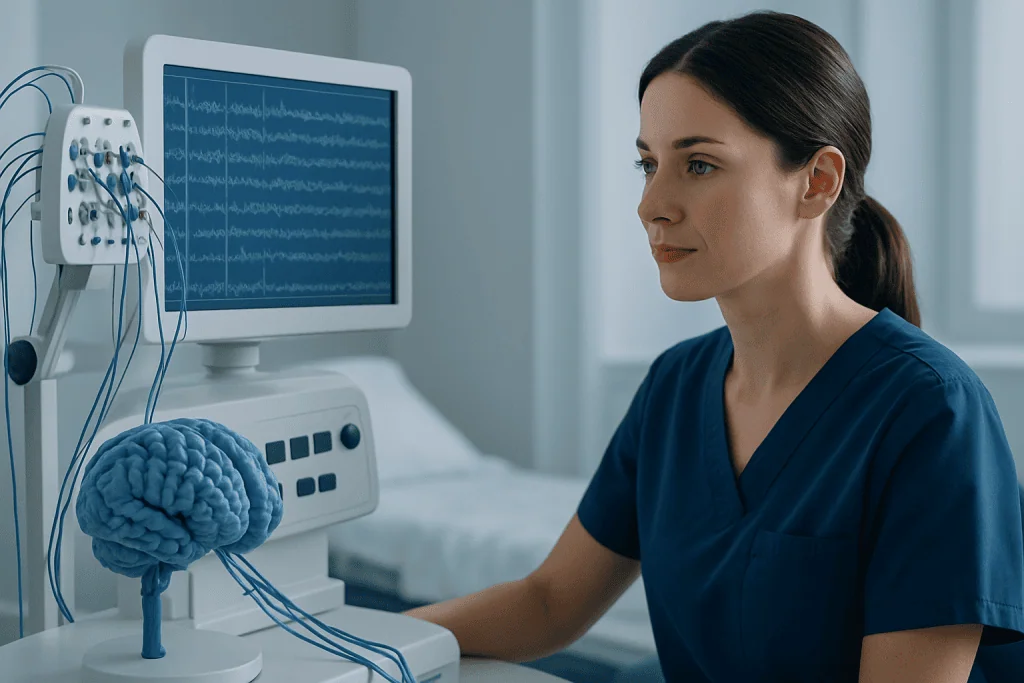
Neurology and neurophysiology are closely related, but they are not exactly the same. A neurologist usually focuses on diagnosing and treating disorders of the nervous system through clinical assessment, medication management, and long-term care. A neurophysiologist focuses more specifically on functional testing of nerves, muscles, the brain, and related pathways.
In many hospitals, the same doctor may be trained in both neurology and clinical neurophysiology. In other settings, a neurophysiologist may receive a referral from a neurologist or another specialist when more detailed testing is needed. For example, a person with suspected epilepsy may need an EEG, while someone with hand numbness may need EMG and nerve conduction studies to look for a nerve compression problem.
This does not mean a neurophysiologist treats only rare or severe disease. In fact, they often help assess common conditions such as carpal tunnel syndrome, peripheral neuropathy, sleep-related movement disorders, or suspected epilepsy. Their work can also support diagnosis in conditions involving muscle weakness or nerve damage, including disorders related to the spine or chronic illnesses such as diabetes.
Tests a Neurophysiologist May Perform
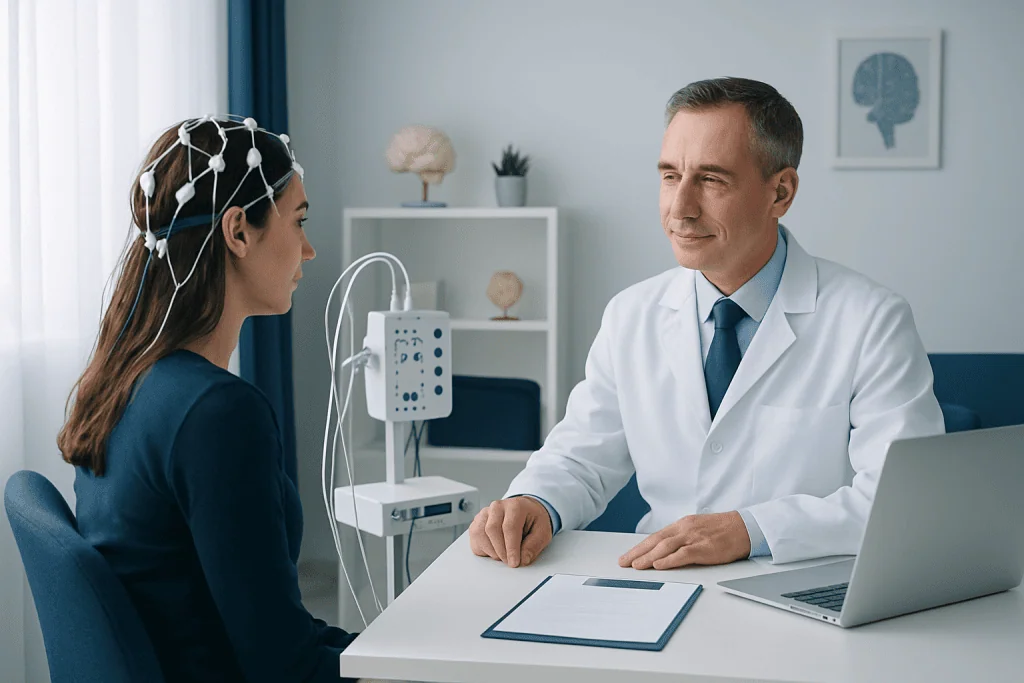
Neurophysiology tests measure electrical activity in the brain, nerves, or muscles. The exact test depends on the symptoms being investigated. Most tests are done as outpatient procedures and do not require anesthesia, although some may cause temporary discomfort.
Common tests include:
- Electroencephalogram (EEG): records electrical activity in the brain. It is often used when evaluating seizures, fainting episodes, periods of confusion, or unusual movements. It may also help in sleep assessments, such as EEG testing.
- Electromyography (EMG): measures electrical activity in muscles, usually with a fine needle electrode. It can help assess muscle disorders, nerve injury, or diseases affecting communication between nerves and muscles.
- Nerve conduction studies: measure how quickly and effectively electrical signals travel through peripheral nerves. These tests are often used for numbness, tingling, weakness, or suspected entrapment neuropathies.
- Evoked potentials: assess how the nervous system responds to visual, sound, or sensory stimulation. They may be useful in selected disorders affecting nerve pathways.
- Sleep studies and related monitoring: some neurophysiology services also contribute to evaluations for abnormal movements in sleep, suspected seizures during sleep, or other disorders assessed through sleep studies.
Some neurophysiologists also assist with intraoperative monitoring during surgery. In this setting, the nervous system is monitored in real time to help surgeons protect important brain, spinal cord, or nerve pathways during certain procedures. This work can be especially relevant in complex spine or brain operations.
Training and Expertise
Becoming a neurophysiologist usually requires extensive medical training. In many countries, this path begins with medical school, followed by residency training in neurology or a related field, and then additional fellowship or subspecialty training in clinical neurophysiology. Some neurophysiologists focus mainly on adult care, while others specialize in pediatrics, epilepsy, neuromuscular medicine, sleep medicine, or surgical monitoring.
Because neurophysiology depends on careful interpretation, training emphasizes both technical skill and clinical reasoning. A neurophysiologist must understand how to perform or supervise tests correctly, recognize normal and abnormal patterns, and correlate the results with a person’s symptoms and examination findings. This is important because test results rarely stand alone; they need to be interpreted in the right medical context.
Many also continue professional education throughout their careers. New techniques, updated guidelines, and better understanding of nervous system disorders continue to refine how tests are used. For patients, this means a neurophysiologist brings highly focused expertise to problems involving nerve signaling, muscle activity, seizures, sleep-related events, and functional disorders of the nervous system.
When Someone May Be Referred
A referral to a neurophysiologist usually happens when a doctor needs more information about how the nervous system is functioning. This may be after symptoms are reviewed in primary care, emergency care, neurology, orthopedics, rehabilitation, or another specialty clinic. The goal is often to clarify a diagnosis, confirm the source of symptoms, or help guide treatment decisions.
Common reasons for referral include:
- Seizures or episodes that may resemble seizures
- Unexplained fainting, blackouts, or spells of confusion
- Numbness, tingling, burning, or loss of sensation
- Muscle weakness, muscle wasting, cramps, or twitching
- Neck or back symptoms with suspected nerve involvement
- Suspected nerve compression, such as carpal tunnel syndrome
- Balance problems or abnormal movements
- Sleep-related movements or unusual nighttime events
In some cases, neurophysiology is used to help distinguish between conditions that can look similar. For example, EMG and nerve conduction studies may help tell the difference between muscle disease, peripheral nerve disease, and nerve root problems from the spine. Likewise, EEG may help separate epileptic seizures from other events, although results are always considered alongside symptoms and clinical history.
People with conditions such as suspected Parkinson’s disease or chronic nerve pain may also see multiple specialists, and neurophysiology can sometimes add useful functional information. Not every neurological symptom requires neurophysiology testing, but it can be very valuable when the cause is uncertain or when treatment planning depends on clearer answers.
What to Expect During Diagnosis and Testing
Before testing, the neurophysiologist or team usually reviews symptoms, medical history, medications, and any previous scans or blood tests. Patients may be asked when symptoms started, whether they come and go, what makes them better or worse, and whether there is any family history of neurological disease. This information helps determine which test is most appropriate.
The experience depends on the test itself. During an EEG, small sensors are placed on the scalp to record brain activity; the test is painless. During nerve conduction studies, brief electrical pulses are delivered to nerves through surface electrodes, which can feel unusual or mildly uncomfortable. During EMG, a fine needle electrode is inserted into selected muscles to assess activity at rest and with movement.
Results are interpreted in context, and a single test does not always give a complete answer. Sometimes findings clearly point to a diagnosis, such as a compressed median nerve in the wrist or an abnormal brain-wave pattern that supports seizure evaluation. In other cases, results may be normal, borderline, or nonspecific, meaning further assessment is needed. Depending on the situation, a doctor may also recommend imaging, blood tests, or consultation for neurology evaluation or MRI scanning.
How Results Help Guide Treatment
A neurophysiologist does not simply produce test results; the findings often help shape the next steps in care. For example, nerve conduction studies may confirm a compression neuropathy and support splinting, rehabilitation, or surgical referral. EEG findings may help a neurology team classify seizure types more accurately and choose appropriate treatment. EMG may clarify whether weakness comes from muscle disease, nerve damage, or a problem at the nerve root.
Treatment itself depends on the underlying cause. Some people may need medication, physical therapy, occupational therapy, sleep treatment, pain management, or surgery. Others may only need monitoring and follow-up if symptoms are mild or the cause is not progressive. Neurophysiology helps make these decisions more informed and personalized.
In more complex cases, testing may be repeated over time to look for change. This can be helpful when symptoms evolve, when a diagnosis remains uncertain, or when a doctor wants to see whether treatment is improving nerve or muscle function. Near the end of the diagnostic journey, care is often coordinated across several specialties. Acibadem International’s multidisciplinary specialists and JCI-accredited hospitals also diagnose and treat neurological and neurophysiological conditions for international patients.
Preparing for an Appointment and When to Seek Medical Advice
Patients can often make their appointment more productive by bringing a list of symptoms, current medications, and previous test results if available. It helps to note when symptoms occur, how long they last, and whether they affect sleep, work, walking, or daily tasks. For some tests, patients may receive specific instructions, such as arriving with clean skin and hair and avoiding lotions or oils.
It is sensible to seek medical advice if there are repeated blackouts, suspected seizures, progressive weakness, persistent numbness, severe balance problems, or symptoms that interfere with everyday life. New neurological symptoms should not be ignored, especially if they are worsening. Prompt evaluation can help identify treatable causes and reduce uncertainty.
Emergency care is important for sudden weakness on one side, facial drooping, trouble speaking, sudden loss of vision, a severe new headache, or prolonged loss of consciousness. These symptoms may signal an urgent neurological problem and need immediate attention. For non-emergency concerns, a qualified doctor can decide whether referral to a neurophysiologist is appropriate.
Frequently asked questions
Is a neurophysiologist the same as a neurologist?
Not exactly. A neurologist broadly diagnoses and treats nervous system disorders, while a neurophysiologist focuses on tests that measure how the brain, nerves, and muscles function. In some settings, one doctor may be trained in both areas.
What symptoms might lead to a neurophysiology referral?
Common reasons include seizures, unexplained blackouts, numbness, tingling, weakness, muscle twitching, tremor, or sleep-related events. A referral may also be helpful when doctors need to distinguish between nerve, muscle, brain, or spinal causes of symptoms.
Are neurophysiology tests painful?
Many are well tolerated, though the sensation varies by test. EEG is painless, while nerve conduction studies may cause brief mild discomfort and EMG may feel uncomfortable because it uses a fine needle in selected muscles. Most tests are short and done without surgery.
How should a patient prepare for EEG or EMG testing?
Preparation depends on the test and the clinic’s instructions. In general, patients may be asked to arrive with clean skin or hair and avoid creams, oils, or lotions. It is also helpful to bring medication lists and details about symptoms.
Can neurophysiology tests diagnose every neurological condition?
No single test can diagnose every condition. Neurophysiology tests are most useful when combined with medical history, physical examination, and sometimes imaging or laboratory tests. Normal results can still be important and may help rule out certain problems.
How long does it take to get results?
This depends on the test and the healthcare facility. Some findings can be discussed soon after the procedure, while a full report may take longer because careful interpretation is needed. The referring doctor usually explains what the results mean for treatment or follow-up.
References
- World Health Organization
- National Institute of Neurological Disorders and Stroke
- American Clinical Neurophysiology Society
- International League Against Epilepsy
- National Institute for Health and Care Excellence
This article is for general information only and is not a substitute for professional medical advice. Please consult a qualified doctor about your individual situation.
Joint and spine care in Turkey — expert assessment & treatment
JCI-accredited · board-certified surgeons · reply within 24h
Add us as a Preferred Source to see more of our trusted health content across Google Search, AI Overviews and Discover.

More from the Health Library


Related Specialists

Fzt. Mehmet Yakupçebioğlu
Physical Medicine & Rehabilitation
Dt. Bilge Baş
Oral & Dental Health
Dt. Müge Tirali Türkkan
Oral & Dental Health
Dr. Barış Gıakoup
Emergency Service