Headache Medicine: When a Second Opinion Can Change Treatment

Many headaches are treatable, but the best plan depends on the correct diagnosis. A second opinion can be helpful if symptoms change, treatments fail, or side effects are difficult.
Key Takeaways
- Many headaches are treatable, but the best plan depends on the correct diagnosis.
- A second opinion can be helpful if symptoms change, treatments fail, or side effects are difficult.
- Headache evaluation may include a detailed history, neurological exam, and sometimes imaging or other tests.
- Overuse of pain-relief medicines can worsen headaches in some people.
- Treatment often combines medication, trigger management, sleep, hydration, and stress reduction.
A second opinion in headache medicine can help when headaches are frequent, severe, changing, or not responding to treatment. It may clarify the diagnosis, uncover triggers or related conditions, and open the door to a more suitable treatment plan.
Overview
Headache medicine focuses on finding the cause of headache symptoms and matching treatment to the specific headache type. This matters because “headache” is not one single condition. A person may have migraine, tension-type headache, cluster headache, cervicogenic headache, medication-overuse headache, or a headache linked to another medical problem. When the diagnosis is uncertain, treatment may be less effective than expected.
A second opinion can be especially valuable when headaches are frequent, disabling, or different from past episodes. Another clinician may review the pattern of symptoms, current medicines, lifestyle factors, and previous test results with fresh eyes. In some cases, the second opinion confirms the original diagnosis. In others, it leads to a more precise explanation and a better-tailored plan.
Seeking another opinion does not mean something is seriously wrong, and it does not mean the first doctor was mistaken. Headaches can be complex and may evolve over time. A careful re-evaluation can help identify overlooked triggers, coexisting conditions, or treatment side effects that may be keeping symptoms active.
When a Second Opinion Can Make a Difference
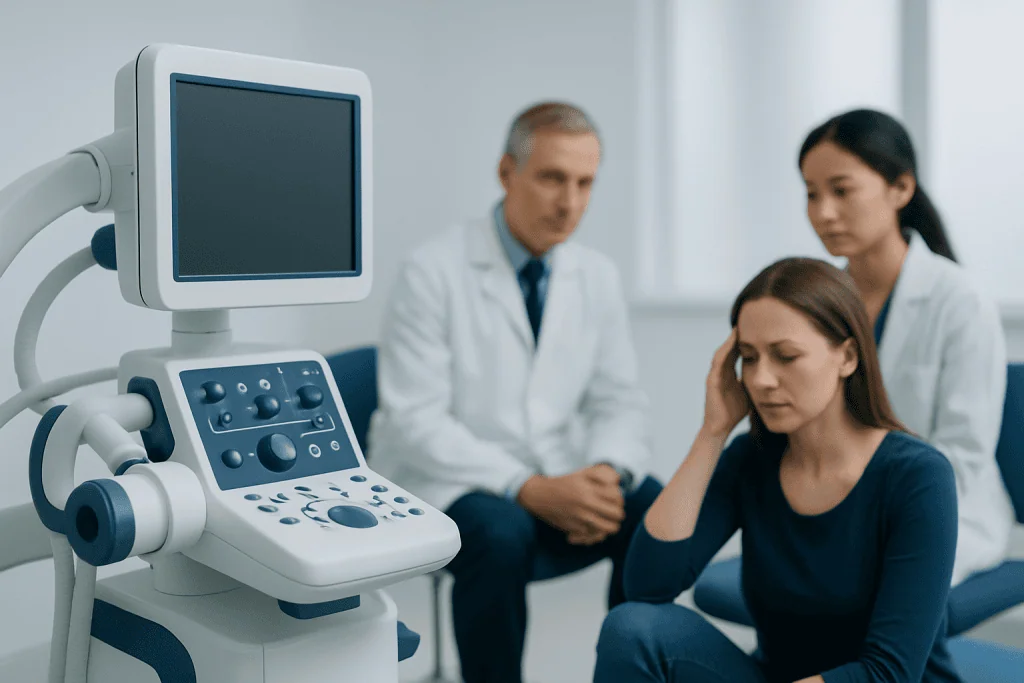
A second opinion may help when headaches do not improve despite following treatment, when medicines cause troublesome side effects, or when headaches become more frequent. It can also be useful if the diagnosis is unclear or if different doctors have suggested different explanations. For people whose daily life, work, sleep, or mood is being affected, specialist input may help organize the next steps.
It is often reasonable to seek another evaluation if headaches have changed in character. Examples include pain becoming stronger, lasting longer, occurring at new times of day, or appearing with new symptoms such as visual changes, dizziness, numbness, or neck pain. A doctor may then reconsider whether the problem is migraine, another primary headache disorder, or a secondary headache that needs separate treatment.
Another common reason is concern about medication overuse. People who take pain relievers or acute migraine medicines too often may develop more frequent headaches. This can create a difficult cycle in which the medicine used for relief begins to contribute to the problem. A second opinion can help recognize this pattern and outline a safer approach.
- Headaches occurring many days each month
- New or changing symptoms
- Poor response to treatment
- Side effects that limit daily life
- Questions about diagnosis, imaging, or next-line therapies
Symptoms and Headache Patterns Doctors Review

Headache specialists pay close attention to pattern recognition. They often ask where the pain starts, whether it throbs or presses, how intense it feels, how long it lasts, and what other symptoms happen at the same time. Nausea, light sensitivity, sound sensitivity, visual aura, nasal congestion, tearing, scalp tenderness, or neck stiffness may all help narrow the diagnosis.
Timing also matters. Some headaches happen around menstruation, after poor sleep, during stress, after alcohol, or with missed meals. Others may be linked to exercise, coughing, positional change, or prolonged screen use. A headache diary can be very useful because it shows frequency, duration, triggers, and medication use over several weeks.
Doctors also review warning signs. These can include a sudden very severe headache, headache after head injury, fever, confusion, weakness, seizures, headache with cancer or immune suppression, or a new headache in older age. These features do not always signal a dangerous problem, but they do require timely medical assessment to rule out serious causes.
Causes, Triggers, and Risk Factors
Primary headache disorders arise from headache conditions themselves rather than another disease. The best-known example is migraine, which may involve sensitivity in brain pathways that process pain and sensory information. Tension-type headaches may feel like a tight band or pressure. Cluster headache is less common but can cause severe one-sided pain, often around the eye, with tearing or nasal symptoms.
Secondary headaches happen because of another issue, such as sinus disease, infection, head injury, dehydration, uncontrolled blood pressure, sleep problems, jaw disorders, or rarely a structural brain problem. Some people with repeated headaches may also have overlap between conditions, such as migraine plus neck-related pain or poor sleep. This is one reason a fresh review can be useful.
Risk factors vary by headache type but often include stress, irregular sleep, dehydration, skipped meals, caffeine changes, hormonal shifts, and family history. Depression, anxiety, and chronic pain can also influence how often headaches occur and how strongly they are felt. In addition, frequent use of over-the-counter pain relievers or migraine rescue medicines can contribute to medication-overuse headache in some individuals.
Triggers do not always cause a headache by themselves; often they lower the body’s threshold on a vulnerable day. For example, mild dehydration plus stress plus poor sleep may be enough to bring on symptoms. Understanding this pattern can make treatment more practical and personalized.
How Diagnosis Is Confirmed
Diagnosis begins with a detailed medical history and a neurological examination. The doctor asks about current symptoms, past headache history, family history, existing health conditions, and all medicines and supplements being taken. Prior scans, blood tests, emergency visits, and treatment trials are also reviewed. This often provides the most important clues.
Not every person with headaches needs imaging. Brain MRI or CT may be recommended when symptoms are new, atypical, progressively worsening, or linked with neurological findings or other red flags. Depending on the situation, additional tests may be used to look for inflammation, infection, sleep disorders, eye problems, or other contributing conditions. The goal is to rule out serious causes while avoiding unnecessary testing.
A second opinion can be helpful in deciding whether more testing is actually needed. Sometimes the most useful next step is not another scan but a clearer classification of the headache type. For example, a patient thought to have “sinus headaches” may turn out to have migraine, while another person may need evaluation for a structural brain condition because of specific warning signs. Careful diagnosis helps direct the right treatment instead of repeated trial and error.
Treatment Options After a Second Opinion
Treatment depends on the diagnosis and how often headaches occur. Many plans include acute treatment, used at the start of a headache, and preventive treatment, used regularly to reduce frequency and severity. A second opinion may adjust the medicine choice, timing, or diagnosis-based strategy. It may also identify when a person is using acute medication too often and needs a supervised reset.
For migraine and some other headache disorders, options can include lifestyle measures, prescription medicines, and targeted procedures in selected patients. Some people benefit from reviewing whether they need a structured neurology evaluation to refine diagnosis and coordinate ongoing care. Others with chronic migraine may be considered for approaches such as Botox treatment when clinically appropriate and recommended by their specialist.
If headaches are linked to neck pain, posture, or muscle tension, physical therapy and ergonomic changes may be part of the plan. If sleep issues, anxiety, depression, or jaw clenching are contributing, those factors may also need treatment. In selected cases with persistent or unusual symptoms, doctors may recommend further MRI imaging or other tests to complete the evaluation.
The best results often come from a combined approach rather than a single medicine. This may include trigger management, regular meals, hydration, sleep improvement, stress reduction, and follow-up to see whether the plan is working. Treatment should always be individualized, especially during pregnancy, older age, or when multiple health conditions are present.
Prevention and Self-care
Self-care plays an important role in headache medicine. Keeping a regular sleep schedule, drinking enough fluids, eating balanced meals without long gaps, and limiting excessive caffeine can reduce headache burden for many people. Moderate physical activity and stress-management practices may also help lower the chance of attacks.
A headache diary is one of the simplest and most helpful tools. Recording the date, time, pain severity, associated symptoms, suspected triggers, and medicines taken can reveal patterns that are easy to miss day to day. This information makes medical visits more productive and can help prevent unnecessary changes in treatment.
People should be cautious about frequent self-treatment with pain relievers. While these medicines can be useful, regular overuse may worsen headaches over time. Anyone needing acute medicine often should discuss this with a qualified doctor rather than simply increasing the dose or frequency on their own.
Near the end of the care journey, some patients also benefit from coordinated specialist review. Acibadem International’s multidisciplinary specialists and JCI-accredited hospitals diagnose and treat headache disorders for international patients when further evaluation is needed.
When to See a Doctor
Medical advice is appropriate for headaches that are frequent, severe, disruptive, or new. A doctor should also review headaches that are no longer responding to usual treatment, are associated with repeated vomiting, or interfere with work, school, or sleep. Even when headaches have been present for years, a meaningful change in pattern is a reason to seek reassessment.
Urgent medical attention is important for a sudden explosive headache, headache with fainting, seizure, confusion, weakness, trouble speaking, high fever, or after significant head trauma. The same applies to headache with vision loss or symptoms suggesting a stroke or serious infection. These symptoms do not always indicate a dangerous cause, but they should not be ignored.
For non-emergency concerns, bringing a headache diary, medication list, and copies of previous test results can make a second-opinion visit much more helpful. The aim is to understand the pattern clearly, reduce unnecessary suffering, and create a treatment plan that is both safe and realistic.
Frequently asked questions
Why would someone need a second opinion for headaches?
A second opinion can help when headaches are hard to diagnose, not improving, or changing over time. It may confirm the original plan or suggest a different headache type and a more suitable treatment approach.
Can a second opinion change headache treatment?
Yes. Another doctor may identify medication overuse, missed triggers, related conditions, or a different diagnosis such as migraine instead of sinus headache. That can lead to changes in acute treatment, preventive treatment, or lifestyle strategies.
Do all headaches need brain imaging?
No. Many common headache disorders can be diagnosed from the history and examination alone. Imaging is usually reserved for red flags, new neurological symptoms, unusual patterns, or worsening headaches.
What should a patient bring to a headache specialist visit?
It is helpful to bring a headache diary, a list of all medicines and supplements, and copies of previous scans or test results if available. Notes about triggers, sleep, menstrual timing, caffeine use, and side effects can also be useful.
Can taking too much headache medicine make headaches worse?
Yes, in some people frequent use of pain-relief or rescue medicines can lead to medication-overuse headache. A doctor can help determine whether this is happening and guide a safer treatment plan.
Are lifestyle changes really important in headache medicine?
Yes. Regular sleep, hydration, meals, stress management, and trigger awareness can make a meaningful difference, especially when combined with medical treatment. Lifestyle steps are usually supportive, not a replacement for proper diagnosis.
References
- World Health Organization
- International Headache Society
- American Headache Society
- National Institute of Neurological Disorders and Stroke
- Mayo Clinic
This article is for general information only and is not a substitute for professional medical advice. Please consult a qualified doctor about your individual situation.
Headache Medicine in Turkey — costs, top hospitals & a free quote
JCI-accredited · board-certified surgeons · reply within 24h
Add us as a Preferred Source to see more of our trusted health content across Google Search, AI Overviews and Discover.
Check your numbers in seconds
BMI, calories, due date, blood pressure and 30+ more clinical calculators — free, instant, doctor-reviewed ranges.

Neurology
Diagnosis and treatment of disorders of the brain, spinal cord, nerves and muscles.
51 specialists in this unit