How Long Does a Titanium Knee Replacement Last?

Many titanium knee replacements function well for 15-20 years or longer. The implant is usually made from a combination of materials, not pure titanium alone.
Key Takeaways
- Many titanium knee replacements function well for 15-20 years or longer.
- The implant is usually made from a combination of materials, not pure titanium alone.
- Weight management, low-impact exercise, and follow-up care can help protect the new joint.
- Pain, swelling, instability, or reduced function years later may suggest wear or loosening.
- Revision surgery is possible if a knee replacement eventually wears out or fails.
A titanium knee replacement often lasts 15 to 20 years or more, and many continue working well beyond that. Its lifespan depends on several factors, including implant materials, surgical technique, body weight, activity level, and overall joint health.
Overview
When people ask how long a titanium knee replacement lasts, the short answer is that many last 15 to 20 years or longer. Modern knee replacements are designed to be durable, and improvements in implant materials, engineering, and surgical techniques have helped extend their lifespan. For some patients, the joint continues to work well for much longer, especially when the implant is well positioned and the knee is cared for over time.
It is also helpful to know that a so-called titanium knee replacement is not always made entirely of titanium. Knee implants often combine several materials, such as titanium or cobalt-chromium metal components and a smooth plastic spacer made from polyethylene. These materials work together to reduce pain, improve movement, and replace the damaged surfaces of the knee joint.
The goal of knee replacement surgery is to relieve pain, improve walking, and support daily activities when arthritis or joint damage has severely affected quality of life. While no artificial joint lasts forever, many people enjoy years of better function after surgery. Understanding what affects implant longevity can help patients make informed decisions and take practical steps to protect their new knee.
What affects knee replacement lifespan
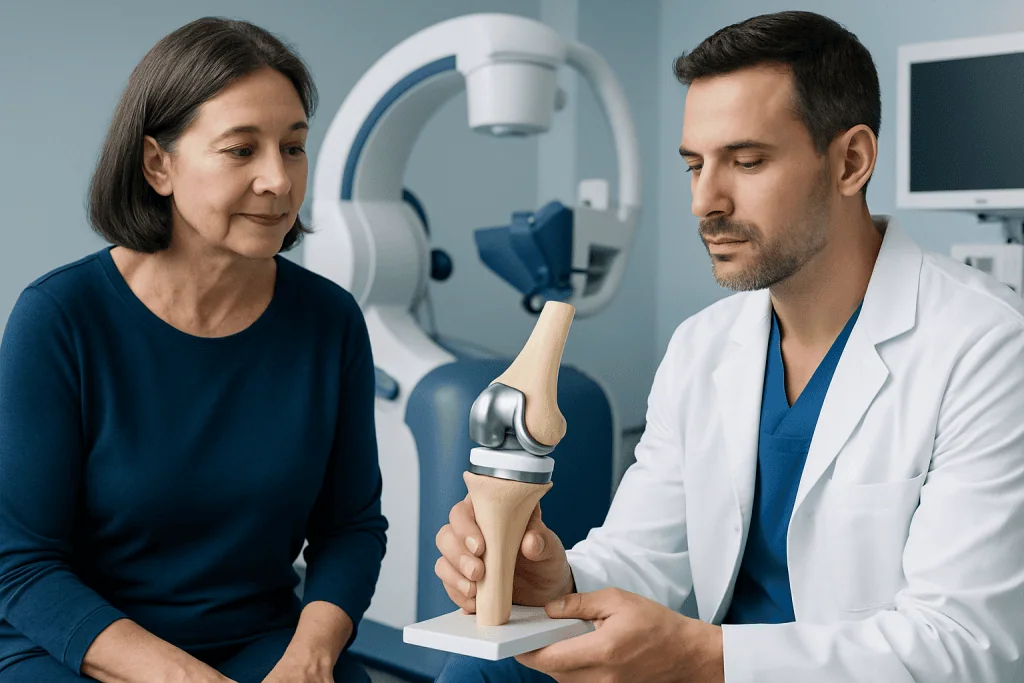
No single number can predict exactly how long a knee replacement will last. Lifespan depends on a mix of patient factors, implant-related factors, and surgical factors. A well-done operation with a properly aligned implant often performs better over time, but lifestyle and overall health also play an important role.
Younger patients may place more cumulative stress on the joint simply because they live longer and are often more active after surgery. Body weight can also increase load across the knee, which may contribute to wear over many years. High-impact activities, repeated twisting, or heavy manual work may shorten implant life compared with lower-impact routines.
Other factors include bone quality, muscle strength, previous knee injuries, and whether the person has deformity or joint instability. In some cases, underlying conditions such as advanced osteoarthritis are the reason surgery is needed in the first place, but after surgery, careful rehabilitation and long-term joint protection help support the best possible outcome.
- Age at the time of surgery
- Weight and overall health
- Activity level and type of exercise
- Implant design and materials
- Surgical technique and alignment
- Bone quality and muscle support around the knee
How knee replacements wear over time

A knee replacement can last many years, but normal use gradually affects all artificial joints. One of the most common long-term issues is wear of the plastic spacer between the metal parts. As this material ages, tiny particles may form and irritate nearby tissue, which in some cases contributes to loosening of the implant.
Loosening does not always happen, and it may develop very slowly. It means the bond between the implant and the bone becomes less secure over time. This can lead to pain, swelling, a feeling that the knee is unstable, or difficulty walking. In other cases, the implant itself remains secure, but scar tissue, stiffness, or changes in surrounding structures affect comfort and movement.
Less commonly, a knee replacement may fail earlier because of infection, fracture around the implant, malalignment, or instability. These problems are not the typical long-term course, but they are important reasons why follow-up matters. If symptoms return after a period of good function, the knee should be checked by an orthopedic specialist.
Signs a knee replacement may need evaluation
Many people with a long-lasting knee replacement have little pain and can walk, climb stairs, and perform daily tasks more comfortably than before surgery. Still, new or worsening symptoms years after the operation deserve attention. They do not always mean the implant has failed, but they should not be ignored.
Common warning signs include persistent pain, swelling that does not settle, warmth around the joint, stiffness that is getting worse, or a sensation that the knee is shifting or giving way. Some people notice clicking, grinding, or a change in leg alignment. Others find they can no longer do activities that had previously become easier after surgery.
If there is sudden severe pain, inability to bear weight, fever, redness, or significant swelling, prompt medical assessment is important. These symptoms can have different causes, including infection or injury, and early evaluation helps guide the right treatment plan.
- Increasing pain after a period of improvement
- Swelling, warmth, or redness
- Reduced range of motion or growing stiffness
- Instability, buckling, or difficulty walking
- Changes in alignment or unusual sounds with movement
How doctors assess implant durability and problems
Doctors usually begin with a detailed history and physical examination. They ask when symptoms started, whether there was an injury, what activities make the knee worse, and how function has changed. Examination looks at walking, swelling, tenderness, range of motion, and stability.
Imaging tests are often used to check the position and condition of the implant. Standard X-rays can show alignment, signs of loosening, changes around the bone, or wear patterns. In selected cases, additional imaging or blood tests may be needed, especially if infection or another complication is suspected.
This evaluation helps determine whether the knee is functioning normally, whether symptoms are coming from the replacement itself, or whether another issue is involved, such as hip or spine problems, soft-tissue irritation, or inflammation elsewhere. A careful diagnosis is important because treatment differs depending on the cause.
Treatment options if a knee replacement wears out
Not every painful knee replacement needs major surgery. When symptoms are mild, treatment may include activity modification, physical therapy, assistive devices, weight management, or treatment of inflammation and muscle weakness. The aim is to reduce strain on the joint and improve support from the muscles around it.
If the implant is loose, significantly worn, infected, unstable, or poorly functioning, surgery may be considered. This can involve replacing part or all of the artificial joint in a procedure called revision knee replacement. Revision is generally more complex than the first operation, but it can restore function and relieve pain in appropriately selected patients.
Patients who are considering revision often benefit from care by experienced orthopedic teams familiar with complex joint reconstruction. In centers such as Acibadem International, multidisciplinary specialists in JCI-accredited hospitals evaluate joint problems and provide treatment for international patients, including options related to robotic orthopedic surgery and structured recovery planning when appropriate.
How to help a titanium knee replacement last longer
Although no patient can control every factor, several habits may help a knee replacement last as long as possible. Maintaining a healthy body weight can reduce stress on the joint. Regular low-impact exercise helps keep the muscles around the knee strong and supports balance, walking, and daily movement.
Activities such as walking, cycling, swimming, and guided strengthening are often encouraged, while repeated jumping, running on hard surfaces, or high-impact sports may not be ideal for many patients. Following the surgeon’s rehabilitation plan, wearing supportive footwear, and addressing pain in the hips, feet, or spine can also help protect knee mechanics.
Routine follow-up is valuable even when the knee feels fine, because gradual wear may not cause obvious symptoms at first. It is also important to tell doctors and dentists about a joint replacement before certain procedures so they can advise appropriately. Patients with inflammatory joint disease, prior infections, or unusual symptoms may need closer monitoring, especially if there are related concerns such as rheumatoid arthritis.
Frequently asked questions
Is a titanium knee replacement made entirely of titanium?
Not always. Many knee implants use a combination of materials, which may include titanium, cobalt-chromium alloys, and a polyethylene plastic spacer. The exact design depends on the implant type and the patient's needs.
Can a knee replacement last 30 years?
Yes, some knee replacements do last 30 years, especially with modern implants, good surgical technique, and careful long-term joint care. However, this is not guaranteed, and lifespan varies from person to person. Younger age, higher activity, and heavier joint loading may increase the chance of needing revision earlier.
What is the most common reason a knee replacement wears out?
A common long-term reason is wear of the plastic component and gradual loosening of the implant from the bone. Over time, normal use can affect the artificial joint, especially if there is high repetitive stress. Other causes include instability, infection, or alignment problems.
How will a person know if their knee replacement is failing?
Possible signs include increasing pain, swelling, stiffness, instability, or reduced walking ability after a period of good function. Some people also notice warmth, a change in alignment, or unusual sounds. These symptoms should be assessed by an orthopedic doctor.
Can exercise damage a knee replacement?
Appropriate exercise is usually beneficial and helps support the joint by strengthening surrounding muscles. Low-impact activities are generally preferred, while repetitive high-impact sports may increase wear over time. Patients should follow personalized advice from their surgeon or physiotherapist.
Is revision surgery more difficult than the first knee replacement?
Yes, revision knee replacement is often more complex than primary surgery because bone loss, scar tissue, or implant loosening may need to be addressed. Even so, it can be an effective treatment when a knee replacement has worn out or is no longer functioning well. Careful evaluation helps determine the best approach.
References
- American Academy of Orthopaedic Surgeons
- National Institute of Arthritis and Musculoskeletal and Skin Diseases
- National Health Service
- American Association of Hip and Knee Surgeons
This article is for general information only and is not a substitute for professional medical advice. Please consult a qualified doctor about your individual situation.
Joint and spine care in Turkey — expert assessment & treatment
JCI-accredited · board-certified surgeons · reply within 24h
Add us as a Preferred Source to see more of our trusted health content across Google Search, AI Overviews and Discover.

Orthopedics & Spine
Care for bones, joints and the musculoskeletal system, including joint replacement, sports injuries and trauma.
125 specialists in this unitMore from the Health Library



Related Specialists

Prof. Dr. Cem Akbal
Urology
Dr. Eylem Sert
Emergency Service
Dr. Işıl Avcı
Physical Medicine & Rehabilitation
Assoc. Prof. Dr. Bedriye Koyuncu Sökmen
Gastrointestinal Oncology Unit Clinical Service