National Cancer Institute: Role in Cancer Research

The National Cancer Institute, or NCI, is part of the U.S. National Institutes of Health. NCI funds and conducts research on cancer causes, prevention, screening, diagnosis, treatment, and survivorship.
Key Takeaways
- The National Cancer Institute, or NCI, is part of the U.S. National Institutes of Health.
- NCI funds and conducts research on cancer causes, prevention, screening, diagnosis, treatment, and survivorship.
- It supports clinical trials, cancer centers, data resources, and training for scientists and healthcare professionals.
- NCI information helps patients, families, and doctors understand cancer and available treatment options.
- Its work influences cancer care standards and research practices in the United States and internationally.
The National Cancer Institute is the U.S. government’s main agency for cancer research and training. It helps drive progress in cancer prevention, diagnosis, treatment, survivorship, and clinical trials through funding, science, education, and national programs.
Overview
The National Cancer Institute, often called the NCI, is the U.S. federal government’s principal agency for cancer research and training. It is one of the institutes within the National Institutes of Health and has a broad mission: to understand cancer better, reduce the burden of the disease, and improve outcomes for patients. Its work reaches from laboratory science to public health programs and patient information.
In practical terms, the NCI helps move cancer care forward by funding research, running its own scientific programs, supporting clinical trials, and sharing evidence-based information. It studies how cancers begin, how they grow, and how they can be prevented, detected earlier, and treated more effectively. The institute also supports research into quality of life, survivorship, and palliative care.
Although the NCI is a U.S. organization, its influence is wider than one country. Research findings, trial methods, educational materials, and treatment standards supported by the NCI are used by clinicians, researchers, and policymakers around the world. For patients and families, it is widely recognized as a reliable source of cancer information.
What the National Cancer Institute Does
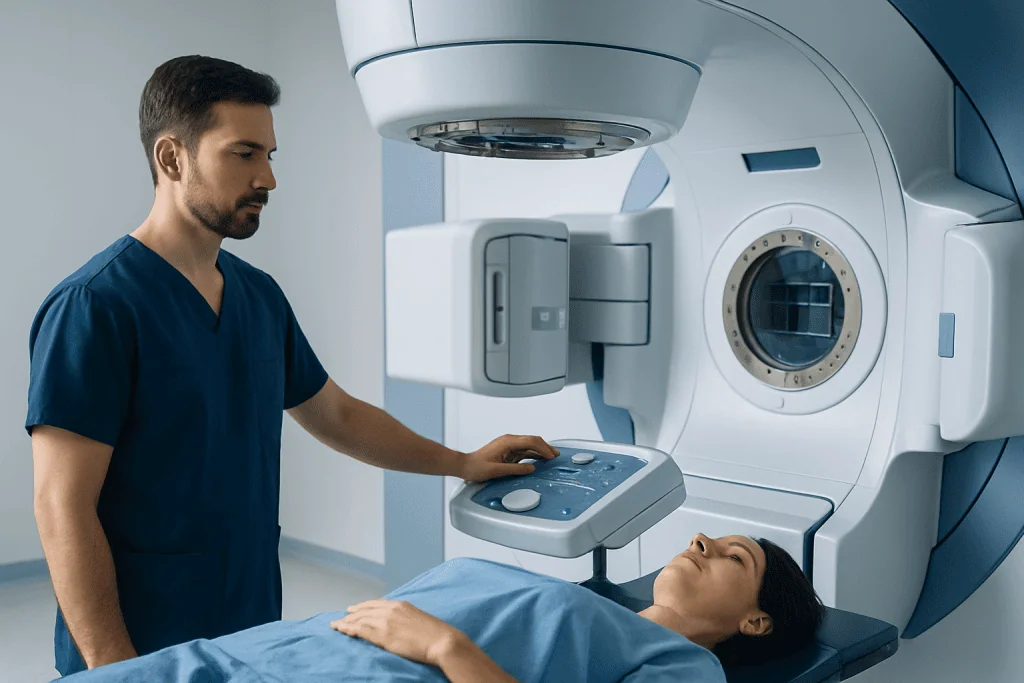
The NCI has several major roles. One of the most important is funding cancer research at universities, hospitals, cancer centers, and laboratories. This support helps scientists investigate basic cancer biology, discover biomarkers, test new therapies, and improve prevention and screening methods. By backing a wide range of studies, the institute helps create a stronger pipeline from discovery to patient care.
The institute also conducts research directly through its own intramural programs. These efforts include laboratory science, translational research, population studies, and clinical investigations. This combination of external grants and internal research allows the NCI to support both long-term scientific questions and urgent practical needs in cancer medicine.
Another core responsibility is education and information sharing. The NCI provides patient-friendly resources about many types of cancer, treatment pathways, side effects, supportive care, and clinical trials. It also develops scientific databases, public resources, and training opportunities for researchers and healthcare professionals.
- Funds cancer research across the United States
- Runs research programs and clinical studies
- Supports cancer centers and national research networks
- Provides education for patients, families, and professionals
- Builds data systems and evidence resources
How NCI Supports Cancer Research

Cancer research is a long process that often begins in the laboratory. Scientists study genes, proteins, immune responses, and cell behavior to understand what makes cancer cells different from healthy cells. NCI funding helps support this early-stage work, which can later lead to improved tests, targeted treatments, and prevention strategies.
The institute also helps connect basic science to clinical care through translational research. This means taking discoveries from the lab and exploring how they may benefit patients. For example, a newly identified molecular target may lead to the development of medicines used in targeted therapy or improved use of immunotherapy.
Population science is another important area. The NCI studies risk factors such as tobacco exposure, infections, environmental influences, diet, genetics, and aging. It also evaluates screening tools and public health interventions. This broad approach helps shape prevention guidance and supports earlier detection, which can improve outcomes for many cancers.
Clinical Trials and Cancer Centers
Clinical trials are carefully designed studies that test new ways to prevent, detect, diagnose, or treat disease. The NCI plays a major role in cancer clinical trials by funding research networks, setting high scientific standards, and supporting patient enrollment. These trials may evaluate new drugs, combinations of therapies, surgical approaches, radiation strategies, or supportive care methods.
For patients, clinical trials can offer access to new approaches while also helping doctors learn what works best. Not every patient is eligible for every trial, and participation should be discussed with a qualified oncology team. Still, NCI-supported trials are an important path for developing safer and more effective treatment options, including advances in chemotherapy and precision medicine.
The NCI also designates certain institutions as cancer centers based on the strength of their research, clinical services, and community outreach. These centers often bring together specialists from different fields, making multidisciplinary care easier. Their work helps improve standards in diagnosis, treatment planning, prevention, and survivorship services.
Benefits for Patients and Families
Many people first encounter the National Cancer Institute when searching for trustworthy answers after a diagnosis. NCI resources can help explain cancer terminology, staging, common tests, treatment types, side effects, and questions to ask a doctor. This can reduce confusion and support more informed conversations with the care team.
The institute’s information is designed to be evidence-based and understandable, which is especially important in a field where medical advice can quickly become overwhelming. Patients may use NCI materials to learn about topics such as tumor biology, second opinions, treatment planning, and supportive care. Families and caregivers can also benefit from guidance about communication, symptom monitoring, and practical support needs.
NCI-backed science has also shaped many of the tools and strategies used in routine oncology care today. These include better imaging methods, pathology techniques, screening recommendations, and modern treatments such as radiotherapy. Even when patients are treated outside the United States, they may benefit from therapies and care models influenced by NCI-supported research.
Training, Data, and Public Health Impact
Progress against cancer depends not only on new discoveries but also on skilled professionals. The NCI supports training for researchers, physicians, nurses, data scientists, and public health experts. These programs help develop the next generation of specialists who will study cancer and care for patients in the future.
Another major contribution is data collection and analysis. The institute supports cancer registries, surveillance systems, and research databases that help experts track trends in incidence, survival, and outcomes. These data are essential for understanding which cancers are becoming more common, where disparities exist, and how prevention and treatment efforts are working.
The NCI also contributes to public health by studying cancer prevention and risk reduction. This includes work related to tobacco control, vaccines for cancer-related infections, screening strategies, and healthy lifestyle guidance. Together, these efforts help inform national policies and support better cancer awareness across communities.
Limitations, Practical Use, and When to Seek Medical Advice
While the National Cancer Institute is a valuable source of information, it does not replace personalized medical care. Cancer is not one disease, and treatment decisions depend on many factors, including the cancer type, stage, pathology findings, overall health, and patient preferences. Information from the NCI is best used as a foundation for discussion with a qualified doctor.
Anyone with symptoms that could suggest cancer, an abnormal screening result, or a new diagnosis should seek timely medical evaluation. A healthcare professional can explain what tests are needed, whether referral to an oncology specialist is appropriate, and what treatment options may be relevant. Early assessment is important because many cancers are easier to manage when identified sooner.
For patients seeking expert evaluation, multidisciplinary oncology care is often helpful because it brings together surgeons, medical oncologists, radiation oncologists, radiologists, pathologists, and supportive care teams. Acibadem International’s multidisciplinary specialists and JCI-accredited hospitals diagnose and treat cancer for international patients, with care plans based on current evidence and individual needs.
Frequently asked questions
What is the National Cancer Institute?
The National Cancer Institute is the main U.S. government agency dedicated to cancer research and training. It is part of the National Institutes of Health and supports work in prevention, diagnosis, treatment, survivorship, and education.
How does the National Cancer Institute help patients?
The NCI provides evidence-based cancer information that patients and families can use to better understand diagnoses, tests, treatments, and clinical trials. It also supports the research that leads to many of the advances used in everyday cancer care.
Does the National Cancer Institute treat patients directly?
The NCI mainly funds and conducts research, but some patient care is provided through research programs and clinical studies connected to the institute. Most patients experience its impact through the hospitals, cancer centers, and specialists who use NCI-supported science and resources.
What are NCI-designated cancer centers?
These are institutions recognized by the National Cancer Institute for strong cancer research programs and related expertise. Many also provide multidisciplinary care, access to clinical trials, and community outreach services.
Why are clinical trials important in cancer care?
Clinical trials help doctors learn whether new treatments, screening approaches, or supportive care methods are safe and effective. They are a key part of improving cancer care and may offer some patients access to promising new options.
Can people outside the United States benefit from NCI research?
Yes. NCI-supported studies often influence international cancer guidelines, treatment strategies, and research practices. Patients worldwide may benefit from therapies and care models that were shaped by this work.
References
- National Cancer Institute
- National Institutes of Health
- Centers for Disease Control and Prevention
- World Health Organization
- American Cancer Society
This article is for general information only and is not a substitute for professional medical advice. Please consult a qualified doctor about your individual situation.
Oncology care in Turkey — second opinion and treatment plan
JCI-accredited · board-certified surgeons · reply within 24h
Add us as a Preferred Source to see more of our trusted health content across Google Search, AI Overviews and Discover.

More from the Health Library



Related Specialists

Assoc. Prof. Dr. Ayşenur Özderya
Endocrinology
Prof. Dr. Levent Erişen
Ear Nose & Throat
Prof. Dr. Ethem Tankurt
Gastroenterology
Dr. Serdar Korkmaz
Anesthesiology