CAR-T Cell Therapy for Leukemia, Lymphoma, and Myeloma

CAR-T cell therapy modifies a patient’s T cells so they can better find and fight cancer cells. It is mainly used for selected blood cancers, including some leukemia, lymphoma, and multiple myeloma.
Key Takeaways
- CAR-T cell therapy modifies a patient’s T cells so they can better find and fight cancer cells.
- It is mainly used for selected blood cancers, including some leukemia, lymphoma, and multiple myeloma.
- Treatment involves several steps: evaluation, cell collection, laboratory modification, chemotherapy, infusion, and close monitoring.
- CAR-T can be highly effective for some patients, but it can also cause serious side effects that require expert care.
- Follow-up is essential because recovery, side effect monitoring, and response assessment continue for weeks to months.
CAR-T cell therapy is a personalized cancer treatment that uses a patient’s own immune cells to recognize and attack certain blood cancers. It is used for some people with leukemia, lymphoma, or multiple myeloma, usually when other treatments have not been effective or the cancer has come back.
Overview of CAR-T Cell Therapy
CAR-T cell therapy is a type of immunotherapy. It uses the patient’s own T cells, a part of the immune system, and changes them in a laboratory so they can recognize and attack cancer cells more effectively. “CAR-T” stands for chimeric antigen receptor T-cell therapy. The added receptor acts like a guide, helping the T cells identify a specific target on cancer cells.
This treatment is most often used for certain blood cancers, including some forms of leukemia, lymphoma, and multiple myeloma. It is generally considered for people whose cancer has returned after treatment or has not responded well enough to standard options. Eligibility depends on the type of cancer, the patient’s overall health, prior treatments, and whether the cancer has the right target for the therapy.
CAR-T cell therapy is different from chemotherapy or radiation. Instead of directly attacking rapidly dividing cells, it strengthens the body’s own immune response against cancer. Because it is a highly specialized treatment, it is performed in experienced centers with teams trained to manage both the treatment process and its potential side effects.
Which Cancers Can CAR-T Treat?
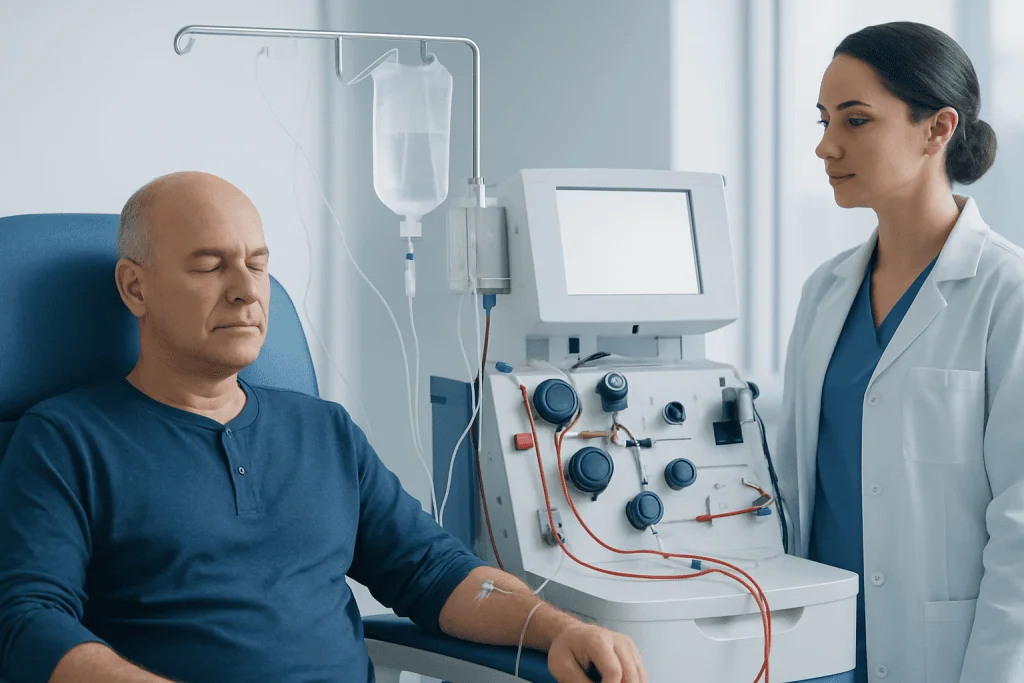
CAR-T cell therapy is approved or used in selected cases of blood cancers rather than most solid tumors. It may be recommended for certain types of acute lymphoblastic leukemia, some B-cell lymphomas, and relapsed or refractory multiple myeloma. In many cases, the cancer cells carry a marker such as CD19 or BCMA, which gives CAR-T cells a clear target.
Not every person with leukemia, lymphoma, or myeloma will be a candidate. Doctors consider the exact diagnosis, the stage or extent of the disease, previous treatments, how quickly the cancer is growing, and the patient’s organ function. A person may need additional testing to confirm that the cancer has the target needed for a specific CAR-T product.
CAR-T is often part of a broader treatment plan. For some patients, it may be considered after options such as chemotherapy, targeted therapies, or stem cell transplant have already been used. In others, it may be discussed earlier depending on current guidelines, available products, and how the disease is behaving.
- Leukemia: especially certain relapsed or refractory B-cell acute lymphoblastic leukemia cases
- Lymphoma: including selected diffuse large B-cell lymphoma and related B-cell lymphomas
- Multiple myeloma: in some relapsed or refractory cases after prior lines of therapy
How the Treatment Process Works

CAR-T cell therapy happens in several steps over a period of weeks. First, the patient has a detailed evaluation. This includes blood tests, scans, heart and lung assessments when needed, infection screening, and a review of previous cancer treatments. The care team explains expected benefits, possible risks, and the monitoring plan.
Next comes cell collection, called leukapheresis. During this procedure, blood is taken from the patient, T cells are separated, and the remaining blood is returned. The collected cells are then sent to a specialized laboratory, where they are genetically modified to carry the chimeric antigen receptor. After this, the cells are multiplied until there are enough for treatment.
While the cells are being prepared, some patients need temporary cancer treatment to keep the disease under control. This is sometimes called bridging therapy. Before the CAR-T cells are infused, patients usually receive a short course of lymphodepleting chemotherapy to create a better environment for the engineered cells to grow and work.
Finally, the CAR-T cells are infused back into the bloodstream, much like a blood transfusion. After infusion, the patient is monitored very closely because side effects can appear quickly, especially within the first days to weeks. Many centers require staying near the hospital for a period of time so any complications can be treated promptly.
Benefits and Possible Results
For some people, CAR-T cell therapy can lead to a deep response when other treatments have stopped working. In certain blood cancers, it has helped patients achieve remission, sometimes for a meaningful period. The chance of benefit varies by diagnosis, the CAR-T product used, the patient’s previous treatments, and how the cancer responds biologically.
Even so, CAR-T is not a guaranteed cure. Some patients do not respond as hoped, and in others the cancer may return after an initial response. Doctors follow patients carefully with blood tests, bone marrow tests when appropriate, and imaging or other disease-specific assessments to understand how well the treatment has worked.
Patients and families may find it helpful to think of CAR-T as one important option within a longer cancer journey. It may offer another chance at disease control, but it also comes with uncertainties. A clear conversation with the oncology team can help set realistic expectations about goals, timing, recovery, and next steps if the cancer does not respond.
Risks and Side Effects
CAR-T cell therapy can cause significant side effects, which is why close monitoring is essential. One of the most important is cytokine release syndrome, or CRS. This happens when activated immune cells release large amounts of inflammatory signals. Symptoms can range from fever and fatigue to low blood pressure, breathing problems, and organ stress. The severity varies, and treatment is available, but prompt medical attention is important.
Another key risk is neurologic toxicity, sometimes called immune effector cell-associated neurotoxicity syndrome. Patients may develop headache, confusion, difficulty speaking, sleepiness, tremor, or, less commonly, seizures. These symptoms can be temporary, but they need urgent assessment by experienced clinicians.
Other side effects may include low blood counts, infection risk, nausea, reduced appetite, weakness, and changes in liver or kidney function. Some patients develop prolonged immune suppression or low antibody levels, which can increase the chance of infections. Follow-up care may include infection prevention measures, blood product support, or immunoglobulin replacement in selected cases.
- Common early concerns: fever, tiredness, low blood pressure, breathing changes
- Neurologic concerns: confusion, trouble speaking, headache, drowsiness
- Longer-term concerns: low blood counts, infections, delayed recovery of the immune system
Diagnosis, Eligibility, and Preparation
Before CAR-T treatment, specialists confirm the exact cancer type and whether it matches an approved or appropriate indication. This may involve bone marrow studies, biopsies, flow cytometry, molecular testing, and imaging. The team also checks whether the cancer cells express the target the CAR-T product is designed to recognize.
Eligibility also depends on general health. Doctors assess heart, liver, lung, kidney, and neurologic function. They look for active infections and review all current medicines. Because CAR-T can be physically demanding, functional status and the availability of caregiver support are also important parts of planning.
Preparation includes practical as well as medical steps. Patients may need vaccinations reviewed, travel arranged, and temporary accommodation near the treating center. The care team explains warning signs to watch for after infusion and when to seek urgent help. In some cases, supportive treatments such as transfusions, antimicrobials, or consultation with transplant and intensive care teams may be part of the overall plan, especially when bone marrow transplant has previously been used or may be considered later.
Recovery, Follow-Up, and Living After CAR-T
Recovery after CAR-T cell therapy is different for each person. The first few weeks are usually the most closely supervised because serious side effects are most likely to happen during this period. Many patients feel fatigued and may need time before returning to normal routines, work, or travel. The doctor may advise avoiding driving for a period after treatment because of neurologic risk.
Follow-up visits are used to check blood counts, immune recovery, organ function, and how well the cancer has responded. Some people need medications to prevent infection, replacement of blood products, or treatment for prolonged low blood counts. Emotional recovery matters too, as intensive cancer treatment can be stressful for both patients and families.
Daily self-care can support recovery. This includes taking medicines exactly as prescribed, attending all appointments, eating and drinking as tolerated, resting when needed, and reporting symptoms early. It is important to contact the care team for fever, confusion, severe weakness, shortness of breath, bleeding, or any sudden change in health.
In experienced centers, multidisciplinary teams coordinate oncology, hematology, intensive care, neurology, infectious disease, and supportive care. Acibadem International’s multidisciplinary specialists and JCI-accredited hospitals diagnose and treat blood cancers, including advanced therapies for international patients when appropriate.
When to Speak With a Doctor
A person should speak with a hematologist or oncologist if leukemia, lymphoma, or multiple myeloma has returned after treatment or has not responded as expected. CAR-T cell therapy is not suitable for everyone, but an expert can explain whether it may be an option and what tests are needed. Asking early can help with planning, because the process of evaluation and cell manufacturing takes time.
Patients already preparing for CAR-T treatment should contact their care team promptly if they develop fever, new cough, signs of infection, unusual bruising, increasing fatigue, or worsening cancer-related symptoms. These issues can affect timing and safety, so they should not be ignored.
After infusion, urgent medical attention is needed for symptoms such as high fever, confusion, trouble speaking, fainting, breathing difficulty, chest pain, severe headache, seizures, or uncontrolled bleeding. Fast assessment allows the team to treat complications early and safely. Patients should always follow the specific emergency instructions given by their treatment center.
Frequently asked questions
What does CAR-T cell therapy do?
CAR-T cell therapy changes a patient’s own T cells so they can better recognize and attack certain cancer cells. It is a personalized form of immunotherapy used mainly for selected blood cancers.
Is CAR-T cell therapy a cure?
It can lead to remission in some patients, but it is not a guaranteed cure. Results vary depending on the cancer type, prior treatments, overall health, and how the disease responds.
How long does the CAR-T process take?
The full process usually takes several weeks, including evaluation, cell collection, laboratory preparation, and infusion. Some patients also need bridging treatment while waiting for the engineered cells to be ready.
Does CAR-T cell therapy require hospitalization?
Many patients need hospital monitoring around the time of infusion, although practices vary by center and product. Close observation is important because serious side effects can develop in the first days or weeks.
What are the main side effects of CAR-T therapy?
Important side effects include cytokine release syndrome, neurologic symptoms, low blood counts, and infections. These risks are why treatment is given in specialized centers with experienced teams.
Who may be eligible for CAR-T cell therapy?
Eligibility depends on the exact cancer type, whether the cancer has the right target, previous treatments, organ function, and overall fitness. A hematologist or oncologist can determine if CAR-T is appropriate after a full evaluation.
References
- National Cancer Institute
- American Cancer Society
- Leukemia & Lymphoma Society
- National Comprehensive Cancer Network
- U.S. Food and Drug Administration
This article is for general information only and is not a substitute for professional medical advice. Please consult a qualified doctor about your individual situation.
CAR-T Cell Therapy in Turkey — costs, top hospitals & a free quote
JCI-accredited · board-certified surgeons · reply within 24h
Add us as a Preferred Source to see more of our trusted health content across Google Search, AI Overviews and Discover.

Medical Oncology Department
Medical treatment of cancer with chemotherapy, immunotherapy and targeted therapies under a multidisciplinary tumor board.
60 specialists in this unitMore from the Health Library



Related Specialists

Prof. Dr. Erkan Kaba
Thoracic Surgery
Prof. Dr. Güler Berkiten
Otorhinolaryngology
Prof. Dr. Can Çalışkan
Gastrointestinal Oncology Unit Clinical Service
Dr. Bülent Erdoğan
Emergency Service