Orthopedic Meaning: Definition and Medical Use

Orthopedics is the medical specialty that cares for bones, joints, muscles, tendons, ligaments, and the spine. Orthopedic doctors treat both injuries and long-term conditions that affect movement, pain, and function.
Key Takeaways
- Orthopedics is the medical specialty that cares for bones, joints, muscles, tendons, ligaments, and the spine.
- Orthopedic doctors treat both injuries and long-term conditions that affect movement, pain, and function.
- Care may include physical examination, imaging tests, medicines, rehabilitation, injections, or surgery.
- Many orthopedic problems improve with non-surgical treatment and lifestyle changes.
- Persistent pain, swelling, weakness, or limited movement should be assessed by a qualified doctor.
Orthopedic meaning refers to the branch of medicine focused on the musculoskeletal system, including bones, joints, muscles, ligaments, tendons, and the spine. It covers the diagnosis, treatment, rehabilitation, and prevention of injuries and conditions that affect movement and physical function.
Overview: What Does Orthopedic Mean?
The term orthopedic refers to a medical specialty concerned with the musculoskeletal system. This system includes bones, joints, muscles, tendons, ligaments, cartilage, and the spine. Together, these structures support the body, allow movement, protect internal organs, and help maintain balance and posture.
When people ask about the orthopedic meaning, they are usually asking what kinds of health issues orthopedic medicine covers. In simple terms, orthopedics focuses on conditions and injuries that affect how the body moves and functions. This can range from a minor ankle sprain to arthritis, back pain, fractures, sports injuries, or age-related joint problems.
Orthopedic care is provided by specialists often called orthopedic doctors or orthopedic surgeons. Despite the title “surgeon,” many of these specialists use non-surgical treatment first. Their role includes diagnosing problems, relieving pain, improving mobility, and helping patients return to daily activities as safely as possible.
What Conditions Does Orthopedics Cover?
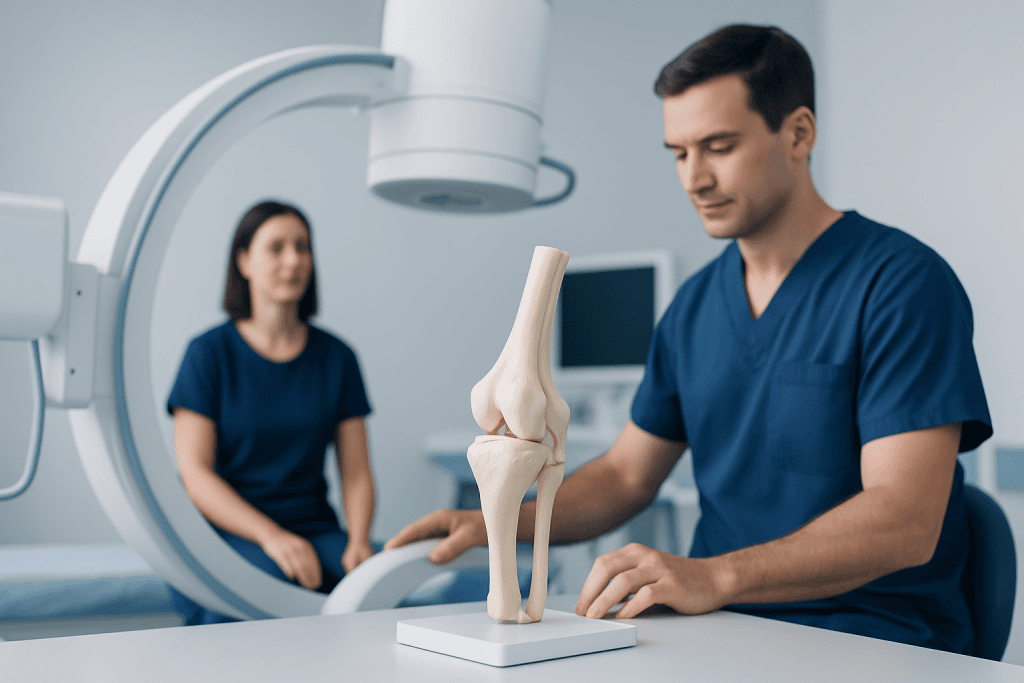
Orthopedics covers a wide range of conditions affecting children, adults, athletes, and older adults. Some problems happen suddenly, such as fractures, dislocations, or torn ligaments. Others develop slowly over time, such as osteoarthritis, tendon irritation, repetitive strain injuries, or spinal wear and tear.
Common orthopedic conditions include joint pain, bone injuries, sports trauma, tendon disorders, spine-related discomfort, and deformities involving the hands, feet, hips, or knees. Orthopedic specialists may also manage conditions such as osteoarthritis, scoliosis, bursitis, carpal tunnel syndrome, and rotator cuff injuries.
Examples of issues commonly seen in orthopedic practice include:
- Fractures and stress fractures
- Sprains, strains, and ligament tears
- Joint stiffness and arthritis
- Back, neck, hip, knee, shoulder, and foot pain
- Sports injuries and overuse injuries
- Tendon problems such as tendinitis
- Spinal conditions, including disc-related pain
Because the musculoskeletal system is closely connected, symptoms in one area can sometimes start somewhere else. For example, knee pain may be related to hip alignment, and hand numbness may come from the neck or nerve compression. This is one reason a full orthopedic assessment can be helpful.
Signs and Symptoms That May Need Orthopedic Evaluation
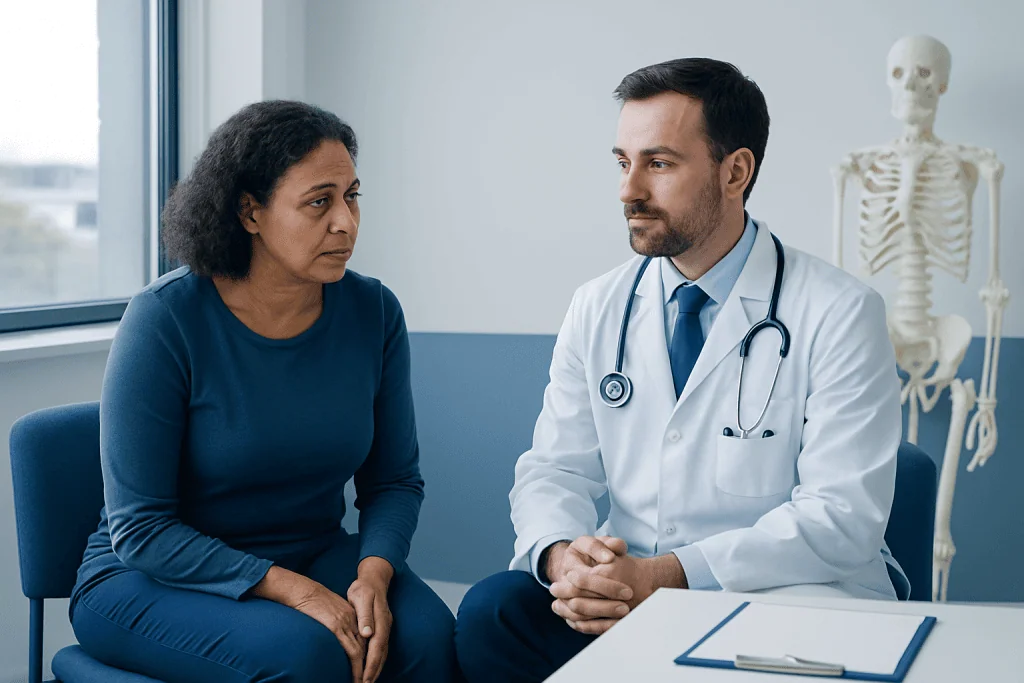
Many people see an orthopedic specialist because of pain, but pain is not the only reason. Symptoms may also include swelling, weakness, stiffness, instability, reduced range of motion, limping, joint locking, or difficulty using a limb. Some people notice that normal activities such as walking, climbing stairs, lifting objects, or exercising become harder than usual.
Symptoms can begin after an injury, such as a fall or sports accident, or they may appear gradually. Long-lasting discomfort, recurrent swelling, or a joint that repeatedly “gives way” should not be ignored. Even if symptoms seem mild at first, ongoing problems can affect sleep, work, exercise, and independence.
Children and older adults may show symptoms differently. A child may avoid running or complain of limb pain, while an older adult may notice worsening balance, reduced grip strength, or increasing difficulty standing from a chair. In every age group, persistent symptoms deserve professional attention if they do not improve as expected.
Causes and Risk Factors of Orthopedic Problems
Orthopedic conditions can happen for many reasons. Some are caused by sudden trauma, such as a road accident, a sports collision, or a fall. Others result from repeated stress on joints and soft tissues over time. Everyday activities, job-related strain, poor posture, and limited physical conditioning can all contribute to musculoskeletal pain or injury.
Age is an important factor because bones, cartilage, and muscles naturally change over time. Previous injuries can also increase the chance of later problems, especially if healing was incomplete. In addition, body weight, activity level, footwear, bone density, and underlying medical conditions can all influence orthopedic health.
Common risk factors include:
- Participation in contact sports or repetitive training
- Heavy lifting or repetitive movements at work
- Sedentary lifestyle and weak supporting muscles
- Older age and age-related joint wear
- Obesity or excess pressure on weight-bearing joints
- Poor posture or body mechanics
- Low bone density or osteoporosis
- Previous fractures, sprains, or ligament injuries
Not every orthopedic problem can be prevented, but understanding these risk factors can help people take practical steps to protect mobility and reduce strain on the body.
How Orthopedic Conditions Are Diagnosed
Diagnosis usually starts with a detailed medical history and physical examination. The doctor asks about the location of pain, how the symptoms began, what makes them worse or better, and whether there was an injury. During the examination, the affected area may be checked for swelling, tenderness, range of motion, strength, stability, alignment, and nerve function.
Imaging tests are often used to confirm the diagnosis or understand its severity. X-rays are commonly used for bones and joint alignment. Ultrasound may help assess tendons or soft tissues. MRI can provide more detailed information about ligaments, cartilage, discs, and muscles, while CT scans may be helpful in some complex bone injuries.
In certain cases, blood tests or additional evaluations are needed to rule out infection, inflammatory disease, or metabolic bone problems. The goal is not simply to name the condition, but to understand how it affects function and which treatment path is most appropriate for the individual patient.
Treatment Options in Orthopedics
Orthopedic treatment depends on the diagnosis, symptom severity, age, activity level, and overall health. Many musculoskeletal conditions can be treated without surgery. Early treatment often focuses on rest, activity modification, ice or heat, supportive bracing, pain relief, and structured rehabilitation. Physical therapy is especially important because it helps improve strength, flexibility, movement patterns, and confidence in using the affected area again.
For some conditions, doctors may recommend injections to reduce inflammation or pain, especially when symptoms limit daily life despite conservative care. Treatment plans are usually individualized rather than based on a single approach. The aim is to relieve symptoms while also addressing the underlying cause, such as poor mechanics, instability, or tissue overload.
Surgery may be considered when non-surgical treatment does not provide enough relief, when a structural injury is severe, or when function is significantly affected. Depending on the problem, options may include knee replacement, hip replacement, fracture repair, tendon repair, or arthroscopy for selected joint problems.
Rehabilitation remains an essential part of care before and after surgery. Recovery often involves a gradual return to activity, guided exercises, and follow-up assessments to support healing and restore function as fully as possible.
Prevention, Self-care, and Protecting Musculoskeletal Health
Although not all orthopedic problems can be avoided, many can be reduced with healthy habits. Regular physical activity helps maintain muscle strength, joint support, balance, and bone health. Exercises that combine strength, flexibility, and low-impact aerobic movement are often helpful for long-term musculoskeletal wellness.
Good posture and body mechanics are important at work, at home, and during exercise. Warming up before sports, using proper technique, wearing supportive footwear, and increasing training intensity gradually can lower the risk of injury. Rest and recovery also matter, especially after repetitive or high-impact activities.
Useful self-care habits include:
- Staying physically active with safe, balanced exercise
- Maintaining a healthy body weight
- Using correct lifting and movement techniques
- Taking breaks from repetitive tasks
- Supporting bone health with adequate nutrition
- Reducing fall risks at home, especially in older adults
People living with chronic joint or back symptoms may benefit from long-term self-management strategies. These can include guided exercise, pacing activities, ergonomic adjustments, and regular medical follow-up to prevent symptoms from becoming more limiting.
When to See a Doctor
It is sensible to seek medical advice if pain, swelling, or restricted movement lasts more than a few days, keeps returning, or interferes with normal activities. Medical attention is also important after a significant injury, especially if there is visible deformity, inability to bear weight, severe swelling, or a sudden loss of function.
Urgent assessment may be needed for possible fractures, dislocations, infections, or nerve-related symptoms such as numbness, weakness, or loss of bladder or bowel control with severe back pain. Early evaluation can help reduce complications and support faster, safer recovery.
For patients who need specialist care, multidisciplinary orthopedic teams can coordinate imaging, rehabilitation, and if necessary surgical treatment. Acibadem International’s multidisciplinary specialists and JCI-accredited hospitals diagnose and treat orthopedic conditions for international patients, with care plans tailored to the individual.
Frequently asked questions
What is the simple meaning of orthopedic?
Orthopedic means relating to the medical care of bones, joints, muscles, ligaments, tendons, and the spine. It is the field that helps diagnose and treat problems affecting movement, pain, and physical function.
Is an orthopedic doctor only for broken bones?
No. Orthopedic doctors treat much more than fractures. They also care for arthritis, sports injuries, tendon problems, back pain, joint stiffness, and many other musculoskeletal conditions.
What is the difference between orthopedic and orthopedics?
Orthopedic is the adjective used to describe the specialty or a condition related to it, such as orthopedic surgery or orthopedic pain. Orthopedics is the name of the medical specialty itself.
Do all orthopedic conditions need surgery?
No, many do not. A large number of orthopedic problems improve with rest, physical therapy, exercise, activity changes, supportive devices, or medication under medical guidance.
When should someone see an orthopedic specialist?
A person should consider seeing an orthopedic specialist if pain, swelling, weakness, or limited movement does not improve, keeps coming back, or affects daily life. Evaluation is also important after injuries involving severe pain, instability, or difficulty bearing weight.
Can orthopedic problems be prevented?
Some can be reduced but not fully prevented. Regular exercise, good posture, safe sports technique, maintaining a healthy weight, and addressing injuries early can help protect musculoskeletal health.
References
- American Academy of Orthopaedic Surgeons
- National Institute of Arthritis and Musculoskeletal and Skin Diseases
- National Health Service
- Mayo Clinic
- World Health Organization
This article is for general information only and is not a substitute for professional medical advice. Please consult a qualified doctor about your individual situation.
Joint and spine care in Turkey — expert assessment & treatment
JCI-accredited · board-certified surgeons · reply within 24h
Add us as a Preferred Source to see more of our trusted health content across Google Search, AI Overviews and Discover.

Orthopedics & Spine
Care for bones, joints and the musculoskeletal system, including joint replacement, sports injuries and trauma.
125 specialists in this unit