Liver Cancer Symptoms: Early Signs and Warning Symptoms

Liver cancer may cause no symptoms in its early stages. Common warning signs include unexplained weight loss, abdominal pain, jaundice, and loss of appetite.
Key Takeaways
- Liver cancer may cause no symptoms in its early stages.
- Common warning signs include unexplained weight loss, abdominal pain, jaundice, and loss of appetite.
- Symptoms can overlap with other liver conditions, so medical assessment is important.
- People with cirrhosis, hepatitis B or C, and chronic liver disease need regular follow-up.
- Diagnosis usually involves blood tests, imaging, and sometimes biopsy.
- Early medical attention for persistent symptoms can support more treatment options.
Liver cancer symptoms can be subtle at first and may not appear until the disease has progressed. Knowing the early signs and warning symptoms can help people seek medical care sooner and improve the chances of timely diagnosis and treatment.
Overview
Liver cancer is a disease in which abnormal cells grow in the liver. The most common primary liver cancer in adults is hepatocellular carcinoma, which starts in liver cells. There are also other, less common types of liver cancer. In many people, symptoms do not appear early, which is why liver cancer can be difficult to detect at an initial stage.
The liver plays many vital roles, including filtering blood, helping digestion, storing nutrients, and processing medicines and toxins. When a tumor affects liver function, a range of symptoms can develop. However, these symptoms are not specific to cancer and may also occur with hepatitis, cirrhosis, fatty liver disease, or gallbladder problems.
Understanding liver cancer symptoms is especially important for people who already have liver disease or are at higher risk. Persistent changes in health should be discussed with a qualified doctor rather than ignored or self-diagnosed.
Early Signs and Warning Symptoms
Early signs of liver cancer are often mild and easy to overlook. Some people notice a general decline in well-being rather than a single obvious symptom. Fatigue, reduced appetite, or feeling full quickly after eating a small amount may appear before more visible signs develop.
As the condition progresses, common liver cancer symptoms may include discomfort or pain in the upper right side of the abdomen, swelling in the abdomen, unexplained weight loss, nausea, and weakness. Some people may feel a lump or fullness under the ribs on the right side. Others may develop back pain or discomfort near the right shoulder blade because of pressure from an enlarged liver.
Jaundice is another important warning sign. This causes yellowing of the skin and eyes and may happen when bile flow is affected or liver function declines. Dark urine, pale stools, and itchy skin may occur alongside jaundice.
- Unexplained weight loss
- Loss of appetite
- Feeling full quickly
- Pain or discomfort in the upper abdomen
- Abdominal swelling or bloating
- Fatigue and weakness
- Jaundice
- Nausea or vomiting
Causes and Risk Factors
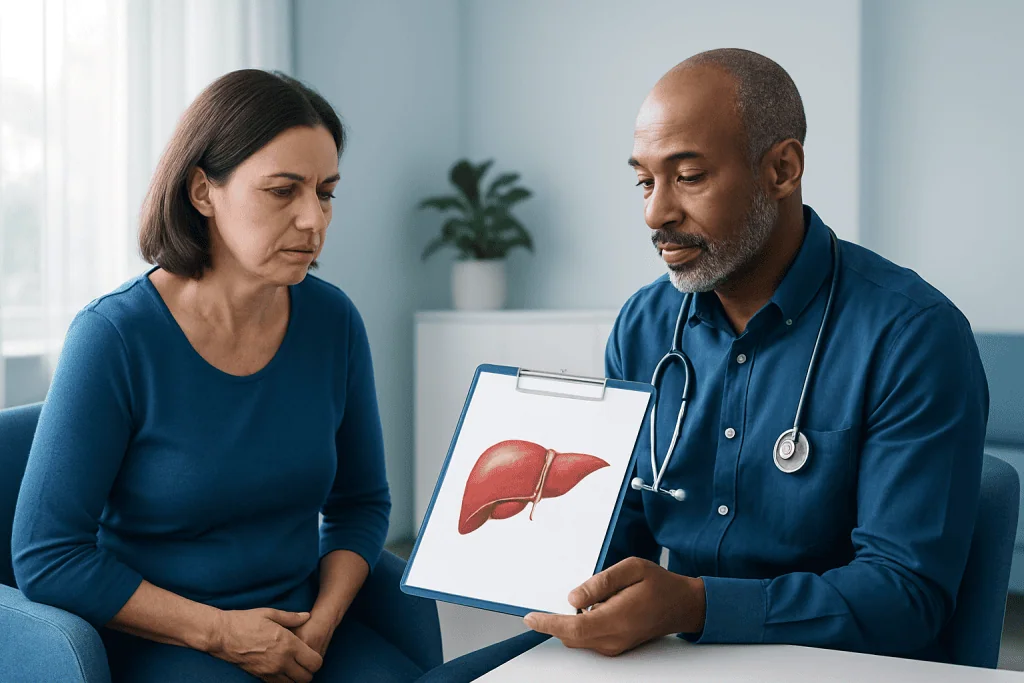
Liver cancer develops when liver cells acquire genetic changes that allow them to grow uncontrollably. In many cases, this happens in the setting of long-term liver injury and inflammation. Chronic liver disease is one of the strongest risk factors.
Common risk factors include cirrhosis from any cause, chronic hepatitis B infection, chronic hepatitis C infection, and heavy alcohol-related liver damage. Nonalcoholic fatty liver disease and nonalcoholic steatohepatitis can also raise risk, especially when they lead to scarring of the liver. People with inherited liver disorders, diabetes, obesity, or long-term exposure to certain toxins may also have a higher chance of developing liver cancer.
Having a risk factor does not mean a person will definitely develop cancer, and some people diagnosed with liver cancer may not have clear symptoms early on. This is why regular monitoring matters for high-risk groups, particularly those living with cirrhosis or chronic viral hepatitis.
Because symptoms can overlap with other conditions such as liver cirrhosis or chronic hepatitis, a careful medical evaluation is needed to identify the true cause.
How Liver Cancer Is Diagnosed
Diagnosis usually begins with a review of symptoms, medical history, and risk factors. A doctor will ask about previous liver disease, hepatitis infection, alcohol use, family history, and any recent changes such as weight loss or jaundice. A physical examination may look for abdominal swelling, tenderness, enlarged liver, or fluid buildup.
Blood tests can help assess liver function and may include tests for hepatitis viruses and tumor markers such as alpha-fetoprotein in selected cases. Imaging is a key part of diagnosis. Ultrasound is often used for screening in high-risk patients, while contrast-enhanced CT or MRI can help characterize liver lesions in more detail.
In some situations, doctors can diagnose liver cancer based on characteristic imaging findings in a person with cirrhosis. In others, a biopsy may be recommended to examine a tissue sample. If there is concern for spread beyond the liver, additional imaging may be needed. Some patients may also be evaluated with advanced imaging as part of PET-CT scanning when clinically appropriate.
Treatment Options
Treatment depends on the size and number of tumors, whether the cancer has spread, how well the liver is functioning, and the person’s overall health. When liver cancer is found early, treatment may focus on removing or destroying the tumor. Options can include surgery, local ablation techniques, or in selected cases liver transplantation.
If surgery is not suitable, other approaches may help control the disease. These can include embolization procedures that target the tumor’s blood supply, radiation therapy, and medicines such as targeted therapy or immunotherapy. A specialist team may also consider radioembolization for certain patients with tumors in the liver.
Because liver cancer often occurs in people who already have liver disease, treatment planning can be complex. The best approach usually comes from a multidisciplinary team that may include hepatologists, oncologists, surgeons, interventional radiologists, and transplant specialists. In some situations, care may also involve medical oncology to guide systemic treatment options.
Near the end of the care pathway, some international patients seek evaluation at centers such as Acibadem International, where multidisciplinary specialists in JCI-accredited hospitals diagnose and treat liver cancer using individualized plans.
Prevention and Self-Care
Not all cases of liver cancer can be prevented, but risk can often be reduced. Vaccination against hepatitis B, treatment for hepatitis B or C, limiting alcohol use, maintaining a healthy weight, and managing diabetes can all support liver health. Avoiding exposure to toxins and using medicines only as directed may also help protect the liver.
For people with cirrhosis or chronic hepatitis, regular follow-up is especially important. Doctors may recommend surveillance with ultrasound, sometimes along with blood tests, at scheduled intervals. Screening does not prevent cancer, but it can help identify changes earlier in people at increased risk.
Self-care also means paying attention to new or persistent symptoms. Ongoing fatigue, abdominal swelling, jaundice, poor appetite, or unplanned weight loss should not be dismissed as minor problems. While these symptoms may have causes other than cancer, medical advice is the safest next step.
When to See a Doctor
A person should see a doctor if symptoms such as unexplained weight loss, loss of appetite, persistent upper abdominal pain, abdominal swelling, or jaundice develop and do not improve. Medical attention is also important for dark urine, pale stools, ongoing nausea, or severe tiredness without a clear reason.
People already diagnosed with liver disease should seek care promptly if their usual symptoms change or worsen. New swelling, confusion, increasing weakness, or yellowing of the eyes may suggest a change in liver function and should be assessed without delay.
Even when symptoms turn out to be caused by a non-cancerous condition, early evaluation is valuable. It can lead to treatment for liver disease, gallbladder problems, or infections before complications develop. A qualified doctor can explain which tests are needed and what the findings mean.
Frequently asked questions
What are the first symptoms of liver cancer?
The first symptoms of liver cancer are often vague and may include fatigue, reduced appetite, feeling full quickly, or mild discomfort in the upper abdomen. Some people have no early symptoms at all, which is why ongoing monitoring is important for those at higher risk.
Does liver cancer always cause pain?
No, liver cancer does not always cause pain, especially in the early stages. When pain occurs, it is often felt in the upper right abdomen, back, or right shoulder area.
Can liver cancer symptoms be mistaken for other conditions?
Yes, liver cancer symptoms can overlap with many other liver and digestive conditions, including hepatitis, cirrhosis, fatty liver disease, and gallbladder problems. That is why symptoms should be assessed by a doctor rather than assumed to have a simple cause.
Is jaundice always a sign of liver cancer?
No, jaundice is not always a sign of liver cancer. It can also happen with hepatitis, bile duct blockage, gallstones, and other liver disorders, but it should always be evaluated promptly.
Who is most at risk for liver cancer?
People with cirrhosis, chronic hepatitis B or C, heavy alcohol-related liver disease, and certain metabolic liver conditions have a higher risk. Obesity, diabetes, and fatty liver disease can also increase risk, particularly when liver scarring is present.
How is liver cancer found early?
Liver cancer is often found early through surveillance in high-risk people rather than through symptoms alone. Doctors may use regular ultrasound exams and sometimes blood tests to monitor the liver over time.
References
- World Health Organization
- American Cancer Society
- National Cancer Institute
- European Society for Medical Oncology
- American Association for the Study of Liver Diseases
This article is for general information only and is not a substitute for professional medical advice. Please consult a qualified doctor about your individual situation.
Liver Cancer in Turkey — costs, top hospitals & a free quote
JCI-accredited · board-certified surgeons · reply within 24h
Add us as a Preferred Source to see more of our trusted health content across Google Search, AI Overviews and Discover.

Medical Oncology Department
Medical treatment of cancer with chemotherapy, immunotherapy and targeted therapies under a multidisciplinary tumor board.
60 specialists in this unitMore from the Health Library



Related Specialists

Dr. Halise Akgüneş
Emergency Service
Dr. Tuna Yildirim
General Surgery
Dyt. Gülden Cinasal Demir
Nutrition & Diet
Dr. Kutluhan Demirarslan
Inpatient Clinic Physicians Clinical Service