

What Does the Prostate Do? Function and Common Problems

The prostate produces part of the fluid that nourishes and protects sperm. It sits below the bladder and surrounds part of the urethra, so prostate problems can affect urination.
Key Takeaways
- The prostate produces part of the fluid that nourishes and protects sperm.
- It sits below the bladder and surrounds part of the urethra, so prostate problems can affect urination.
- Common prostate conditions include benign enlargement, prostatitis, and prostate cancer.
- Symptoms may include weak urine flow, frequent urination, pelvic discomfort, or blood in urine or semen.
- A doctor may use history, examination, urine tests, PSA testing, imaging, or biopsy to evaluate the prostate.
- Many prostate conditions are treatable, especially when assessed early.
The prostate is a small gland in the male reproductive system that helps produce fluid for semen. Understanding what the prostate does can also make it easier to recognize common prostate problems such as enlargement, inflammation, and cancer.
Overview: What Does the Prostate Do?
The prostate is a small gland found in people assigned male at birth. It is part of the reproductive system and is located just below the bladder, in front of the rectum. The urethra, the tube that carries urine out of the body, passes through the center of the prostate. Because of this location, changes in the prostate can affect both reproductive function and urination.
The main job of the prostate is to produce a fluid that becomes part of semen. This fluid helps nourish, protect, and transport sperm. During ejaculation, the prostate contracts and helps push this fluid into the urethra, where it mixes with sperm and fluids from other glands.
The prostate normally changes with age. In younger adults, it is usually about the size of a walnut. Over time, it may become larger, which is common and not always linked to cancer. Still, because the gland surrounds the urethra, even noncancerous enlargement can cause bothersome urinary symptoms.
When people ask, what does the prostate do, the simplest answer is that it supports male fertility by making and releasing part of the seminal fluid. At the same time, its location means that prostate health can have a significant effect on bladder emptying, urine flow, and overall comfort.
How the Prostate Works in the Body
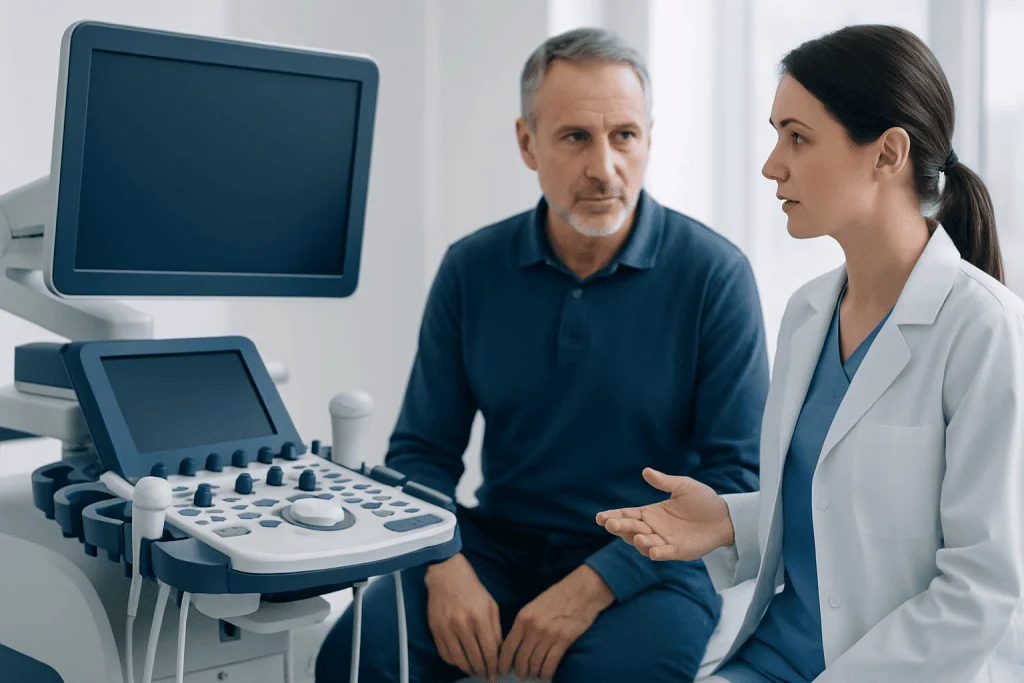
The prostate contains glands and muscle tissue. The glandular part produces a milky fluid that contributes to semen. This fluid contains substances that help sperm survive and move more effectively. The muscular part helps move prostatic fluid into the urethra during ejaculation.
Hormones, especially testosterone and its active form dihydrotestosterone, influence prostate growth and function. These hormones help the gland develop and maintain its role in the reproductive system. As hormone patterns shift with age, the prostate may also change in size and behavior.
The prostate is not essential for life, but it is important for reproductive health. A person can live without a functioning prostate, especially after certain treatments, but fertility and sexual function may be affected depending on the condition and treatment used. This is why treatment decisions often balance symptom relief, cancer control when needed, and quality of life.
Because the prostate lies close to the bladder, pelvic floor, and nerves involved in sexual function, problems in this small gland can have broader effects. They may influence urination, ejaculation, pelvic comfort, and sometimes erections, although erectile problems can have many other causes as well.
Common Prostate Problems
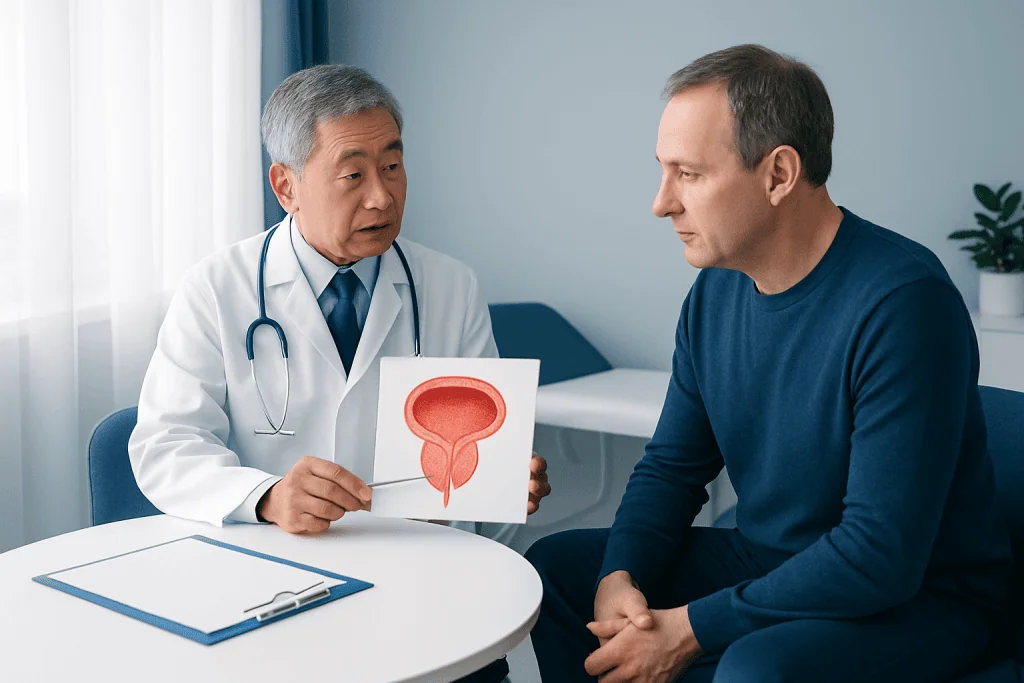
Several conditions can affect the prostate. The most common are benign prostatic hyperplasia, prostatitis, and prostate cancer. These conditions are different from one another, and having one does not necessarily mean a person will develop another.
Benign prostatic hyperplasia, often called enlarged prostate, is a noncancerous increase in prostate size that becomes more common with age. It can press on the urethra and make urination more difficult. Symptoms may include a weak urine stream, trouble starting urination, dribbling, frequent urination, especially at night, and a feeling that the bladder does not empty fully. Readers looking for more detail may also find benign prostatic hyperplasia helpful.
Prostatitis means inflammation of the prostate. It may be caused by a bacterial infection, but sometimes no infection is found. Prostatitis can cause pelvic pain, pain with urination, pain with ejaculation, urinary urgency, fever, or general discomfort, depending on the type. It can affect younger and middle-aged adults as well as older adults.
Prostate cancer develops when cells in the prostate grow abnormally. In its early stages, it may not cause symptoms at all. When symptoms do occur, they may resemble those of an enlarged prostate, which is why medical evaluation is important. More information is available in prostate cancer.
Symptoms That May Suggest a Prostate Issue
Not every prostate condition causes symptoms, but several signs can suggest that the gland needs medical attention. Urinary symptoms are especially common because the prostate surrounds the urethra. A person may notice difficulty starting urination, a weak stream, stopping and starting, urgency, frequent urination, or waking at night to pass urine.
Some people develop pain or discomfort. This may be felt in the pelvis, lower back, groin, rectal area, or during ejaculation. Painful urination can occur with prostatitis and may also be seen with urinary tract problems that are not caused by the prostate itself.
Warning signs that should not be ignored include blood in the urine, blood in the semen, inability to urinate, fever with pelvic pain, or unexplained weight loss. These symptoms do not always mean cancer, but they do need prompt assessment.
It is also important to remember that prostate symptoms can overlap with other conditions, such as bladder disorders, urinary infections, kidney stones, or nerve-related bladder problems. A proper diagnosis helps guide the right treatment rather than relying on symptoms alone.
Causes and Risk Factors
The exact reasons for prostate conditions vary. Age is one of the strongest factors. Noncancerous enlargement becomes more common as men get older, likely because of long-term hormonal influences and natural tissue changes. Prostate cancer risk also increases with age.
Family history may play a role, especially in prostate cancer. A person with a close relative who had prostate cancer may have a higher risk and may need personalized advice about screening. Ethnic background can also influence risk in some populations, although individual assessment remains important.
Infections can contribute to some cases of prostatitis. In other cases, inflammation may be related to pelvic floor muscle tension, prior urinary tract issues, or causes that are not fully understood. Lifestyle factors such as obesity, low physical activity, and smoking are not direct causes of every prostate condition, but they can affect overall urinary and general health.
Having urinary symptoms does not automatically mean cancer. In fact, benign enlargement is a much more common cause of urinary problems in older adults. Still, it is sensible to have new, persistent, or worsening symptoms assessed by a qualified doctor.
How Doctors Diagnose Prostate Conditions
Diagnosis usually begins with a discussion of symptoms, medical history, medications, and family history. A doctor may ask about urinary habits, pain, sexual symptoms, fever, or any recent infections. A physical examination may include a digital rectal exam, in which the doctor gently feels the prostate through the rectal wall to assess its size, shape, and texture.
Urine tests can help look for infection, blood, or other abnormalities. Blood tests may include a prostate-specific antigen test, often called PSA. PSA can be elevated for several reasons, including enlargement, inflammation, infection, and cancer, so it is a useful tool but not a diagnosis by itself.
Imaging and specialized tests may be recommended depending on the situation. These can include ultrasound, MRI, or studies that assess bladder emptying and urine flow. If cancer is suspected, a doctor may advise a prostate biopsy. In selected cases, advanced imaging may also help clarify the next steps.
The goal of evaluation is not only to find the cause, but also to understand how severe the condition is and how much it affects daily life. This helps guide whether monitoring, medication, or a procedure is the best next step.
Treatment Options
Treatment depends on the condition, symptom severity, age, general health, and personal preferences. Mild symptoms from an enlarged prostate may only need monitoring and lifestyle changes. When symptoms are more bothersome, doctors may prescribe medications that relax the prostate or reduce its size over time. Some people benefit from minimally invasive procedures or surgery, including holmium laser treatment for enlarged prostate or prostate surgery in selected cases.
Prostatitis treatment depends on the type. Bacterial prostatitis may require antibiotics, while nonbacterial forms may be managed with pain relief, hydration, warm baths, pelvic floor approaches, or medicines that help urinary symptoms. Recovery can take time, so follow-up is often important.
For prostate cancer, options may include active surveillance, surgery, radiation therapy, hormone therapy, or other targeted cancer treatments depending on the stage and grade of the disease. Some people with localized cancer may be candidates for robotic prostatectomy, while others may benefit from radiation therapy or careful monitoring.
Treatment decisions are individualized. Doctors often consider expected benefits, possible side effects, fertility considerations, urinary control, and sexual function. Near the end of the care pathway, many patients value support from a multidisciplinary team; Acibadem International’s multidisciplinary specialists in JCI-accredited hospitals diagnose and treat prostate conditions for international patients.
Prevention, Self-care, and When to See a Doctor
Not all prostate problems can be prevented, but healthy habits may support urinary and overall wellbeing. Drinking enough water, staying physically active, maintaining a healthy weight, and avoiding smoking can help general health. Some people find it useful to limit caffeine or alcohol if these worsen urinary urgency or frequency.
It may also help to avoid delaying urination for long periods and to discuss over-the-counter medicines with a doctor, since some cold and allergy products can worsen urinary symptoms in people with enlarged prostates. Pelvic floor relaxation strategies may be useful for certain types of chronic pelvic pain, but these should be guided by a professional when symptoms are persistent.
People should seek medical advice if they have new urinary symptoms, pelvic pain, blood in urine or semen, painful ejaculation, or repeated urinary infections. Urgent care is needed for inability to urinate, fever with chills, severe pain, or signs of a serious infection.
Regular checkups can be helpful, especially for older adults or those with a family history of prostate cancer. Decisions about PSA testing and prostate cancer screening should be made with a doctor, based on age, risk factors, and personal values. Early assessment often makes treatment choices clearer and may reduce anxiety.
Frequently asked questions
What does the prostate do in simple terms?
The prostate makes some of the fluid that forms semen. It helps nourish and protect sperm and helps move this fluid during ejaculation.
Can prostate problems affect urination?
Yes. Because the prostate surrounds part of the urethra, swelling or enlargement can slow urine flow or make it harder to empty the bladder. This is why frequent urination, weak stream, and nighttime urination are common prostate-related symptoms.
Does an enlarged prostate mean cancer?
No. An enlarged prostate is usually a noncancerous condition called benign prostatic hyperplasia. However, similar symptoms can occur in prostate cancer, so a doctor should evaluate persistent or changing symptoms.
At what age do prostate problems usually start?
Prostate enlargement becomes more common with age, especially after midlife. Prostatitis can occur earlier as well, while prostate cancer risk generally rises in older adults.
Is PSA testing enough to diagnose prostate cancer?
No. PSA is a helpful blood test, but it cannot confirm cancer on its own. Doctors interpret PSA together with symptoms, examination findings, imaging, and sometimes a biopsy.
When should someone see a doctor about prostate symptoms?
A doctor visit is a good idea for ongoing urinary changes, pelvic pain, blood in urine or semen, or pain with ejaculation. Urgent care is needed if a person cannot urinate, has fever with severe urinary symptoms, or develops intense pain.
References
- National Cancer Institute
- American Urological Association
- National Institute of Diabetes and Digestive and Kidney Diseases
- European Association of Urology
- Urology Care Foundation
This article is for general information only and is not a substitute for professional medical advice. Please consult a qualified doctor about your individual situation.
Oncology care in Turkey — second opinion and treatment plan
JCI-accredited · board-certified surgeons · reply within 24h
Add us as a Preferred Source to see more of our trusted health content across Google Search, AI Overviews and Discover.

More from the Health Library



Related Specialists

Prof. Dr. Metehan Özen
Pediatric Infectious Diseases
Assoc. Prof. Dr. Hüseyin Cahit Yılmaz
General Surgery
Prof. Dr. Yaman Sarpel
Orthopedic Surgery & Traumatology
Assoc. Prof. Dr. Murat Urkan
General Surgery