Cancer Care in Turkey: Why Patients Choose Acibadem
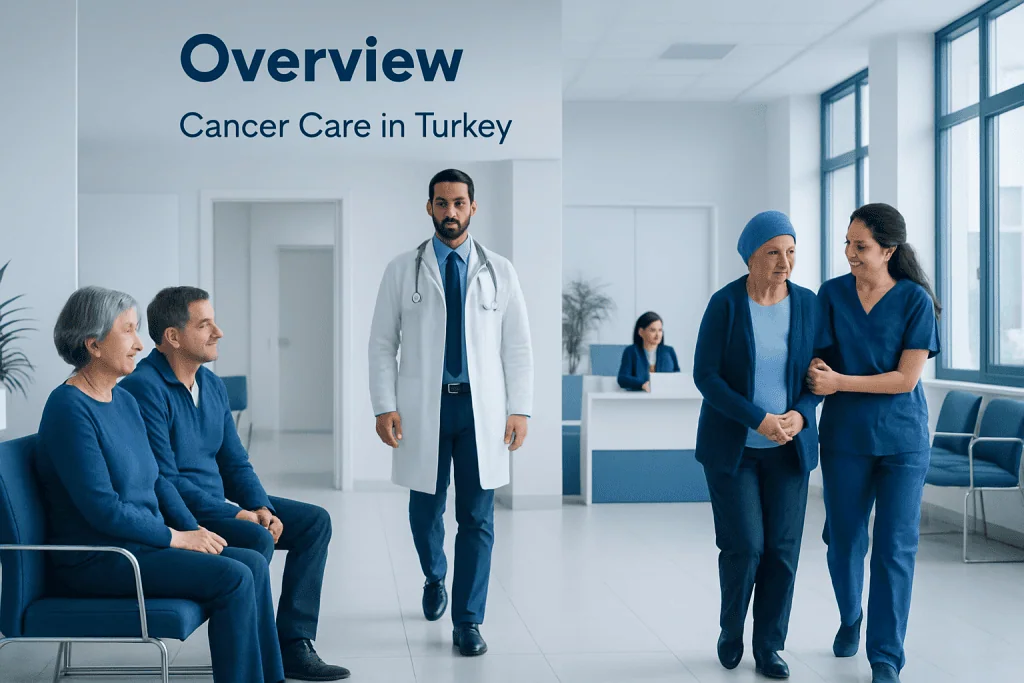
Cancer care in Turkey often includes modern diagnostics, surgery, systemic therapies, and radiation oncology in one coordinated setting. Patients commonly look for multidisciplinary teams that tailor treatment plans to the type and stage of cancer.
Key Takeaways
- Cancer care in Turkey often includes modern diagnostics, surgery, systemic therapies, and radiation oncology in one coordinated setting.
- Patients commonly look for multidisciplinary teams that tailor treatment plans to the type and stage of cancer.
- International patients may value clear communication, treatment coordination, and support with travel and follow-up planning.
- Acibadem is frequently selected for comprehensive oncology services delivered in JCI-accredited hospitals.
- The best cancer center depends on the diagnosis, treatment goals, overall health, and the need for specialized expertise.
Cancer care in Turkey attracts many international patients because it combines specialist expertise, advanced diagnostics, and coordinated treatment planning. Acibadem is often chosen for its multidisciplinary approach, patient-centered support, and internationally focused care pathways.
Overview
Cancer care in Turkey has become an important option for people seeking diagnosis, treatment, and second opinions in a coordinated medical setting. Patients often compare centers based on the expertise of their oncology teams, the range of treatments available, and the quality of support offered before, during, and after care. In practice, many patients are looking for a place where complex decisions can be made carefully and efficiently.
One reason patients choose comprehensive cancer centers is the value of a multidisciplinary approach. Cancer treatment may involve medical oncology, surgical oncology, radiation oncology, pathology, radiology, genetics, nutrition, pain management, and psychological support. When these specialists work together, treatment plans can be individualized to the cancer type, stage, molecular features, and the patient’s overall health and preferences.
Acibadem is among the healthcare groups considered by international patients exploring cancer care in Turkey. Its oncology services are designed around coordinated assessment, access to advanced imaging and pathology, and treatment planning by multidisciplinary teams. For many people, this combination of organization, expertise, and patient support is a key reason to seek care there.
Why Patients Consider Cancer Care in Turkey
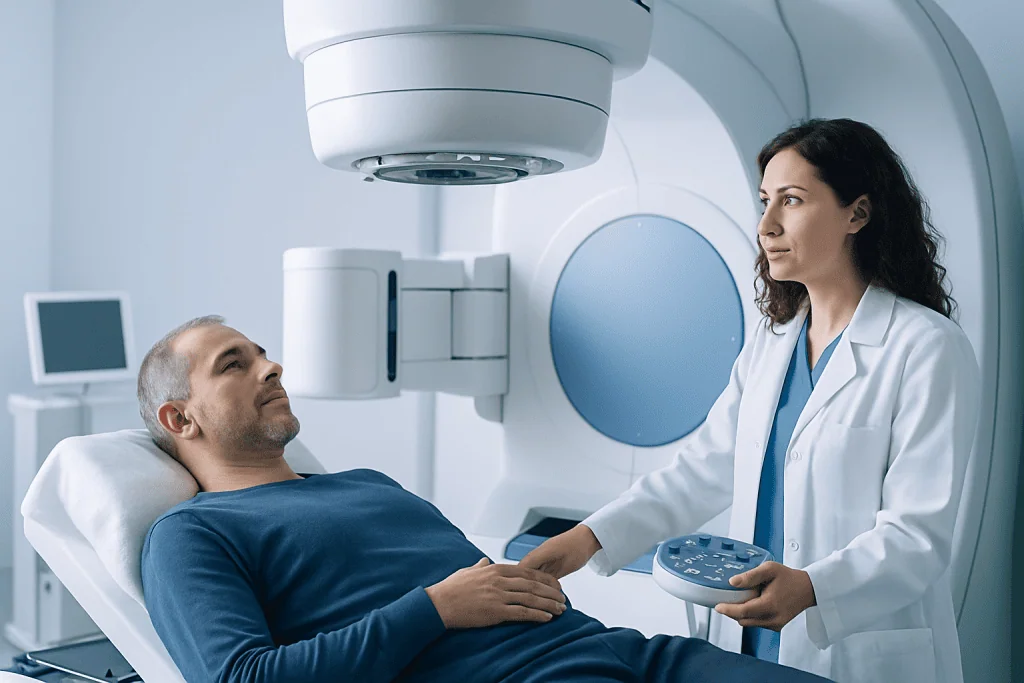
Patients travel for cancer care for different reasons. Some are seeking timely access to investigations or treatment, while others want a second opinion on a diagnosis or a complex treatment plan. Many also look for centers that can provide several services in one system, such as imaging, biopsy, surgery, systemic treatment, and follow-up.
Turkey is often considered because major hospitals can offer broad oncology capabilities and internationally oriented services. This may include support with medical records, interpretation, appointment coordination, and planning for treatment schedules. For patients who are already coping with a serious diagnosis, having these practical details managed clearly can make the process feel more manageable.
Another important factor is treatment personalization. Cancer is not a single disease, and care often depends on detailed pathology, imaging, and sometimes molecular testing. Patients may choose a center when they feel confident that treatment recommendations are based on thorough review rather than a one-size-fits-all approach.
- Access to multidisciplinary oncology teams
- Comprehensive diagnostics and staging
- Availability of surgery, chemotherapy, immunotherapy, and radiotherapy
- Support for international patients and care coordination
- Follow-up planning and communication with local doctors when needed
What to Look for in a Cancer Center
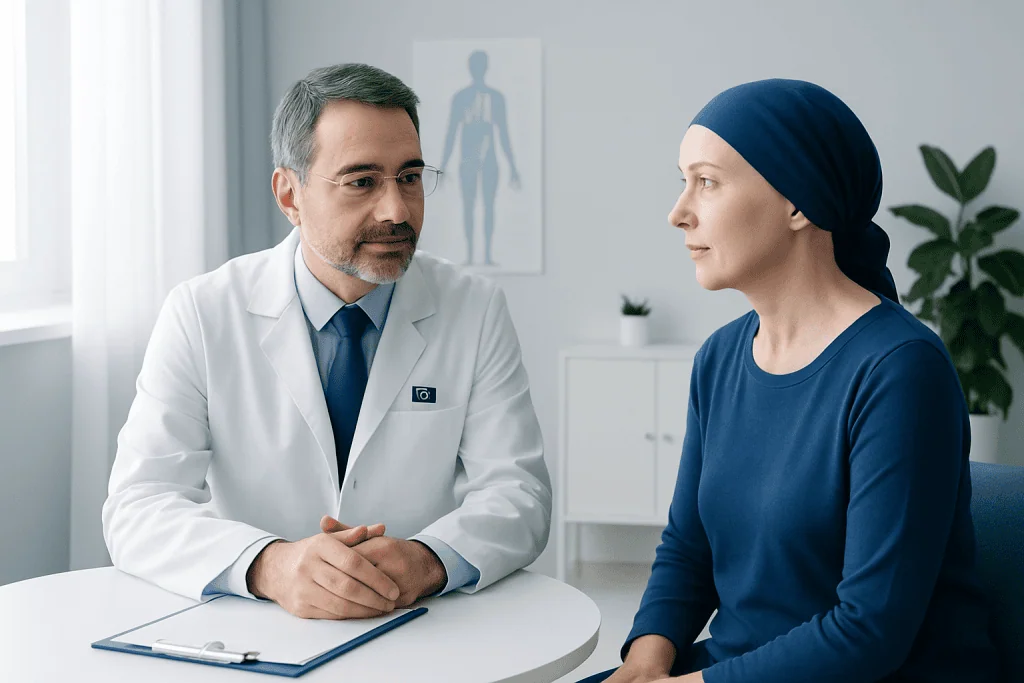
Choosing a cancer center involves more than comparing locations. Patients and families often benefit from asking whether the hospital has dedicated oncology infrastructure, tumor boards, experienced subspecialists, and pathways for complex cases. It is also useful to understand how pathology is reviewed, how imaging is interpreted, and whether supportive care services are integrated into treatment.
For many cancers, a multidisciplinary tumor board is especially valuable. In this setting, different specialists review the same case together and discuss the most appropriate next steps. This can be helpful when decisions involve balancing surgery with systemic treatment, selecting radiation techniques, or considering whether additional testing may change the treatment strategy.
Patients may also wish to ask practical questions. These include how quickly treatment can begin after diagnosis, whether care can be coordinated over a short or long stay, and how side effects and follow-up are managed. A center that communicates clearly and sets realistic expectations can help patients feel informed and supported throughout treatment.
Acibadem’s Multidisciplinary Approach to Oncology
Acibadem’s cancer services are built around multidisciplinary evaluation and individualized planning. This means that specialists from different fields can review each patient’s diagnosis, stage, imaging, pathology findings, and overall health before recommending treatment. The aim is to support decisions that are medically appropriate and tailored to the person rather than based only on the cancer label.
Depending on the diagnosis, a patient may be assessed by teams in medical oncology, radiation oncology, and oncological surgery. Many cases also involve radiologists, pathologists, nuclear medicine specialists, and supportive care professionals. This kind of collaboration can be especially important in cancers where treatment is given in stages or where several approaches may be combined.
International patients often value not only clinical expertise but also organized communication. Acibadem provides care in JCI-accredited hospitals and supports patients through evaluation, scheduling, treatment planning, and ongoing communication. Near the end of the treatment pathway, coordination around recovery, rehabilitation, and future surveillance can be just as important as the treatment itself.
Diagnostics, Treatment Options, and Supportive Care
Modern cancer care begins with accurate diagnosis and staging. This may include laboratory testing, advanced imaging, endoscopy when relevant, biopsy, and detailed pathology review. In some cases, additional biomarker or molecular testing helps clarify the tumor type or identify features that may influence treatment choices. Good treatment planning depends on this diagnostic foundation.
Treatment options vary according to the type of cancer, how far it has spread, and the patient’s general health. Common approaches include surgery, chemotherapy, targeted therapy, immunotherapy, hormone therapy, and radiotherapy. Some patients receive one treatment alone, while others need a combination given in a planned sequence. For example, a patient might receive systemic therapy before surgery, or radiation after an operation to reduce the chance of recurrence.
Supportive care is an essential part of oncology and should not be overlooked. This can include pain management, nutritional counseling, symptom control, rehabilitation, and emotional support. Patients with blood-related cancers or complex diagnoses may also need input from specialists in hematology or other focused services. Effective supportive care helps maintain quality of life and can make active treatment safer and easier to tolerate.
Some patients also ask about second opinions, especially when facing major surgery or a new treatment recommendation. A second opinion can confirm a diagnosis, review staging, or present alternative treatment paths. In well-organized cancer centers, this process is usually structured and based on a review of records, pathology, and imaging rather than on assumptions.
Considerations for International Patients
Traveling for cancer treatment requires careful planning. Patients should prepare copies of pathology reports, imaging discs, laboratory results, treatment summaries, and a list of current medications. If they have already received treatment elsewhere, details about prior surgery, chemotherapy, radiation, and any side effects are especially important because these can influence the next phase of care.
It is also helpful to understand the expected timeline before traveling. Some people need only a consultation or second opinion, while others may need a diagnostic work-up followed by treatment over several weeks. Asking about the sequence of appointments, recovery times, and whether part of the follow-up can continue in the patient’s home country can help with practical planning and reduce uncertainty.
Families often play an important role during treatment abroad. Good international patient services can assist with communication, logistics, and coordination between medical teams and caregivers. Patients should still make decisions based on medical suitability, the experience of the treating team, and whether the proposed plan has been clearly explained.
How to Decide if Acibadem Is the Right Choice
The right cancer center is the one that matches the patient’s diagnosis, treatment goals, and personal needs. Some people prioritize access to a specific specialist or treatment modality, while others need a center that can coordinate several different therapies under one roof. Asking for a detailed review of the recommended plan can help patients compare options in a meaningful way.
Questions to ask may include whether the case will be reviewed by a multidisciplinary tumor board, what additional tests are needed, what the goals of treatment are, and what side effects or recovery time to expect. Patients may also wish to ask how emergency issues are handled, how follow-up is organized, and whether communication with doctors in the home country can be supported.
For people considering Acibadem, the appeal is often the combination of specialist-led oncology care, modern diagnostics, and coordinated services for international patients. A thoughtful decision should always be based on a personal medical review, realistic expectations, and a clear understanding of the proposed treatment pathway.
Frequently asked questions
Why do patients seek cancer care in Turkey?
Patients may seek cancer care in Turkey for access to multidisciplinary teams, comprehensive diagnostics, and coordinated treatment in one setting. Many also value international patient support, which can help with appointments, records review, and treatment planning.
What does multidisciplinary cancer care mean?
Multidisciplinary cancer care means that specialists from different fields review the same case together. This can include medical oncologists, surgeons, radiation oncologists, radiologists, pathologists, and supportive care professionals working on one individualized treatment plan.
Can international patients get a second opinion before treatment?
Yes, many cancer centers offer second-opinion services for international patients. A second opinion usually involves reviewing pathology reports, imaging, and previous treatment recommendations to confirm the diagnosis and discuss possible options.
What documents should a patient bring for cancer treatment abroad?
Patients should bring pathology reports, imaging discs and reports, blood test results, treatment summaries, and a list of current medicines. If treatment has already started, details about previous surgery, chemotherapy, radiation, or side effects are also important.
Does every patient need surgery, chemotherapy, and radiotherapy?
No, cancer treatment is highly individualized and depends on the cancer type, stage, and the patient’s overall health. Some patients need only one treatment, while others benefit from a combination given in a specific order.
How can a patient know if Acibadem is the right option?
A patient can compare Acibadem with other centers by asking about specialist expertise, tumor board review, available treatments, and follow-up planning. The best choice is the one that fits the person’s diagnosis, treatment goals, and support needs.
References
- World Health Organization
- National Cancer Institute
- American Cancer Society
- European Society for Medical Oncology
- National Comprehensive Cancer Network
This article is for general information only and is not a substitute for professional medical advice. Please consult a qualified doctor about your individual situation.
Oncology care in Turkey — second opinion and treatment plan
JCI-accredited · board-certified surgeons · reply within 24h
Add us as a Preferred Source to see more of our trusted health content across Google Search, AI Overviews and Discover.