Joint Cartilage Damage: Early Symptoms, Causes, and Treatment Options

Cartilage helps joints move smoothly and absorb impact. Damage may develop gradually from wear and tear or suddenly after an injury.
Key Takeaways
- Cartilage helps joints move smoothly and absorb impact.
- Damage may develop gradually from wear and tear or suddenly after an injury.
- Common symptoms include joint pain, stiffness, swelling, and clicking or catching.
- Diagnosis often includes a physical exam and imaging such as X-rays or MRI.
- Treatment ranges from exercise and medication to injections or surgery, depending on severity.
Joint cartilage damage happens when the smooth tissue covering the ends of bones becomes worn, torn, or injured. It can lead to pain, stiffness, swelling, and reduced movement, but early assessment and appropriate treatment may help preserve joint function.
Overview
Joint cartilage damage refers to injury or breakdown of the smooth, rubbery tissue that covers the ends of bones inside a joint. This tissue, called articular cartilage, reduces friction and helps the joint move easily. It also acts as a cushion, helping absorb force during walking, running, lifting, and other daily activities.
Because cartilage has a limited blood supply, it does not heal as quickly or as fully as many other tissues in the body. Small areas of damage may cause mild symptoms at first, while larger defects can interfere with normal movement and increase stress on the surrounding bone and soft tissues. Over time, untreated damage may contribute to ongoing joint problems and loss of function.
Cartilage damage can affect many joints, but it is especially common in the knee, hip, ankle, shoulder, and elbow. Some people develop symptoms after a sports injury or accident, while others notice a gradual onset related to aging, repetitive use, or underlying joint conditions such as osteoarthritis.
Symptoms of Joint Cartilage Damage
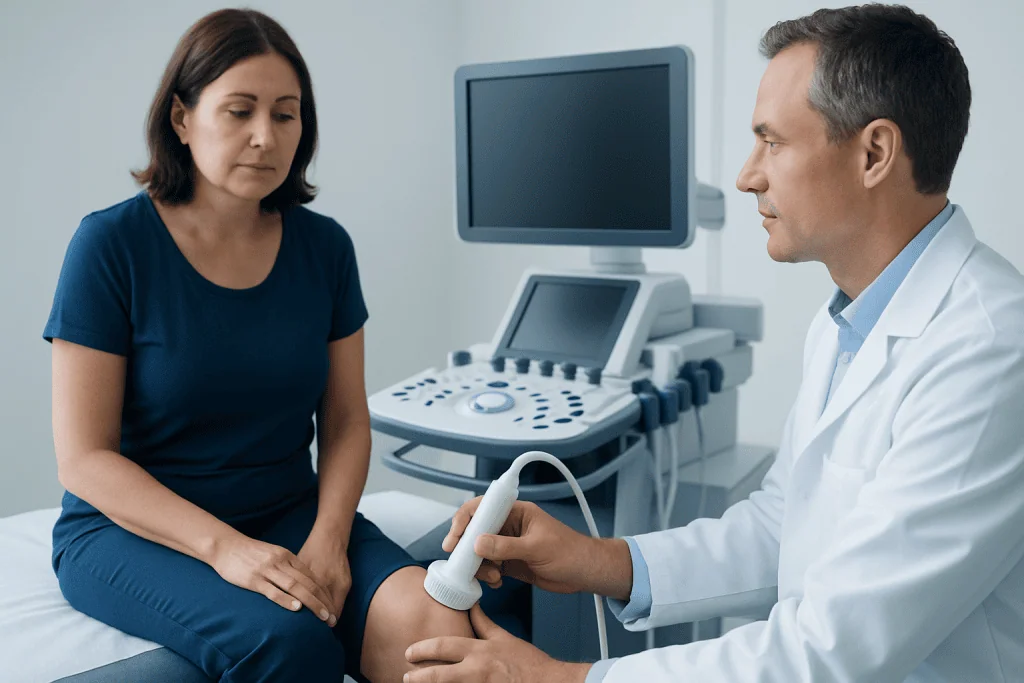
The symptoms of joint cartilage damage can vary depending on the joint involved, the size of the damaged area, and whether other structures such as ligaments or bone are also affected. In the early stages, symptoms may be intermittent and appear only during activity. As damage becomes more significant, discomfort may become more frequent or persistent.
Common symptoms include pain during movement or weight-bearing, stiffness after resting, swelling, and a feeling that the joint is not moving as smoothly as before. Some people describe grinding, clicking, catching, or locking sensations. A joint may also feel weak or unstable, especially after exercise or prolonged standing.
Possible signs include:
- Joint pain during activity or after use
- Swelling around the joint
- Stiffness, especially in the morning or after sitting
- Reduced range of motion
- Clicking, catching, or locking
- A sense of instability or giving way
Symptoms do not always match the amount of damage seen on imaging. Mild changes can sometimes cause significant discomfort, while more advanced cartilage wear may develop gradually with fewer early warning signs. For this reason, a medical assessment is helpful when joint symptoms continue or interfere with normal life.
Causes and Risk Factors
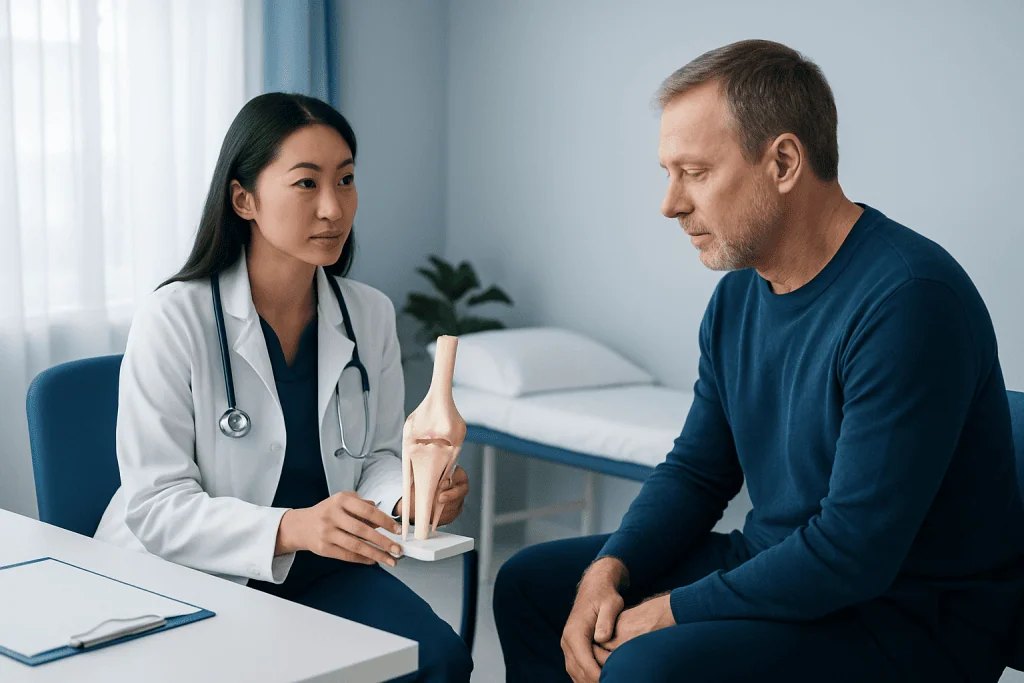
Joint cartilage damage may happen suddenly or develop over time. Acute injuries are often related to twisting, impact, falls, sports trauma, or accidents. In these cases, the cartilage may be bruised, cracked, or torn. Sometimes the damage occurs alongside ligament injury, meniscus injury, or dislocation, especially in the knee or shoulder.
Degenerative damage develops more gradually. Repeated stress on a joint can slowly wear down the cartilage surface, particularly in people who perform repetitive movements at work or in sports. Aging also plays an important role because cartilage becomes less resilient over time. Excess body weight can place additional stress on weight-bearing joints such as the hips and knees.
Several factors can increase the risk of cartilage damage:
- Previous joint injury
- High-impact sports or repetitive joint loading
- Older age
- Excess body weight
- Poor joint alignment
- Muscle weakness or reduced joint stability
- Inflammatory or degenerative joint disease
Cartilage damage may also be associated with structural problems in the joint, such as abnormal kneecap tracking or uneven pressure across the cartilage surface. When the underlying cause is not addressed, symptoms may return even after temporary improvement.
How Doctors Diagnose It
Diagnosis begins with a medical history and physical examination. The doctor will ask when symptoms began, whether there was a specific injury, which movements make symptoms worse, and how the problem affects daily activities. During the examination, the joint may be checked for swelling, tenderness, alignment, range of motion, stability, and sounds such as clicking or grinding.
Imaging tests help clarify the diagnosis. X-rays do not show cartilage directly, but they can reveal joint space narrowing, bone changes, or signs of arthritis. Magnetic resonance imaging is often useful because it can show cartilage, ligaments, menisci, tendons, and nearby bone in greater detail. In some situations, ultrasound or CT may also be used depending on the joint and the suspected problem.
If symptoms are ongoing and imaging is unclear, a specialist may recommend further evaluation. In selected cases, arthroscopy may be used to look inside the joint directly and sometimes treat the problem at the same time. This is often considered when symptoms such as locking, catching, or persistent pain suggest a structural injury that has not improved with conservative care.
Accurate diagnosis is important because joint pain can have several causes, including tendon problems, ligament injury, inflammation, or advanced arthritis. Understanding the exact source of symptoms helps guide the most appropriate treatment plan.
Treatment Options
Treatment depends on the location and severity of the damage, the person’s age, activity level, symptoms, and whether there are other joint problems. Mild to moderate cases often improve with non-surgical care. This may include temporary activity modification, ice, supportive bracing when appropriate, and medicines to reduce pain and inflammation. A doctor may also recommend a structured physical therapy program to improve strength, mobility, and joint mechanics.
Physical therapy is a key part of care because stronger muscles can reduce stress on the joint and improve stability. Weight management may also help, especially for knee and hip symptoms. Some people may benefit from injections, depending on the clinical situation and the joint involved. These are considered on an individual basis after a medical assessment.
When symptoms continue despite conservative treatment, surgical options may be discussed. These may include minimally invasive arthroscopy to assess and treat damage inside the joint, cartilage repair or restoration procedures, or surgery to correct associated problems such as instability or malalignment. In advanced cases with severe joint degeneration, knee replacement or hip replacement may be considered if the affected joint is significantly damaged.
The most suitable treatment varies from person to person. A specialist will usually consider symptom severity, imaging findings, functional goals, and overall joint health before recommending the next step. The goal is to reduce pain, improve movement, and protect the joint as much as possible.
Prevention and Self-care
Not all cartilage damage can be prevented, but certain habits may lower the risk or help slow progression. Protecting joints during sports, building muscle strength, and maintaining flexibility can improve how forces are distributed across the joint. Proper technique during exercise and the use of suitable footwear may also reduce strain.
For people who already have symptoms, self-care can support medical treatment. Resting the joint after a flare-up, using ice for swelling, and avoiding repeated high-impact activity for a period may help. Gentle movement is usually preferable to complete inactivity, because long periods of rest can worsen stiffness and weakness.
Helpful preventive and self-care steps include:
- Warm up before exercise and increase activity gradually
- Strengthen the muscles that support the joint
- Maintain a healthy body weight
- Use proper form during sports and lifting
- Choose low-impact exercise when symptoms flare
- Address injuries early instead of pushing through pain
People with recurring joint symptoms should avoid self-diagnosing persistent pain as a simple strain. Early medical advice can help identify cartilage problems or related injuries before joint function worsens.
When to See a Doctor
Medical advice is recommended if joint pain, swelling, or stiffness lasts more than a few days, returns repeatedly, or limits walking, exercise, work, or daily tasks. A doctor should also evaluate symptoms that began after a significant fall, twisting injury, sports accident, or direct impact to the joint.
Urgent assessment may be needed if a joint becomes severely swollen, cannot bear weight, looks deformed, locks in place, or feels unstable after an injury. Fever, redness, or intense warmth around the joint also deserves prompt medical attention because infection or significant inflammation may need to be excluded.
Seeing a specialist early may improve the chances of managing symptoms well and protecting long-term joint health. Near the end of the care pathway, international patients may also seek evaluation at Acibadem International, where multidisciplinary specialists in JCI-accredited hospitals diagnose and treat joint conditions with individualized plans.
Frequently asked questions
Can joint cartilage damage heal on its own?
Cartilage has a limited ability to heal because it does not have a strong blood supply. Minor irritation may improve with rest and rehabilitation, but deeper or larger areas of damage often need medical evaluation and targeted treatment.
What does cartilage damage feel like?
It often feels like joint pain during movement, stiffness after rest, or swelling after activity. Some people also notice catching, clicking, grinding, or a reduced range of motion.
Is joint cartilage damage the same as arthritis?
Not exactly. Cartilage damage can happen from an injury or from gradual wear, while arthritis is a broader term for joint disease and inflammation. However, cartilage loss is a major feature of osteoarthritis, so the two can be related.
Which joints are most commonly affected?
The knee is one of the most commonly affected joints, especially after sports injuries or repetitive strain. The hip, ankle, shoulder, and elbow can also develop cartilage damage.
Do all cases of cartilage damage need surgery?
No. Many people improve with non-surgical treatment such as physical therapy, activity modification, weight management, and pain relief measures. Surgery is usually considered when symptoms persist, function is limited, or the damage is more advanced.
How is cartilage damage diagnosed?
Doctors usually diagnose it through a combination of medical history, physical examination, and imaging tests. X-rays can show related bone changes, while MRI is often more helpful for assessing cartilage and other soft tissues.
References
- National Institute of Arthritis and Musculoskeletal and Skin Diseases
- American Academy of Orthopaedic Surgeons
- National Health Service
- Mayo Clinic
- Arthritis Foundation
This article is for general information only and is not a substitute for professional medical advice. Please consult a qualified doctor about your individual situation.
Joint and spine care in Turkey — expert assessment & treatment
JCI-accredited · board-certified surgeons · reply within 24h
Add us as a Preferred Source to see more of our trusted health content across Google Search, AI Overviews and Discover.

More from the Health Library



Related Specialists

Ali Furkan Gürler
Physical Medicine & Rehabilitation
Dr. Alper Gölpınar
Orthopedic Surgery & Traumatology
Prof. Dr. Cevdet Düger
Anesthesiology
Dr. Cengiz Bali
Clinical Laboratory