Cancer Care Explained: Who Is on Your Team and What Each Specialist Does
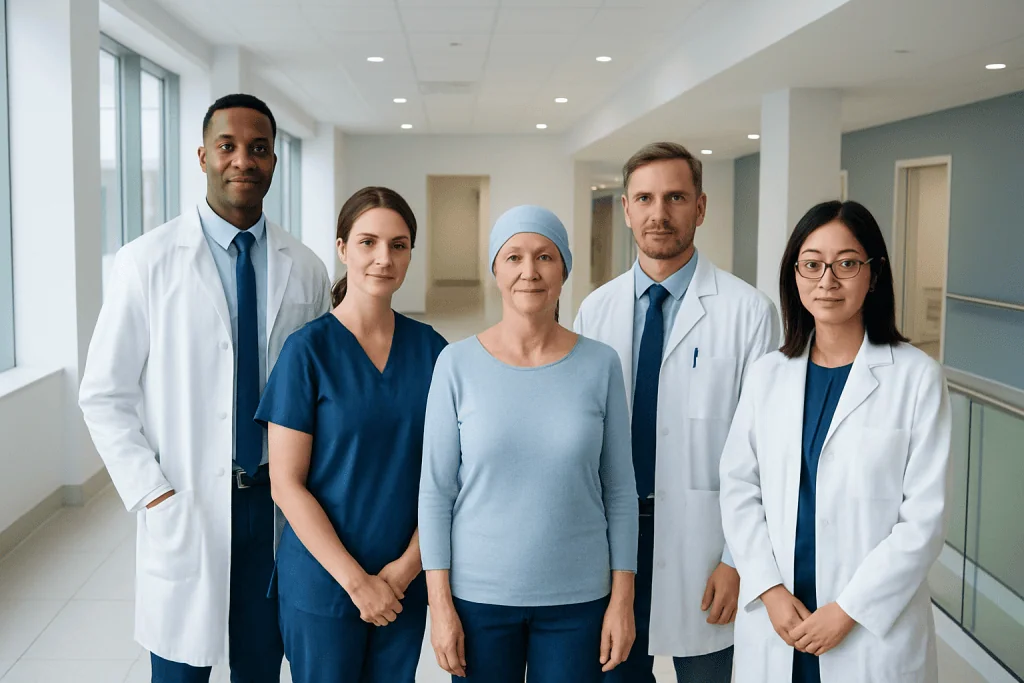
A cancer care team often includes medical, surgical, and radiation specialists working together. Nurses, pathologists, radiologists, pharmacists, and rehabilitation professionals also play important roles.
Key Takeaways
- A cancer care team often includes medical, surgical, and radiation specialists working together.
- Nurses, pathologists, radiologists, pharmacists, and rehabilitation professionals also play important roles.
- The exact team depends on the cancer type, stage, treatment plan, and the patient’s overall health.
- Good communication between team members helps coordinate tests, treatment, side effect management, and follow-up care.
- Patients can ask who their main contact is, what each specialist handles, and how treatment decisions are made.
Cancer treatment is usually provided by a team rather than one doctor alone. Each specialist has a different role, and understanding who does what can help patients feel more informed, prepared, and supported.
Overview: What a Cancer Care Team Is
A cancer care team is a group of health professionals who work together to diagnose, treat, and support a person with cancer. Because cancer care can involve imaging, laboratory testing, surgery, medicines, radiation, symptom control, nutrition, and emotional support, care is often shared across several specialties rather than managed by one doctor alone.
This team-based approach is often called multidisciplinary care. It helps ensure that treatment decisions are based on input from different experts, especially when there is more than one suitable option. For many patients, this means care is more coordinated and tailored to the specific type of cancer, its stage, and personal health needs.
The team can change over time. Some specialists are involved mainly during diagnosis, while others become more important during treatment, recovery, or long-term follow-up. Knowing who is on the team and what each person does can make appointments easier to understand and help patients feel more confident asking questions.
Core Doctors on the Cancer Team
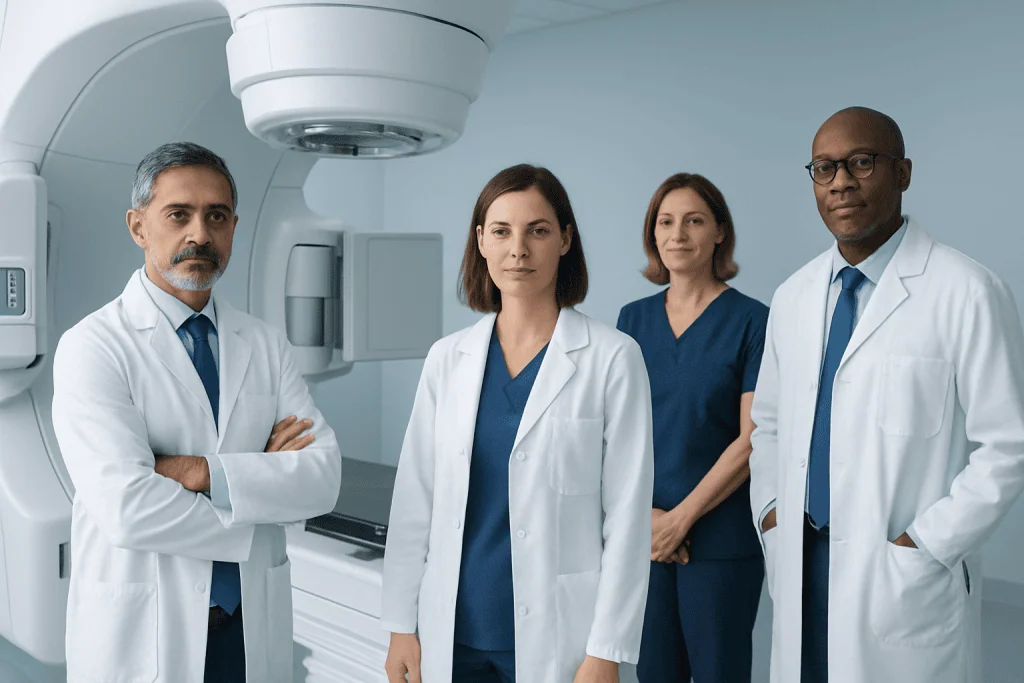
Several doctors may be involved in cancer care, and each has a specific area of expertise. A medical oncologist treats cancer using medicines such as chemotherapy, targeted therapy, immunotherapy, or hormone therapy. This doctor often helps coordinate overall treatment and follow-up, especially for cancers managed with systemic therapy.
A surgical oncologist or organ-specific surgeon performs operations to diagnose, stage, or remove tumors when surgery is part of care. For example, depending on the cancer type, a patient may see a breast surgeon, colorectal surgeon, thoracic surgeon, gynecologic oncologist, or urologic surgeon. Surgery may be used alone or combined with other treatments.
A radiation oncologist plans and supervises treatment that uses carefully targeted radiation to destroy cancer cells or reduce symptoms. This doctor works closely with medical physicists and radiation therapists to make treatment precise and safe. Some patients receive radiation before surgery, after surgery, or instead of surgery, depending on the situation.
Other physician specialists may also be involved. These can include hematologists for blood cancers, interventional radiologists for image-guided procedures, palliative care physicians for symptom support, and organ-specific specialists such as pulmonologists, gastroenterologists, or neurologists when cancer affects a particular body system.
Specialists Behind the Diagnosis
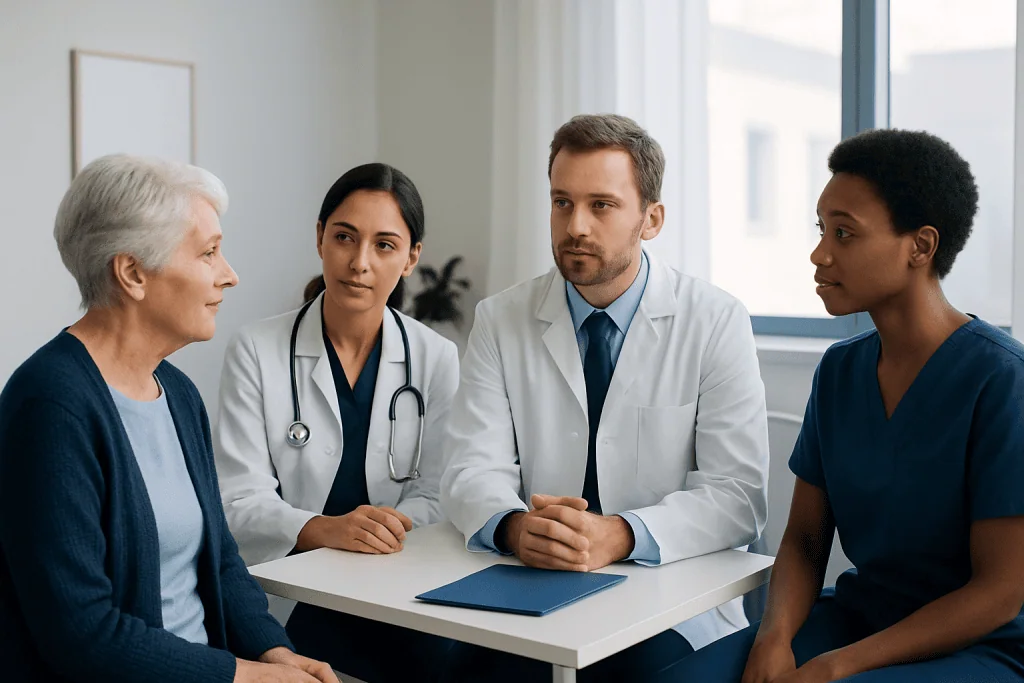
Before treatment begins, diagnosis usually depends on experts who may not always be seen in the clinic but play a central role. A pathologist examines tissue, blood, or other samples to confirm whether cancer is present and what type it is. The pathology report often includes details about tumor grade, cell features, and sometimes molecular markers that help guide treatment.
A radiologist interprets imaging tests such as X-rays, ultrasound, CT, MRI, or PET scans. These images help detect abnormalities, assess whether cancer has spread, and monitor how well treatment is working. In some cases, an interventional radiologist may also perform image-guided biopsies or procedures to help obtain tissue samples.
Laboratory medicine specialists and genetic experts may also contribute. Molecular testing can sometimes identify changes in tumor genes that help doctors choose more personalized treatment. Genetic counselors may assess whether an inherited cancer risk syndrome is possible, especially when there is a strong family history or cancer occurs at an unusually young age.
These specialists may not be the doctors a patient meets most often, but their findings strongly influence the treatment plan. Accurate diagnosis is the foundation of effective cancer care, and many important decisions depend on pathology, imaging, and laboratory results.
Nurses and Allied Health Professionals
Nurses are often among the most consistent members of the cancer care team. Oncology nurses help explain treatments, monitor symptoms, give medicines, and answer practical questions between appointments. In many clinics, a nurse navigator or care coordinator helps patients schedule tests, prepare for treatment, and understand the next steps.
Pharmacists are also essential, especially when treatment involves chemotherapy, targeted therapy, immunotherapy, or supportive medications. They review medicines for safety, check for interactions, and help explain how drugs should be taken. Dietitians may support nutrition during treatment, particularly if appetite, swallowing, digestion, or weight becomes a concern.
Physical therapists, occupational therapists, speech and language therapists, psychologists, and social workers can all become important depending on the patient’s needs. They may help with strength, mobility, daily activities, swallowing, communication, coping, work issues, family concerns, or access to practical support services.
- Oncology nurses: day-to-day treatment support and symptom monitoring
- Nurse navigators: coordination and guidance through the care pathway
- Pharmacists: medication safety and education
- Dietitians: nutrition support during and after treatment
- Social workers and psychologists: emotional, social, and practical support
- Rehabilitation specialists: function, recovery, and quality of life
How Treatment Decisions Are Made
Cancer treatment decisions are usually based on several factors, including the type of cancer, its stage, how fast it is growing, whether it has certain molecular features, and the patient’s overall health and preferences. In many hospitals, cases are reviewed in a multidisciplinary meeting or tumor board, where specialists discuss findings together and recommend a treatment plan.
This collaborative process can be especially helpful when treatment may involve more than one approach, such as surgery, medicines, and radiation. For some cancers, doctors may recommend chemotherapy, radiotherapy, surgery, or a combination given in a specific order. In other situations, active surveillance, symptom-focused care, or participation in a clinical trial may be considered.
Patients are an important part of decision-making. Doctors should explain the aim of treatment, such as cure, long-term control, or symptom relief, along with expected benefits, possible side effects, and alternatives. It is reasonable to ask why a certain option is preferred and whether another specialist’s opinion would be helpful.
Some patients also meet with supportive care teams early in treatment. This does not mean the cancer is untreatable. Supportive and palliative care can be used alongside active treatment to improve comfort, manage symptoms, and maintain quality of life.
Supportive Care During Treatment and Recovery
Cancer care is not only about treating the tumor. It also includes helping the person stay as well as possible during treatment and recovery. Symptom management may address pain, fatigue, nausea, sleep problems, appetite changes, bowel issues, or emotional stress. Palliative care specialists, pain specialists, nurses, and pharmacists often work together in this area.
Recovery needs vary widely. After surgery, some patients may need wound care, rehabilitation, or guidance on returning to daily activities. After cancer surgery or other intensive treatments, rehabilitation specialists can help improve movement, strength, energy, and independence. Patients receiving head and neck, digestive, or pelvic treatments may also need specialized support for speech, swallowing, bladder, or bowel function.
Emotional wellbeing is also a key part of care. Psychologists, psychiatrists, counselors, spiritual care providers, and support groups can help patients and families cope with uncertainty, treatment demands, body image changes, and the practical stress that often comes with a cancer diagnosis. Asking for this kind of support is appropriate at any stage.
For some people, survivorship care becomes an important phase after active treatment ends. Follow-up may include monitoring for recurrence, managing long-term side effects, checking overall health, and discussing healthy lifestyle habits. When advanced disease is present, the team may also focus more on comfort, function, and goals that matter most to the patient.
Questions to Ask and When to Seek Extra Help
It is often helpful for patients to ask who their main point of contact is, which doctor is leading the treatment plan, and which team members they are likely to meet next. Bringing a written list of questions to appointments can make discussions easier. Many people also find it helpful to have a family member or trusted friend present to take notes and provide support.
Useful questions may include what type of cancer has been diagnosed, what stage it is, whether more tests are needed, what the treatment goal is, and what side effects should be reported urgently. Patients can also ask whether nutrition support, fertility counseling, rehabilitation, or psychosocial care may be useful in their situation. If the diagnosis is complex, asking about a second opinion is reasonable.
Medical advice should be sought promptly if there are new or worsening symptoms during treatment, such as fever, breathing difficulty, severe pain, uncontrolled vomiting, confusion, bleeding, or signs of dehydration. The care team should explain how to reach the right service during office hours and outside them. Clear instructions can help patients know when symptoms can wait and when urgent assessment is needed.
For international patients seeking coordinated oncology services, Acibadem International’s multidisciplinary specialists and JCI-accredited hospitals diagnose and treat many cancers, with access to approaches such as medical oncology and bone marrow transplantation when appropriate.
Frequently asked questions
Who is usually in a cancer care team?
A cancer care team often includes a medical oncologist, surgeon, radiation oncologist, nurses, radiologists, and pathologists. Depending on the cancer and treatment plan, it may also include pharmacists, dietitians, social workers, rehabilitation specialists, and palliative care professionals.
What does a medical oncologist do?
A medical oncologist treats cancer with medicines such as chemotherapy, immunotherapy, targeted therapy, or hormone therapy. This specialist often helps coordinate overall treatment and follow-up, especially when drug treatment is a major part of care.
Why might a patient see more than one cancer specialist?
Cancer treatment often involves different types of expertise. One specialist may focus on surgery, another on medicines, and another on radiation, while others interpret scans or biopsy results. Working together helps the team build a treatment plan that fits the cancer type and the patient’s needs.
What is a tumor board or multidisciplinary meeting?
A tumor board is a meeting where different specialists review a patient’s case together. They discuss imaging, pathology, stage, and treatment options so the plan reflects input from several experts rather than one viewpoint alone.
Can supportive care happen at the same time as cancer treatment?
Yes. Supportive care can be provided alongside active treatment to help manage symptoms such as pain, fatigue, nausea, anxiety, or appetite loss. It is designed to improve comfort and daily functioning and does not mean treatment has stopped.
How can patients communicate better with their cancer team?
Patients can bring a written list of questions, keep a record of medicines and symptoms, and ask who their main contact person is. It is also helpful to ask when to call urgently and whether a family member or friend can join appointments for support.
References
- World Health Organization
- National Cancer Institute
- American Cancer Society
- European Society for Medical Oncology
- American Society of Clinical Oncology
This article is for general information only and is not a substitute for professional medical advice. Please consult a qualified doctor about your individual situation.
Oncology care in Turkey — second opinion and treatment plan
JCI-accredited · board-certified surgeons · reply within 24h
Add us as a Preferred Source to see more of our trusted health content across Google Search, AI Overviews and Discover.

More from the Health Library



Related Specialists

Dr. Eymen Aslan
Anesthesiology
Dr. Hamed Jafarzadeh Andabil
Pathology
Dr. Cansu Hemşinlioğlu
Inpatient Clinic Physicians Clinical Service
Dt. Eda Özdere
Oral & Dental Health