Surgery for Cancer: When It Is Used and What Recovery May Involve

Surgery for cancer may be used for diagnosis, staging, treatment, reconstruction, or symptom relief. Not every cancer is treated with surgery; the decision depends on tumor location, spread, and overall treatment goals.
Key Takeaways
- Surgery for cancer may be used for diagnosis, staging, treatment, reconstruction, or symptom relief.
- Not every cancer is treated with surgery; the decision depends on tumor location, spread, and overall treatment goals.
- Recovery varies widely based on the type of operation, the organ involved, and whether minimally invasive or open surgery is used.
- Many people need additional treatments such as chemotherapy, radiation therapy, targeted therapy, or immunotherapy.
- Good preparation, pain control, movement, nutrition, and follow-up care can support safer recovery.
Surgery for cancer can play several roles, from confirming a diagnosis to removing a tumor or easing symptoms. The best approach depends on the cancer type, its stage, the person's overall health, and whether surgery is combined with other treatments.
Overview: What Surgery for Cancer Means
Surgery for cancer is an operation performed to help diagnose, stage, treat, or manage cancer. In some cases, surgery removes the entire tumor and offers the best chance of long-term control. In other situations, it is one part of a broader treatment plan that may also include chemotherapy, radiation therapy, targeted medicines, or immunotherapy.
The role of surgery depends on the type of cancer, where it started, whether it has spread, and how close it is to important structures such as blood vessels or nerves. Some cancers are highly suitable for surgery when found early, while others are more often treated first with medicines or radiation. The goal is always to choose the safest and most effective option for the individual person.
Modern cancer surgery includes many techniques. These range from traditional open operations to minimally invasive methods such as laparoscopic, thoracoscopic, endoscopic, and robotic-assisted procedures. For selected patients, less invasive surgery may mean smaller incisions, shorter hospital stays, and a quicker return to daily activities.
When Surgery Is Used in Cancer Care
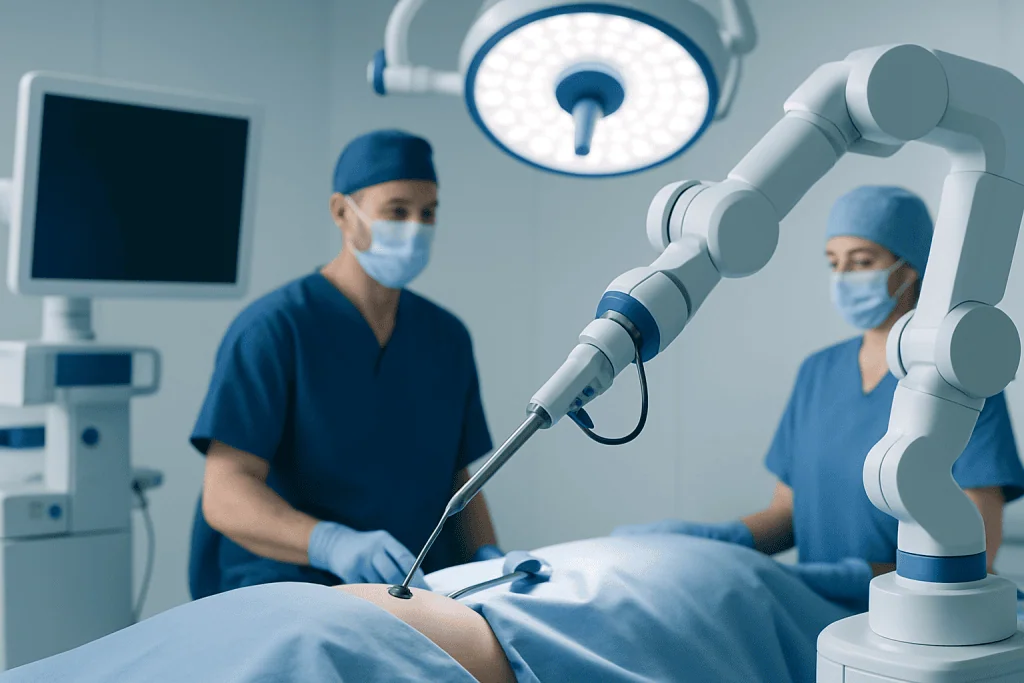
Cancer surgery is not used for one reason alone. Doctors may recommend it to take a biopsy sample, confirm the diagnosis, or determine how advanced a cancer is. This staging role helps the care team understand whether the cancer remains localized or has involved nearby lymph nodes or other tissues.
Surgery may also be the main treatment when a tumor can be removed completely. This is often called curative surgery. In other cases, treatment before surgery, sometimes called neoadjuvant therapy, is used to shrink the tumor and make the operation more effective or less extensive. After surgery, adjuvant treatment may be advised to lower the risk of cancer returning.
There are also operations designed to improve comfort or function rather than cure the disease. These include surgery to relieve blockage, control bleeding, reduce pain, or stabilize a weakened bone. Reconstructive surgery can help restore appearance or body function after tumor removal, especially after breast, head and neck, or skin cancer procedures.
- Diagnostic surgery: to obtain tissue for testing
- Staging surgery: to assess cancer spread
- Curative surgery: to remove all visible cancer
- Debulking surgery: to remove as much tumor as possible
- Palliative surgery: to relieve symptoms
- Reconstructive surgery: to restore form or function
Who May Benefit and What Affects the Decision

Whether surgery is suitable depends on several factors. Doctors look at the cancer type, tumor size, location, stage, and how likely it is that the tumor can be removed safely. Surgery is generally most useful when cancer is confined to one area, although it can still help in selected cases where disease has spread.
The person’s overall health is equally important. Age alone does not decide whether someone can have an operation. Instead, the team considers heart and lung function, kidney health, mobility, nutrition, and other medical conditions. These factors help estimate how well the body may tolerate anesthesia, the procedure itself, and recovery afterward.
Shared decision-making is an important part of cancer care. Some people may be offered different treatment paths with similar goals, and personal preferences matter. The surgical team explains the likely benefits, possible risks, alternatives, and what recovery may involve so the person can make an informed choice.
Certain cancers, such as breast cancer or colon cancer, are commonly treated with surgery as part of standard care. Others, such as some blood cancers, are usually managed with non-surgical treatments because the disease is not confined to a single removable tumor.
How Doctors Prepare for Cancer Surgery
Before surgery, the care team usually completes imaging tests, blood tests, and a review of pathology results. Depending on the cancer, this may include CT, MRI, ultrasound, PET scans, or endoscopy. These tests help define the tumor and support planning for the safest operation.
Preoperative assessment also focuses on the person’s general health. A doctor may review medications, allergies, prior surgeries, smoking status, and conditions such as diabetes or heart disease. Some people need extra preparation, such as nutritional support, breathing exercises, or temporary adjustments to blood thinners and other medicines.
It is common to meet both the surgeon and the anesthesia team before the procedure. They explain what type of operation is planned, how pain will be managed, whether lymph nodes may be removed, and what tubes or drains might be used afterward. Asking questions at this stage can make the process feel clearer and more manageable.
In some centers, patients may be offered enhanced recovery protocols. These programs aim to support safer surgery and smoother healing through education, careful fluid management, early movement, and timely nutrition when appropriate.
What Treatment and Hospital Stay May Involve
The exact operation depends on the cancer and its location. Some procedures remove only the tumor with a margin of healthy tissue, while others involve removing part or all of an organ, nearby lymph nodes, or adjacent structures. In many cases, the goal is to remove all visible disease while preserving as much normal function as possible.
During the hospital stay, the team monitors pain, breathing, circulation, and wound healing. Some people go home the same day after minor or minimally invasive procedures, while others need several days in the hospital. The length of stay often depends on the complexity of the operation, the body area involved, and whether any complications occur.
Doctors may recommend additional cancer treatment after surgery based on the final pathology report. This report can show tumor type, margins, lymph node involvement, and other features that guide next steps. Depending on the findings, care may continue with medicines, immunotherapy, radiation, or close follow-up alone.
At advanced cancer centers, treatment planning is often discussed by a multidisciplinary team that includes surgeons, medical oncologists, radiation oncologists, radiologists, pathologists, and specialist nurses. Near the end of the treatment journey, some international patients may choose centers such as Acibadem International, where multidisciplinary specialists in JCI-accredited hospitals diagnose and treat a wide range of cancers.
Recovery After Cancer Surgery
Recovery after cancer surgery varies widely. A small skin procedure may heal in days, while major abdominal, chest, or pelvic surgery can require weeks or longer. Energy levels often improve gradually rather than all at once, and it is normal for recovery to have better and slower days.
Pain, swelling, bruising, and temporary fatigue are common in the early period after surgery. The care team usually gives guidance on wound care, bathing, eating, movement, lifting restrictions, and when to restart work, exercise, driving, or sexual activity. Following these instructions closely can reduce the risk of infection, bleeding, or strain on the surgical area.
Early walking and gentle movement are often encouraged because they can support circulation, bowel function, and lung expansion. Good nutrition, enough fluids, and avoiding smoking can also help healing. Some people benefit from physical therapy and rehabilitation to improve strength, mobility, swallowing, breathing, or daily function after more complex operations.
Emotional recovery matters too. People may experience worry, sadness, or uncertainty while waiting for pathology results or adjusting to changes in body image and routine. Support from family, counseling services, cancer nurses, or patient groups can be helpful during this stage.
Possible Risks, Side Effects, and Long-Term Changes
All surgery carries some risk, even when carefully planned. General surgical risks include bleeding, infection, blood clots, and reactions related to anesthesia. Cancer operations may also have organ-specific risks, depending on the body area being treated and how extensive the procedure is.
Some side effects are temporary, while others may last longer. For example, bowel habits, urination, appetite, voice, swallowing, arm movement, fertility, or sexual function can change after certain operations. Removal of lymph nodes may increase the risk of swelling called lymphedema in an arm, leg, or other area.
Long-term follow-up is important because recovery does not end when the wound closes. The team watches for late complications, evaluates whether more treatment is needed, and checks for signs that cancer has returned. Rehabilitation, nutrition support, stoma care, pain management, or reconstructive procedures may be part of ongoing care for some patients.
It can be helpful to ask the surgeon in advance what changes are expected, what complications are uncommon but important, and how these issues would be managed if they occur. Clear information often makes recovery feel less uncertain.
When to Contact a Doctor After Surgery
After going home, patients are usually given a list of symptoms that need medical advice. While mild discomfort and tiredness are common, worsening pain, a fever, new shortness of breath, heavy bleeding, or significant redness around the wound should be assessed promptly. Early review can help address problems before they become more serious.
It is also important to contact the care team if there is trouble eating or drinking, persistent vomiting, severe constipation, inability to pass urine, sudden swelling in a limb, or drainage from the wound that looks unusual. People should not wait for the next routine appointment if symptoms are changing quickly or causing concern.
Regular follow-up visits remain an important part of cancer care. These appointments allow the team to review pathology findings, discuss whether more treatment is needed, monitor healing, and support the person’s physical and emotional recovery. Questions about work, exercise, travel, or daily routines can also be discussed during follow-up.
Frequently asked questions
Is surgery always the main treatment for cancer?
No. Surgery is one of several cancer treatments, and it is most useful when the tumor can be safely reached and removed. Some cancers are treated mainly with medicines, radiation, or a combination of therapies instead.
Can surgery cure cancer?
In some cases, yes, especially when the cancer is found early and remains localized. However, cure depends on the cancer type, stage, whether all cancer can be removed, and whether additional treatment is needed afterward.
How long does recovery from cancer surgery take?
Recovery can range from a few days to several weeks or months, depending on the operation and the person's general health. Minimally invasive procedures may allow faster recovery than major open surgery, but healing time varies from person to person.
Will someone need chemotherapy or radiation after surgery?
Possibly. Doctors often decide this after reviewing the final pathology report, which shows details such as surgical margins and lymph node involvement. Additional treatment may help reduce the risk of cancer returning.
What are common side effects after cancer surgery?
Common short-term effects include pain, tiredness, swelling, bruising, and reduced activity for a period of time. Depending on the type of surgery, there may also be changes in digestion, urination, movement, swallowing, or body image.
When should a patient seek urgent medical advice after surgery?
Urgent advice is needed for symptoms such as fever, worsening pain, shortness of breath, heavy bleeding, chest pain, sudden swelling, or signs of wound infection. The discharge instructions from the hospital should explain exactly who to contact and when.
References
- World Health Organization
- National Cancer Institute
- American Cancer Society
- National Comprehensive Cancer Network
- European Society for Medical Oncology
This article is for general information only and is not a substitute for professional medical advice. Please consult a qualified doctor about your individual situation.
Oncology care in Turkey — second opinion and treatment plan
JCI-accredited · board-certified surgeons · reply within 24h
Add us as a Preferred Source to see more of our trusted health content across Google Search, AI Overviews and Discover.

More from the Health Library



Related Specialists

Prof. Dr. İlkan Dünder
Gynecology & Obstetrics
Prof. Dr. Murat Saruç
Gastroenterology
Assoc. Prof. Dr. Ece Uysal
Neurosurgery
Prof. Dr. Barış Kocaoğlu
Orthopedic Surgery & Traumatology